Ship Data Reveals a Major Flaw in How Climate Models Simulate Antarctic Clouds
Researchers have discovered an unexpected atmospheric phenomenon hidden above Antarctica, revealing new insights into one of Earth’s most remote regions.
A fresh analysis of atmospheric conditions over Antarctica has exposed a significant blind spot in the way modern climate simulations interpret cloud behavior. While current computer models are increasingly adept at estimating cloud coverage, they frequently fail to capture the nuanced physical mechanisms that dictate how these clouds transport heat to the planet’s surface.
The Southern Ocean, a critical regulator of global climate, has long been a challenge for meteorologists due to its extreme isolation and the difficulty of maintaining long-term sensor arrays in such harsh environments. By integrating rare, high-fidelity data collected during the 64th Japanese Antarctic Research Expedition (JARE64), researchers have identified that the discrepancy between simulated and observed data lies in the microphysics of the clouds themselves, rather than just their visible presence.
Field Data From The R/V Shirase Unveils Model Inaccuracies
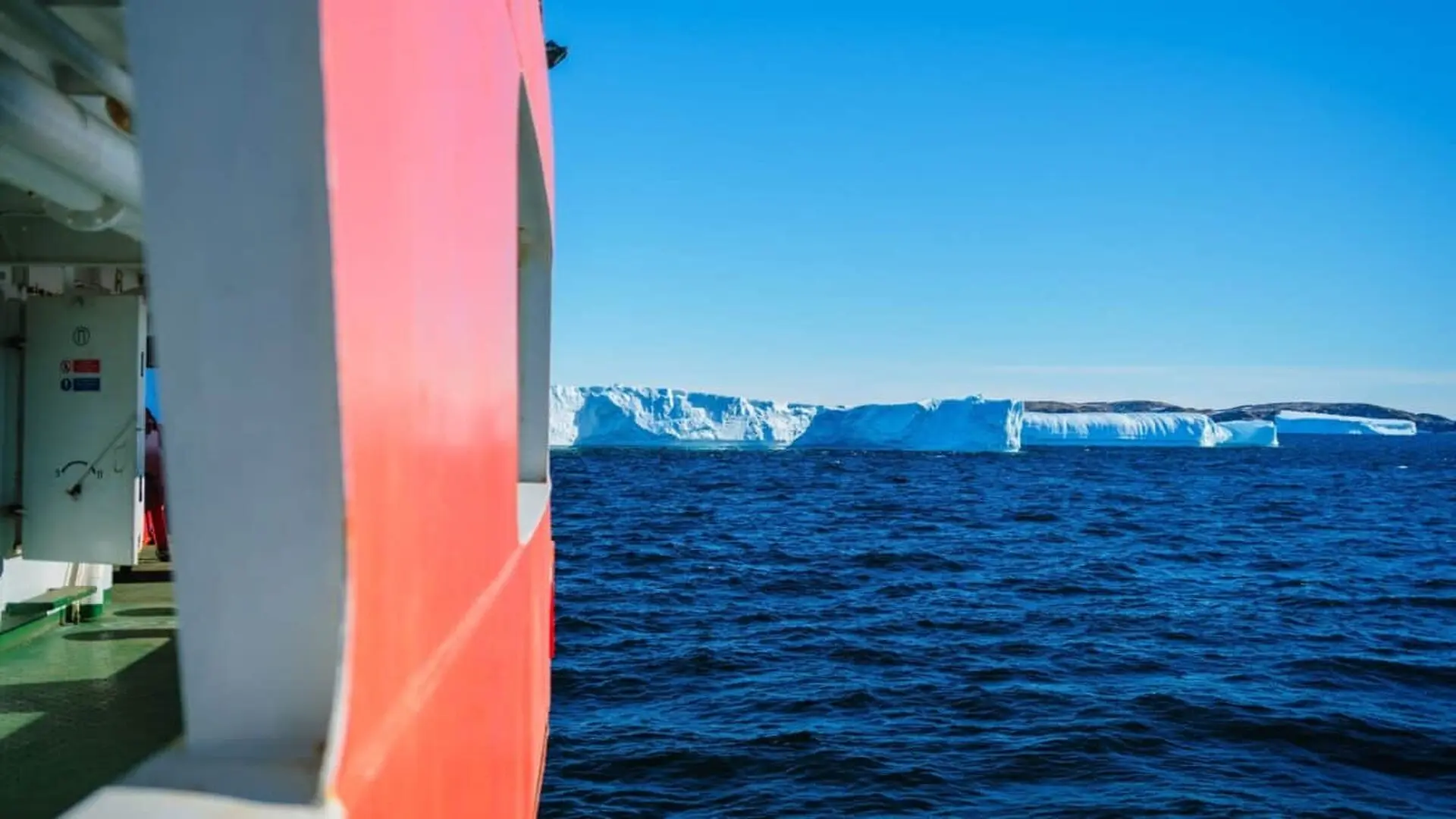
During the expedition, which took place from December 2022 to March 2023, the research icebreaker R/V Shirase served as a floating laboratory. Scientists deployed sophisticated instrumentation to track a range of variables, including humidity, ambient temperature, surface radiation, and aerosol concentrations, while simultaneously monitoring cloud architecture.
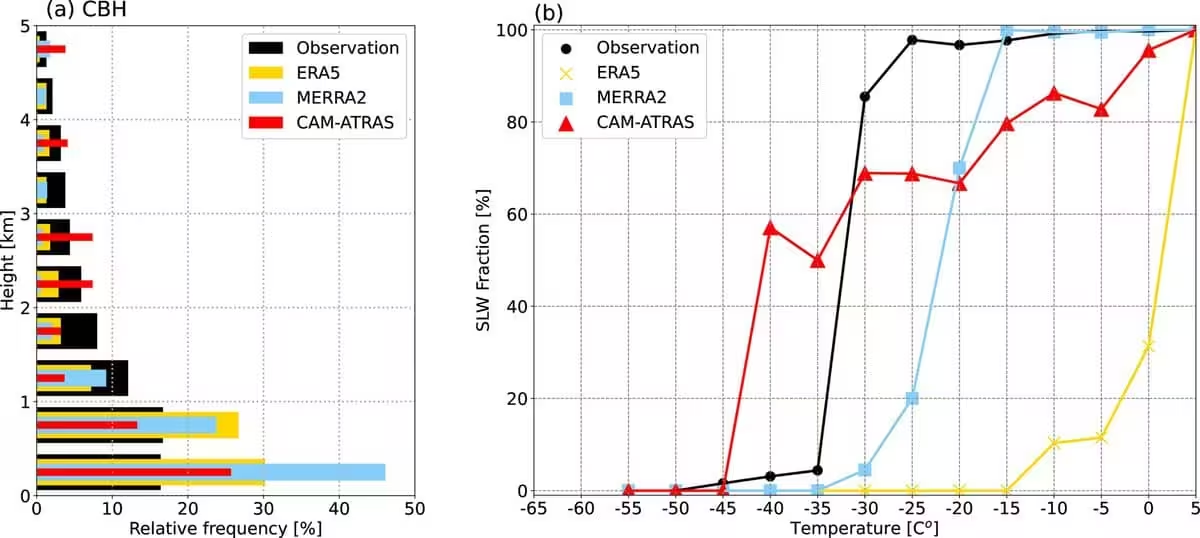
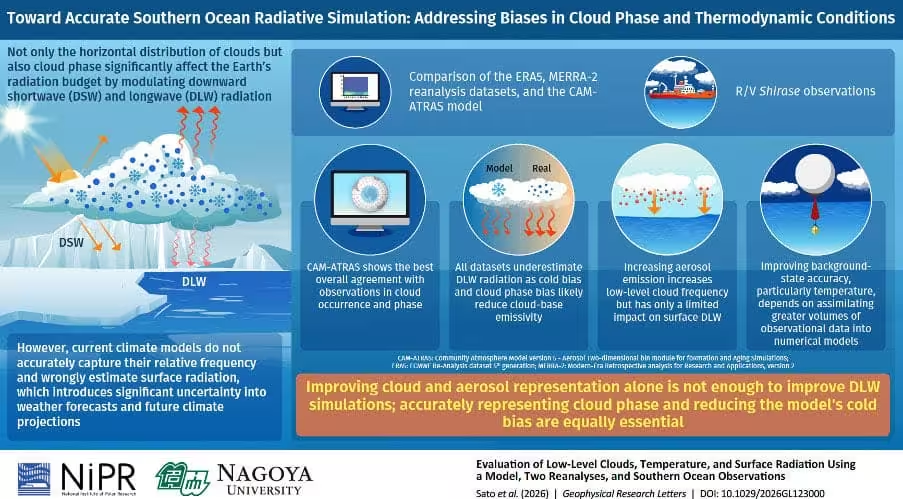
The team benchmarked these real-world observations against three prominent climate tools: ERA5, MERRA-2, and the CAM-ATRAS climate model. While these systems largely aligned with broad, large-scale cloud patterns, the study—published in Geophysical Research Letters—revealed that all three struggled with the precise energy balance of the region. Specifically, the models consistently underestimated the amount of heat radiating from the atmosphere back down to the ocean surface.
The Complexity Of Ice And Aerosols
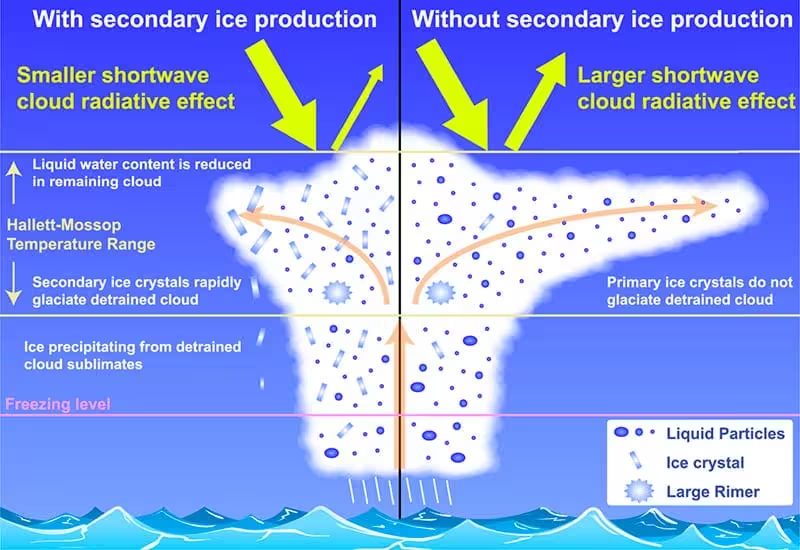
The investigation suggests that the errors are rooted in how models simulate the internal composition of clouds. Many of the simulations exhibited a “cold bias,” where modeled temperatures were lower than actual recorded values. Furthermore, some models mistakenly predicted excessive ice content within clouds. Because ice clouds and liquid water clouds interact with heat and sunlight in fundamentally different ways, these internal errors ripple outward, distorting the final energy budget calculations.
“Numerical models have been reported to exhibit poor skill in reproducing clouds. In particular, over the Southern Ocean and Antarctica, where cloud representation remains especially challenging, cloud-related biases have been shown to increase errors in the surface energy budget through biases in the radiative budget,” Professor Jun Inoue explained.
Researchers also examined the role of aerosols, which act as the nuclei for cloud formation. While models like ERA5 and MERRA-2 overestimated aerosol concentrations, simply adjusting these levels in simulations did not rectify the underlying issues with surface radiation, confirming that the solution requires a more sophisticated approach to cloud phase and thermodynamics.
Future Directions In Polar Climate Science
The findings emphasize that closing the gap in climate accuracy will require a more intentional integration of sparse, real-world Antarctica data into existing predictive frameworks. As Assistant Professor Kazutoshi Sato noted, the lack of extensive historical data for this region continues to create substantial uncertainty.
Moving forward, the team advocates for leveraging underutilized datasets from polar missions to calibrate simulations, ensuring that the next generation of climate models can accurately account for the subtle, yet vital, processes occurring within the southern atmosphere.
This article has been fact checked for accuracy, with information verified against reputable sources. Learn more about us and our editorial process.
Last reviewed on .
Article history
- Latest version
Reference(s)
- Sato, Kazutoshi., et al. “Evaluation of Low‐Level Clouds, Temperature, and Surface Radiation Using a Model, Two Reanalyses, and Southern Ocean Observations.” Geophysical Research Letters, vol. 53, no. 15, July 31, 2026 American Geophysical Union (AGU), doi: 10.1029/2026GL123000. <https://agupubs.onlinelibrary.wiley.com/doi/10.1029/2026GL123000>.
- <https://www.researchgate.net/profile/Jun-Inoue-3>.
- <https://www.researchgate.net/profile/Kazutoshi-Sato-2>.
Cite this page:
- Posted by Karan Das