Four Kilometres Beneath Antarctic Ice, a Dark Lake the Size of a Small Sea Is Exposing the Weak Link in the Hunt for Alien Life
Los secretos de un lago antártico oculto podrían explicar por qué encontrar vida en océanos alienígenas es más difícil de lo que se creía
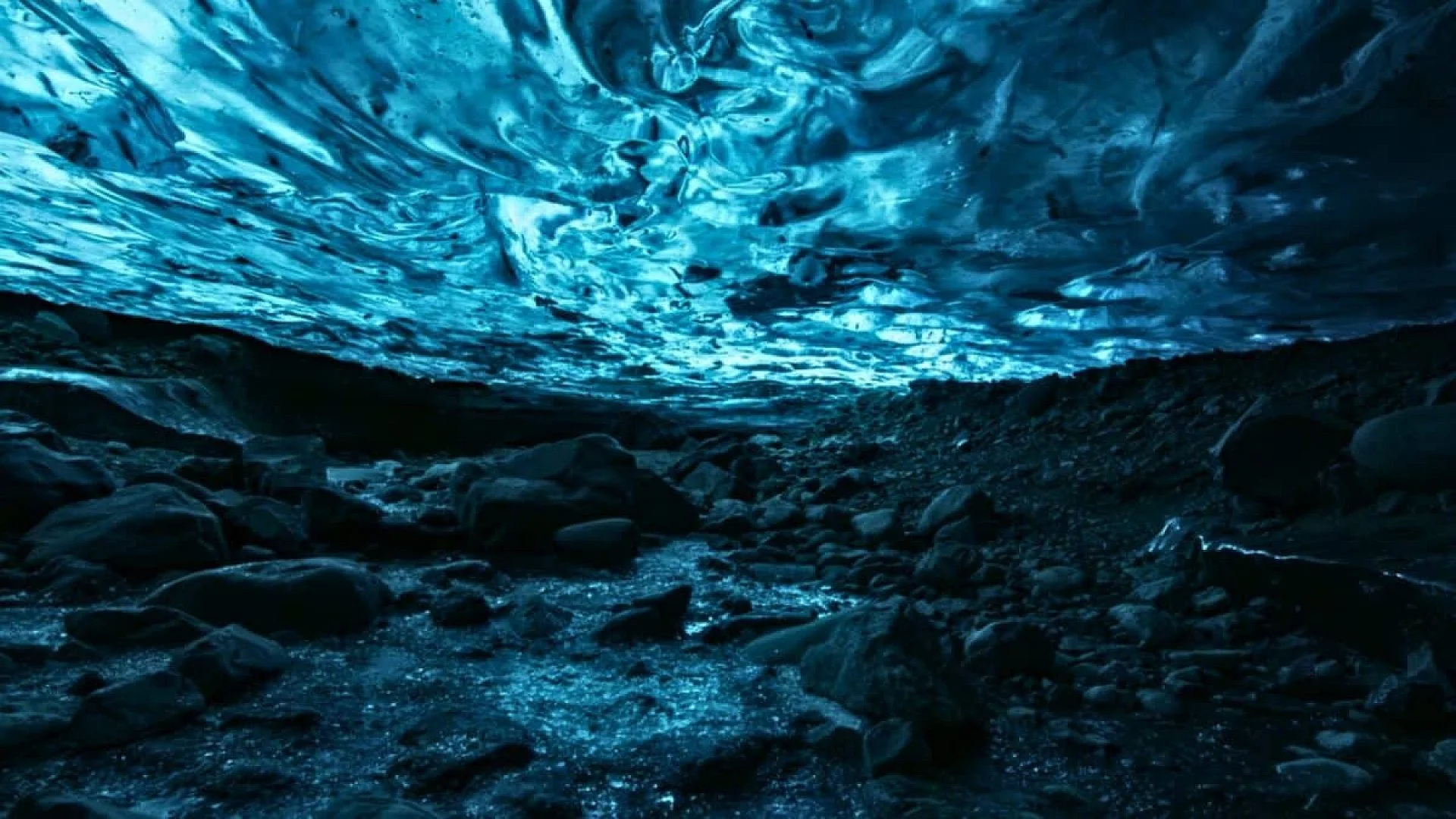
Deep beneath four kilometres of East Antarctic ice, Lake Vostok lies in perpetual darkness, concealed by a thick ice lid that shelters one of the planet’s largest freshwater reservoirs. According to Live Science, the lake stretches roughly 150 miles in length and 30 miles in width, adjacent to Russia’s Vostok research station in East Antarctica. Its sheer size and isolation make it a prime analogue for water hidden beneath ice.
Because Vostok has been sealed off from sunlight and the atmosphere for hundreds of thousands, possibly millions, of years, it serves as a natural test case for a central question in astrobiology: can liquid water trapped beneath ice support life without solar energy? Similar inquiries guide investigations of Europa, Jupiter’s icy moon, and Enceladus, Saturn’s frozen satellite.
The comparison is not exact. Vostok contains freshwater beneath Antarctic ice, whereas Europa and Enceladus are thought to harbor salty oceans under their icy shells. Nonetheless, all three environments share a core challenge: water exists in darkness, so any potential life would need to rely on chemical energy rather than photosynthesis.
A Subglacial Lake Locked Away From Light
Geological evidence suggests that Lake Vostok was once an open lake before becoming entombed at least 15 million years ago, with some estimates pushing the burial period beyond 20 million years. Researchers only became aware of the lake after the establishment of Vostok Station in 1957.
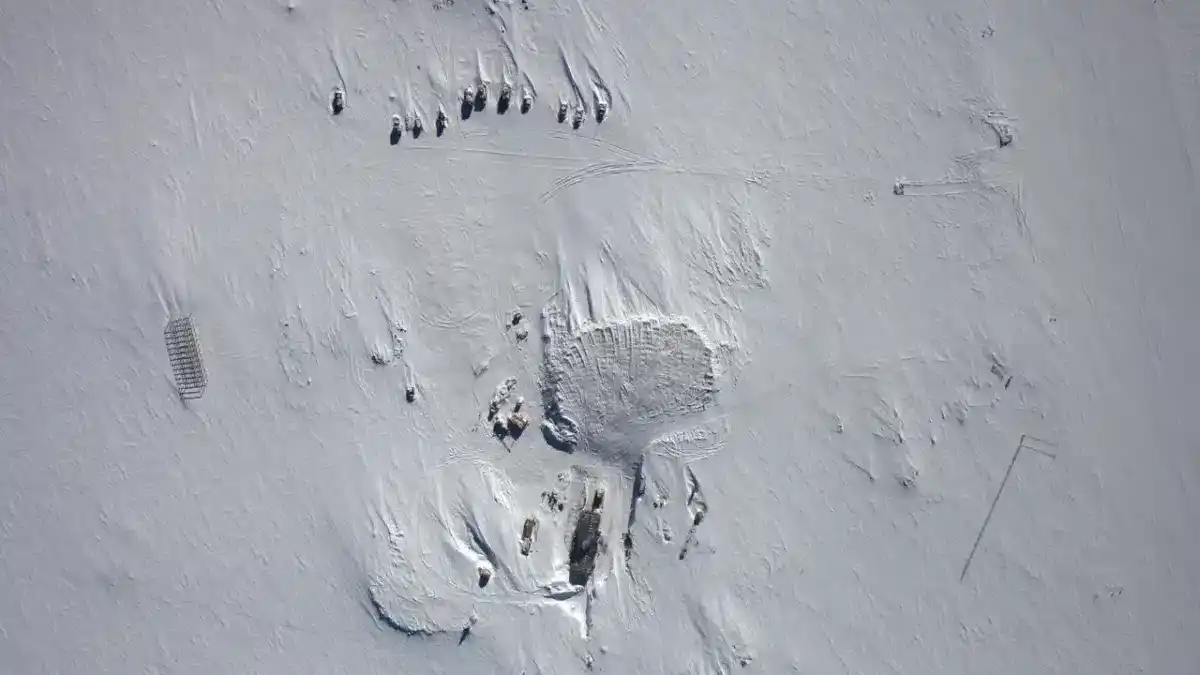
A Russian geographer‑pilot first spotted the unusually flat ice surface above the lake from the air in the 1960s. Satellite‑based radar imaging in 1993 finally confirmed the presence of a liquid body beneath the ice, demonstrating that water can remain unfrozen at great depth.
Even though the water temperature hovers around 27 °F (‑3 °C), the immense pressure exerted by the overlying ice depresses the freezing point, keeping the lake liquid. This unique mix of pressure, perpetual darkness, frigid conditions, and isolation makes Vostok an invaluable natural laboratory for studying subglacial ecosystems.
Contamination Complicates Biological Findings
The most contentious issue at Lake Vostok is not merely whether microbes have been detected, but whether those microbes truly originate from the lake itself. In 2012, Russian scientists finally breached the ice to reach the lake surface, but the borehole had been maintained with kerosene and Freon, allowing lake water to mingle with these fluids.
This drilling history introduces surface‑derived bacteria into the sample, underscoring why sterile sampling is essential for any search for life in sealed water bodies. A convincing detection of life requires unequivocal separation of lake material from any contaminants introduced by drilling equipment, fluids, or the surrounding environment.
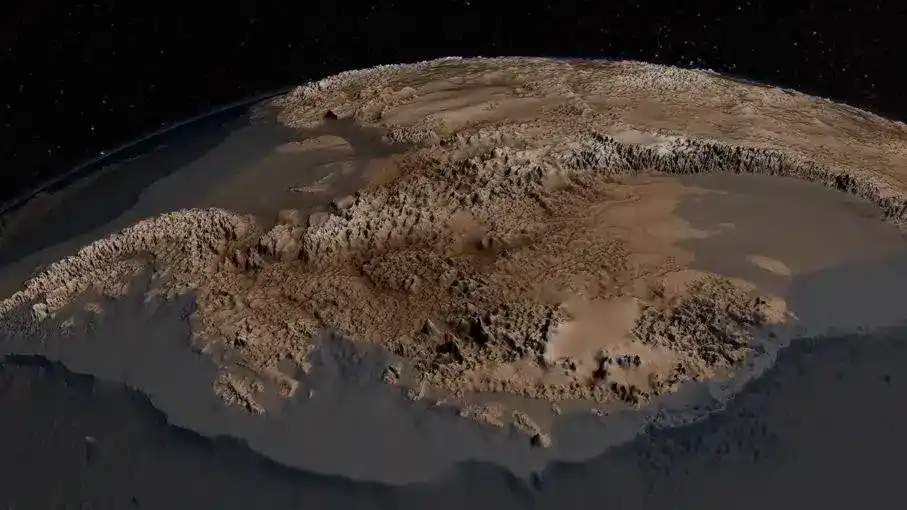
A 2013 study of accretion ice—the frozen layer that forms when lake water freezes at the surface—reported genetic material from thousands of organisms. Live Science notes that DNA from more than 3,500 species was recovered from this accretion ice, yet these results do not constitute a pristine water sample.
Other investigations have found scant evidence of life, and Russian microbiologist Sergey Bulat cautioned that even a single candidate organism could be a contaminant. The controversy does not diminish Vostok’s scientific value; instead, it highlights the need for rigorous contamination control in any future exploration of alien oceans.
A Cleaner Approach at Lake Whillans
A separate Antarctic lake provided a more controlled sampling environment shortly after Vostok was accessed. In January 2013, the U.S. WISSARD team penetrated the ice over Subglacial Lake Whillans in West Antarctica using a hot‑water drill designed to avoid contamination. Their account in the Annals of Glaciology details a three‑day deployment of scientific instruments.
The payload included a downhole camera, a conductivity‑temperature‑depth probe, water samplers, a filtration unit, sediment corers, a geothermal probe, and a geophysical sensor string. Although Whillans sits beneath roughly 800 metres of ice—far shallower than Vostok’s four‑kilometre cover—the clean drilling technique set a new standard for subglacial sampling.
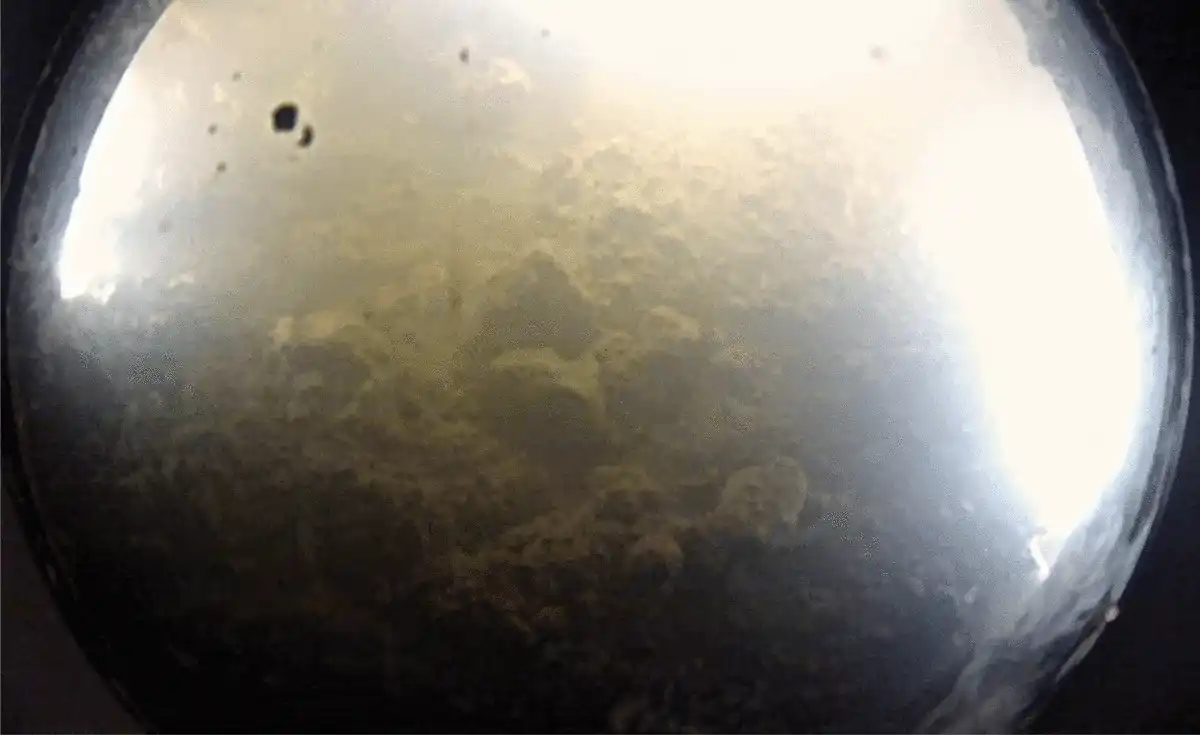
WISSARD findings confirmed a water body previously inferred from satellite altimetry and surface geophysics, revealing water with salinity lower than seawater but higher than pure drill meltwater. Subsequent analyses identified an active microbial community thriving on chemical energy in complete darkness.
Together, Vostok and Whillans illustrate two facets of the same scientific puzzle. Vostok offers a glimpse into a long‑isolated environment that may preserve ancient biosignatures, while Whillans demonstrates how stringent contamination protocols can unlock reliable biological insights.
Europa Missions Draw Lessons From Antarctica
NASA’s upcoming Europa exploration mission underscores the relevance of Antarctic experience. In a briefing on potential water plumes, NASA highlighted Europa’s ice‑covered ocean as a candidate for habitability, noting that Enceladus already emits plumes of vapor, ice particles, and organic compounds from its southern pole.
Both moons generate internal heat through tidal flexing caused by their parent planets and neighboring satellites, a process that can keep subsurface water from freezing despite the lack of sunlight. This makes Europa a compelling target for the search for life beyond Earth, while the Antarctic case study serves as a practical warning about sample integrity.
The overarching question for Lake Vostok, Lake Whillans, and Europa is not merely the presence of liquid water, but whether researchers can interrogate that water without altering it. Vostok’s mixed record illustrates how introduced contaminants can obscure interpretations, reinforcing the importance of clean‑sampling strategies for future extraterrestrial ocean investigations.
This article has been fact checked for accuracy, with information verified against reputable sources. Learn more about us and our editorial process.
Last reviewed on .
Article history
- Latest version
Reference(s)
- Pare, Sascha. “Lake Vostok: The 15 million-year-old lake buried miles beneath Antarctica's ice.”, February 14, 2025 Live Science <https://www.livescience.com/planet-earth/antarctica/lake-vostok-the-15-million-year-old-lake-buried-miles-beneath-antarcticas-ice>.
- Rogers, Scott. “Ecology of Subglacial Lake Vostok (Antarctica), Based on Metagenomic/Metatranscriptomic Analyses of Accretion Ice.”, vol. 2, no. 2, pp. 629 PubMed Central (PMC), doi: 10.3390/biology2020629. <https://pmc.ncbi.nlm.nih.gov/articles/PMC3960894/>.
- Tulaczyk, Slawek. “WISSARD at Subglacial Lake Whillans, West Antarctica: scientific operations and initial observations | Annals of Glaciology | Cambridge Core.”, vol. 55, no. 65, pp. 51-58. Cambridge Core, doi: 10.3189/2014AoG65A009. <https://www.cambridge.org/core/journals/annals-of-glaciology/article/wissard-at-subglacial-lake-whillans-west-antarctica-scientific-operations-and-initial-observations/716F92353054F300164B847AB0362BD8>.
- Steigerwald, William. “Are Water Plumes Spraying from Europa? NASA’s Europa Clipper is on the Case - NASA.”, November 30, 2021 NASA <https://www.nasa.gov/missions/are-water-plumes-spraying-from-europa-nasas-europa-clipper-is-on-the-case/>.
Cite this page:
- Posted by Karan Das