China Launches Long March 12B Rocket Without Prior Safety Warnings, Marking A New Era In Satellite Deployment
China’s Long March 12B rocket surprises with sudden launch, boosting commercial satellite missions and reshaping global space strategy
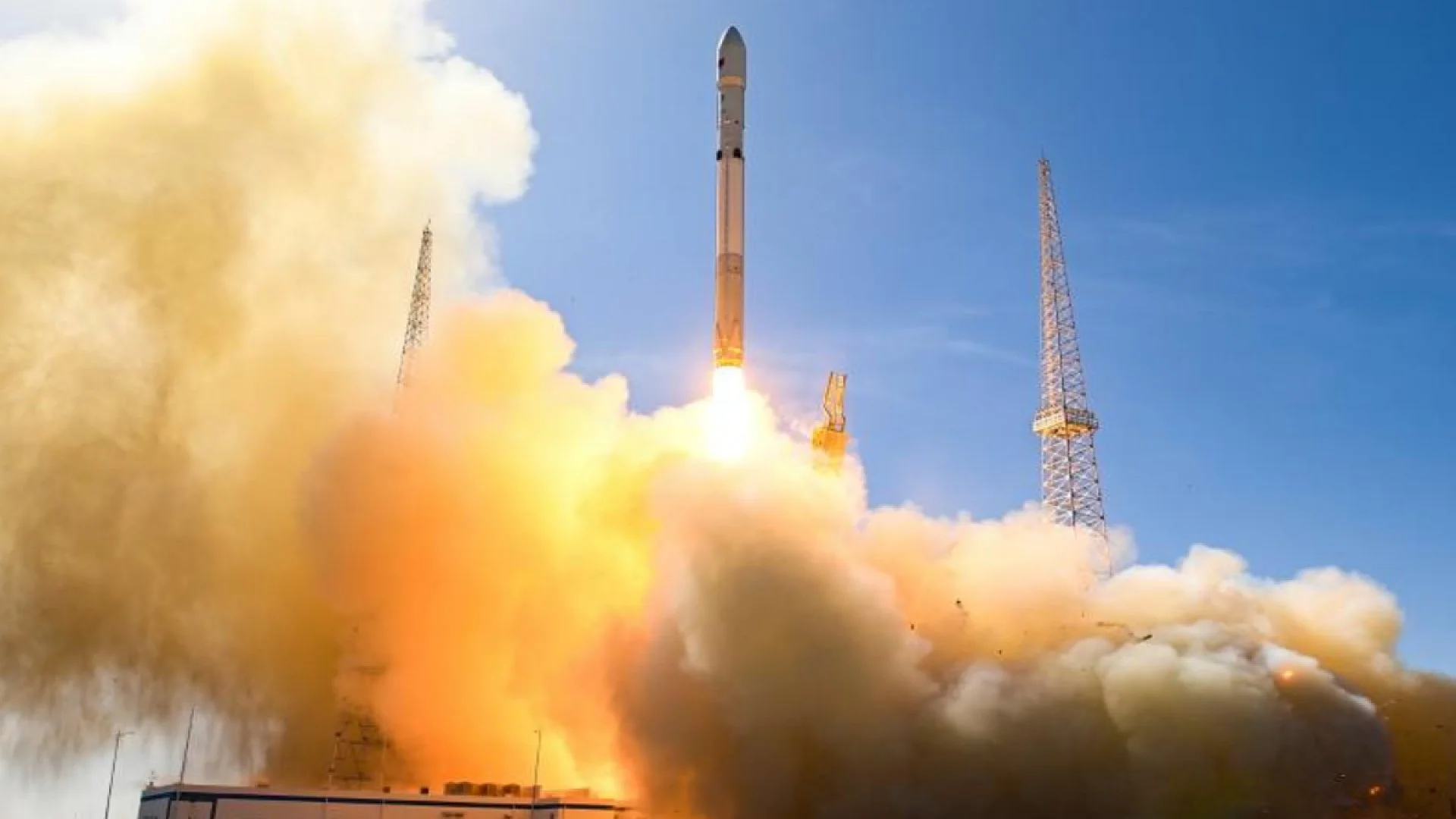
China has put its latest Long March 12B rocket into orbit, a reusable launch vehicle designed for commercial satellite megaconstellations. The mission reportedly proceeded without any advance air‑space notices, highlighting Beijing’s expanding capabilities in private‑sector spaceflight and its push for greater autonomy in orbital operations.
A New Contender for Reusable Launches
Rising to a height of 236 feet (72 meters), the Long March 12B is positioned as a rival to SpaceX’s Falcon 9. Built to ferry large payloads of satellites, the vehicle could accelerate China’s plans for a vast constellation network that aims to deliver worldwide internet access, advanced communications and enhanced navigation services.
Launching without issuing a public air‑space warning has sparked debate over international safety norms. Proponents argue the approach offers swift operational flexibility, while critics warn of heightened risks for civilian aviation and nearby communities. Analysts see the decision as a sign of confidence in China’s domestic launch infrastructure and risk‑management protocols, underscoring a strategic emphasis on rapid expansion of its space presence.
Strategic Launch Site in Inner Mongolia
The lift‑off took place from the Dongfeng Commercial Space Innovation Test Zone in Inner Mongolia, a region that has become a focal point for China’s commercial space activities. The remote location, paired with sophisticated support facilities, enables controlled testing and quick turnaround for multiple launch systems while minimizing safety concerns.
Inner Mongolia’s contribution to China’s aerospace goals reflects a broader tactic of exploiting regional strengths such as low population density, clear skies and robust logistics. By establishing a commercial launch hub there, China aims to speed up satellite constellation deployments and lessen reliance on traditional government‑run sites, a shift that could reshape Asia’s commercial launch market.
Overnight, China successfully launched a new medium-class rocket to orbit — Long March 12B.
Looks like they gave no airspace notice (!), and carried suspiciously Starlink-shaped satellites to orbit… all on their first try.
China’s space industry is catching up to ours, fast. pic.twitter.com/BrHWBoIrYU— Christian Keil (@pronounced_kyle) June 1, 2026
Global Implications of a Faster Space Race
The debut of the Long March 12B adds momentum to an accelerating space competition among major powers. By securing reusable commercial launch capability, China positions itself as a credible challenger to the United States’ SpaceX and other international service providers. The technology carries both commercial and strategic weight, offering flexibility for satellite constellations, defence applications and global communications.
The decision to forgo safety notifications, while contentious, signals a level of operational maturity and confidence in domestic policy. This could encourage other nations to streamline commercial launch regulations, potentially speeding up worldwide competition for megaconstellations and orbital services. Observers note that future scrutiny will focus on transparency, safety practices and debris mitigation as low‑Earth orbit becomes increasingly crowded.
Commercial Rockets as a Pillar of China’s Space Vision
The Long March 12B illustrates China’s strategy of blending commercial ambition with strategic objectives. Reusability and higher launch cadence promise lower costs, making large‑scale satellite projects financially realistic. This trend mirrors a global shift toward leveraging private‑sector technology to achieve space independence and economic returns.
According to LiveScience, the inaugural flight carried several Qianfan “Thousand Sails” satellites, marking the start of a deployment series aimed at boosting China’s communication and observation capabilities. The synergy of commercial and strategic aims also hints at future roles beyond Earth orbit, potentially supporting lunar and deep‑space missions.
A New Chapter for Satellite Constellations
With the successful mission, China joins a select group of nations capable of rapidly fielding extensive satellite networks. The Long March 12B’s capacity for high‑volume payloads is crucial for delivering global internet services, near‑real‑time Earth imaging and secure communications. As these constellations expand, China may influence international technology standards, satellite management practices and space policy.
Experts argue that the blend of commercial efficiency, technical sophistication and strategic foresight could cement China’s status as a leader in both terrestrial and orbital infrastructure. While questions about transparency remain, the launch demonstrates a clear intent to pursue ambitious projects that will shape the future of space operations worldwide.
This article has been fact checked for accuracy, with information verified against reputable sources. Learn more about us and our editorial process.
Last reviewed on .
Article history
- Latest version
Reference(s)
- “https://twitter.com/pronounced_kyle/status/2061478389417157039/video/1.” <https://t.co/BrHWBoIrYU>.
- Pester, Patrick. “China launches new Long March 12B rocket, reportedly without any safety warning.”, June 2, 2026 Live Science <https://www.livescience.com/space/space-exploration/china-launches-new-long-march-12b-rocket-reportedly-without-any-safety-warning>.
Cite this page:
- Posted by Karan Das