Four Planets Will Light Up the Morning Sky In A Rare Celestial Display This November
Four planets will light up the predawn sky this November, featuring a spectacular close encounter between Mars and Jupiter you won’t want to miss.
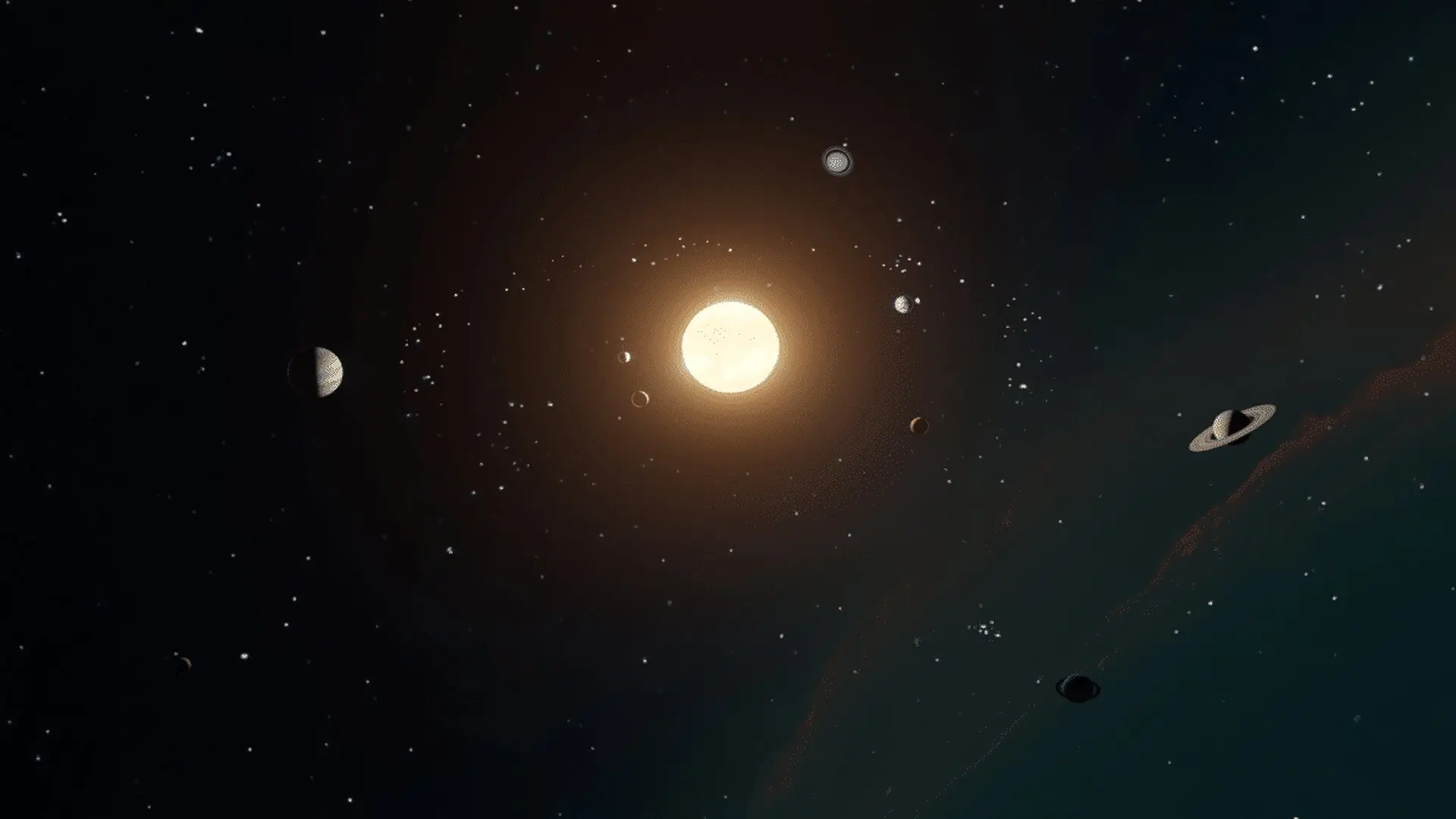
Early risers are in for a spectacular treat this November, as the solar system puts on a rare display that will see four planets gathered in the predawn sky. Throughout the latter half of the month, Mercury, Venus, Mars, and Jupiter will trace a distinct diagonal line across the southeastern horizon, offering a clear view for anyone with a horizon free of obstructions.
A Celestial Gathering at Dawn
While the phenomenon is often referred to as a planetary alignment, it is important to remember that these worlds are not physically stacking up in space. Because planets orbit the Sun along the ecliptic—the same general plane that Earth inhabits—they frequently appear to congregate in the same region of our sky from our vantage point. This upcoming event is a trick of perspective rather than a gravitational or orbital rarity, yet it remains one of the most accessible and impressive sights for casual stargazers.
The grouping will be anchored by Venus and Jupiter, which will shine brightly, while the more elusive Mercury will hover lower toward the horizon. Mars will round out the quartet, providing a reddish hue that contrasts with the steady, pale light of the gas giant Jupiter.
The Close Encounter of Mars and Jupiter
The highlight of the month occurs around November 15–16, when Mars and Jupiter experience a striking close approach. As detailed by BBC Sky at Night Magazine, the two will appear side-by-side, creating a brilliant pair of lights in the sky. Observers may also notice the bright star Regulus nearby in the constellation Leo, which will add a third brilliant point to the cluster.
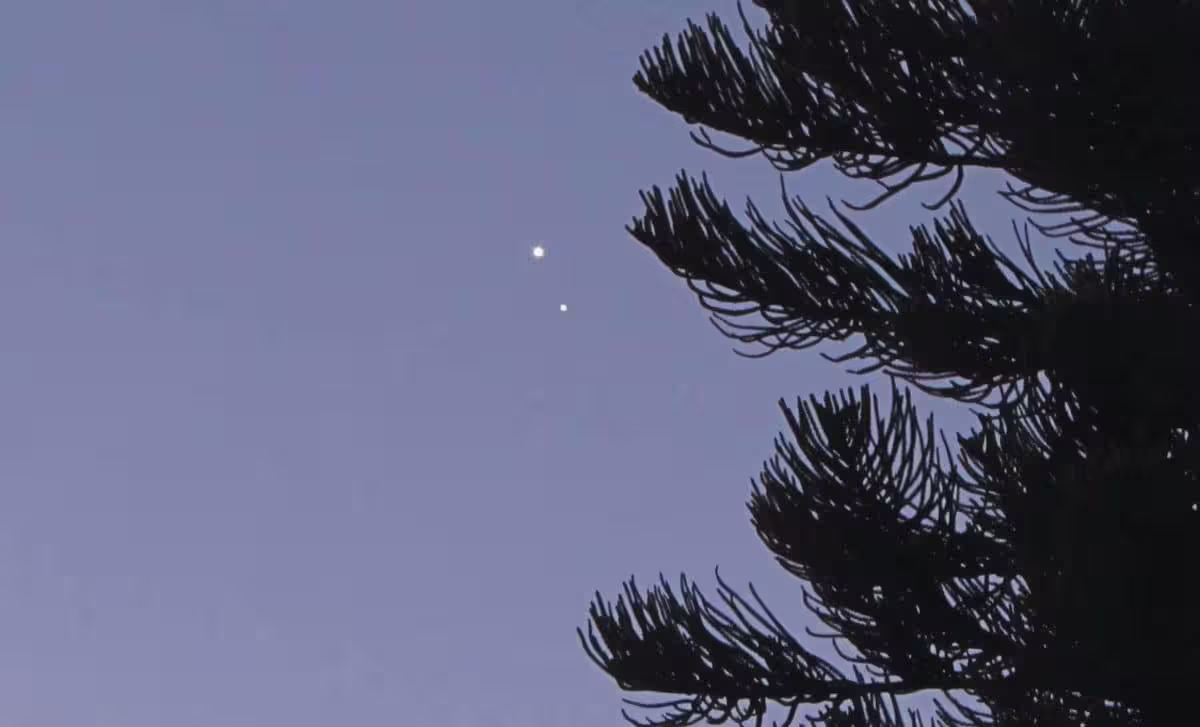
While this conjunction is purely visual—the planets remain hundreds of millions of miles apart—it provides an excellent opportunity to compare the distinct characteristics of the two planets without the need for specialized equipment.
Navigating the Morning Twilight
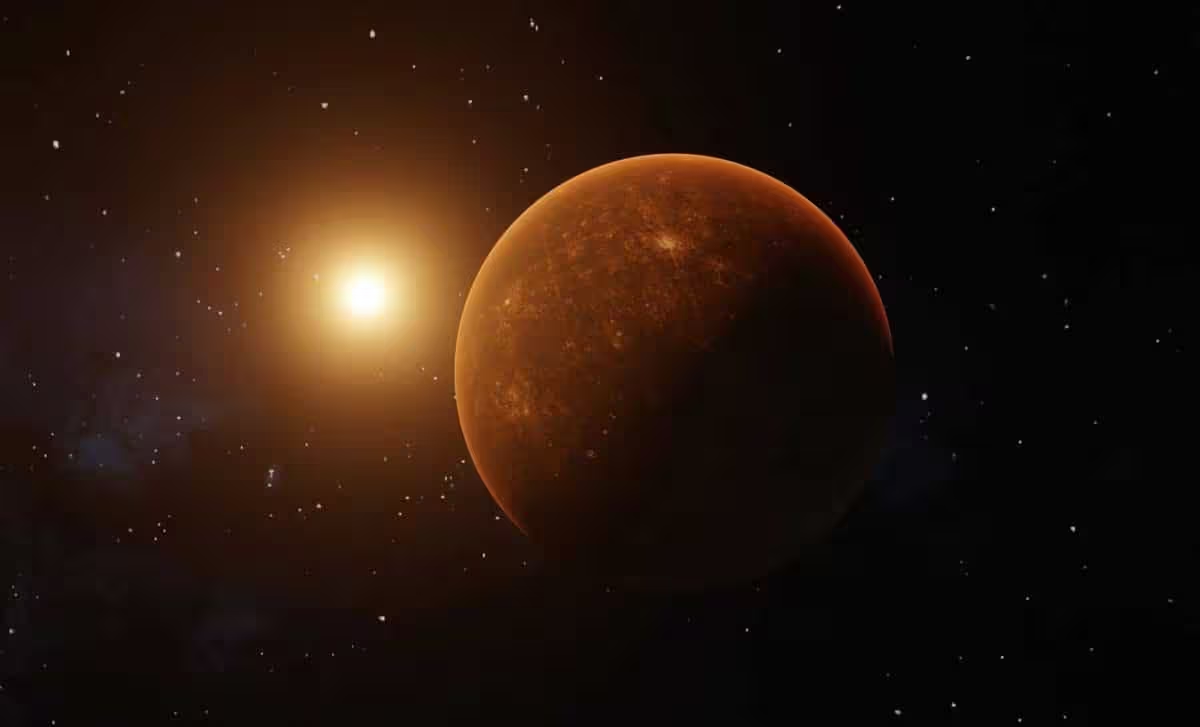
The challenge for observers will be the lower two members of the group: Venus and Mercury. Venus, which moves into the morning sky in early November, will be impossible to miss due to its brilliance. Mercury, however, will be much lower and fainter. Finding it will require a clear, unobstructed view of the southeastern horizon, as even minor hills or trees could obscure the small, elusive planet during the brief window before the Sun rises.
How to Catch the Display
To witness the full alignment, set your alarm for roughly 45 to 60 minutes before local sunrise. Face the southeast and begin by locating the brighter, higher objects, Jupiter and Mars, before scanning down toward the horizon to pick out Venus and Mercury. While the human eye is sufficient, binoculars can assist in identifying the fainter planets, provided they are used with extreme caution.
As a final safety reminder, never use optical instruments to scan the horizon once the Sun begins to crest. Even a brief glance through binoculars or a telescope directed toward the rising Sun can cause permanent eye damage. Stop all observations well before the Sun breaks the horizon to ensure a safe and memorable experience.
This article has been fact checked for accuracy, with information verified against reputable sources. Learn more about us and our editorial process.
Last reviewed on .
Article history
- Latest version
Reference(s)
- Todd, Iain. “The next planet alignment is coming. How to see the Solar System worlds stretching across the sky this autumn.”, October 14, 2026 BBC Sky at Night Magazine <https://www.skyatnightmagazine.com/news/planet-alignment-november-december-2026?utm_source=chatgpt.com>.
Cite this page:
- Posted by Aisha Ahmed