James Webb Telescope Detects Mysterious Repeating Signal From Empty Space
A mysterious signal detected by the James Webb Space Telescope in a well-studied patch of sky is forcing astronomers to rethink what they know.
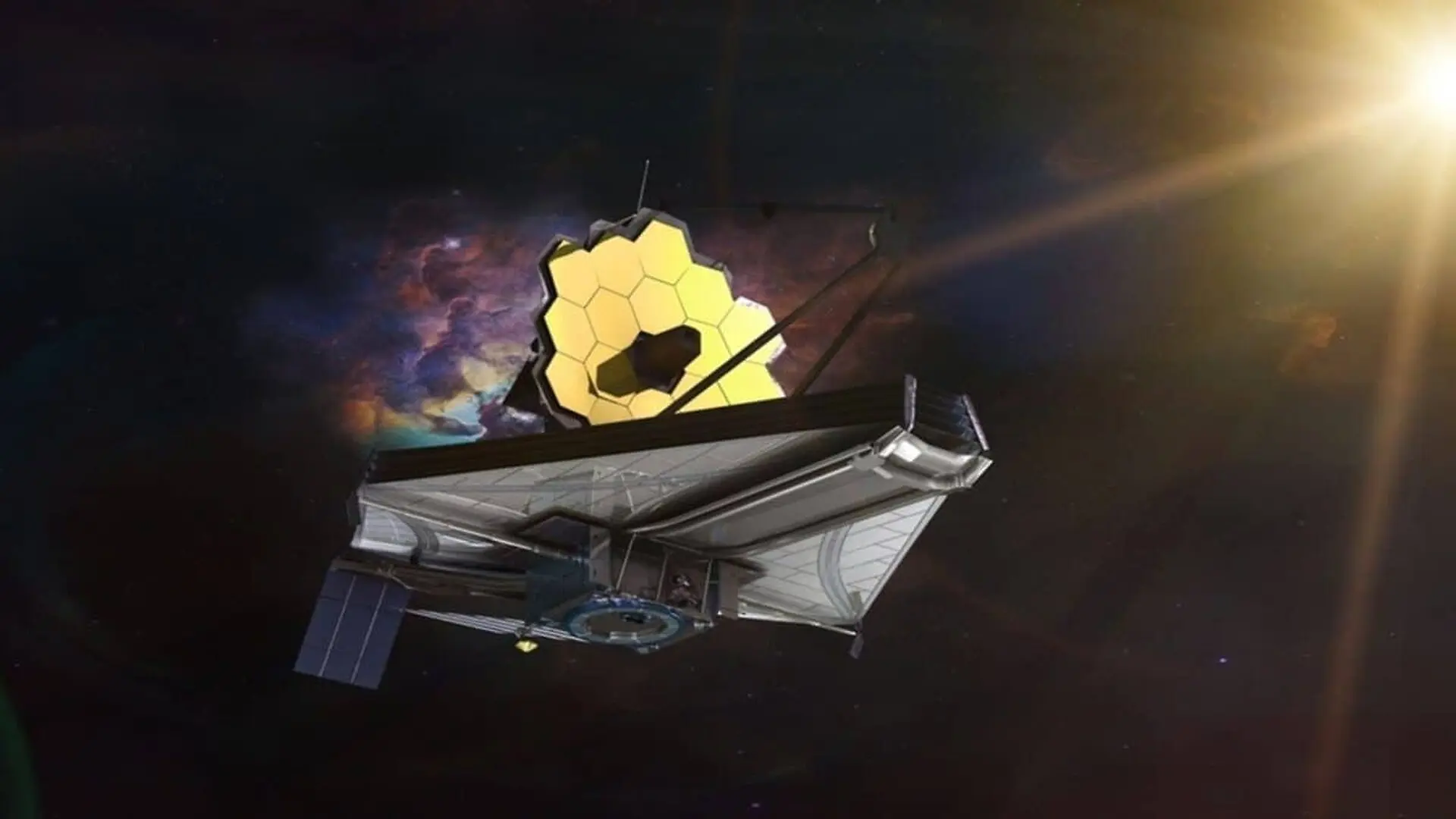
The James Webb Space Telescope (JWST) has identified a transient, unexplained infrared signal emanating from a region of space that has been one of the most thoroughly scrutinized targets in astronomy: the Hubble Ultra Deep Field. The signal, which appeared twice separated by an 88-day interval, remains an enigma to researchers who have yet to find a corresponding object in previous deep-space imaging data.
Located in the constellation Fornax, the Hubble Ultra Deep Field is a small, carefully mapped patch of the cosmos. Over the course of more than 270 hours of observation, the Hubble Space Telescope revealed a complex field containing nearly 10,000 distinct galaxies. When the JWST turned its advanced suite of infrared instruments toward this familiar territory, the goal was to peer deeper into the cosmic history that Hubble could not capture. A study published in The Astrophysical Journal in 2026 highlights the results of this survey, though one particular detection has defied conventional explanation.
A Novel Approach to Deep-Sky Surveys
The research team, spearheaded by University of Minnesota astrophysicist Mason Huberty, utilized a different methodology to parse the data. Rather than targeting known galaxies, the team employed the JWST’s Near-Infrared Spectrograph (NIRSpec) to perform blind spectroscopy. By leveraging a technique known as Multiobject Coronagraphy for Slitless Spectroscopy (MOCSS), the scientists were able to open nearly all the instrument’s micro-shutters, masking only the brightest foreground objects to allow for the detection of subtle emission lines from unknown sources.
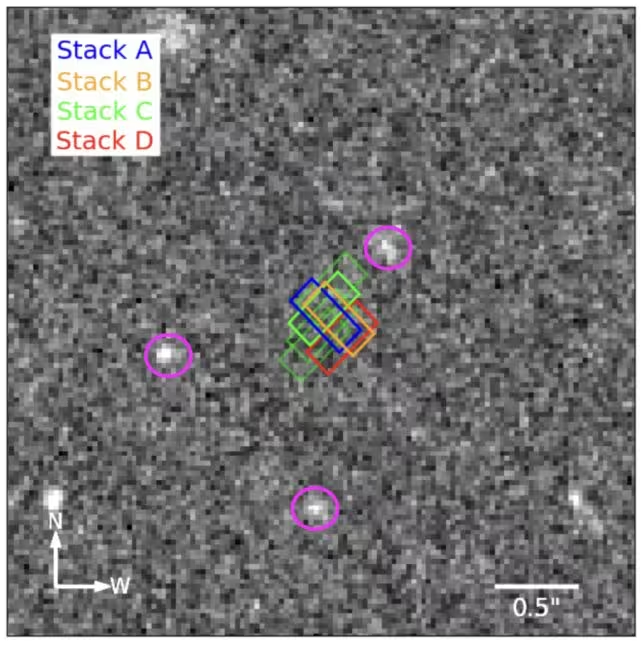
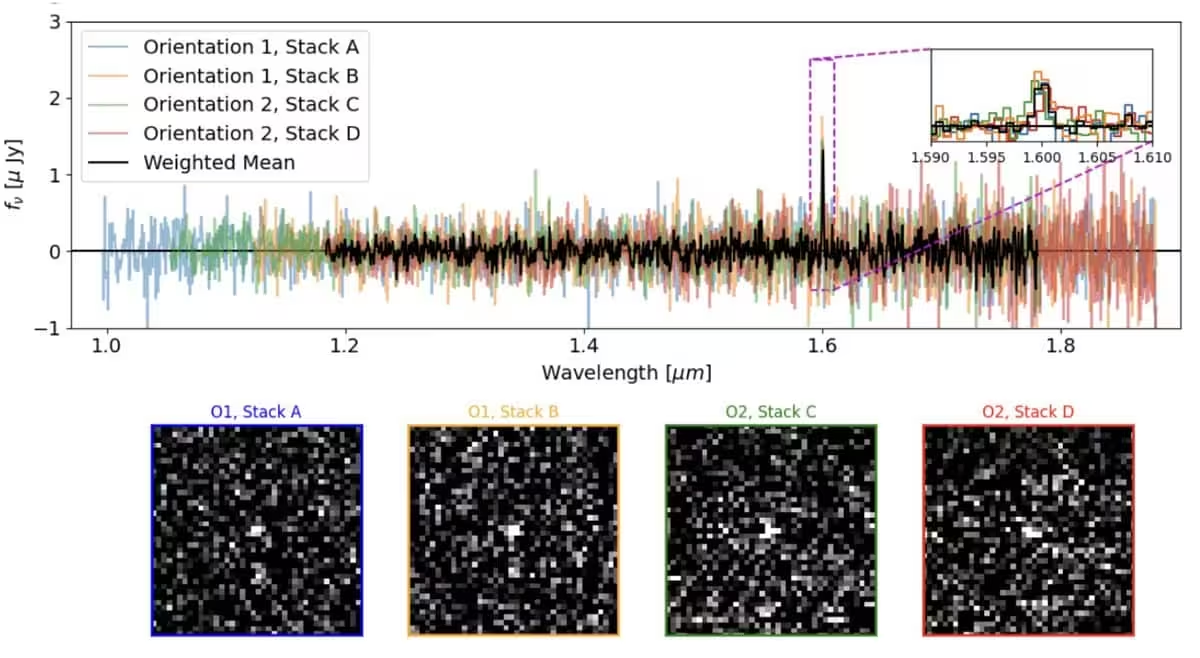
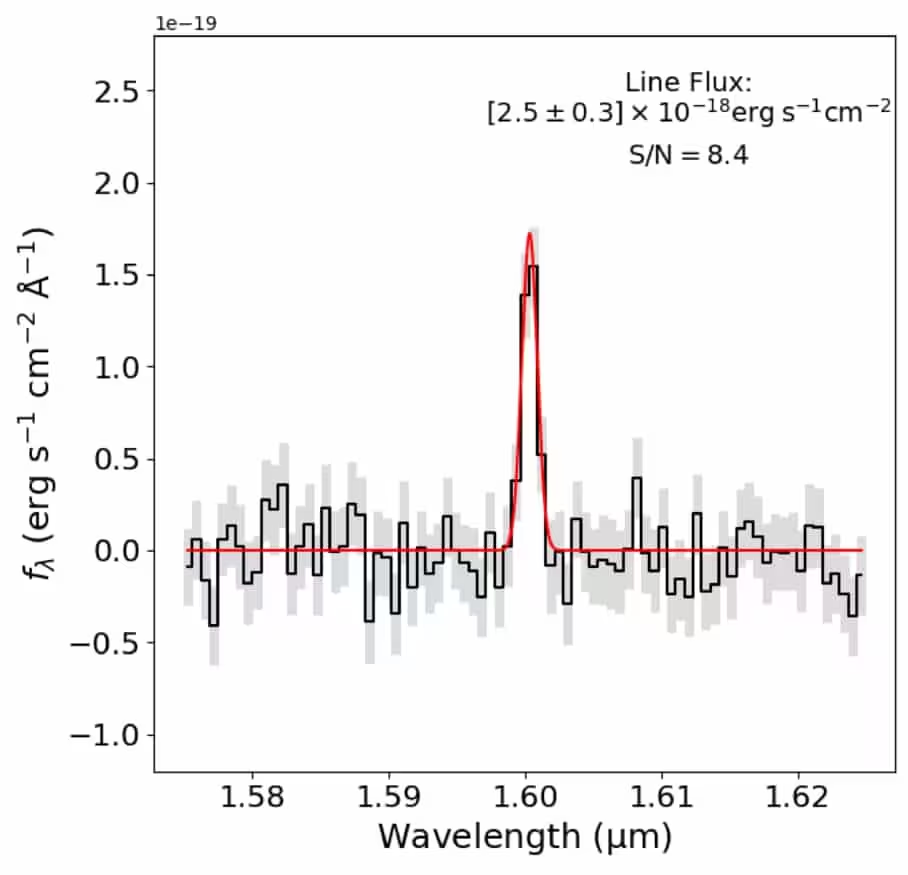
Observations conducted in August and November 2023 yielded seven distinct detections. Six were identified as known galaxies, but the seventh presented an anomaly: a solitary, bright emission line at 1.6 micrometers. Crucially, the signal appeared in multiple sets of exposures across different viewing angles, effectively ruling out common instrumental artifacts or technical glitches.
An Elusive Phenomenon
The mystery deepened when the team compared their findings against data from the JWST Advanced Deep Extragalactic Survey (JADES), which examined the same area in October 2022. Despite the 1.6-micrometer emission being well within the sensitivity range of the JADES survey, no signal was present at that time. This suggests the source is either highly transient or underwent a sudden, significant increase in luminosity.
Because the detection consists of only a single spectral line, pinpointing the distance of the source is currently impossible. Without secondary emission lines to serve as a reference, astronomers cannot determine the redshift, leaving the object’s true nature and location open to debate.
Evaluating Potential Cosmic Origins
The research team has proposed four theoretical explanations, though each faces significant hurdles:
- Early Universe Galaxy: While the signal could originate from a distant galaxy, the presence of neutral hydrogen during that epoch should have attenuated such an emission, and the lack of detection in 2022 remains difficult to reconcile.
- Nearby Galaxy: A more local galaxy would typically display a broader spectrum of light, yet no other emissions were captured at the site.
- Supernova: The appearance of a transient light source is consistent with a stellar explosion, but the absence of expected accompanying spectral lines makes this an incomplete explanation.
- Tidal Disruption Event: The destruction of a star by a black hole could potentially produce isolated, high-intensity emissions, but the data remains insufficient to confirm this hypothesis.
Ultimately, the researchers maintain that further spectroscopic investigation is required. They advocate for deeper, more sensitive observations that could potentially expose additional emission lines, finally clarifying the nature of this source and its distance from Earth.
This article has been fact checked for accuracy, with information verified against reputable sources. Learn more about us and our editorial process.
Last reviewed on .
Article history
- Latest version
Reference(s)
- <https://cse.umn.edu/physics/mason-huberty>.
- Huberty, Mason. “MOCSS: Multi-Object Coronagraphy for JWST/NIRSpec Slitless Spectroscopy.” arXiv.org <https://arxiv.org/abs/2609.36003>.
- McCoy, Marty. “JWST Advanced Deep Extragalactic Survey (JADES) - NASA Science.”, December 9, 2022 NASA <https://science.nasa.gov/asset/webb/jwst-advanced-deep-extragalactic-survey-jades/>.
Cite this page:
- Posted by Aisha Ahmed