China Is Building the World’s Largest Astronomy Base on Saishiteng Mountain
China’s Saishiteng Mountain to host telescopes outshining Hawaii’s by 2035 in light-gathering power
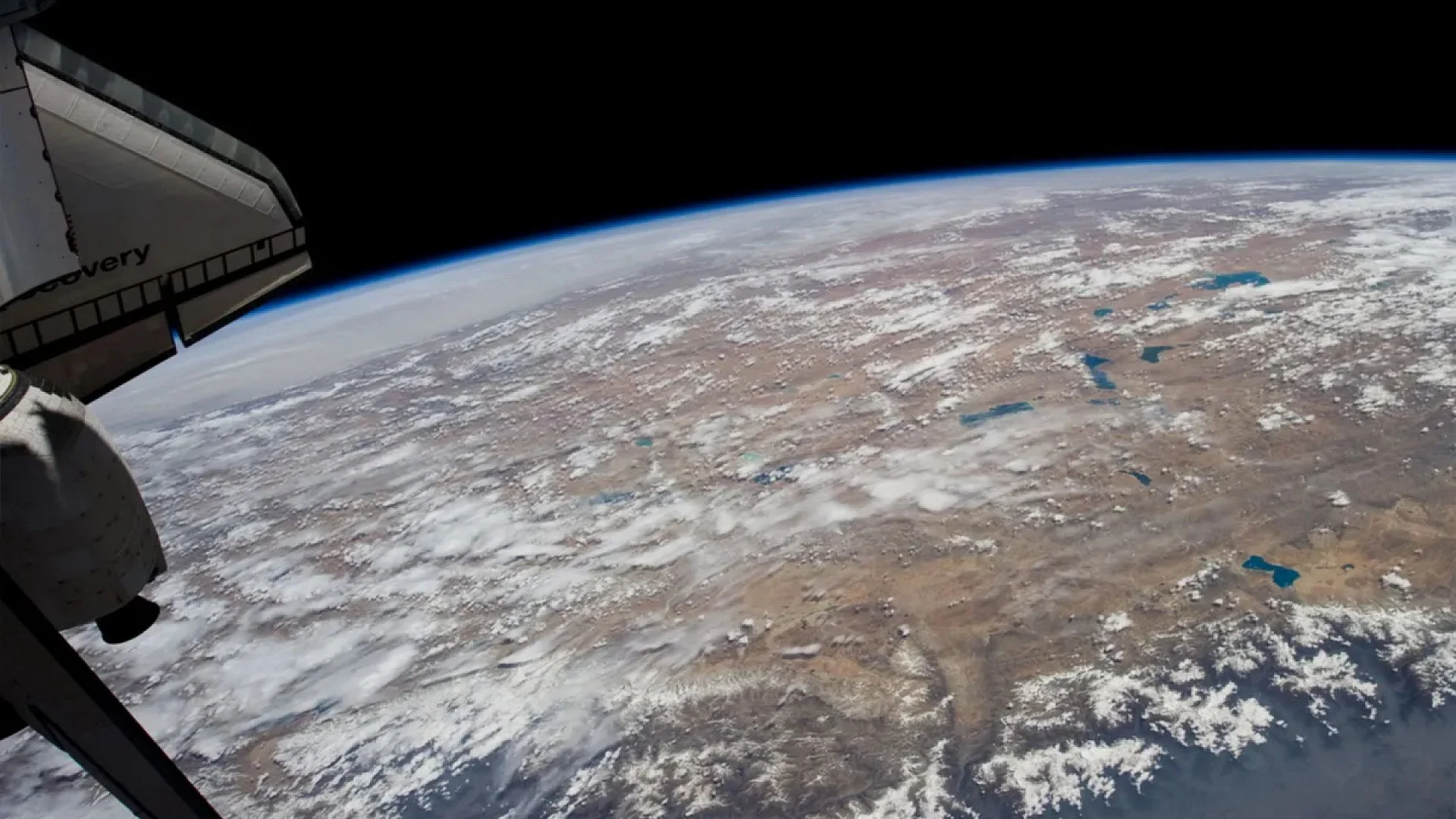
China is converting the isolated Saishiteng Mountain in Qinghai into an international astronomy centre, planning a suite of optical telescopes that may outshine the facilities on Hawaii’s Mauna Kea. SCMP reports that researchers expect the development to place China at the forefront of deep‑sky studies by the mid‑2030s.
A High‑Altitude Site Ideal for Stargazing
Perched on the Tibetan plateau, Saishiteng combines lofty elevation, arid weather and virtually no artificial light, creating conditions that rival those of the celebrated Mauna Kea observatory. The region’s clear skies dominate much of the year, offering prolonged periods for probing distant galaxies, stars and other celestial objects. Scientists are exploiting these attributes to build a new generation of optical instruments that could reshape China’s astronomical reach.
China Announces a Massive Telescope Array
The National Astronomical Observatories of China (NAOC) intends to install telescopes ranging from 6.5 meters to 14.5 meters in aperture, alongside a host of smaller devices. The emphasis is on both size and precision, enabling the capture of faint cosmic signals with unmatched detail. Deng Licai, NAOC’s lead site‑planning scientist, explained, “Their collective light‑gathering power is expected to surpass [that of the telescopes] on Hawaii’s Mauna Kea peak,” underscoring the project’s transformative ambition.
Tackling the Engineering Hurdles of the Plateau
Constructing observatories at such altitude brings a suite of technical obstacles, from thin air and sub‑zero temperatures to the logistical difficulty of reaching a remote site on the Tibetan plateau. To meet these challenges, engineers are deploying advanced cooling mechanisms, vibration‑isolating mounts and adaptive‑optics systems. Extensive power, data‑transfer and maintenance infrastructure are also being laid out, indicating a long‑term commitment that extends far beyond the initial build.
Scientific Horizons and Global Partnerships
When fully operational, the Saishiteng facilities could drive breakthroughs across a spectrum of research areas, including exoplanet detection, stellar life‑cycle studies, dark‑matter mapping and deep‑space surveys. The unprecedented observational capacity may prompt revisions to existing cosmological theories and attract worldwide collaboration as astronomers seek access to the new capabilities. SCMP notes that the site could become a pivotal counterpart to other major observatories worldwide.

Photo: Handout/ SCMP
Roadmap to Completion
Construction is progressing, with the full suite of telescopes slated for deployment by the mid‑2030s. The venture reflects China’s strategic push to boost its stature in global astronomy, fostering not only scientific discovery but also technological innovation, training of new researchers and heightened public interest in space science.
This article has been fact checked for accuracy, with information verified against reputable sources. Learn more about us and our editorial process.
Last reviewed on .
Article history
- Latest version
Cite this page:
- Posted by Aisha Ahmed