New Study Reveals Worrying Long Term Heart Damage From Simulated Space Radiation
New research in rats reveals that simulated spaceflight causes heart scarring and immune issues, raising concerns for the future of human Mars missions.
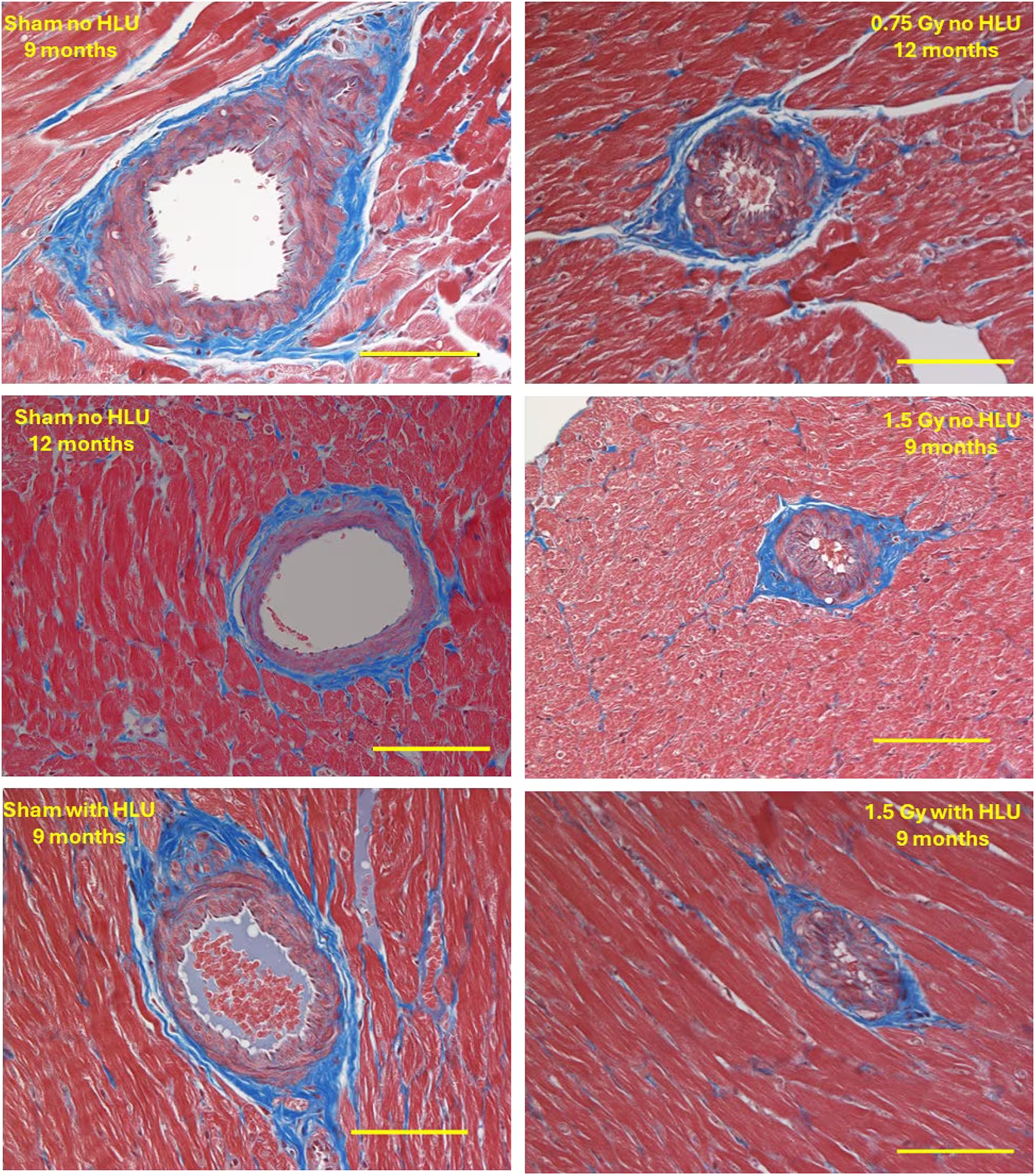
New research conducted on Earth-bound models suggests that the long-term biological consequences of deep-space travel may be more persistent than previously understood, particularly regarding cardiovascular health. A team led by the Medical College of Wisconsin (MCW) discovered that exposure to simulated cosmic radiation left lasting physical changes in heart tissue, specifically a significant accumulation of collagen around coronary blood vessels, which remained detectable nearly a year after the initial exposure.
The study, published in PLoS One, utilized a specialized rat model to investigate how the unique environment of space—characterized by radiation and microgravity—impacts various biological systems. By observing the subjects for up to 360 days post-exposure, researchers were able to identify signs of perivascular cardiac fibrosis, a condition involving the buildup of connective tissue that can impair vascular function.
Simulating the Harsh Realities of Deep Space
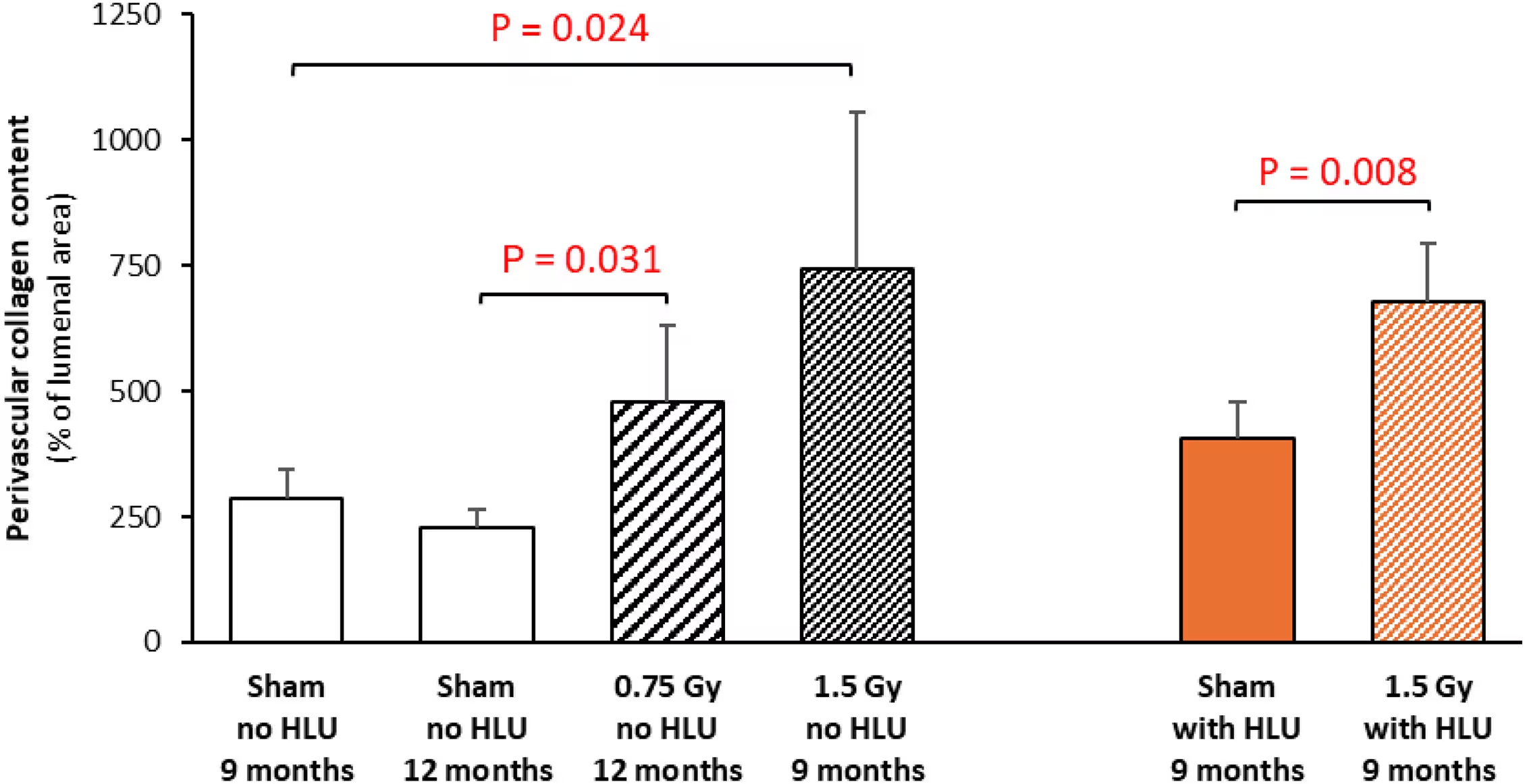
To replicate the stressors of a multi-year mission to Mars, investigators used 72 male rats, a strain known for its sensitivity to radiation-induced cardiac injury. At NASA’s Space Radiation Laboratory, the team employed a multi-beam ion delivery system designed to mirror the complex radiation environment encountered beyond Earth’s protective magnetic field. While the dosage was compressed into a short window, researchers noted that a 0.75 gray dose was intended to represent the cumulative radiation typical of a three-year exploration mission.
In addition to radiation, the team modeled the effects of microgravity through hindlimb unloading—a technique where rats are suspended to simulate the fluid shifts and altered loading conditions experienced by astronauts in space. The study sought to determine whether combining these stressors would produce a synergistic “compounding” effect on health.
Lasting Cardiovascular and Immune Impacts
The results provided a nuanced view of how the body reacts to these stressors. While radiation alone proved sufficient to double the collagen deposition around heart vessels, the addition of hindlimb unloading did not necessarily exacerbate this specific form of scarring. This finding challenges the prevailing assumption that multiple spaceflight factors will always result in a linear increase in tissue damage.
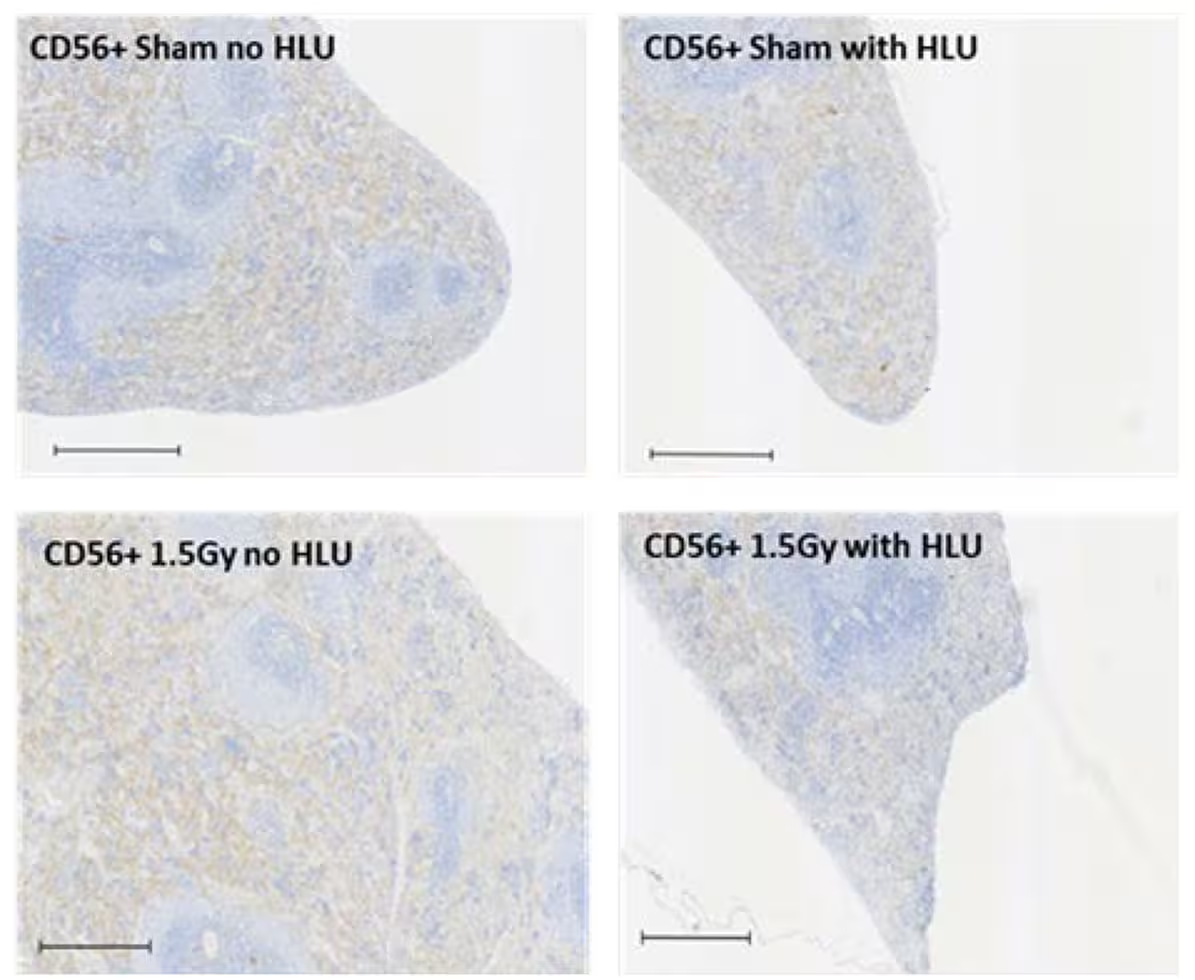
However, the immune system appeared to react quite differently. Longitudinal analysis revealed that simulated weightlessness significantly altered the expression of dozens of cytokines, the signaling proteins essential for inflammation and immune response. These shifts, which included changes in circulating immune-cell populations, suggest that the recovery process following exposure to microgravity is far from straightforward.
Exploratory Genomic Clues
The research also touched upon the controversial topic of clonal hematopoiesis—the expansion of specific blood-cell lineages that has been linked to cardiovascular disease and certain cancers. By sequencing DNA from a small cohort of subjects, the team identified gene variants that appeared exclusively in the irradiated group. While these findings remain preliminary and require much larger studies to confirm, they provide a potential roadmap for future human health monitoring in deep space.
Lead researcher John Baker emphasized that the role of time in these outcomes was perhaps the most striking observation. The fact that damage remained evident long after the simulated mission concluded underscores the necessity for long-term health surveillance for astronauts returning from extended missions.
Limitations and Future Directions
The study, which also included researchers from Lawrence Berkeley National Laboratory and Wake Forest School of Medicine, contains inherent limitations. The compressed nature of the radiation delivery cannot fully emulate the chronic, low-dose exposure astronauts would actually face. Furthermore, the findings are based on a single rat strain, meaning the results must be verified across a wider array of biological models and both sexes before they can be directly applied to human mission safety.
Despite these caveats, the research serves as a critical call to action for the space medicine community. By shifting the focus toward delayed, long-term effects, the study provides a new lens through which to evaluate the hidden costs of venturing into the deep solar system.
Further Reading on Space Radiobiology
- Clonal Hematopoiesis and Risk of Atherosclerotic Cardiovascular Disease (NEJM)
- The NASA Twins Study: A multidimensional analysis of a year-long human spaceflight (Science)
- NASA’s first ground-based Galactic Cosmic Ray Simulator: Enabling a new era in space radiobiology research (PLOS Biology)
- Retrospective analysis of somatic mutations and clonal hematopoiesis in astronauts (Communications Biology)
- Biological effects of high-LET irradiation on the circulatory system (International Journal of Radiation Biology)
This article has been fact checked for accuracy, with information verified against reputable sources. Learn more about us and our editorial process.
Last reviewed on .
Article history
- Latest version
Reference(s)
- “Home | Medical College of Wisconsin.” <https://www.mcw.edu/>.
- Lenarczyk, Marek. “Multiple simulated spaceflight stressors impact cardiac fibrosis, calcium dynamics, immune function, cytokines and gene variants in rat, Rattus norvegicus.”, vol. 21, no. 9, pp. e0357485, doi: 10.1371/journal.pone.0357485. <https://journals.plos.org/plosone/article?id=10.1371/journal.pone.0357485>.
- “BNL | NASA Space Radiation Laboratory | Home.” <https://www.bnl.gov/nsrl/>.
- “Berkeley Lab | Delivering Science Solutions for the World.”, May 13, 2022 Lawrence Berkeley National Laboratory <https://www.lbl.gov/>.
- <https://school.wakehealth.edu/>.
- Jaiswal, Siddhartha., et al. “Clonal Hematopoiesis and Risk of Atherosclerotic Cardiovascular Disease.” New England Journal of Medicine, vol. 377, no. 2, July 13, 2017, pp. 111-121. Massachusetts Medical Society, doi: 10.1056/NEJMoa1701719. <https://www.nejm.org/doi/full/10.1056/NEJMoa1701719>.
- Garrett-Bakelman, Francine E.., et al. “The NASA Twins Study: A multidimensional analysis of a year-long human spaceflight.” Science, vol. 364, no. 6436, April 12, 2019 American Association for the Advancement of Science (AAAS), doi: 10.1126/science.aau8650. <https://www.science.org/doi/10.1126/science.aau8650>.
- Simonsen, Lisa. “NASA’s first ground-based Galactic Cosmic Ray Simulator: Enabling a new era in space radiobiology research.”, vol. 18, no. 5, pp. e3000669, doi: 10.1371/journal.pbio.3000669. <https://journals.plos.org/plosbiology/article?id=10.1371/journal.pbio.3000669>.
- Brojakowska, Agnieszka. “Retrospective analysis of somatic mutations and clonal hematopoiesis in astronauts - Communications Biology.”, vol. 5, no. 1, August 17, 2022, pp. 828 Nature, doi: 10.1038/s42003-022-03777-z. <https://www.nature.com/articles/s42003-022-03777-z>.
- Saigusa, Yumi., et al. “Biological effects of high-LET irradiation on the circulatory system.” International Journal of Radiation Biology, vol. 101, no. 5, March 10, 2025, pp. 429-452. Informa UK Limited, doi: 10.1080/09553002.2025.2470947. <https://www.tandfonline.com/doi/abs/10.1080/09553002.2025.2470947>.
Cite this page:
- Posted by Aisha Ahmed