Newly Discovered Jurassic Predator Was a Flightless Bird With Killer Dinosaur Claws
Scientists in China have discovered a small Jurassic dinosaur that defied evolutionary expectations, possessing predatory traits but a unique lifestyle.
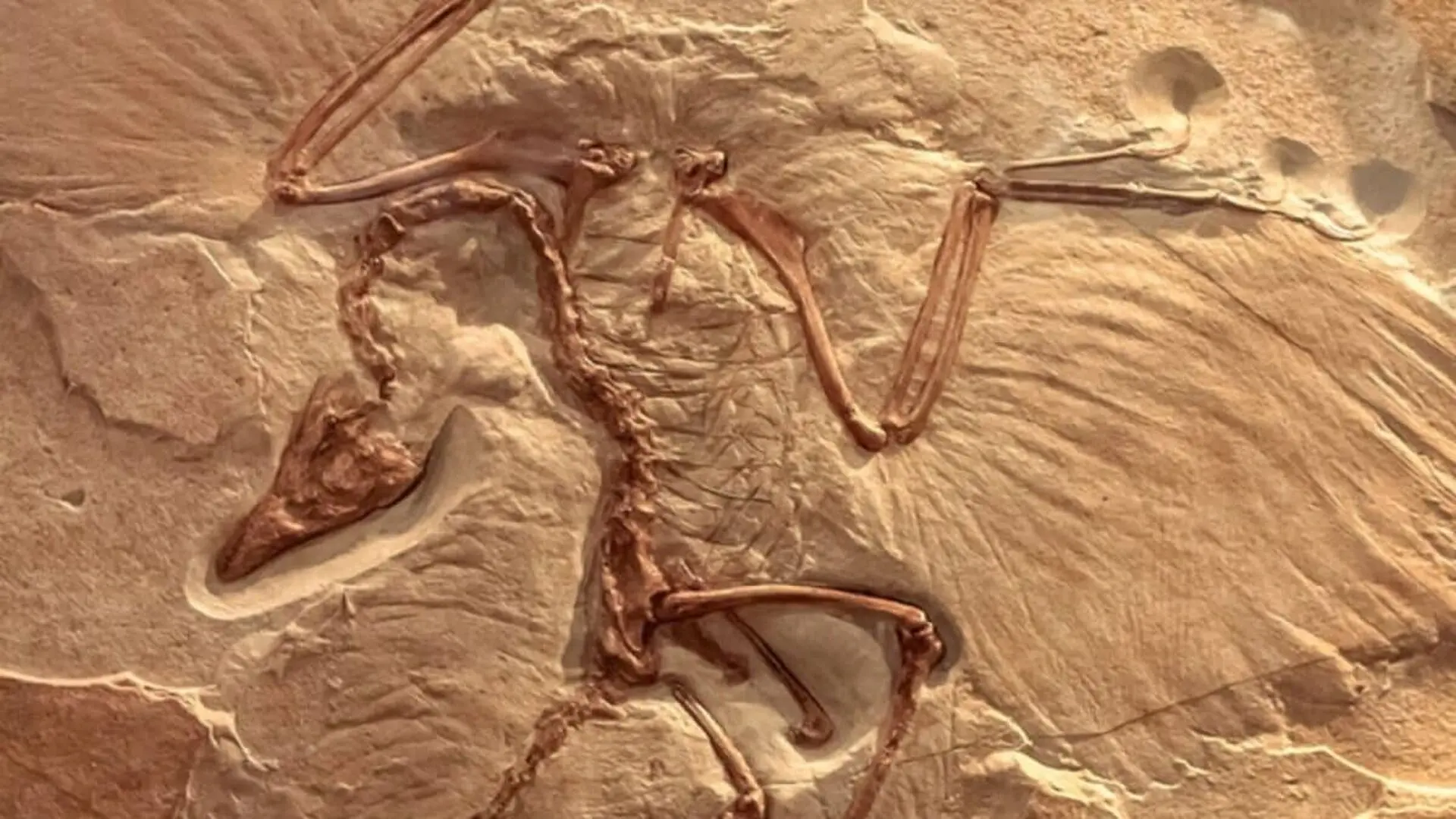
A newly identified species of Jurassic bird, unearthed in southeastern China, is challenging established ideas about the early evolution of flight. Named Yuezhuornis yangyuanensis, this crow-sized creature lived roughly 150 million years ago and suggests that the earliest ancestors of modern birds were far more ecologically diverse than paleontologists previously realized.
The discovery, detailed in a report published in the journal Nature, highlights a specialized predator that occupied a terrestrial niche rather than taking to the skies. While the fossil record for birds between 148 million and 150 million years ago is notoriously sparse, the find provides a crucial look at a period when birds were just beginning to establish themselves in prehistoric ecosystems.
An Apex Predator in Miniature
Researchers from the Chinese Academy of Sciences analyzed the skeletal remains, which indicate a compact, agile animal weighing approximately 1.8 pounds (0.8 kilograms). According to study lead Min Wang, the bird possessed a surprising combination of physical traits. Most notably, it featured hyperextensible, sickle-shaped toe claws remarkably similar to those of Velociraptor, suggesting it was a terrestrial hunter that used its feet to secure prey.
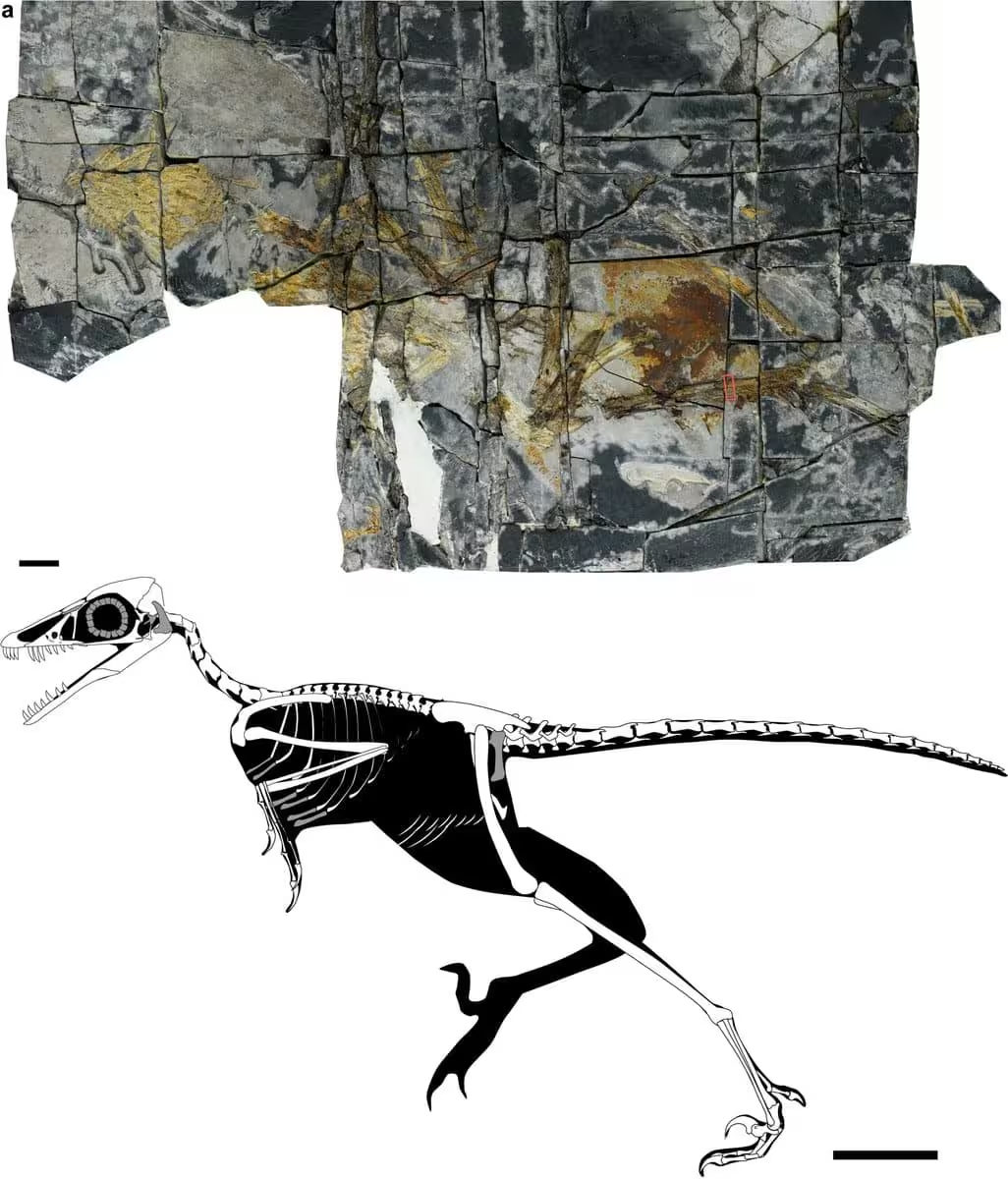
Unlike modern birds, which rely on long, powerful forelimbs to generate lift, Y. yangyuanensis had forelimbs that were roughly one-third shorter than its hind limbs. This morphology, paired with slender teeth and a lightweight skull, points to a predator well-adapted for running rather than soaring. Comparisons with 377 living bird species confirmed that its limb proportions were distinct, lacking any direct modern equivalent in terms of movement style.
Blurring the Lines Between Dinosaur and Bird
The anatomy of Yuezhuornis serves as a prime example of evolutionary transition. While its pelvis and skull structure are clearly avian, its teeth and limb anatomy remain tethered to its dinosaurian heritage. Wang argues that this mosaic of features proves the morphological gap between early dinosaurs and the first birds was significantly smaller than historical models suggested.
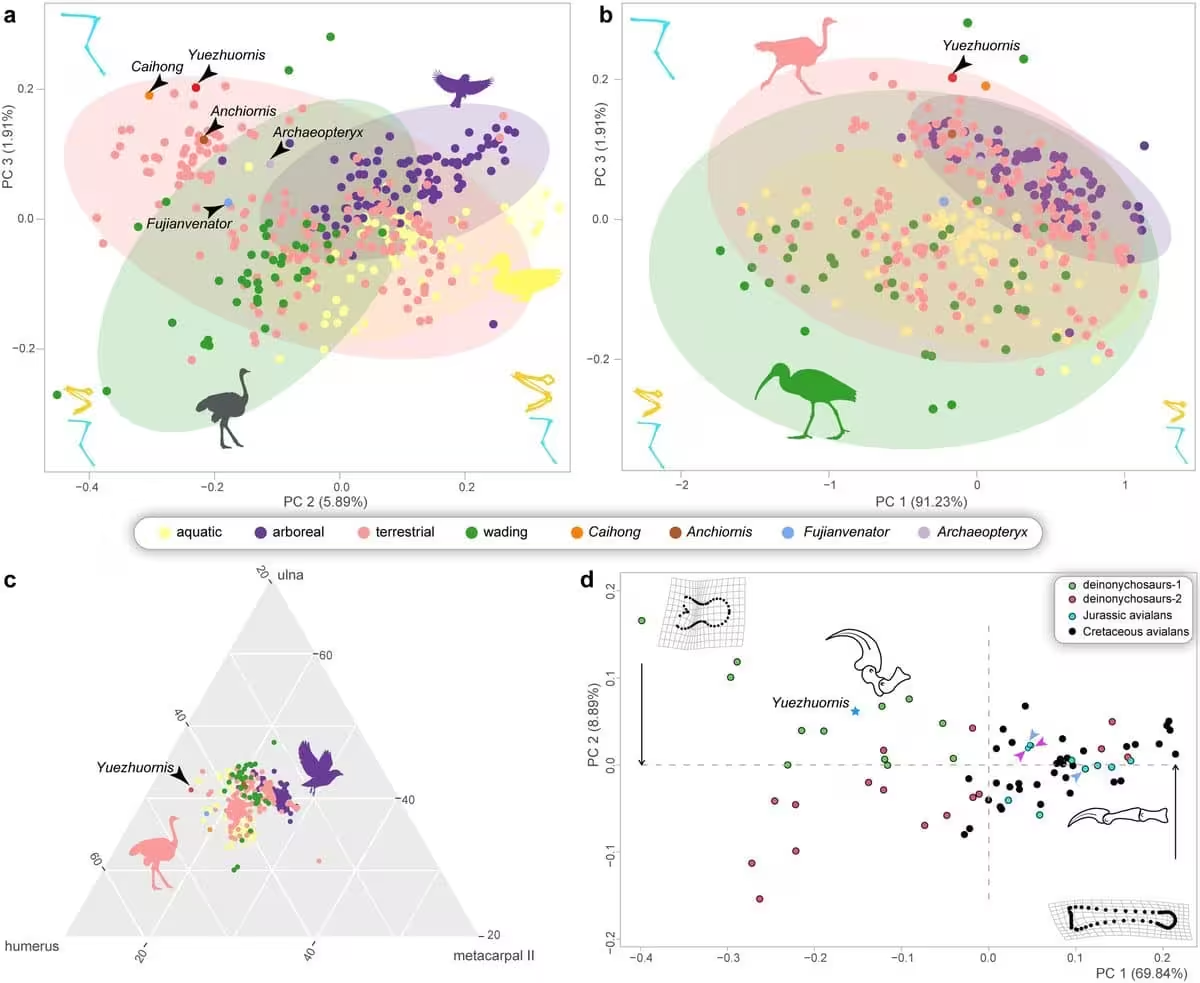
Interestingly, Yuezhuornis appears to be more closely related to modern birds than the famous Archaeopteryx, yet it remained flightless. This suggests that the evolutionary path toward modern birds was not a linear progression toward flight but rather a complex branching of varied body types and behaviors.
Redefining Ancient Flight
The existence of Y. yangyuanensis supports the growing theory that the mechanics of flight were experimented with multiple times across different groups of carnivorous dinosaurs. Paleontologist Fernando Novas, who was not involved in the research, noted that the history of avian evolution is marked by repeated attempts at aerial navigation among disparate groups, including microraptors and scansoriopterygids.
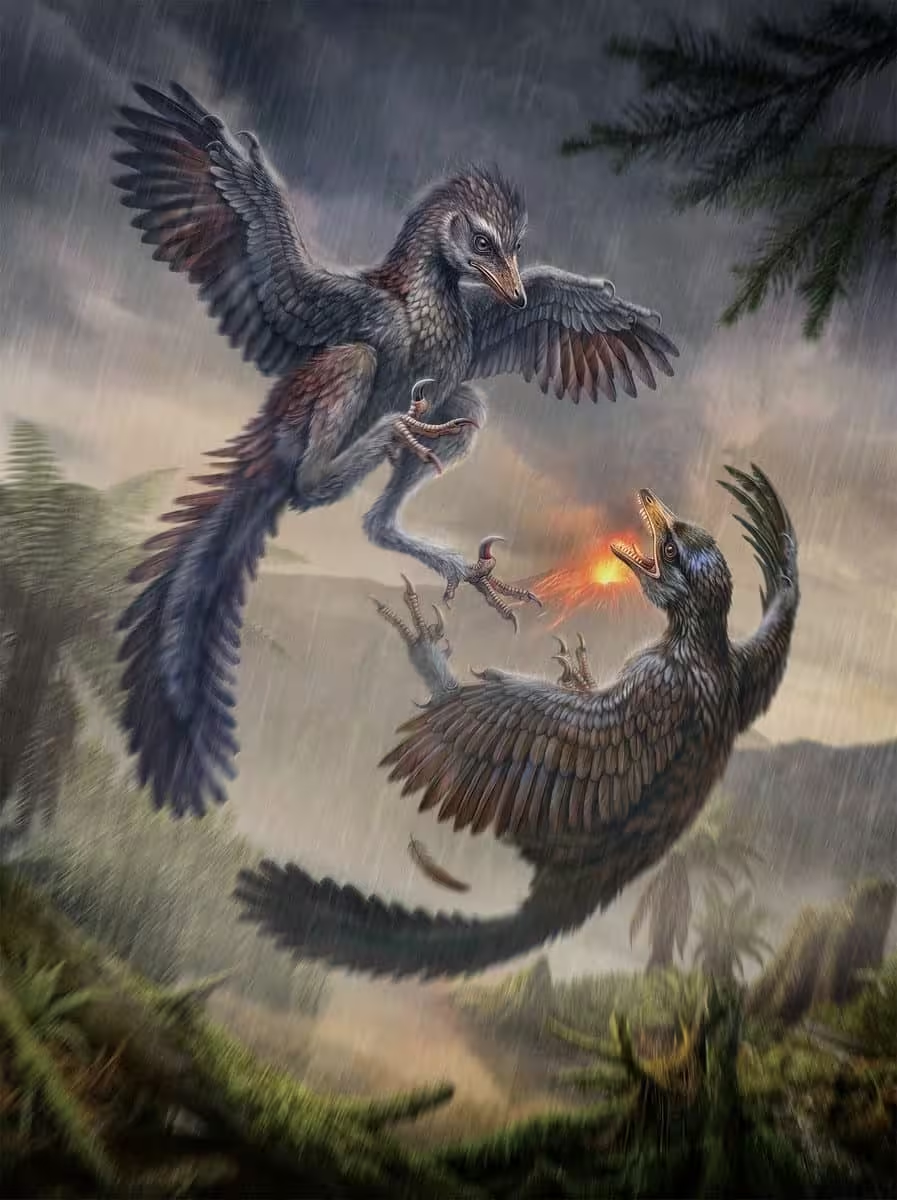
By filling an unconventional ecological niche, Yuezhuornis underscores the breadth of diversity that existed at the dawn of the avian lineage. According to Wang, the discovery serves as a reminder that the transition from ground-dwelling dinosaur to master of the air was characterized by a wide array of experimental physical traits, rather than a single, uniform journey.
This article has been fact checked for accuracy, with information verified against reputable sources. Learn more about us and our editorial process.
Last reviewed on .
Article history
- Latest version
Reference(s)
- Xu, Liming. “Jurassic flightless bird reveals early ecological diversity of avialans - Nature.”, vol. 658, no. 8136, pp. 690-697. Nature, doi: 10.1038/s41586-026-10972-z. <https://www.nature.com/articles/s41586-026-10972-z>.
- “Min Wang--TAN KAH KEE SCIENCE AWARD FOUNDATION.” <https://tsaf.cas.cn/en/hj/qnkxj/year/2024en/202406/t20240625_5022894.html>.
- <https://fundacionazara.org.ar/novas-fernando/>.
Cite this page:
- Posted by Hassan Raza