Volunteer Divers Recover 3,000-Year-Old Bronze Age Sword From South Devon Seabed
Ancient sword recovered from the sea unveils a hidden story spanning millennia, shedding new light on lost history.
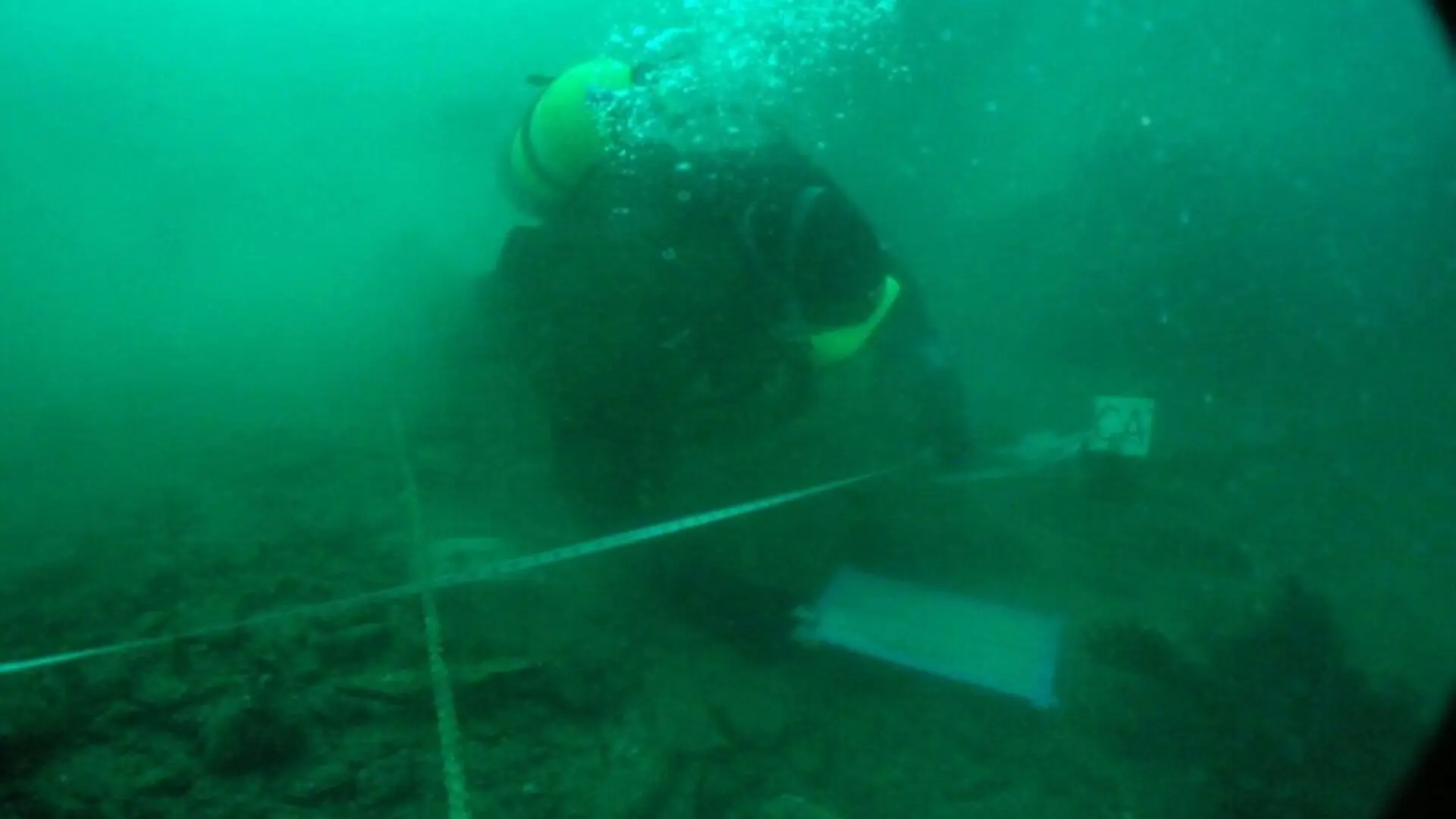
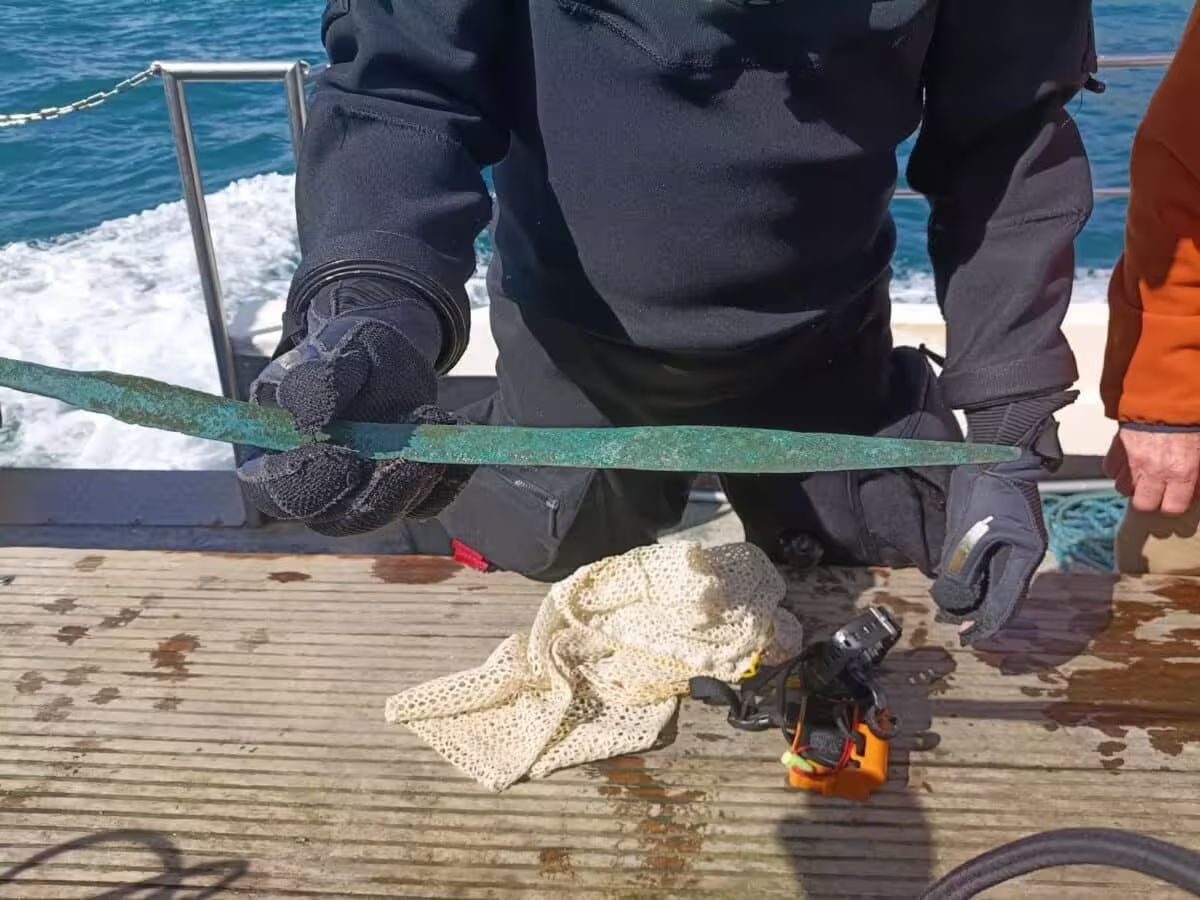
A bronze‑age sword, dating to roughly 1300–800 BC, has been lifted from the waters off south Devon, offering a rare glimpse into Britain’s prehistoric maritime world. The artifact was recovered from the Salcombe Cannon and Moor Sand Protected Wreck Sites during a systematic underwater survey.
Volunteer divers from the South West Maritime Archaeological Group located the blade while carrying out research backed by Historic England. Their discovery adds to a growing inventory of Bronze Age material that makes the Salcombe coastline one of the United Kingdom’s most significant submerged archaeological zones.
A Remarkable Bronze‑Age Weapon Emerges
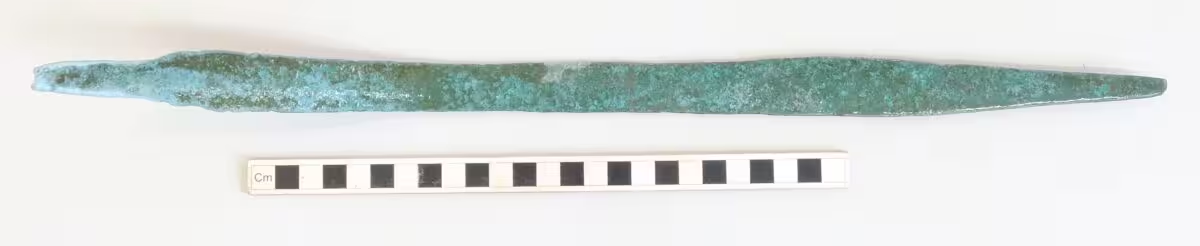
The sword, though scarred by millennia of exposure, remains largely intact and is believed to belong to the Middle or Late Bronze Age. Its presence joins a catalog of earlier finds that includes additional bronze swords, axe heads, a gold bracelet, gold ingots and over 400 gold items thought to be linked to one or two ancient shipwrecks.
For the divers who retrieved it, the moment was unforgettable. Becky Gill described the find as “a child at Christmas does not come close to the excitement of finding this sword.”
“A child at Christmas does not come close to the excitement of finding this sword,” she said after the recovery.
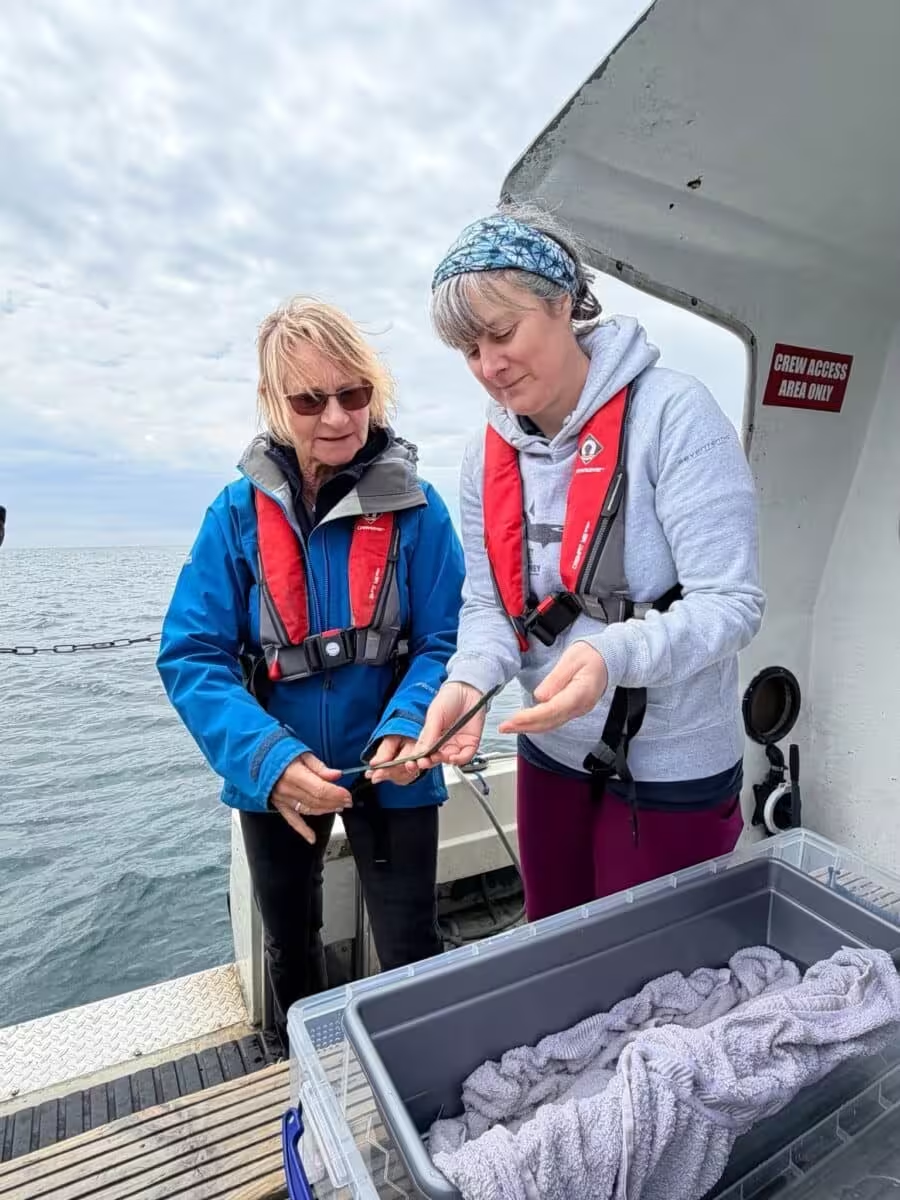
Catherine Gill echoed the sentiment, noting the “amazing thrill” of bringing a three‑thousand‑year‑old weapon to the surface and pondering its maker, its intended user, and the last hands that held it.
“It is an amazing thrill to recover an object from beneath the sea that turns out to be a Bronze Age sword. It makes you wonder who made it, who intended to use it, and who was the last person to hold it before us nearly 3,000 years ago,” she said.
Expert Insight on the Find’s Wider Impact
Neil Wilkin, curator at the British Museum, called the sword “a wonderful and important addition” to the Salcombe narrative, suggesting it could illuminate Bronze Age seafaring, trade routes and patterns of coastal settlement across the English Channel.
The broader collection of artifacts from the Salcombe area—ranging from gold ornaments to weaponry—has already reshaped scholars’ understanding of prehistoric activity along Britain’s shoreline. Each new object, including this sword, adds another layer to a complex maritime network that linked coastal communities across the region.
From Seabed to Museum: Conservation Plans
After surfacing, the sword entered a specialist conservation programme aimed at stabilising the metal after centuries of submersion. Once treatment is complete, the blade will be donated to the British Museum, where it will undergo further scientific analysis before joining the national archaeological collection.
The find underscores the untapped potential of the waters off south Devon. Ongoing investigations at the Salcombe Cannon and Moor Sand Protected Wreck Sites promise to reveal further chapters of Britain’s Bronze Age maritime heritage.
This article has been fact checked for accuracy, with information verified against reputable sources. Learn more about us and our editorial process.
Last reviewed on .
Article history
- Latest version
Reference(s)
- “The Team | SWMAG.” <https://swmag.org/team/>.
- <https://britishmuseum.academia.edu/NeilWilkin>.
- James, Alison. “SWMAG and the Moor Sand and Salcombe Cannon sites.”, June 29, 2020 The Protected Wreck Association <https://protectedwrecks.org.uk/featured/swmag-and-the-moorsands-and-salcombe-cannon-sites/>.
Cite this page:
- Posted by Zara Tariq