Summer 2026 Sky Spectacle: Perseids, Solar Eclipse to Spain, Lunar Eclipse Over Americas
Skywatchers can enjoy multiple meteor showers, a total solar eclipse and a partial lunar eclipse from late July through August.
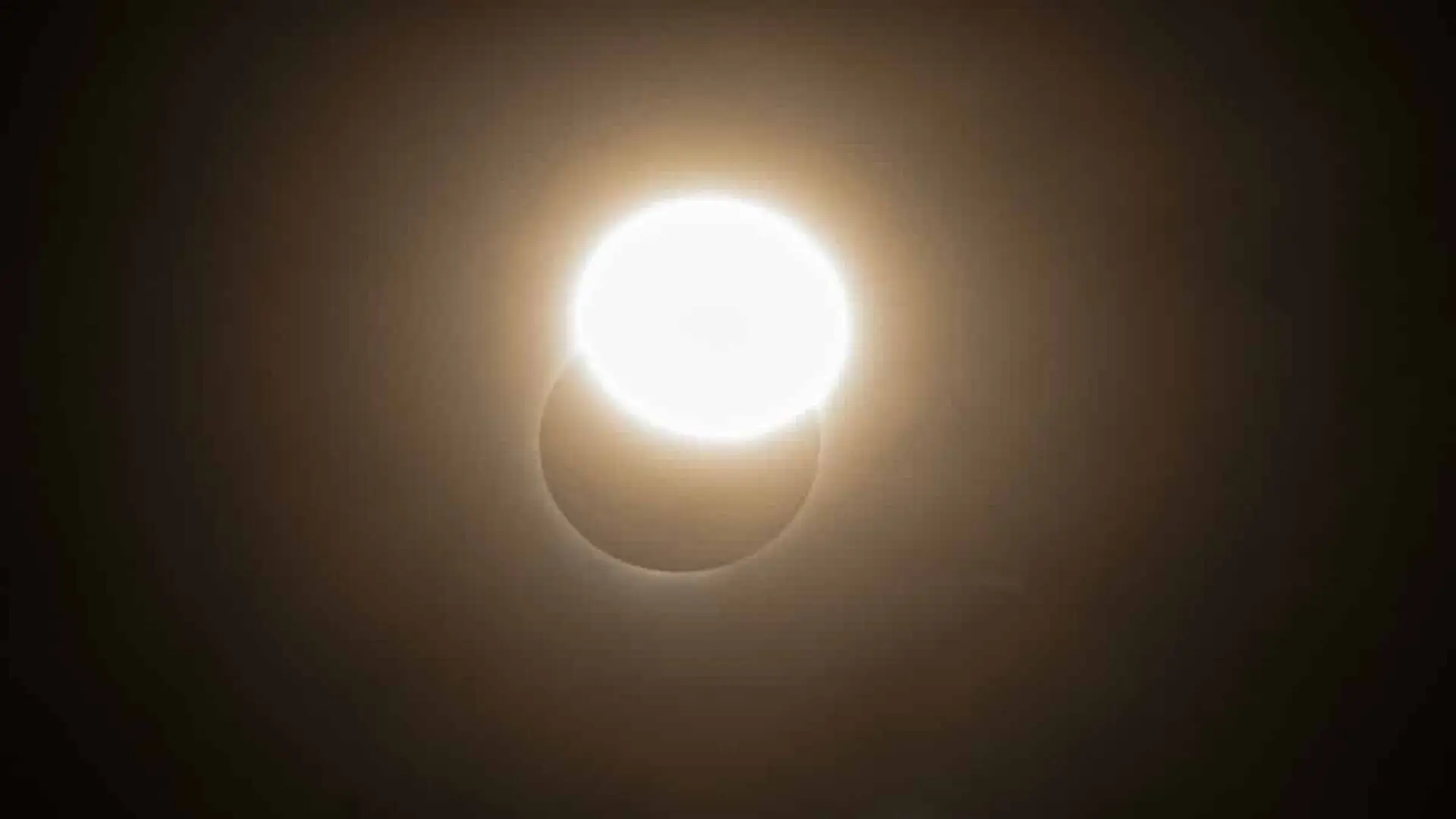
While the night sky always holds some activity, certain periods deliver a spectacular concentration of celestial displays. This summer, a series of meteor streams, a total solar eclipse, and a deep partial lunar eclipse line up, giving observers a chance to plan outings for shooting stars or dramatic eclipses.
Meteor Showers Light Up the Summer Sky
From now until September, meteor activity will be nearly continuous, but the intensity ranges from barely noticeable drifts to bright fireball displays. Early in the season, groups such as the eta‑Eridanids, July Pegasids and kappa‑Cygnids generate only a few meteors per hour, blending into the background Antihelion Source that typically yields a handful of nightly meteors.
A step above that baseline comes the alpha Capricornids, active between early July and mid‑August with a peak around July 31. Unlike a sharp spike, this shower maintains a plateau of activity and is renowned for producing fireballs, so even though the overall rate hovers near five per hour, the visible streaks tend to be exceptionally bright.
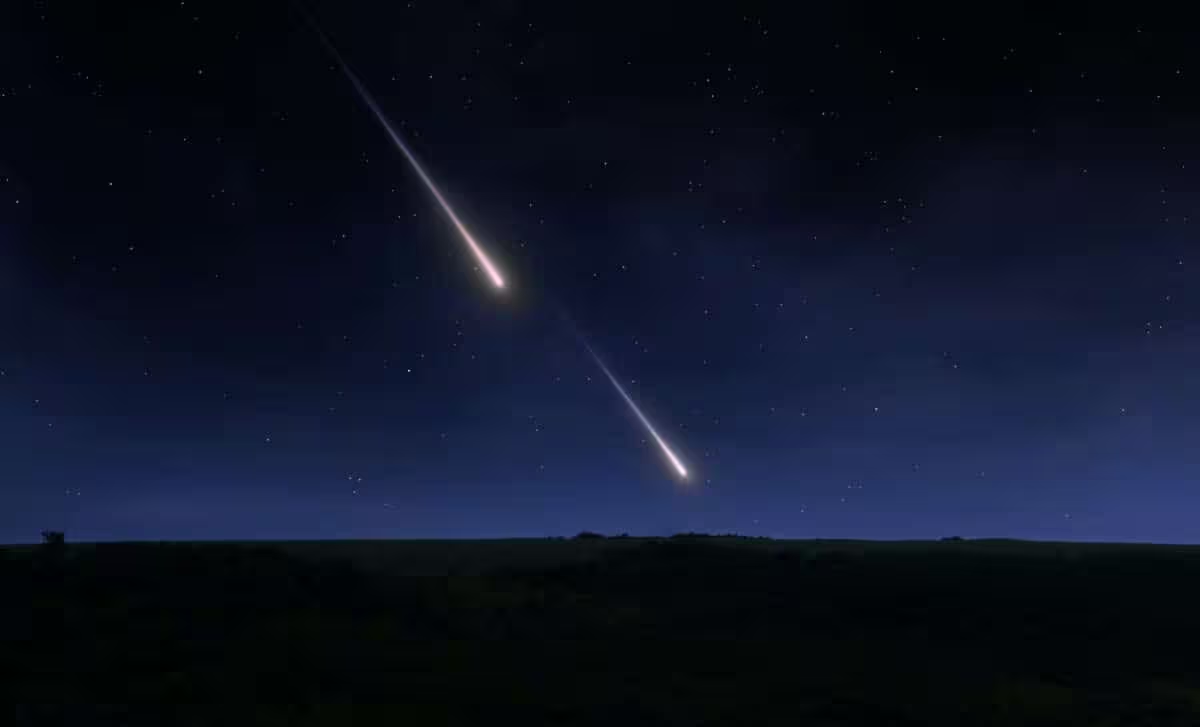
Sharing the July 31 peak, the Southern Delta Aquariids reach roughly 25 meteors per hour at maximum and are best observed from tropical latitudes. Although a full Moon will coincide with the peak, dimmer meteors will be washed out, but the shower’s long window—from mid‑July to late August—provides ample chances to view it away from lunar glare.
The highlight of the season is the Perseids, running from late July through August with a peak on August 12‑13. At its height, the Perseids can produce around 100 meteors per hour, and this year the Moon will be on the far side of Earth during the peak, eliminating moonlight interference and promising a classic meteor display.
August 12 Total Solar Eclipse Sweeps From Siberia to Spain
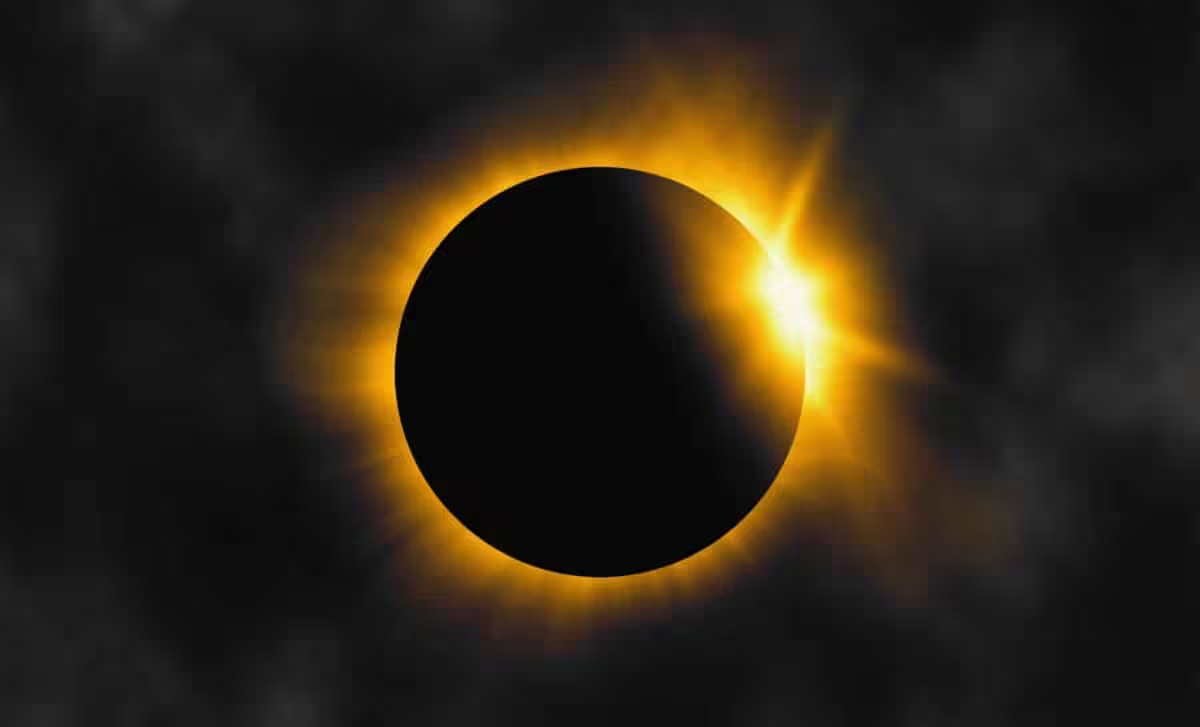
On August 12, a total solar eclipse will travel across the Northern Hemisphere, beginning in northern Siberia, crossing the Arctic, moving over Greenland and Iceland, and concluding over Spain. According to IFLScience, this marks the first total solar eclipse visible from Spain since 1905, making it a historic moment for European skywatchers.
The path of totality spans about 294 kilometers (roughly 183 miles) and offers a maximum duration of 2 minutes 18 seconds at the point of greatest eclipse. Major Spanish cities such as Valencia and Bilbao lie directly within this corridor, while Madrid and Barcelona sit just outside but will still experience a deep partial eclipse. The partial phase will be observable across much of Europe, North Africa, and even parts of North America, where observers will see the Moon nibble the Sun.
Spain will not wait long for another major event: an August 2, 2027 total solar eclipse, projected to be the longest of the current century, will follow this one, giving Spanish observers back‑to‑back opportunities for eclipse viewing.
Late August Partial Lunar Eclipse Shines Over the Americas
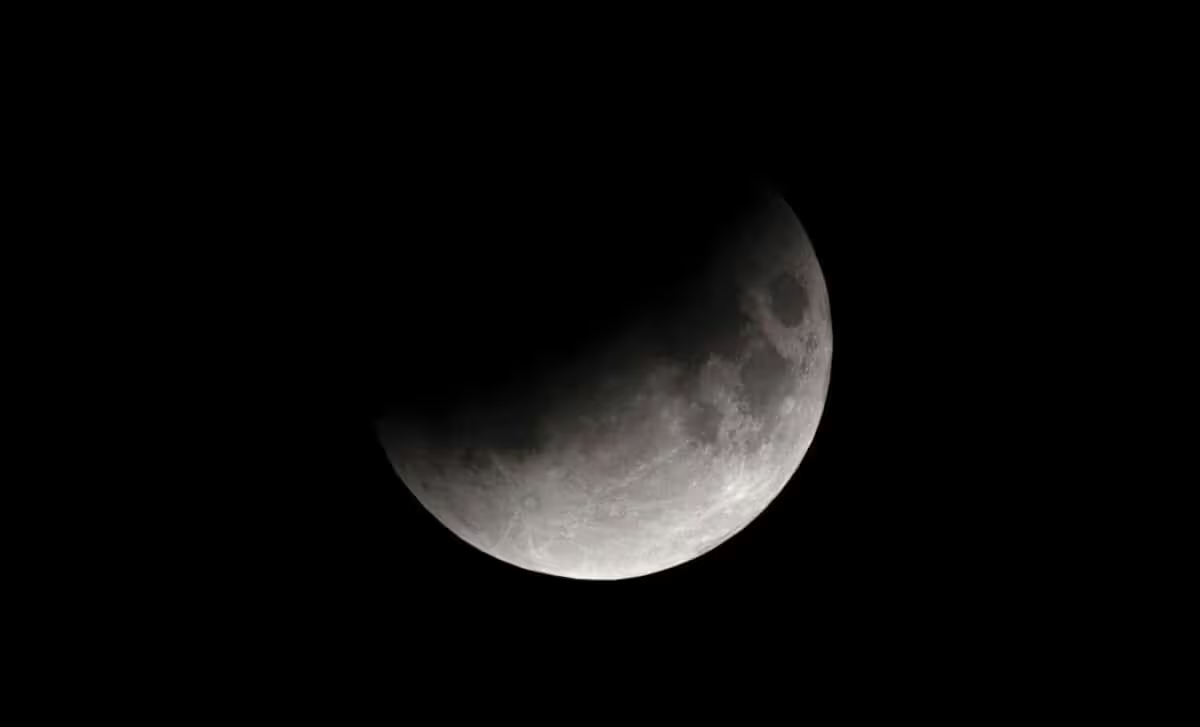
Two weeks after the solar event, the Moon will undergo a deep partial eclipse on August 28. This occurrence will be fully visible across the Americas, while Europe and Africa will catch only a partial view due to the Moon’s geographic positioning at the time.
During the eclipse, Earth’s shadow will cover about 93 percent of the lunar disk. Although this is insufficient for a total “blood Moon” effect—since a thin slice of the Moon remains outside the umbra—the near‑total coverage will make the Moon appear dramatically dimmed, offering a striking sight even without the characteristic reddish tint.
Together, the August 12 solar eclipse and the August 28 lunar eclipse bracket the peak of the Perseids and the waning phase of the Southern Delta Aquariids. This compact series of events provides observers across multiple continents with a rare two‑week window of high‑profile sky phenomena.
This article has been fact checked for accuracy, with information verified against reputable sources. Learn more about us and our editorial process.
Last reviewed on .
Article history
- Latest version
- Posted by Zara Tariq