Nickel Isotope Clues Reveal Chicxulub Impactor Was Ultra Rare CO Chondrite
Study finds the asteroid that ended the dinosaurs was a rare CO chondrite, with fine atmospheric debris—not sulfur—driving the global extinction.
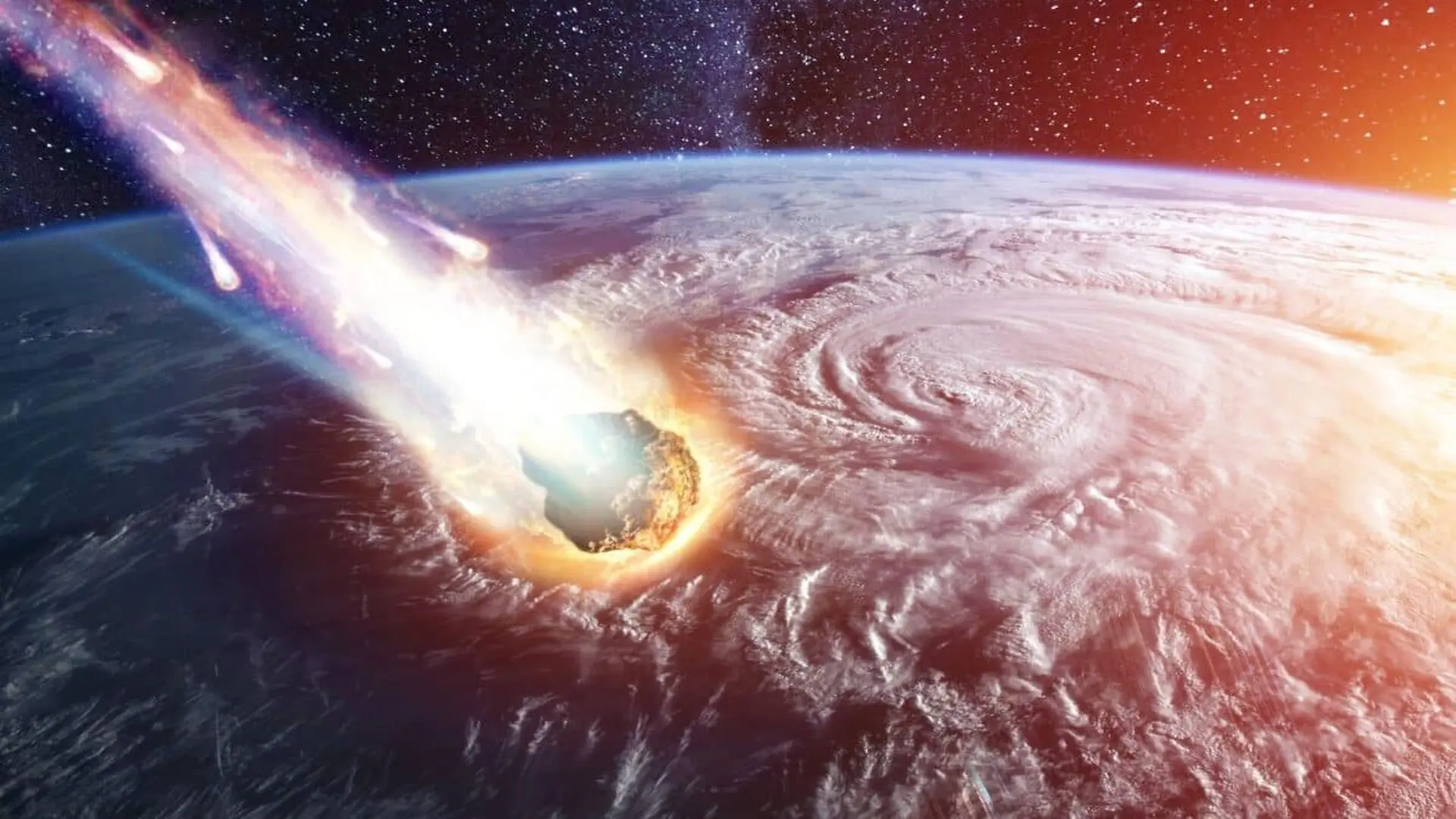
A new analysis of nickel isotopes trapped in the thin clay layer that marks the Cretaceous‑Paleogene boundary has provided the most convincing chemical fingerprint yet of the meteorite that ended the age of the dinosaurs. The work, appearing in Science Advances, draws on ultra‑high‑precision measurements taken from impact debris collected worldwide.
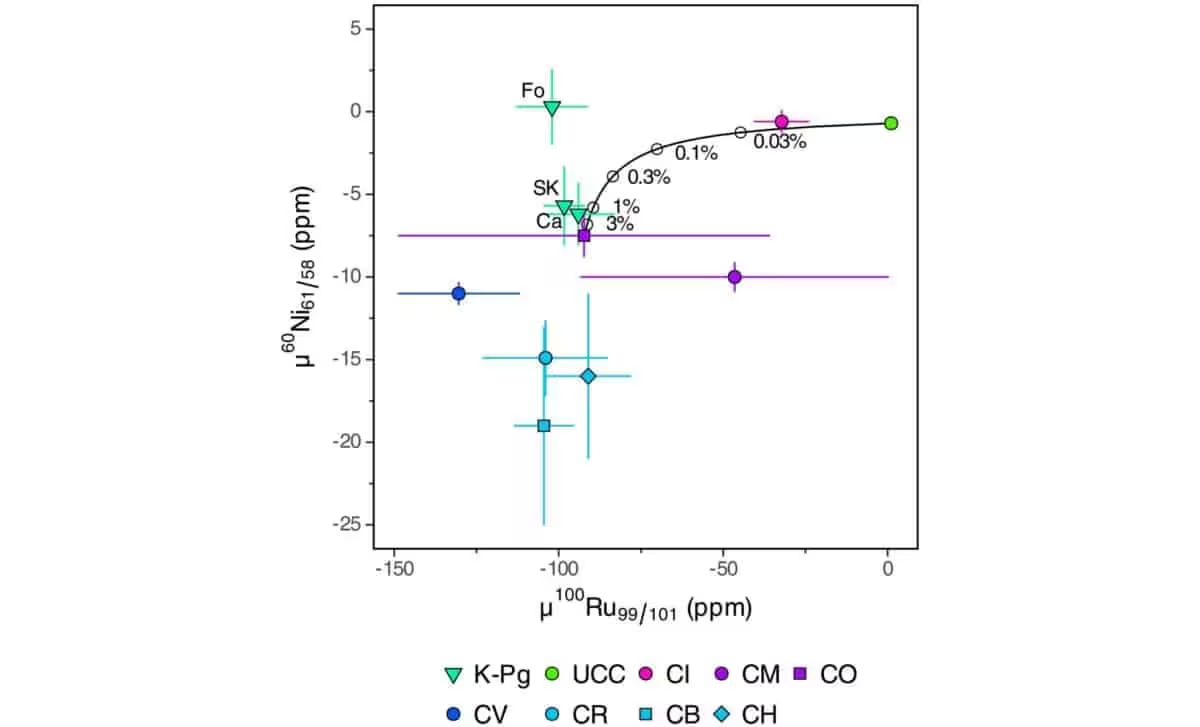
International researchers from the University of British Columbia, together with partners in Paris, Brussels and Vienna, report that the isotopic signature points to an exceptionally rare type of carbonaceous chondrite—specifically a CO (Ornans) chondrite. The finding narrows the identity of the 66‑million‑year‑old impactor that carved the Chicxulub crater beneath today’s Yucatán Peninsula.
Nickel isotopes reveal an ultra‑rare CO chondrite
Only a minuscule portion of the original body survived the cataclysmic explosion, leaving behind a thin veneer of clay enriched in trace elements. By scrutinizing the nickel isotope ratios preserved in this layer, the team was able to differentiate the impactor from the myriad of meteorites that regularly fall to Earth.
Scientists at the Institut de Physique du Globe and the Université de Paris conducted the isotope work on samples amassed over many years. Despite the scarcity of material, the distinct nickel pattern matched the composition of CO chondrites, a subset of carbonaceous chondrites that represent a tiny fraction of the meteorite population.
“Carbonaceous chondrites of the Ornans class are definitely not like the typical meteors you find in museum collections,” explained Dr. Philippe Claeys, a visiting professor at UBC and faculty member at Vrije Universiteit Brussel.
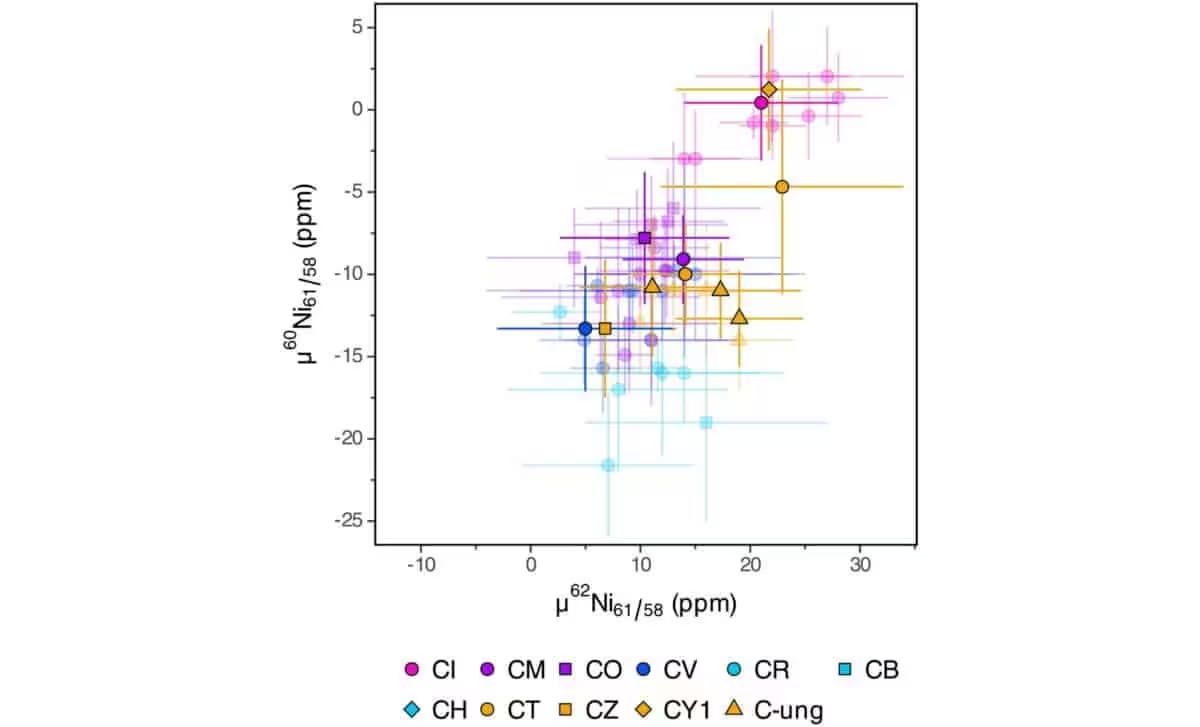
CO chondrites constitute only a small slice of carbonaceous chondrites, which themselves make up roughly five percent of all meteorites recovered on Earth. These rocks are prized for their primitive nature, retaining much of the original material from the early solar system.
The analysis also indicates that CO chondrites contain markedly lower levels of volatile elements such as carbon, zinc, water and, most notably, sulfur, compared with other meteorite classes.
Low sulfur shifts focus to dust‑filled skies
While the overall narrative linking the impact to a mass extinction remains unchanged, the new composition data reshape one aspect of the aftermath. The Science Advances article (doi:10.1126/sciadv.aef4858) argues that the modest sulfur content of a CO chondrite makes it improbable that sulfur released from the asteroid was the primary driver of the global environmental crisis.
Instead, the researchers propose that the colossal plume of fine particulate debris lofted into the atmosphere was the dominant agent of climate disruption.
“It doesn’t alter our theory of what caused the extinction event—but it makes it less likely that sulfur contained in the impacter was the smoking gun,” Dr. Claeys noted. “The fine debris thrown into the atmosphere would have been the primary factor.”
The precise origin of the impactor remains open to speculation. It could have originated from a distant, debris‑rich sector of the outer solar system or from the outer reaches of the asteroid belt near Jupiter, but the isotopic record does not yet allow a definitive source identification.
Size estimates place the Chicxulub projectile between ten and fifteen kilometres in diameter, striking Earth at roughly sixty‑four thousand kilometres per hour (forty‑thousand miles per hour). The resulting crater lies beneath the modern Yucatán Peninsula in Mexico.
Although the asteroid’s birthplace is still uncertain, the new isotope evidence dramatically narrows the type of object that collided with Earth. As Dr. Claeys remarked, “Being impacted by such a rare, distant projectile really underscores how unlucky the dinosaurs were.”
This article has been fact checked for accuracy, with information verified against reputable sources. Learn more about us and our editorial process.
Last reviewed on .
Article history
- Latest version
Reference(s)
- “Prof. Dr. Philippe Claeys | AMGC VUB.” AMGC VUB <https://amgc.research.vub.be/prof-dr-philippe-claeys>.
- Makhatadze, Georgy V.., et al. “The origin of Cretaceous-Palaeogene impactor revealed by nickel isotopes.” Science Advances, vol. 12, no. 29, July 17, 2026 American Association for the Advancement of Science (AAAS), doi: 10.1126/sciadv.aef4858. <https://www.science.org/doi/10.1126/sciadv.aef4858>.
Cite this page:
- Posted by Zara Tariq