New 150-Million-Year-Old Bird Fossil Reveals How Tails Shrunk Before Pygostyle Formed
A newly identified Jurassic bird may finally fill a long‑standing evolutionary gap, offering unexpected clues to a major mystery in evolution.
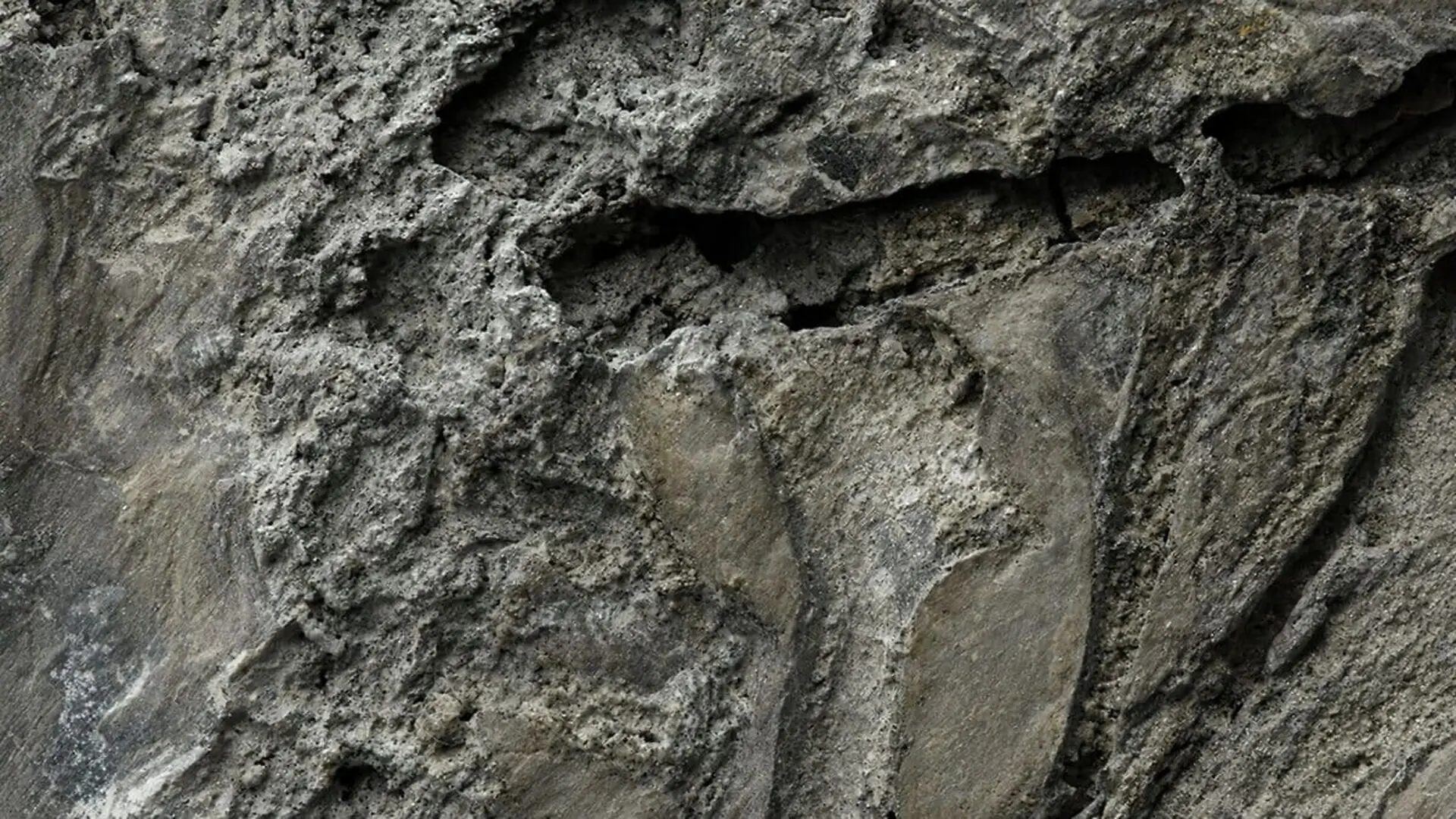
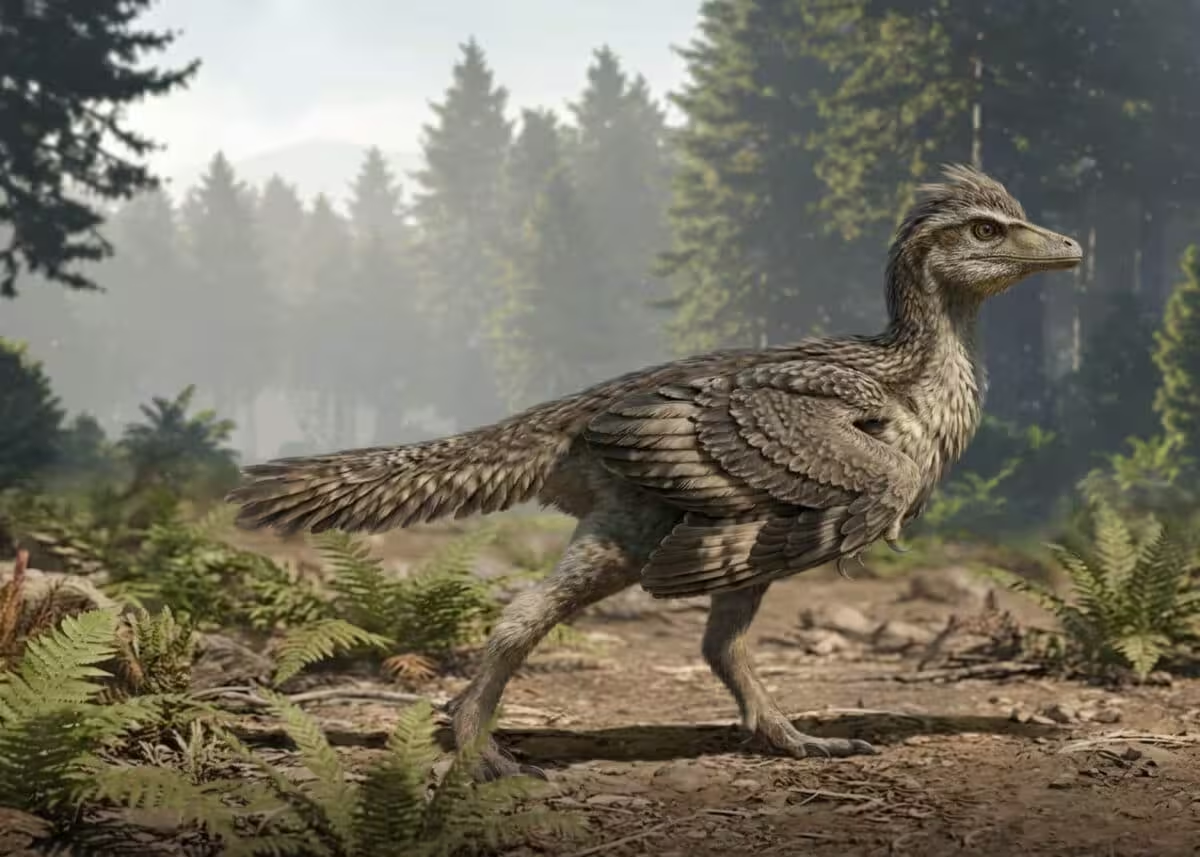
A diminutive Late Jurassic avian, now designated Zhengheornis buyu, offers fresh insight into a longstanding gap in the story of bird evolution. This tiny species sports a reduced tail that lacks the fused pygostyle found in all modern birds. The specimen was recovered from southeastern China and its description was published in Science Advances.
Researchers propose that early birds first shed length from their tails before the later development of the pygostyle—a bony plate that anchors the flight feathers. Modern birds are unique among vertebrates for having this short, fused tail structure, which stabilises the feather fan used in aerial maneuvering. Their dinosaur ancestors, by contrast, retained long, segmented tails composed of many vertebrae, making the transition difficult to trace because transitional fossils are exceedingly scarce.
For decades, scientists debated whether tail reduction and pygostyle formation occurred simultaneously or in separate steps. The anatomical features of Zhengheornis buyu now supply concrete evidence that the two processes unfolded sequentially rather than in a single event.
Chinese Miniature Fossil Bridges Evolutionary Gap
The holotype of Zhengheornis buyu emerged in 2024 from the Nanyuan Formation near Yangyuan village in Zhenghe County, Fujian Province. In a paper published in Science Advances, the authors date the fossil to 148–150 million years ago, positioning it toward the close of the Jurassic. It joins three other avialan taxa from the Zhenghe fauna—Fujianvenator, Baminornis, and an incomplete bird known only from a preserved wishbone.
Dr. Zhonghe Zhou, a paleontologist at the Institute of Vertebrate Paleontology and Paleoanthropology of the Chinese Academy of Sciences, noted that long‑tailed and short‑tailed forms appear almost together in the earliest avian record, leaving little room for intermediate morphologies.
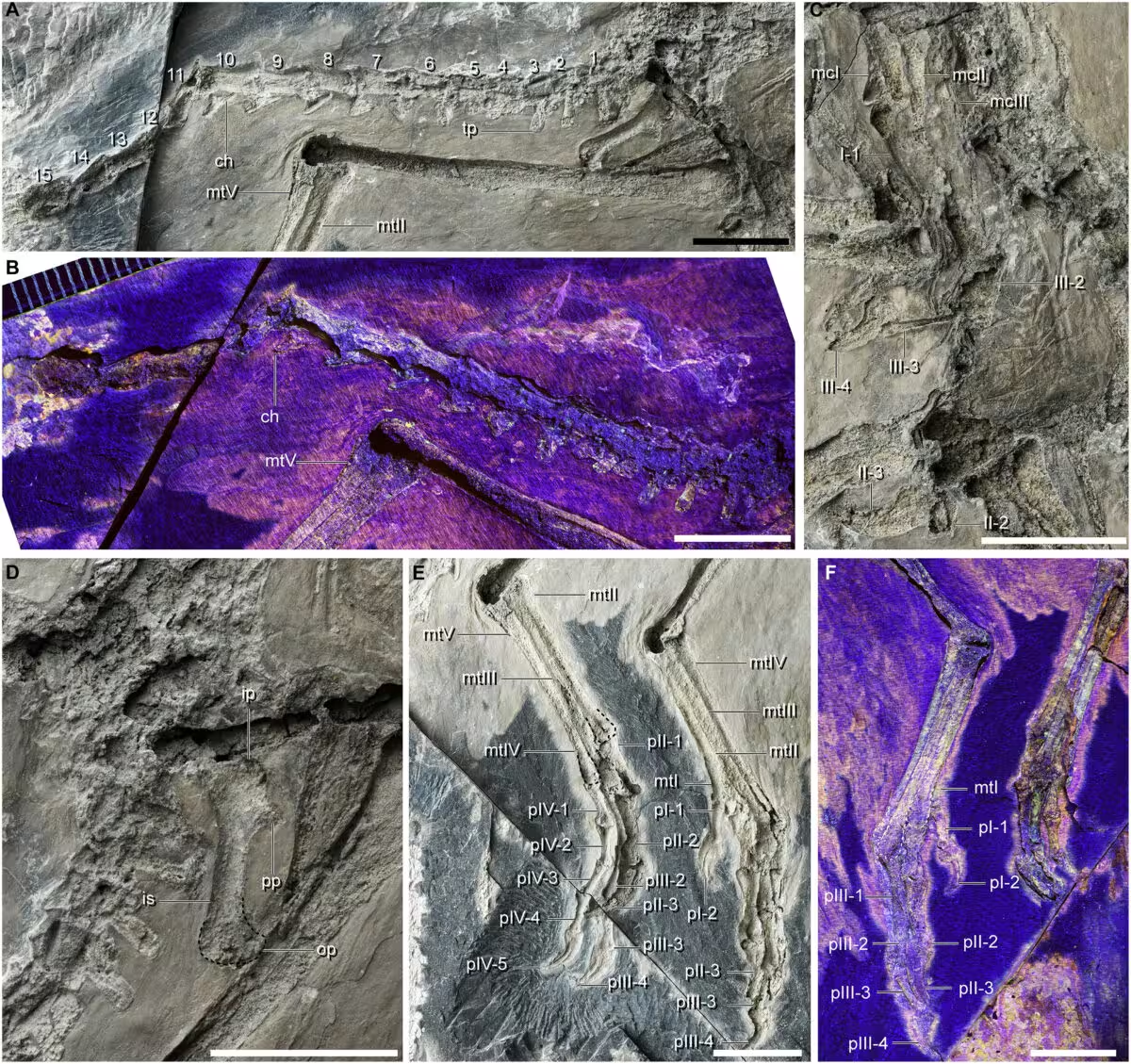
Because of this apparent simultaneity, many evolutionary biologists argued that a bird possessing a short yet entirely unfused tail would be improbable.
Reduced Tail, No Pygostyle
What sets Zhengheornis buyu apart is its distinctive caudal anatomy. The animal retained only 15 caudal vertebrae, a stark reduction compared with the 23–24 seen in Archaeopteryx and the over 30 typical of several other early avialans. Despite the shortened series, the vertebrae had not coalesced into a pygostyle. Notably, the final two tail bones are box‑shaped—a trait previously documented only in the distantly related dinosaur Caudipteryx.
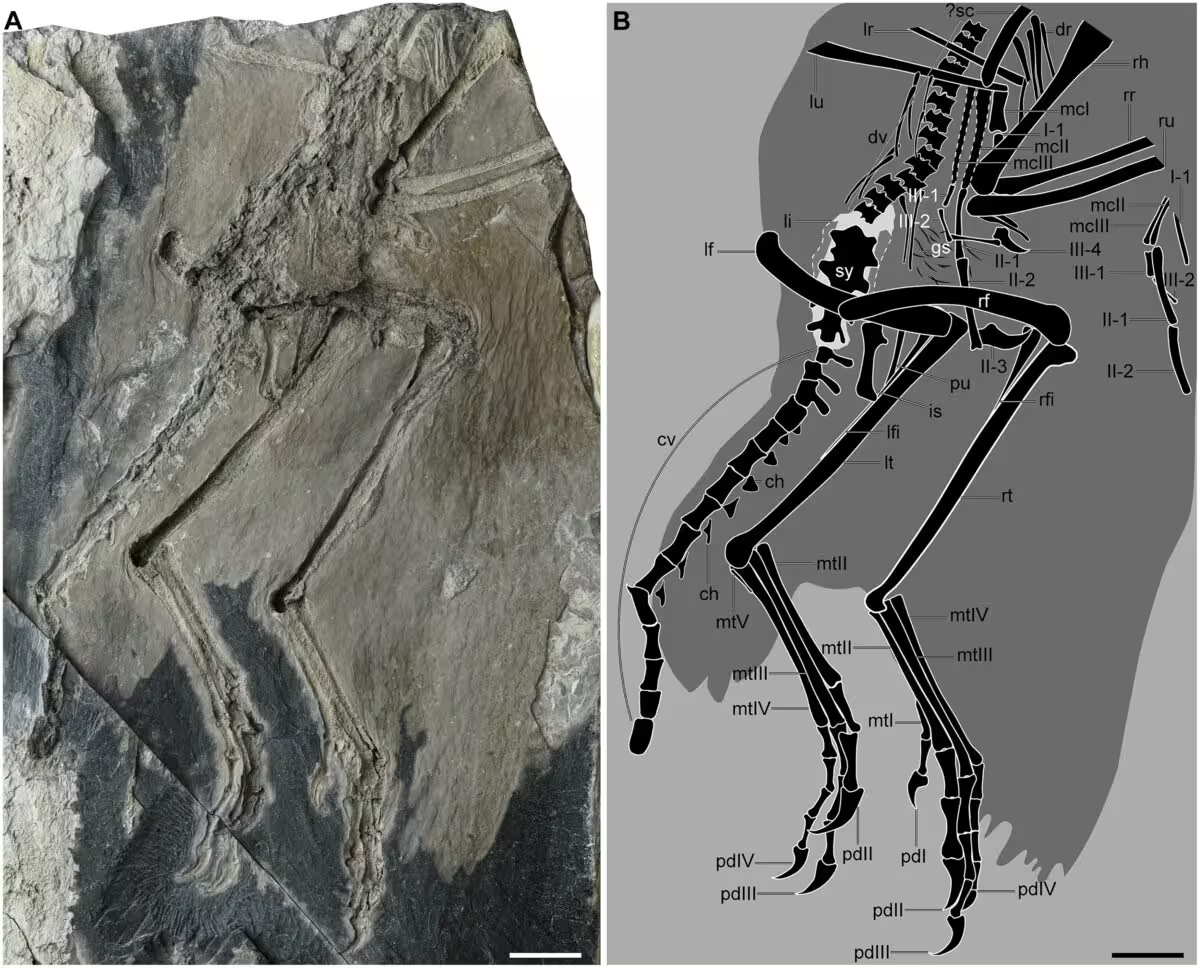
Dr. Min Wang, also involved in the study at the Chinese Academy of Sciences, explained that this combination of traits indicates a stepwise pattern: vertebral reduction and tail shortening preceded the emergence of a fused pygostyle in early avian lineages.
“This anatomical mosaic proves a stepwise evolutionary path: the vertebral reduction and shortening preceded pygostyle fusion in early bird evolution,” the authors described.
Among the Lightest Early Avialans
Using the dimensions of the femur, the team estimated the animal’s mass at roughly 74–163 grams, rendering it smaller than the previously smallest known Archaeopteryx specimen.
The authors note that the Zhengheornis buyu holotype represents the tiniest adult non‑pygostylian theropod identified to date. Yet its preserved skeleton does not definitively reveal whether it was primarily arboreal or terrestrial.
Comparisons within the Zhenghe fauna highlight a range of body sizes, skeletal configurations, and ecological niches—from the generalist Zhengheornis buyu to the ground‑running Fujianvenator. This diversity suggests that avialans had already undergone a significant adaptive radiation by the close of the Jurassic, shedding light on the timing of early bird diversification.
This article has been fact checked for accuracy, with information verified against reputable sources. Learn more about us and our editorial process.
Last reviewed on .
Article history
- Latest version
Reference(s)
- Wang, Min., et al. “Jurassic avialan reveals stepwise evolution of bony tail in birds.” Science Advances, vol. 12, no. 27, July 3, 2026 American Association for the Advancement of Science (AAAS), doi: 10.1126/sciadv.aeb5202. <https://www.science.org/doi/10.1126/sciadv.aeb5202>.
- <https://www.nasonline.org/directory-entry/zhonghe-zhou-j5zyc1/>.
- <https://www.researchgate.net/profile/Min-Wang-84>.
Cite this page:
- Posted by Zara Tariq