Soviet Submarine Komsomolets Still Leaking Radioactive Waste Three Decades After Sinking
Decades-old Soviet nuclear submarine continues leaking, and fresh data indicate its internal contents may now be slowly degrading.
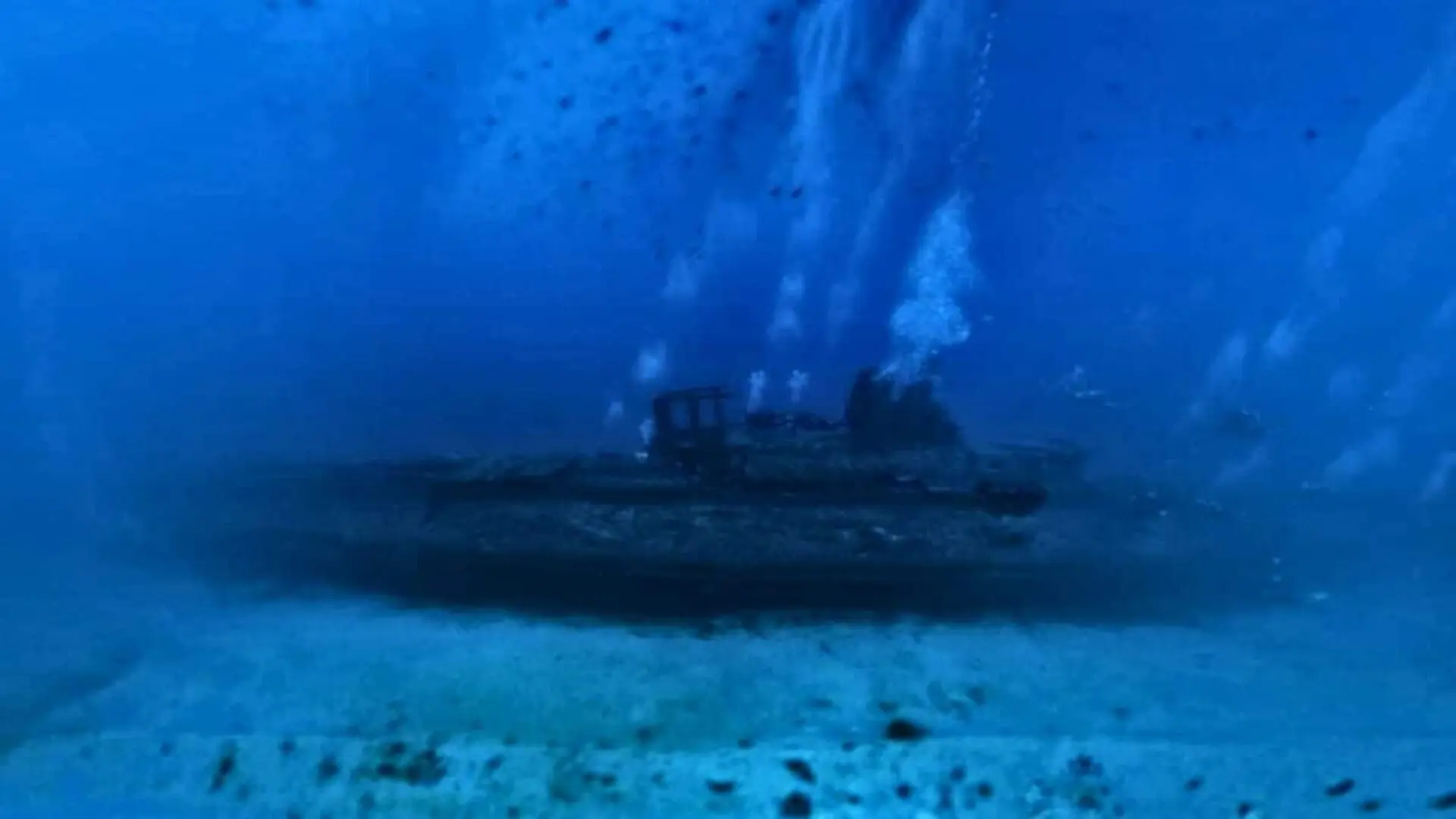
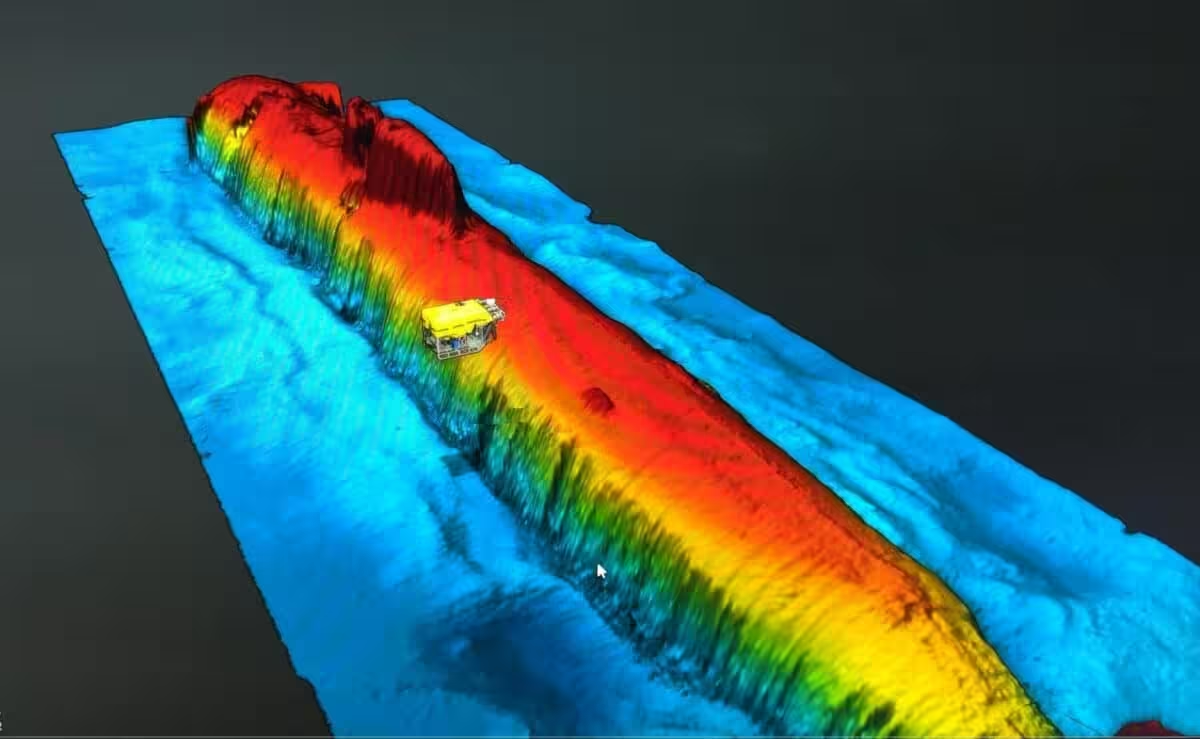
In 2019 a remotely operated vehicle named Ægir 6000 descended into the Norwegian Sea to inspect the wreck of the Soviet nuclear‑powered submarine Komsomolets, which sank in 1989 with its reactor and two nuclear warheads still on board. The expedition combined sonar mapping, video documentation and the collection of water, sediment and biological specimens around the hull.
Video Capture Reveals Intermittent Radioactive Discharges
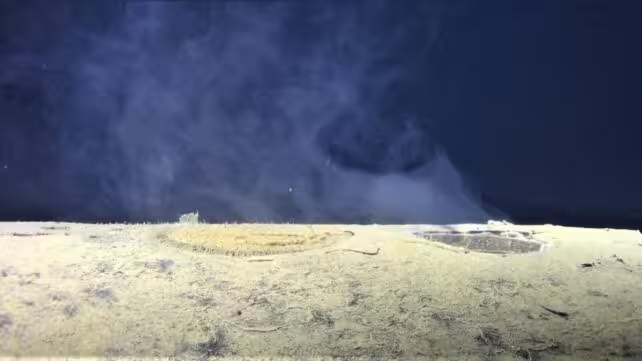
During the dive, the ROV team recorded visible plumes of radioactive material escaping from two points on the submarine: a ventilation pipe and a metal grill. The emissions were not continuous; they appeared and vanished depending on local conditions at the wreck.
Sampling immediately after a visible plume showed concentrations of cesium‑137 roughly 1,000 times higher than samples taken from the same location before the discharge. Cesium‑137, a byproduct of nuclear fission, serves as a reliable tracer for fuel leakage.
Localized Hotspots Amidst Rapid Dilution
The study, published in PNAS, reports maximum seawater concentrations of strontium‑90 and cesium‑137 near the reactor reaching about 400,000 and 800,000 times background levels in the Norwegian Sea. Despite these extreme spikes, the radioactivity drops sharply within a short distance from the hull, indicating rapid dilution rather than widespread dispersion.
Sediment and marine‑organism analyses around the wreck revealed only minimal accumulation of these isotopes, and no clear evidence of ecological impact on the surrounding seafloor.
Isotope Ratios Signal Fuel Corrosion
Beyond cesium and strontium, researchers detected elevated levels of plutonium‑239, plutonium‑240 and uranium‑236 in material released from the reactor compartment. The ratios of plutonium‑240 to plutonium‑239 and uranium‑236 to plutonium‑239 match patterns that indicate the nuclear fuel is undergoing corrosion, providing direct evidence of internal degradation rather than merely external leakage.
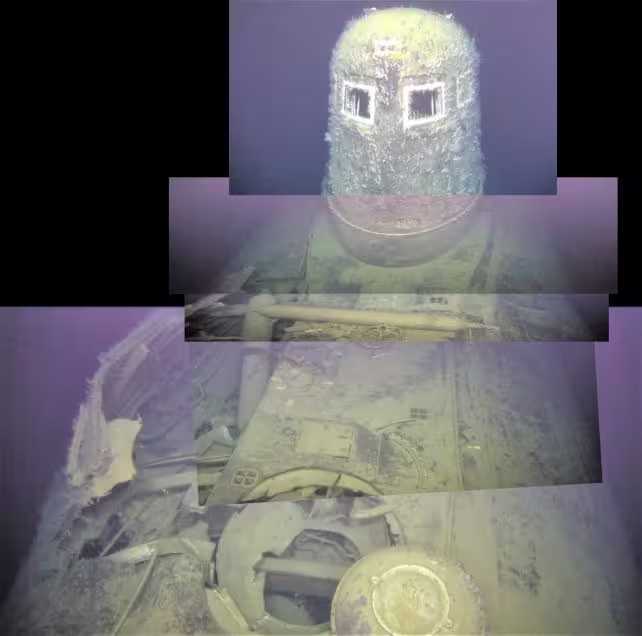
No plutonium was found in samples taken near the damaged forward deck where the two nuclear warheads were stored, suggesting that the warhead compartments remain largely sealed. The investigation also confirmed that remediation work carried out by Russian authorities after the sinking is still intact, even as corrosion proceeds inside the reactor core.
This article has been fact checked for accuracy, with information verified against reputable sources. Learn more about us and our editorial process.
Last reviewed on .
Article history
- Latest version
Reference(s)
- Gwynn, Justin P.., et al. “Status of the sunken nuclear submarine Komsomolets in the Norwegian Sea.” Proceedings of the National Academy of Sciences, vol. 123, no. 13, March 23, 2026 National Academy of Sciences, doi: 10.1073/pnas.2520144123. <https://www.pnas.org/doi/10.1073/pnas.2520144123>.
Cite this page:
- Posted by Zara Tariq