Scientists Capture First Hydrothermal Blast Within Meters of a Monitoring Station in Yellowstone
Hydrothermal explosion erupts in Yellowstone’s Biscuit Basin, releasing seismic energy and clouding the Firehole River with turbid water.
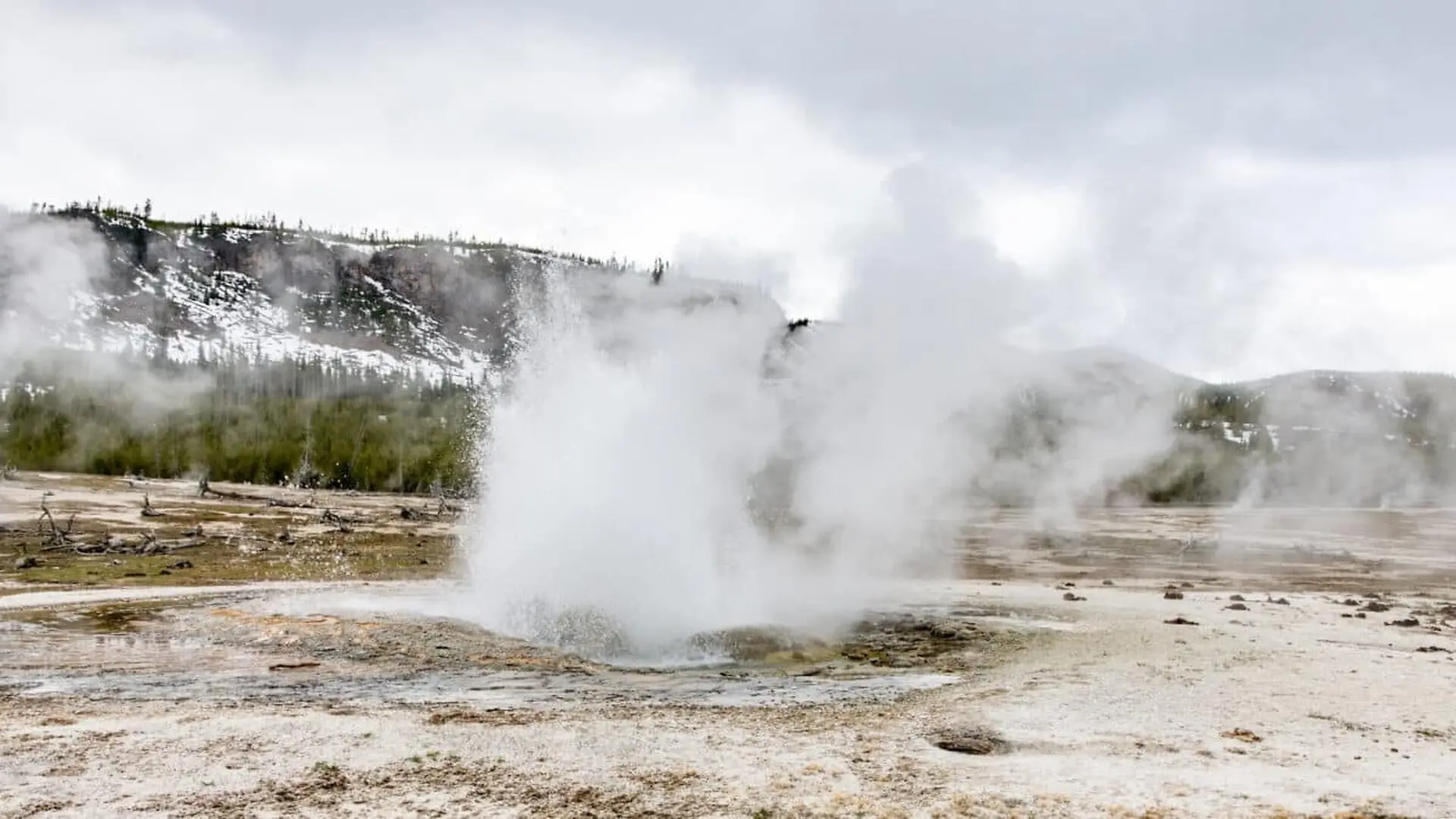
Yellowstone’s geothermal network is notorious for sudden pressure releases, and Biscuit Basin has become a focal point for scientists. After a major blast from Black Diamond Pool in 2024 hurled mud, rock and scalding water toward visitors, park geologists upgraded the area’s surveillance with seismic stations, infrasound microphones and high‑resolution cameras aimed at the basin.
That expanded monitoring proved crucial when an event on June 13 set off alarms. Although the first instinct was to blame Black Diamond Pool again, a detailed analysis of the sensor suite redirected attention to a previously undocumented vent system only a few dozen metres away.
Black Diamond Pool Excluded as the Source
Given its eruptive history, Black Diamond Pool was the obvious candidate when the seismic spike occurred. However, the temperature probe installed in the pool recorded only a faint heat blip that quickly returned to ambient air levels, a pattern that contrasts sharply with the rapid cooling seen after prior eruptions. According to Yellowstone geologists, this signature indicated that the pool was not responsible for the morning’s anomaly, prompting researchers to look elsewhere.
Cameras Reveal Three Fresh Vents Supplying the Firehole River
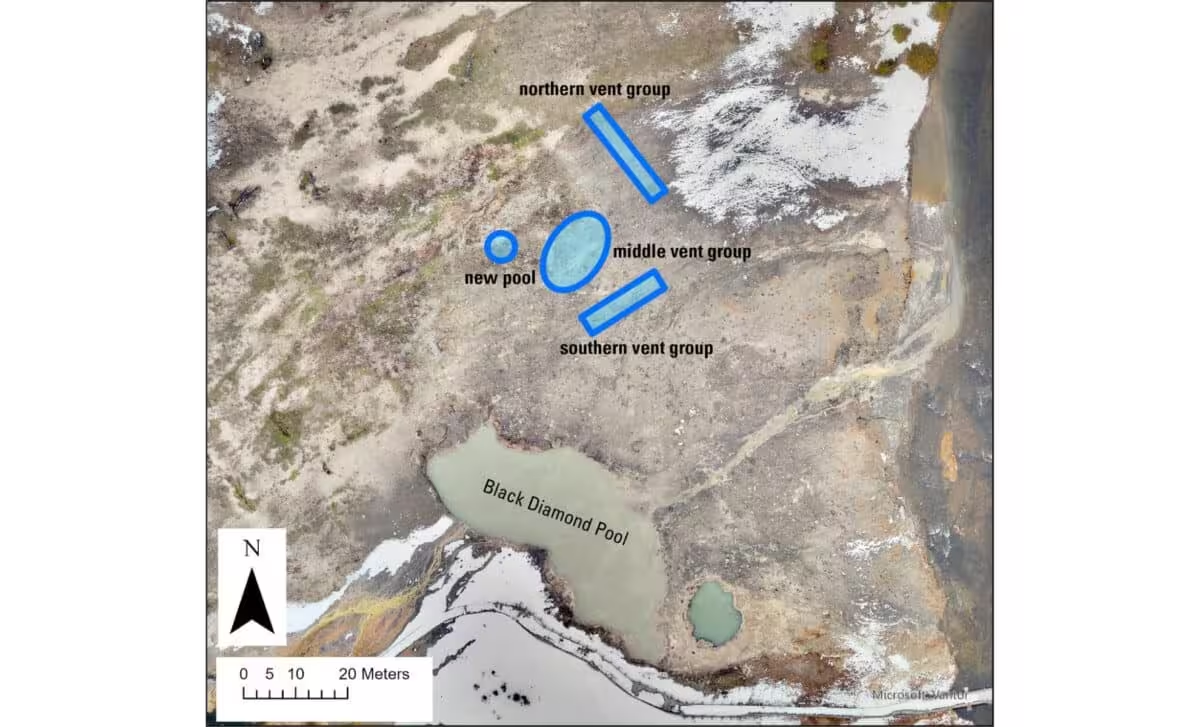
A camera that had been installed after the 2024 blast happened to be pointing toward the right spot when the June 13 explosion occurred. The footage captured a shallow pool roughly twenty‑four metres north of Black Diamond Pool, along with three newly formed vent clusters that discharged hot water directly into the Firehole River. The geologists explained that these vents acted as sudden conduits for near‑boiling groundwater, flashing to steam and driving the hydrothermal blast. Biscuit Basin remains closed to visitors, so no one was in the vicinity at the time.
Ground Collapse Generates a Boiling, Spouting Pool
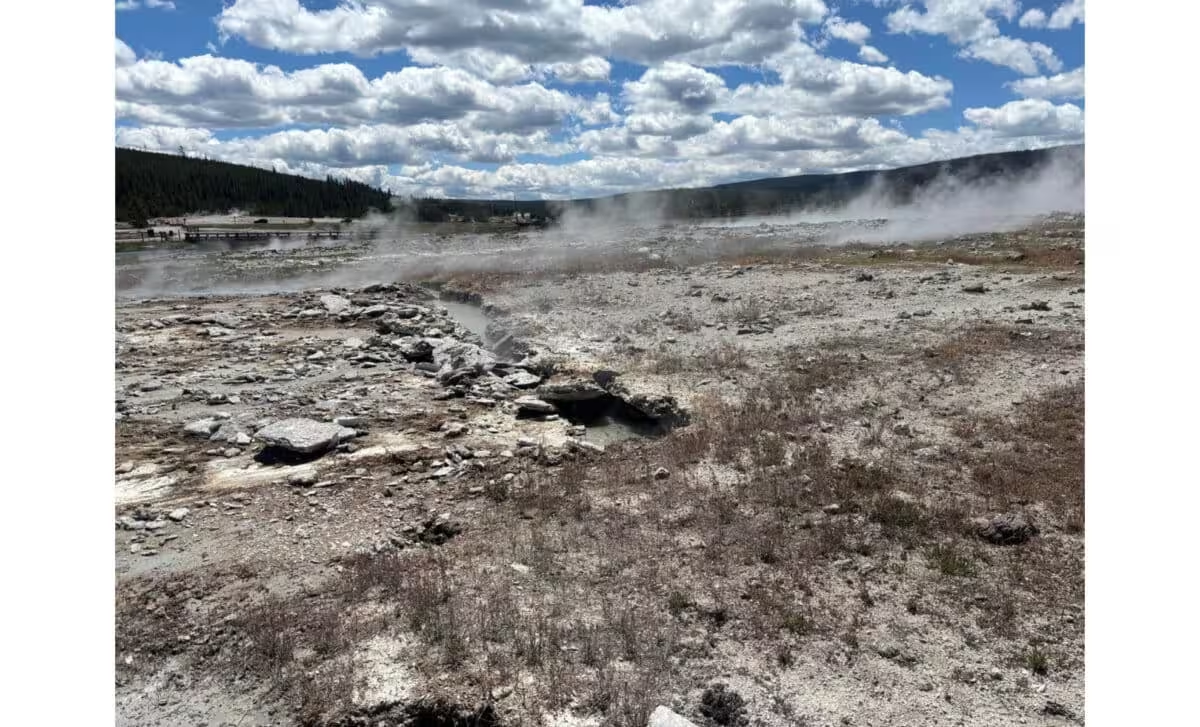
When the team revisited the site a couple of days later, they found that the surface had given way, creating a fresh pool roughly the size of two parking spaces. The water was described as grey‑silty and actively boiling, with steam bubbles popping and collapsing, producing a thumping sound that startled the researchers. Camera footage showed intermittent jets reaching six to nine metres (20 to 30 feet) in height, while the pool remained turbulent even when not geyser‑like. Although new pools appear regularly throughout Yellowstone, this one is unique because its formation was captured by instruments positioned just meters away.
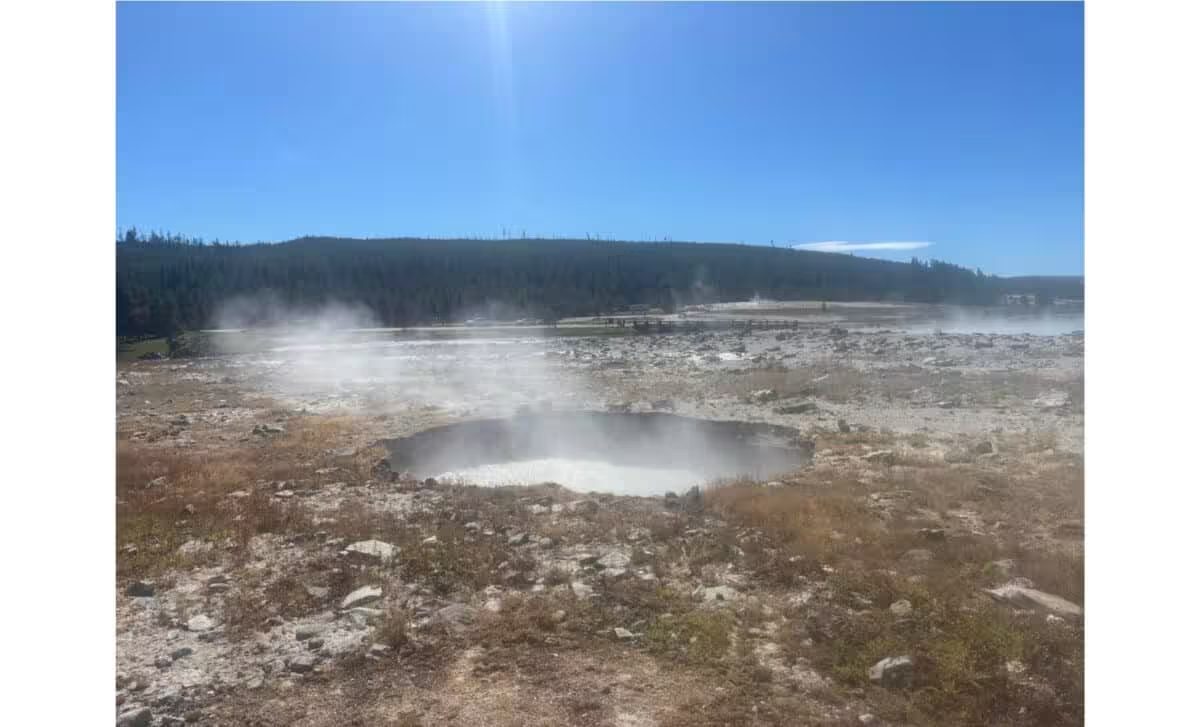
Because the blast occurred within a few metres of a monitoring station, scientists now have an unusually rich dataset that may include seismic or infrasound signals preceding the event. The team says this offers an unprecedented chance to refine hazard models and improve early‑warning capabilities for future hydrothermal explosions.
This article has been fact checked for accuracy, with information verified against reputable sources. Learn more about us and our editorial process.
Last reviewed on .
Article history
- Latest version
Reference(s)
- “Oops, it did it again: Another small hydrothermal explosion at Biscuit Basin.”, June 2, 2025 USGS <https://www.usgs.gov/observatories/yvo/news/oops-it-did-it-again-another-small-hydrothermal-explosion-biscuit-basin>.
Cite this page:
- Posted by Zara Tariq