Roman Shipwreck Reveals 2,000-Year-Old Intact Cargo and Hidden Weapons
Roman shipwreck in Lake Neuchâtel reveals 2,000‑year‑old cache of weapons, wagons and trade goods, shedding light on ancient commerce.
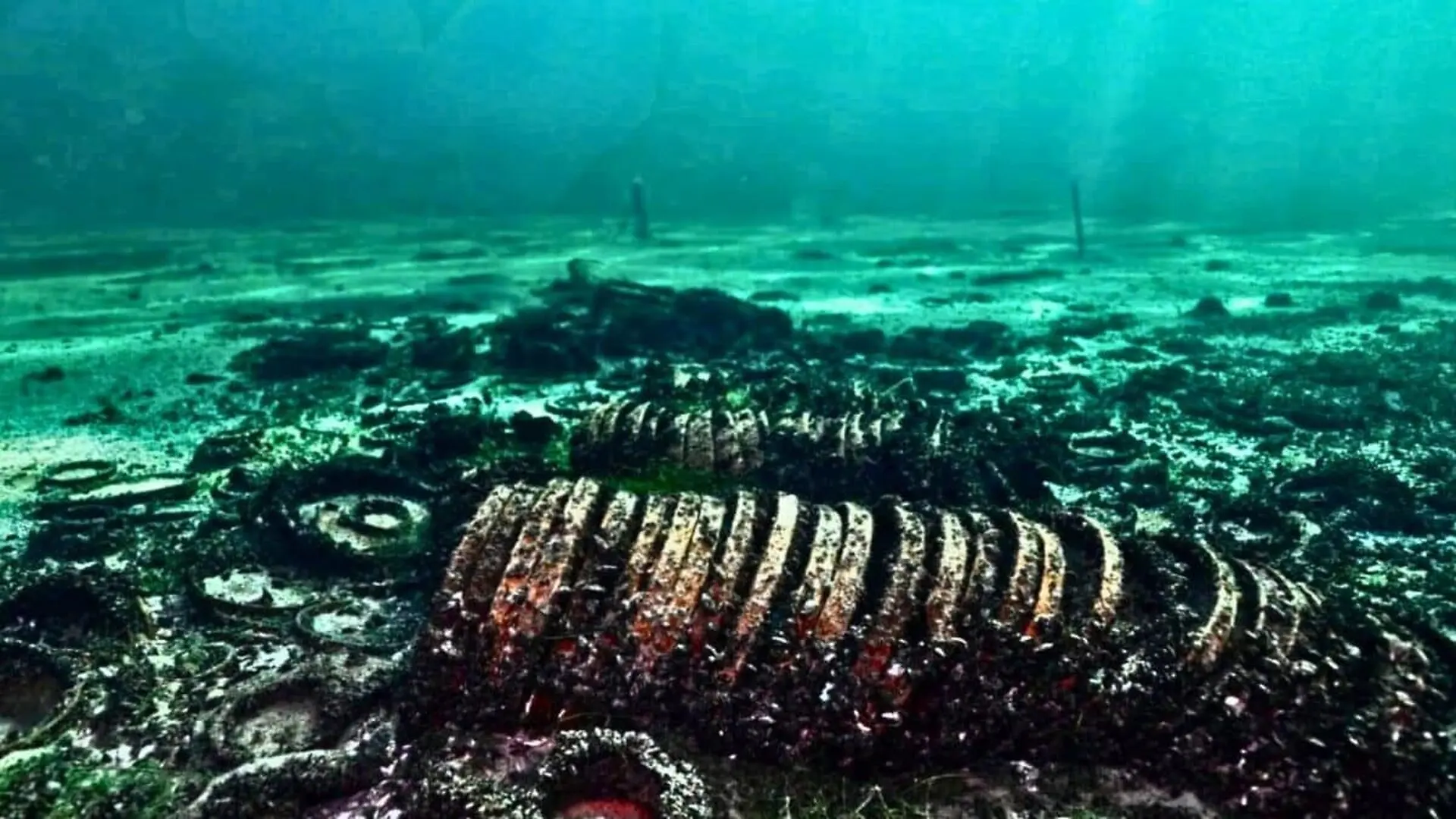
A team of divers exploring Lake Neuchâtel uncovered a massive Roman cargo that sank between 20 and 50 AD, leaving behind hundreds of artifacts that have remained untouched for roughly two millennia. The wreck was first identified through aerial surveys of the lakebed in November 2024, and a subsequent dive in March 2025 confirmed the extent of the material settled on the bottom.
Roman Trade Haul Revealed Beneath the Waters
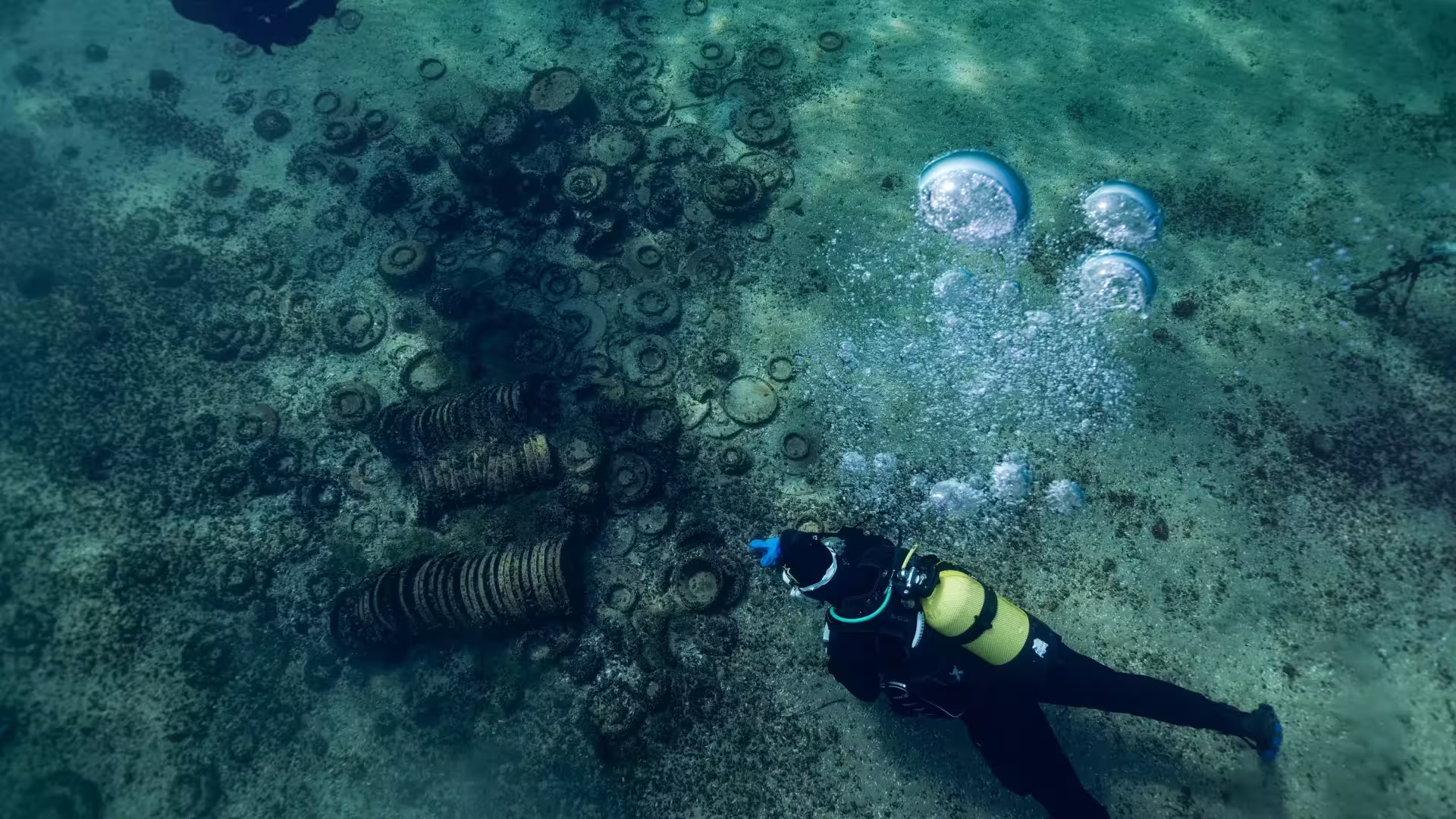
The operation is coordinated by the Office of Cantonal Archaeology (OARC) together with the Octopus Foundation and the State of Fribourg’s Archaeological Service. Because lake‑bottom objects can deteriorate quickly once exposed to currents, boat traffic, or unauthorized visitors, the teams prioritized a rescue‑first approach, carefully recording each item’s location before any removal.
Every artifact’s placement was logged to retain information about the original stowage pattern, allowing researchers to reconstruct how the load was organized on board rather than merely cataloguing individual pieces.
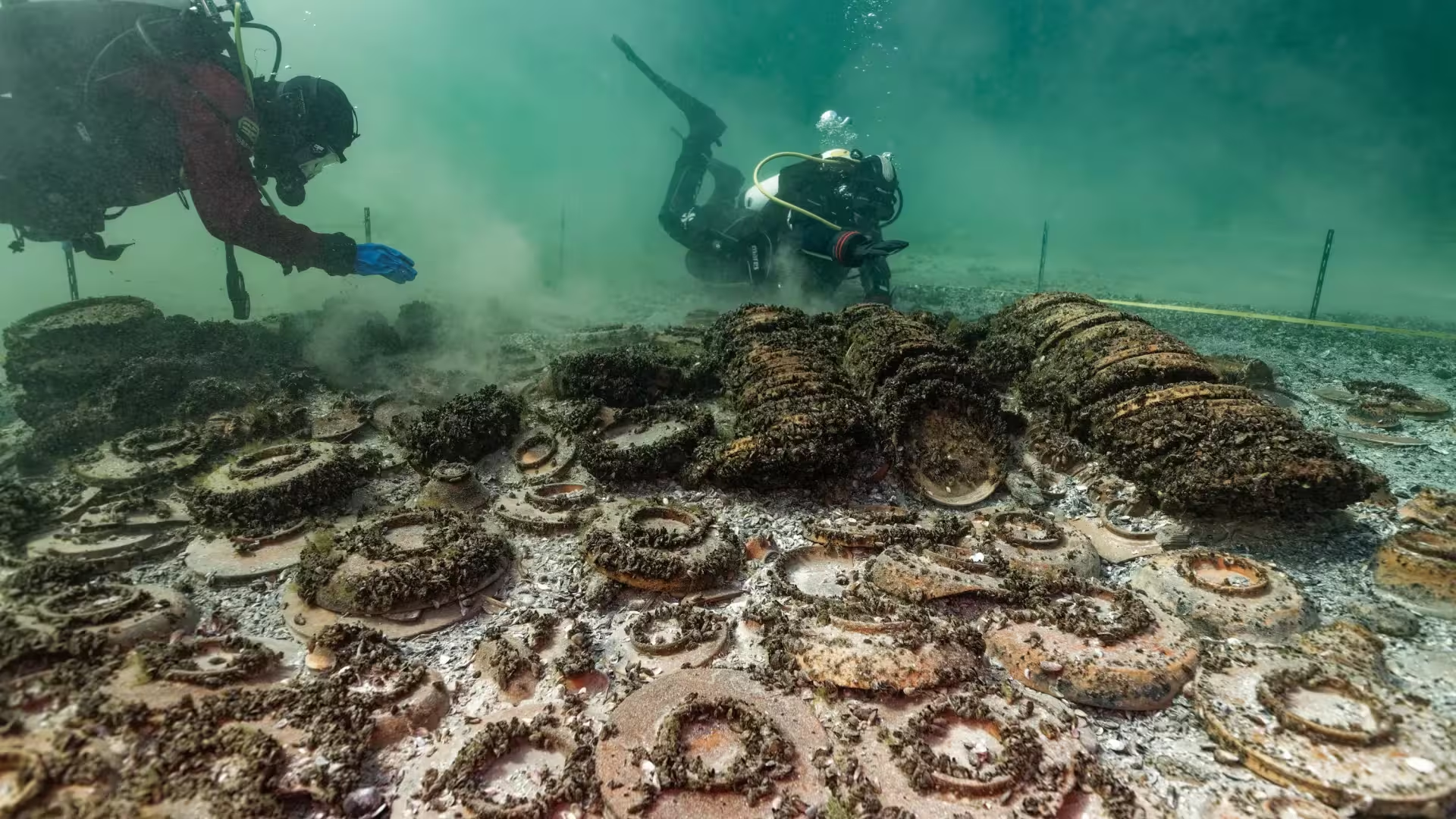
Everyday Tableware and Olive Oil Amphorae Map a Wide‑Reach Network
The bulk of the recovered material comprises hundreds of ceramic containers—plates, cups, bowls, and other dining items—produced across the Swiss Plateau. Their remarkable state of preservation after two thousand years underwater is a key factor behind officials’ description of the find as exceptional.
Intermixed with the tableware are amphorae that once carried Spanish olive oil, underscoring the lake’s role in a trade circuit that stretched far beyond the local region. Additional tools and utensils reflect the daily activities of the crew who managed the vessel.
Cart Wheels and Harness Fragments Reveal Intermodal Logistics
Among the more striking discoveries are fragments of harnesses and a wagon, including wheels that represent the sole known Roman examples of their type in Switzerland. Their presence in a submerged shipwreck indicates that the cargo likely transitioned between waterborne and overland transport at some stage.
Archaeologists link this pattern to settlements such as ancient Eburodunum—modern Yverdon‑les‑Bains—situated on the lake once called Lacus Eburodunensis. The wreck likely marks a waypoint on a route that combined lake‑borne vessels with road‑linked carts, integrating workshops, markets, and communities across the early Roman landscape.
Roman Swords Suggest Armed Escort for the Merchant Vessel
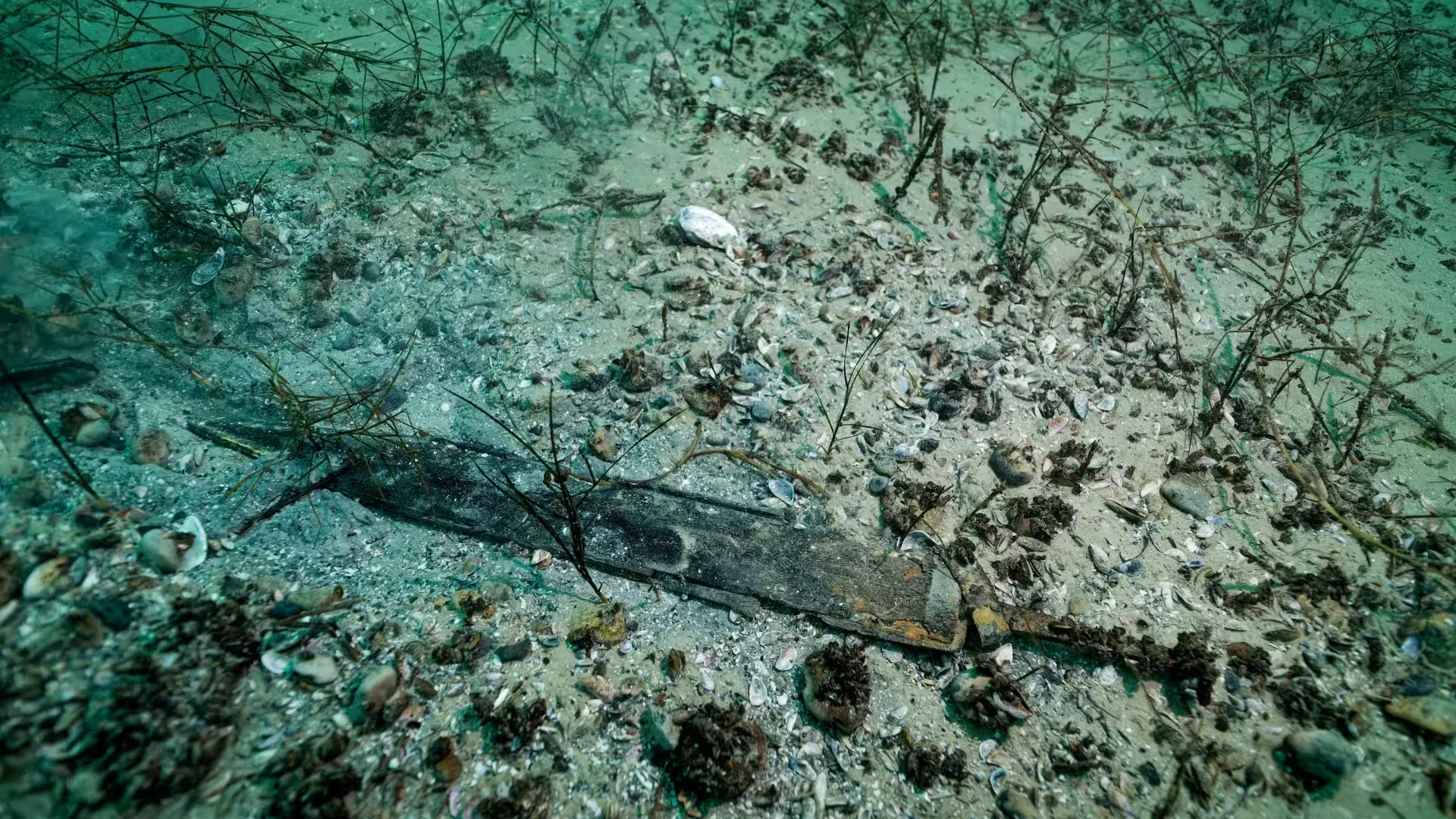
A further clue comes from several glaives, a type of Roman sword, recovered alongside the commercial goods. While weapons are atypical in a purely trade‑focused cargo, their inclusion hints that the ship may have traveled under armed protection.
Researchers treat this as a working hypothesis rather than definitive proof of a military mission, but the combination of valuable merchandise and defensive arms implies that the route was deemed sufficiently important to warrant security.
Fast‑Track Conservation to Prevent Loss
Authorities warn that the lakebed environment poses immediate risks: erosion, anchoring by recreational boats, and potential looting could jeopardize the assemblage. Consequently, the most delicate items were extracted promptly after comprehensive mapping, rather than leaving the full collection exposed.
Following recovery, each piece will undergo conservation and restoration to ensure long‑term stability. Once the process is complete, the artifacts are slated for display at the Laténium, Neuchâtel’s archaeology museum, where they will contribute to ongoing studies of Roman trade routes, ceramic production, and distribution networks.
This article has been fact checked for accuracy, with information verified against reputable sources. Learn more about us and our editorial process.
Last reviewed on .
Article history
- Latest version
Cite this page:
- Posted by Zara Tariq