Scientists Uncover 75,000-Year-Old Arctic Ecosystem In Norwegian Cave With 46 Species
A hidden Norwegian cave reveals a 75,000‑year‑old frozen Arctic world, ending with a surprisingly chilling twist.
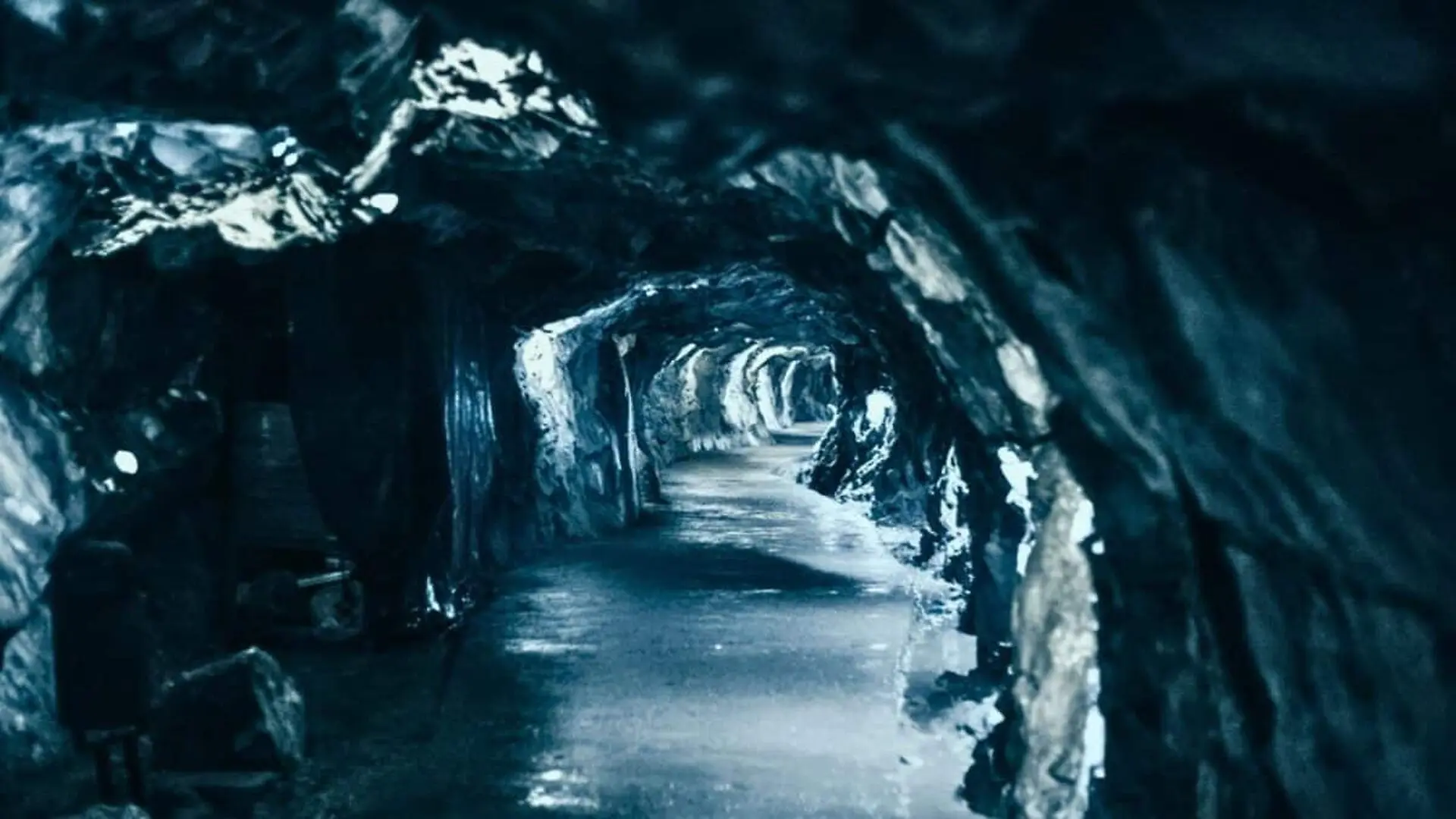
A team of scientists working in a coastal cave on Norway’s northern shoreline has identified bone fragments from 46 distinct mammals, birds and fish that inhabited the European Arctic about 75,000 years ago, creating the oldest known record of a complete fauna from this area.
The fossils originate from Arne Qvamgrotta, a limestone cavity near Kjøpsvik in the municipality of Narvik. The assemblage captures a coastal ecosystem that existed long before the last major glacial advance. The findings are detailed in a paper published in the Proceedings of the National Academy of Sciences. According to the investigators, the preserved bones can shed light on how Arctic wildlife responded during a previous period of dramatic climate change.
How a Mining Shaft Revealed a Hidden Cave
In the 1990s, a mining operation drilled a tunnel through the mountain above Kjøpsvik, unintentionally exposing an entrance to the subterranean passage now known as Arne Qvamgrotta. At the time, the sediment-filled chambers were overlooked, and the cave remained largely untouched for nearly three decades.
Because the remains were sealed within undisturbed deposits, they escaped the weathering and scavenger activity that typically erode bone over millennia. It was not until 2021‑2022 that a dedicated research group returned to conduct systematic excavations, peeling back layer after layer of sediment and retrieving remarkably well‑preserved bone material.
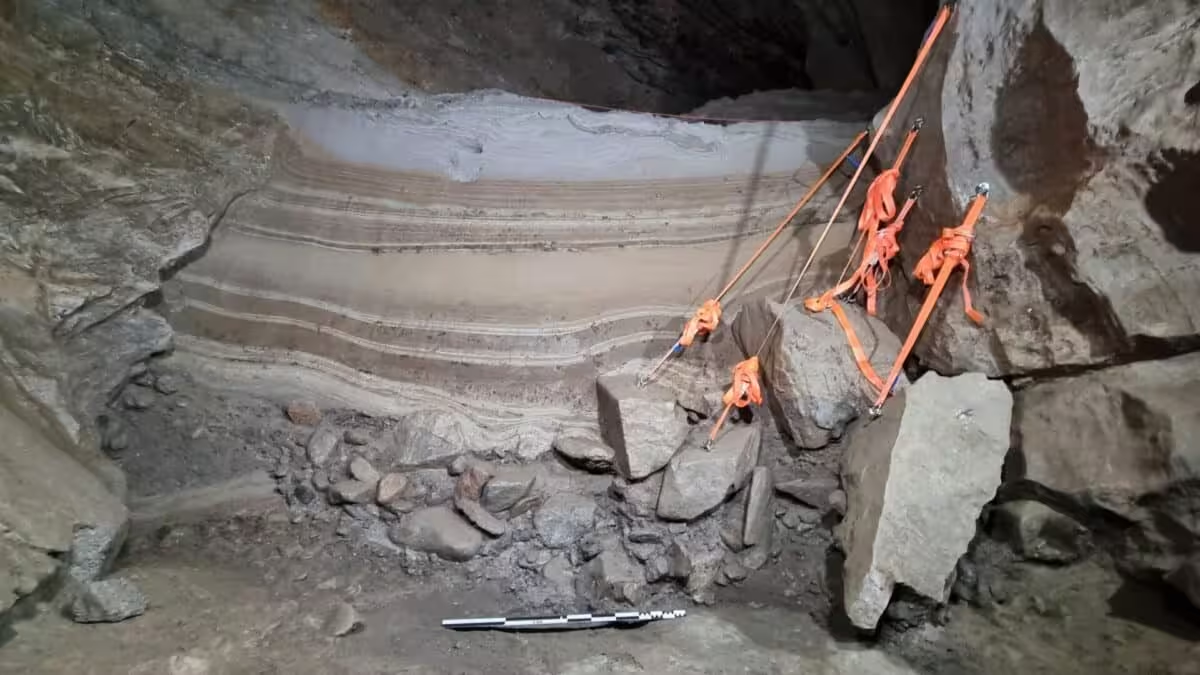
The excavation brought together specialists from the University of Oslo, Bournemouth University, the University Museum of Bergen, the Norwegian University of Life Sciences and additional partners. Discovering organic material older than 10,000 years is exceptionally rare in regions previously overridden by ice, as advancing glaciers usually erode older deposits—a factor that makes this site uniquely valuable.
Combining Morphology and Ancient DNA to Pinpoint Species
To determine the identity of the fragmented remains, researchers applied classic bone morphology alongside ancient DNA sequencing. This dual strategy allowed confirmation of species even when skeletal pieces were too small or damaged for traditional identification.
The analysis revealed a diverse assemblage that included polar bears, walruses, bowhead whales, Atlantic puffins, common eiders, rock ptarmigans, Atlantic cod and migratory reindeer. Together, these taxa represent both marine and terrestrial components of the Arctic food web from a single time slice.
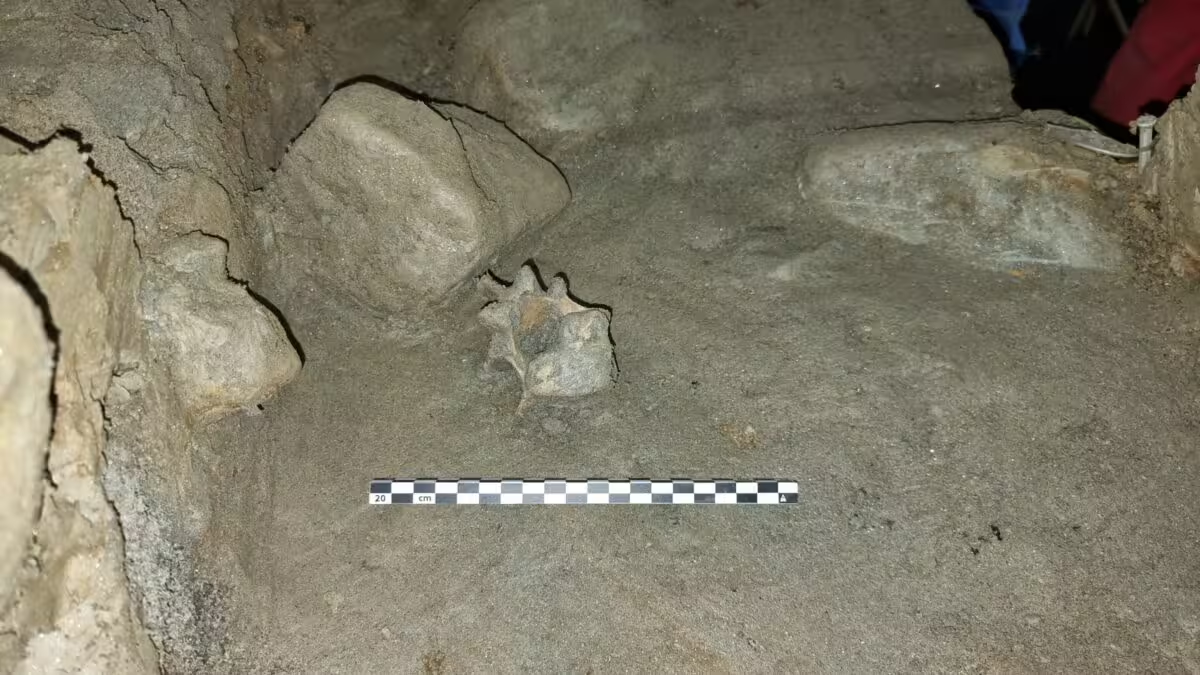
Among the discoveries, bones of a collared lemming stood out. This species, now extinct throughout Europe, had never been documented in Scandinavia before, providing a novel data point for the region’s paleontological record.
Lead author Sam Walker of Bournemouth University described the site as “a rare snapshot of a vanished Arctic world.” The collective 46 species constitute the oldest known example of an animal community from the European Arctic during a relatively warm phase of the last ice age.
Senior author Sanne Boessenkool, a geneticist at the University of Oslo, highlighted the exceptional preservation of both marine and land‑based organisms within the same sedimentary layers—an occurrence seldom observed for such an ancient interval.
Evidence of a Largely Ice‑Free Coastal Landscape
The species mix suggests that the coastline at the time was mostly free of sea ice, with glaciers retreating far inland. This open‑land scenario contrasts sharply with the frozen steppe typically imagined for the ice age.
The presence of migratory reindeer, which require extensive ice‑free corridors for seasonal movement, supports the idea of a navigable, largely unglaciated coastal strip rather than a landscape locked under ice.
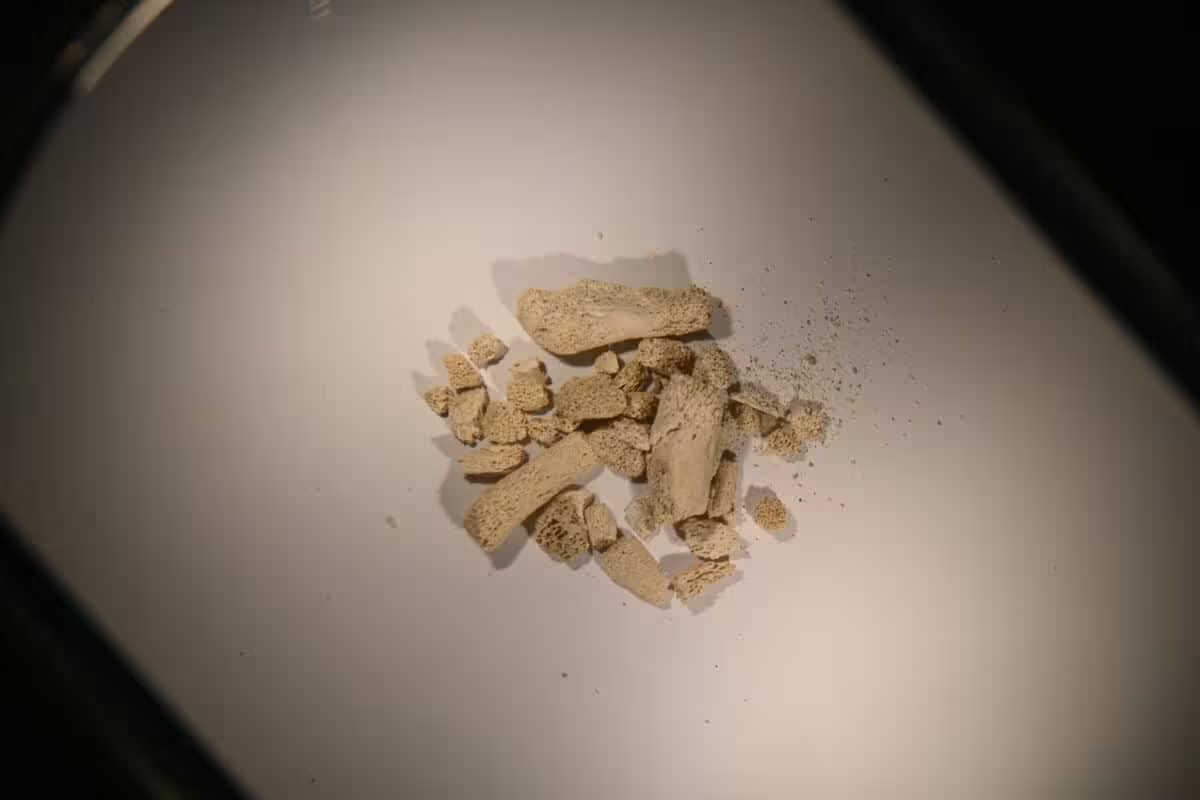
Freshwater fish recovered from the same layers indicate the existence of rivers and lakes flowing through the surrounding tundra, adding another dimension to the habitat picture.
Marine specimens, including bowhead whales and walruses—species that rely on sea ice for part of their life cycles—imply that ice persisted offshore at least part of the year. Conversely, harbour porpoise bones, belonging to animals that avoid ice‑covered waters, point to seasonal fluctuations in sea‑ice extent.
Local Extinctions Tied to Returning Ice
Genetic analyses revealed that the lineages represented in the cave did not survive the subsequent cooling event that allowed glaciers to re‑advance across the region.
Researchers attribute this loss to a lack of alternative habitats; as ice spread back onto the coast, the resident populations had no nearby refuges to which they could retreat.
The data suggest that entire local populations vanished rather than relocating to milder environments, because such options were absent once the ice encroached.
Walker noted that modern Arctic ecosystems are far more fragmented than they were 75,000 years ago, leaving contemporary wildlife with limited capacity to shift ranges in response to rapid climate change—a concern that resonates with current conservation efforts.
This article has been fact checked for accuracy, with information verified against reputable sources. Learn more about us and our editorial process.
Last reviewed on .
Article history
- Latest version
Reference(s)
- Walker, Samuel J.., et al. “A 75,000-y-old Scandinavian Arctic cave deposit reveals past faunal diversity and paleoenvironment.” Proceedings of the National Academy of Sciences, vol. 122, no. 32, August 4, 2025 National Academy of Sciences, doi: 10.1073/pnas.2415008122. <https://www.pnas.org/doi/10.1073/pnas.2415008122>.
- <https://www.bournemouth.ac.uk/news/2025-08-05/major-discovery-ice-age-bones-norwegian-cave-opens-window-past>.
Cite this page:
- Posted by Elizabeth Taylor