SpaceX Dragon splashes down off California, returning high‑value organ tissue and fuel data
SpaceX Dragon completes key NASA cargo mission, returning ISS scientific samples with a Pacific Ocean splashdown near California.
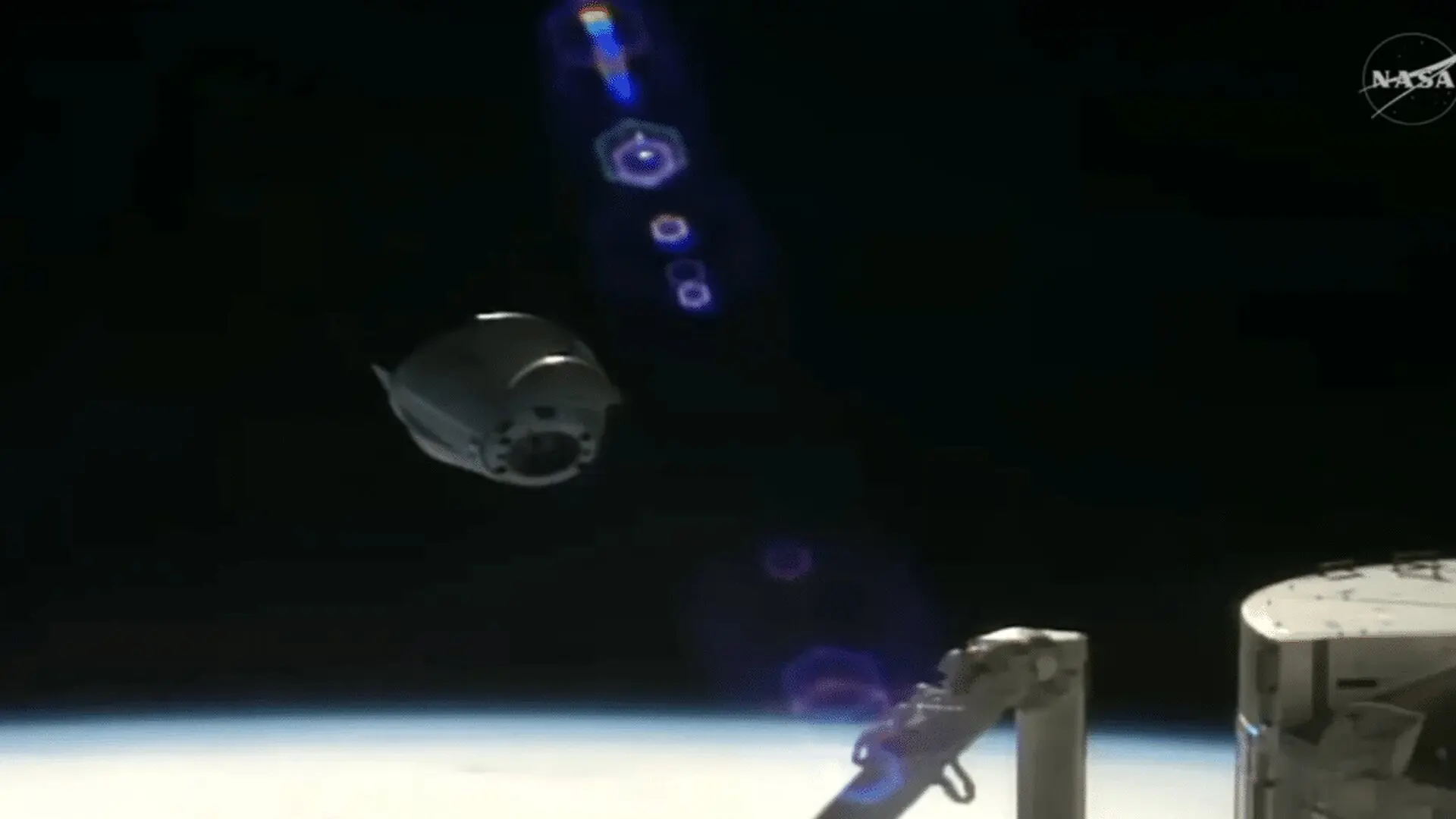
On the morning of June 17, 2026, a SpaceX Dragon capsule touched down in the Pacific Ocean just off Southern California, near Oceanside. The uncrewed vehicle completed its 34th commercial resupply run for the International Space Station, delivering a batch of scientific samples and equipment slated to shape future exploration and medical research.
Coordinated Descent and Recovery Operations
NASA reports that the capsule entered Earth’s atmosphere and executed a controlled descent before splashing down at 5:11 a.m. PDT (8:11 a.m. EDT). Recovery teams moved in quickly after touchdown to secure the spacecraft and begin the extraction of time‑sensitive research material.
The return sequence began with an undocking from the International Space Station on June 16 at 12:25 p.m. EDT. Following the separation, Dragon performed a series of orbital adjustments that established a stable re‑entry corridor, targeting a Pacific splash‑down zone chosen to reduce risk and expedite recovery, especially for biological specimens that demand controlled conditions.
Each phase of the descent—orbital maneuvering, atmospheric entry, and ocean landing—required precise timing. Minor deviations could jeopardize cargo integrity or delay the retrieval of experiment results.
High‑Impact Science Returning to Earth
Among the recovered items were bioprinted organ and cartilage tissues cultivated in microgravity, offering researchers a unique window into cellular behavior that cannot be replicated on the ground.
The payload also included extensive data sets on cryogenic fuel storage, a technology crucial for deep‑space missions where the long‑term stability of ultra‑cold propellants can dictate mission success. Scientists aim to understand how the weightlessness of space influences thermal performance and material durability over prolonged periods.
Additional cargo comprised early‑stage DNA‑inspired structures targeted at next‑generation cancer therapies, an ocular imaging system used to monitor astronaut eye health, a component of the cabin air filtration system, and a waste‑pump assembly for post‑flight analysis of life‑support hardware.
Together, these experiments address a common goal: to enable longer, safer, and more complex human voyages beyond low‑Earth orbit.
From Launch to Return: Mission Overview
The operation kicked off with a Falcon 9 launch from Space Launch Complex 40 at Cape Canaveral on May 15. Two days later, on May 17, Dragon successfully docked with the International Space Station, beginning its dual role as a supply ship and a return vehicle.
During its stay aboard the station, crew members loaded completed experiments and hardware into the capsule, preparing them for transport back to Earth.
After undocking on June 16, the spacecraft shifted focus from orbital duties to re‑entry preparation, conducting system checks, trajectory refinements, and timing alignments essential for a safe atmospheric descent.
The final splash‑down on June 17 closed the loop on a full mission cycle, delivering valuable scientific cargo and reinforcing the reliability of commercial resupply flights.
This article has been fact checked for accuracy, with information verified against reputable sources. Learn more about us and our editorial process.
Last reviewed on .
Article history
- Latest version
Reference(s)
- Amazouz, Lydia. “Traces Of Human DNA Found In 2-Billion-Year-Old Martian Meteorite.”, November 1, 2025 The Daily Galaxy - Great Discoveries Channel <https://dailygalaxy.com/2025/11/human-dna-2-billion-year-martian-meteorite/>.
Cite this page:
- Posted by Elizabeth Taylor