400-Year-Old Letter Uncovers Real King Qashqash of Old Dongola
Researchers uncover a centuries-old order linking cloth, livestock, and an obscure Nubian ruler, providing compelling evidence of his reign.
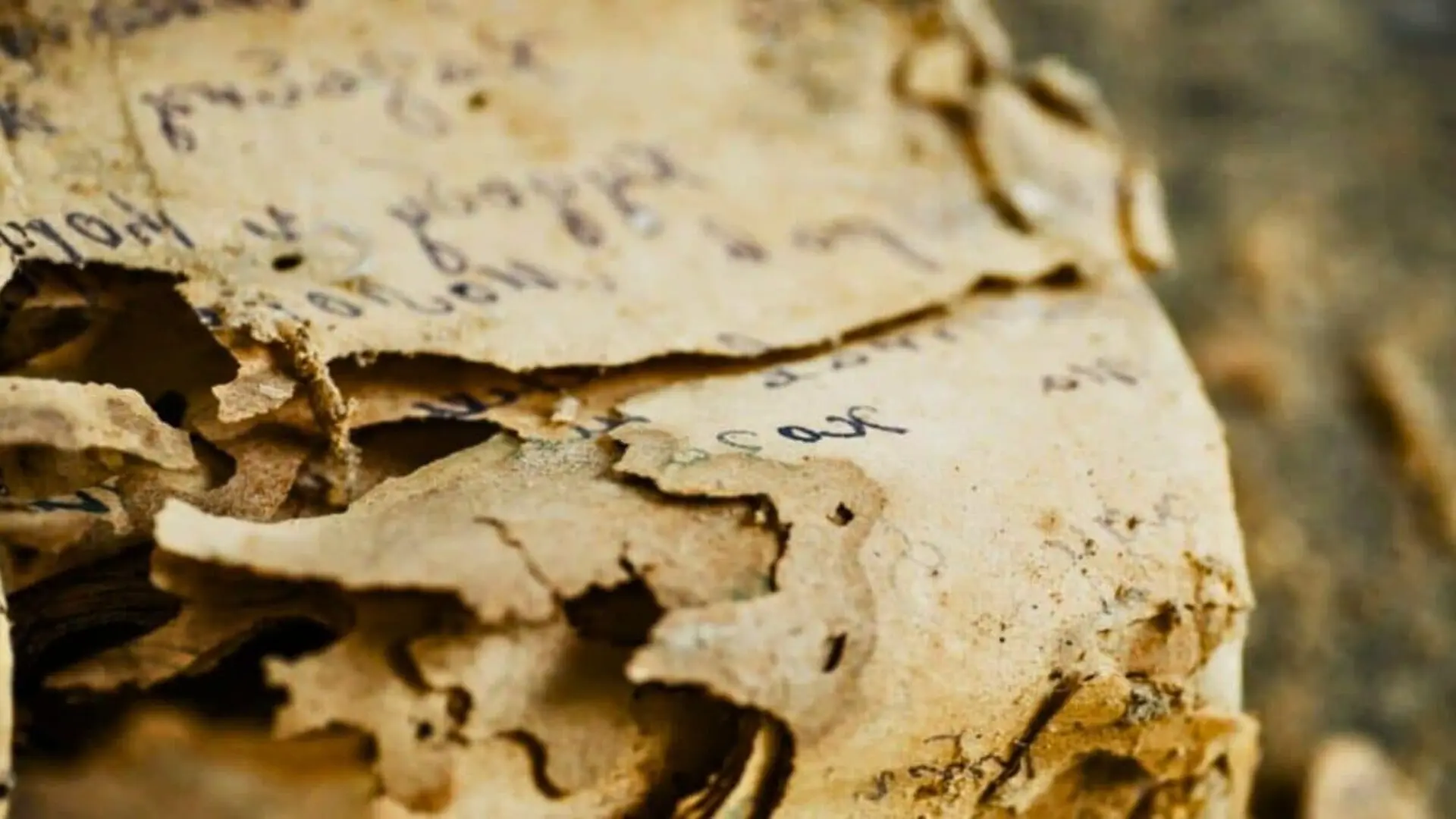
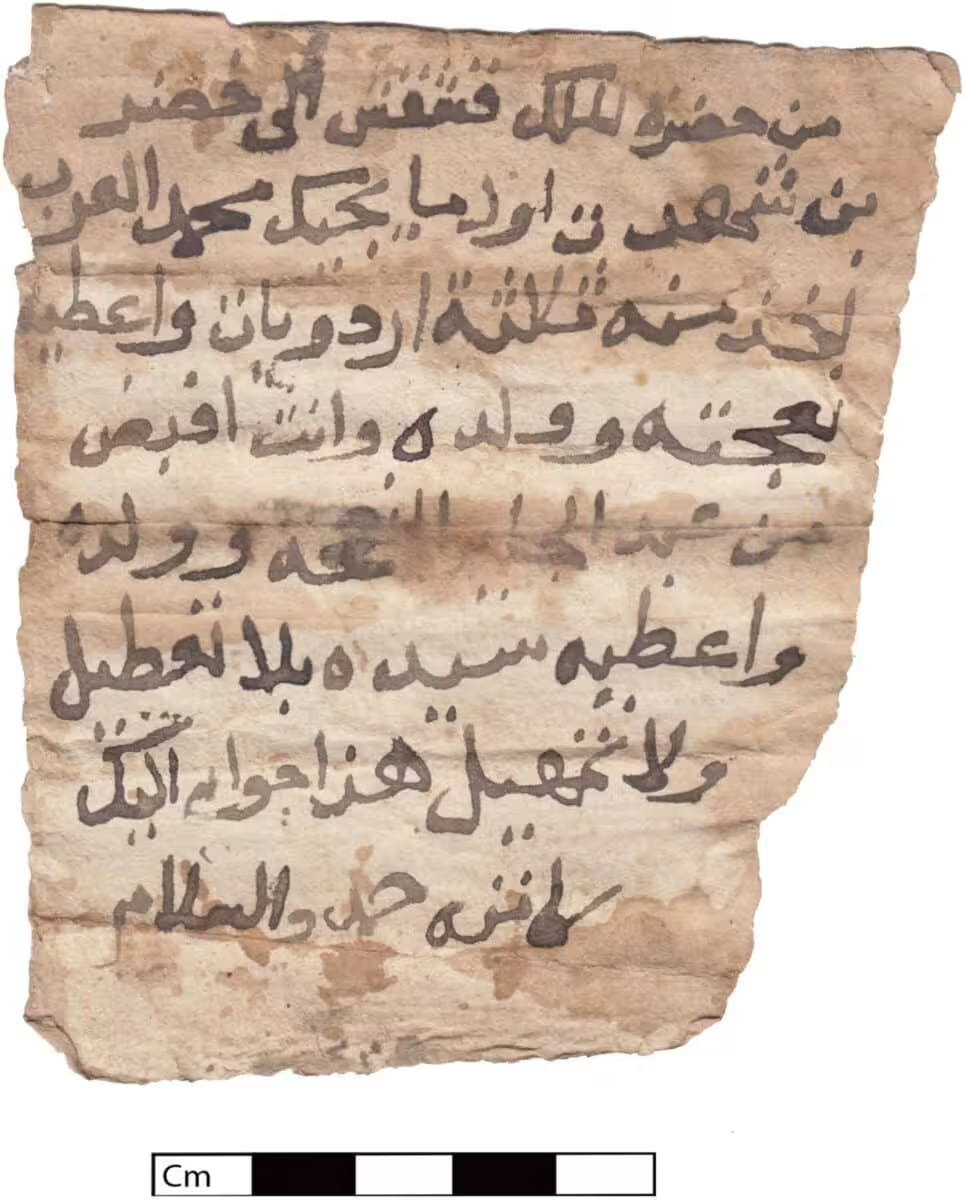
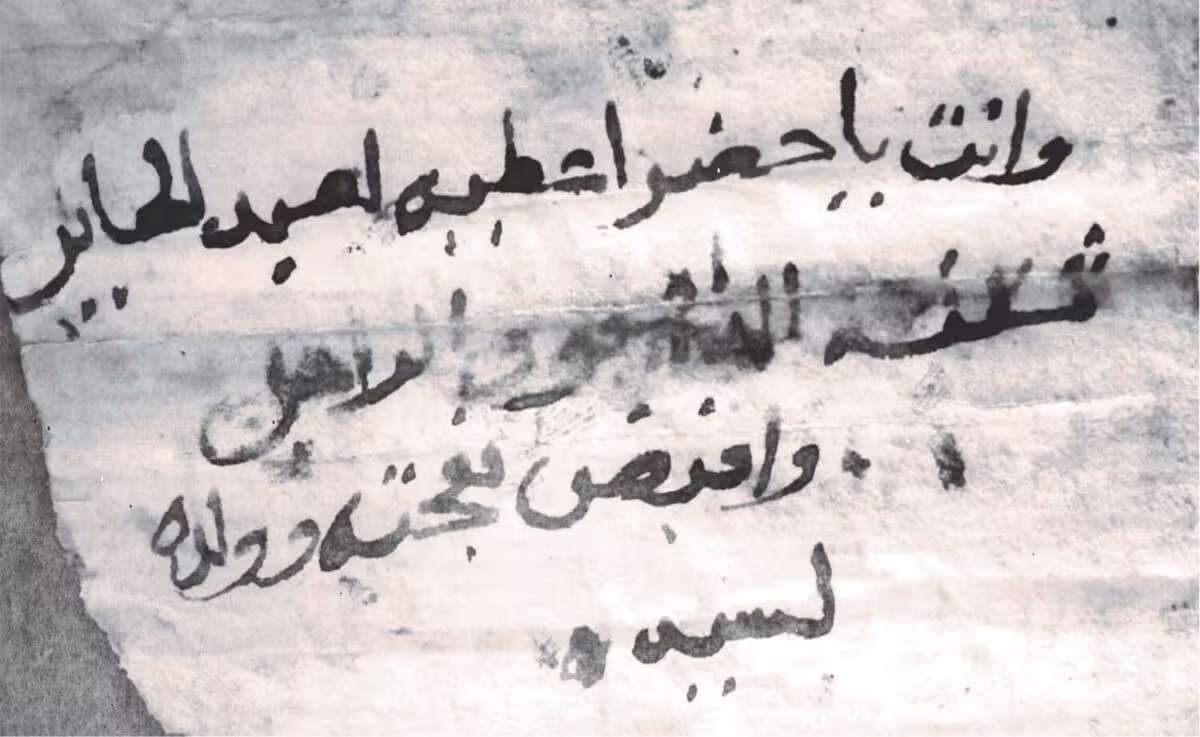
A tiny slip of paper, no larger than a hand, was recovered from a refuse layer at Old Dongola in northern Sudan. The surviving Arabic script records a straightforward barter: textiles in exchange for a ewe and its young.
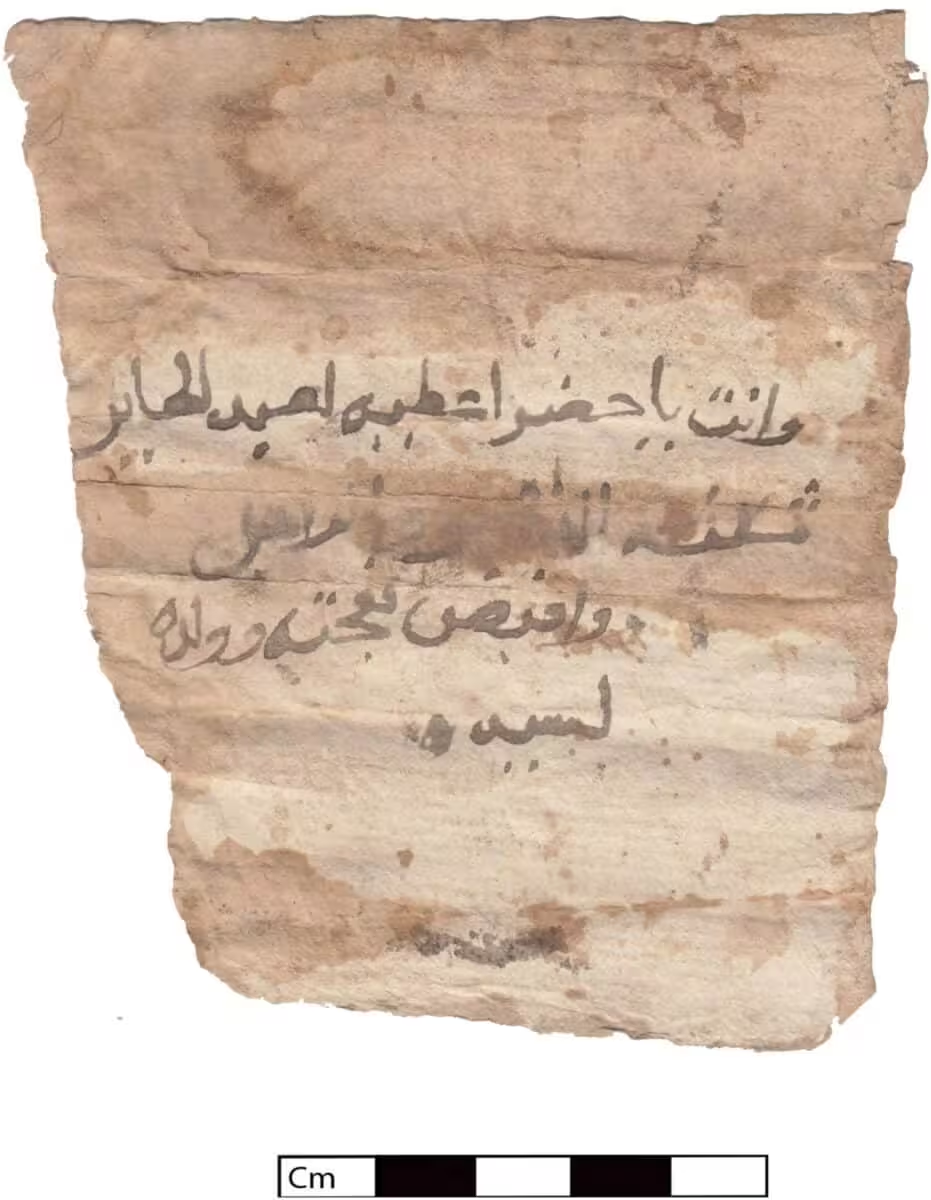
The directive is addressed to a man named Khidr and bears the signature of a scribe called Hamad. The damaged reverse side may mention cotton fabric or headgear, but the transaction itself is unremarkable—apart from the name of the issuer.
According to researchers, the fragment supplies concrete archaeological proof that King Qashqash, previously known only from later biographical and oral traditions, was an actual ruler who exercised power in Dongola. Their paper in Azania: Archaeological Research in Africa dates the document to the late 16th or early 17th century.
The study highlights the fragment as a rare instance where a figure confined to hagiographic and oral accounts can be anchored in a verifiable historical context supported by material culture.
Royal Command Orders Textile‑Livestock Swap
Measuring roughly 10.5 centimetres by 9.5 centimetres, the document instructs Khidr to receive three units of unspecified merchandise from Muhammad al‑ʿArab and, in return, deliver a ewe and its offspring. Khidr was to source the animals from another individual, ʿAbd al‑Jābir.
Scholars favour a textile interpretation for the merchandise, although the precise term remains ambiguous. Damage on the back hampers reading, but it may have required Khidr to hand over three cotton items to ʿAbd al‑Jābir before collecting the livestock.
The closing formula translates to “Do not hesitate! This is my letter/reply to you,” underscoring Qashqash’s personal involvement in directing the flow of goods.
Whether the exchange represented a reciprocal gift, royal patronage, or a simple commercial transaction remains unclear. The identities and social roles of Muhammad al‑ʿArab and ʿAbd al‑Jābir have yet to be clarified.
Stratigraphic Context Refines the Fragment’s Chronology
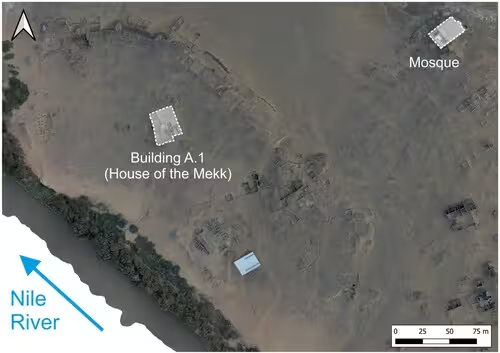
The order was uncovered in Building A.1, a substantial citadel dwelling locally termed the House of the Mekk. Excavations yielded over 20 Arabic documents, ranging from letters to legal and administrative records.
Although the slip itself lacks a date, the surrounding layer contained eight silver coins minted under Ottoman Sultan Murad IV (r. 1623‑1640). Radiocarbon testing on organic debris from the same deposit provided additional chronological markers.
These findings date the discard event rather than the creation of the document, suggesting the order may have been kept for some time before being discarded. Internal clues and comparative analysis lead scholars to place its production in the late 1500s or early 1600s.
Elite Artefacts Illuminate the House of the Mekk
Building A.1 surpasses contemporary residences in size and complexity. Among the recovered items were silk, cotton and linen textiles, leather footwear, jewellery, an ivory or rhinoceros‑horn dagger handle, and musket balls.
The assemblage of luxury goods, weaponry, and written material supports the view that the building served as the domicile of a ruler or another high‑status individual, with the administrative order forming part of a broader communication network.
Historical Records Mention Qashqash Without Physical Proof
Prior to this discovery, Qashqash—also rendered as Kashkash—appeared chiefly in later Sudanese biographical traditions that described him as the father of King Hasan and an ancestor of notable religious leaders.
Because those narratives were compiled long after his presumed reign, scholars lacked contemporary material evidence of his rule. The newly identified order bears his name in the context of a routine administrative act, providing the missing link.
The team now recognises Qashqash as the earliest documented post‑medieval king of Dongola, with the fragment recording his directive to exchange three textile units for a ewe and its young.
This article has been fact checked for accuracy, with information verified against reputable sources. Learn more about us and our editorial process.
Last reviewed on .
Article history
- Latest version
Reference(s)
- Barański, Tomasz., et al. “The King of Nubia at work: archaeological context and text edition of a sixteenth/seventeenth-century Arabic document from Old Dongola.” Azania: Archaeological Research in Africa, vol. 61, no. 2, February 6, 2026, pp. 349-374. Informa UK Limited, doi: 10.1080/0067270X.2026.2615518. <https://www.tandfonline.com/doi/full/10.1080/0067270X.2026.2615518>.
Cite this page:
- Posted by Hassan Raza