Forgotten Soviet Bioweapon Island Reappears on Mainland, Uncovering Untreated Anthrax Pits
Soviet bio‑weapons island resurfaces from the Aral Sea, revealing a chilling legacy hidden in an abandoned ghost town.
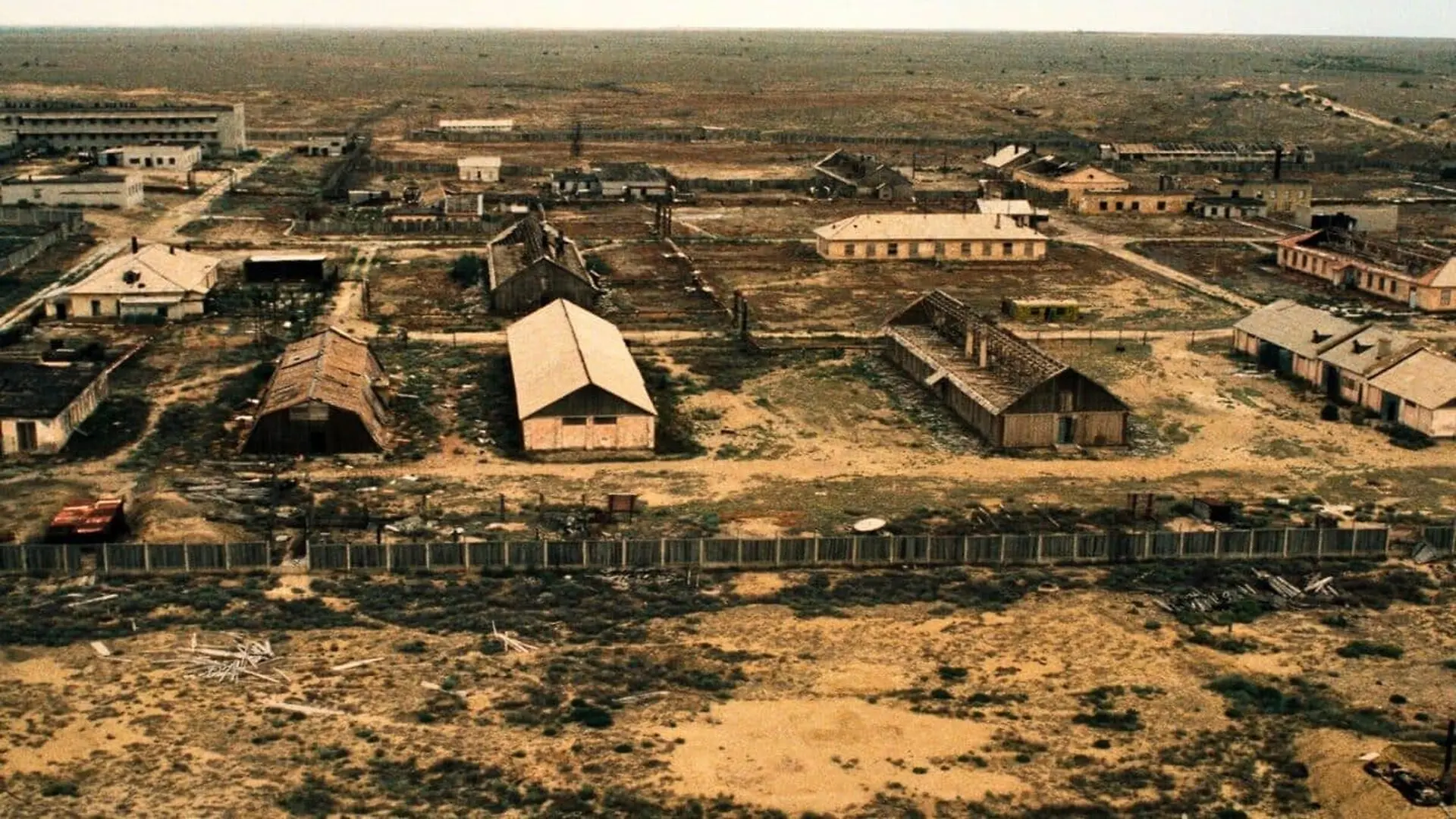
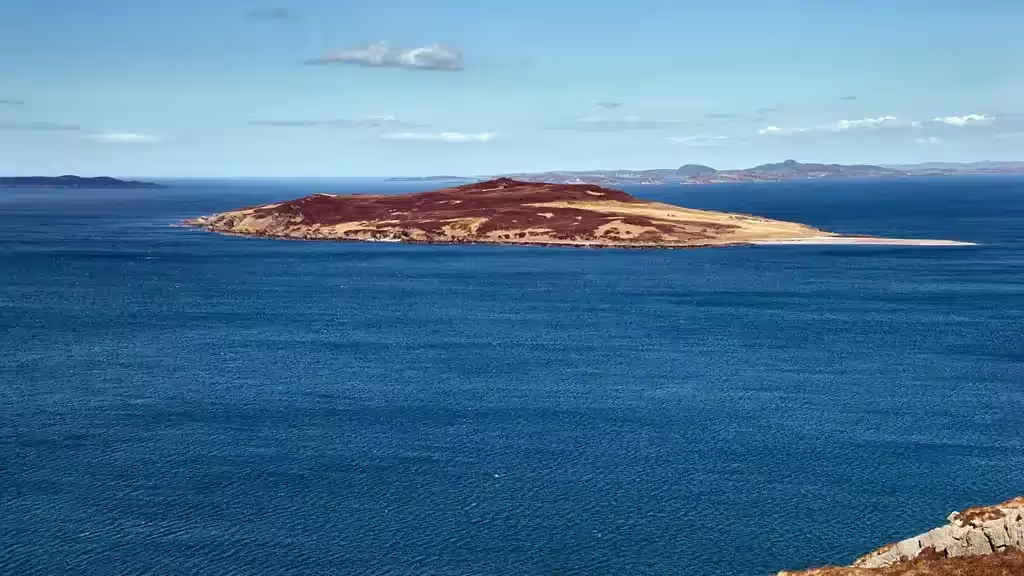
When the Aral Sea’s waters receded in the early 2000s, the former Vozrozhdeniya Island lost its natural moat and merged with the mainland, erasing the last geographical barrier that had shielded a decades‑long Soviet bioweapons complex.
A Remote Outpost Turned Biological‑Weapons Hub
The site, known in Soviet archives as Aralsk‑7, combined the closed settlement of Kantubek with laboratories, animal facilities and an open‑air testing range. At its peak the community supported roughly 1,500 military personnel and their families, while an estimated 150 scientists, technicians and soldiers staffed the research installations.
Soviet interest in the location began with a 1936 military biology expedition, followed a year later by trials involving tularemia, plague and cholera. World War II halted the work, which resumed after the conflict and evolved into a permanent complex whose construction kicked off in 1954. By 1962, U.S. reconnaissance flights captured aerial views showing barracks, a parade ground, animal pens, research buildings and a dedicated open‑air testing zone on the island.
Kantubek functioned like a self‑contained town, featuring apartment blocks, a school, shops, a post office, a dining hall, a stadium, barracks and its own power plant. Fresh water arrived by barge and was stored in large tanks, while the nearby Barkhan airfield, equipped with four runways, accommodated aircraft under shifting wind conditions.
A few kilometres away stood the PNIL laboratory, and the southern sector of the island served as the main release zone where pathogens—anthrax, plague, smallpox, tularemia, brucellosis, typhus, Q fever and others—were dispersed from aircraft or explosive devices. The layout exploited prevailing winds to carry aerosol clouds away from the settlement, and all personnel underwent mandatory decontamination and quarantine after each test. In the 1980s, 500 monkeys used for tularemia experiments perished; their remains were incinerated and buried on the island.
Incidents That Highlighted the Program’s Hazards
A 1971 episode aboard the research vessel Lev Berg illustrated the program’s vulnerability. The ship entered a haze near the island, and a crew member later developed smallpox despite prior vaccination. The infection spread to nine additional people in her hometown, resulting in three fatalities. Subsequent investigations linked the outbreak to an aerosol cloud generated during a smallpox field trial.
The following year, two fishermen were found dead in their boat; investigators suspected plague, though definitive confirmation never materialized.
In May 1988, reports emerged of a massive die‑off of 50,000 saiga antelope on a nearby steppe within an hour. The cause remained uncertain, with investigators unable to rule out environmental contamination or other factors.
The Soviet bioweapons program also manifested far from the Aral Sea. The infamous 1979 anthrax outbreak in Sverdlovsk (now Yekaterinburg) resulted in death toll estimates ranging from 68 to over 100, according to an East Carolina University archive and a BBC Future analysis. Soviet authorities initially blamed contaminated meat, but later investigations identified a laboratory accident as the true source.
How the Aral Sea’s Desiccation Exposed the Site
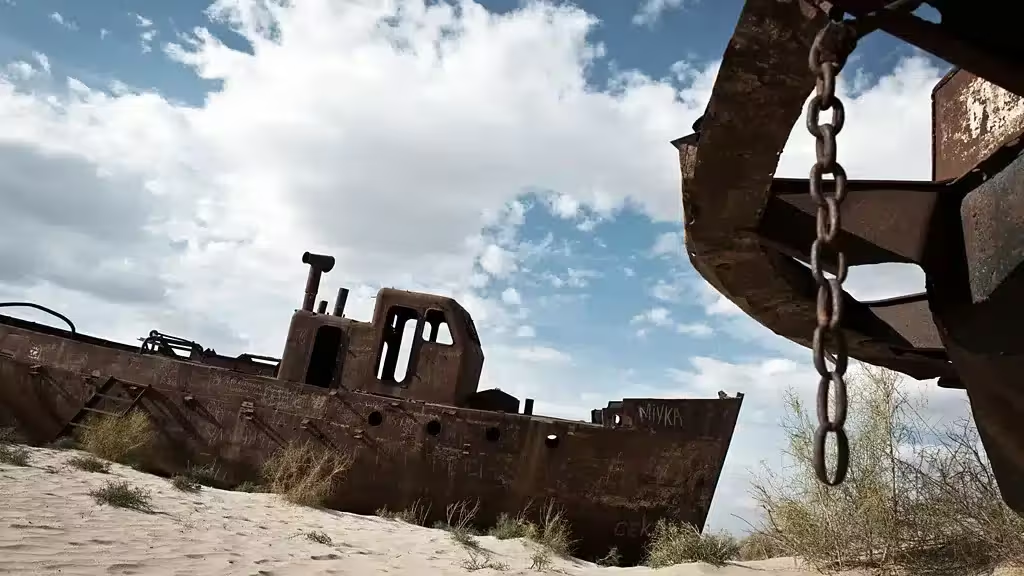
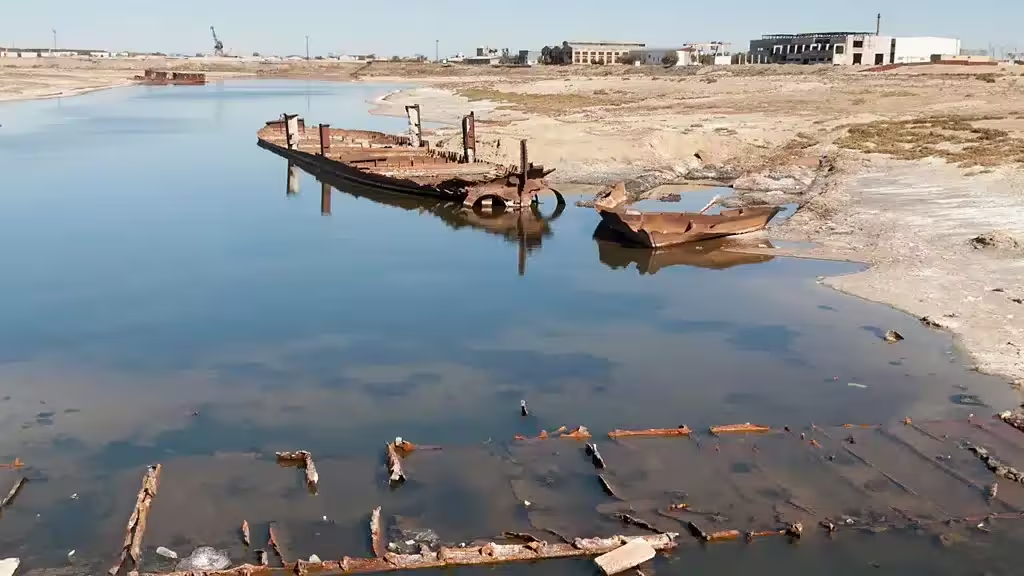
During the 1950s and 1960s, Soviet water‑management projects diverted the Syr Darya and Amu Darya rivers to irrigate cotton fields, dramatically lowering the Aral Sea’s level. By 1964 the lake had been the world’s fourth‑largest inland water body, but the diversion caused shorelines to recede and exposed vast stretches of the former lakebed, a transformation documented by NASA’s Earth Observatory.
As the water vanished, Vozrozhdeniya Island expanded nearly tenfold in the 1990s. By 2001 the landmass had fused with the mainland, turning the former island into a peninsula and stripping away the isolation that had once concealed the bioweapons complex.
The Soviet bioweapons program wound down as the USSR collapsed. Aralsk‑7 officially closed in November 1991, and the remaining residents of Kantubek were evacuated within weeks. According to the Arms Control Association, the final Soviet withdrawal from the site occurred in 1992, leaving behind structures, equipment and civilian infrastructure.
Before the Soviet exit, authorities attempted to neutralize a large anthrax cache. In 1988, roughly 100–200 tonnes of anthrax slurry were mixed with bleach, loaded onto barges and dumped into pits on Vozrozhdeniya. Later U.S. Department of Defense scientists testing the area in the late 1990s still detected viable anthrax spores in surrounding soil samples.
U.S.–Uzbek Remediation Effort Targets Anthrax Graves
On 22 October 2001, the United States and Uzbekistan signed an agreement to remediate the former bioweapons site. The program, funded up to $6 million, aimed to dismantle about 20 structures, decontaminate former laboratories and treat 11 identified anthrax burial pits.
A team of one hundred local workers spent four months excavating contaminated soil, transferring it into a sealed trench and treating it with several thousand kilograms of powdered bleach. After six days of chemical treatment, laboratory analyses reported no surviving anthrax spores in the processed material.
While the cleanup successfully addressed the documented laboratories and pits, it did not verify that all open‑air testing zones or unmarked burial sites were free of residual pathogens. Consequently, the broader area surrounding the former range remains a subject of ongoing monitoring and concern.
This article has been fact checked for accuracy, with information verified against reputable sources. Learn more about us and our editorial process.
Last reviewed on .
Article history
- Latest version
Cite this page:
- Posted by Hassan Raza