Satellite Images Reveal Hidden Desert Trade Hub Once Mistaken for the Atlantis of Sands
New digs uncover a key incense‑trade hub, shedding light on ancient commerce but not confirming the legendary Atlantis of the Sands.
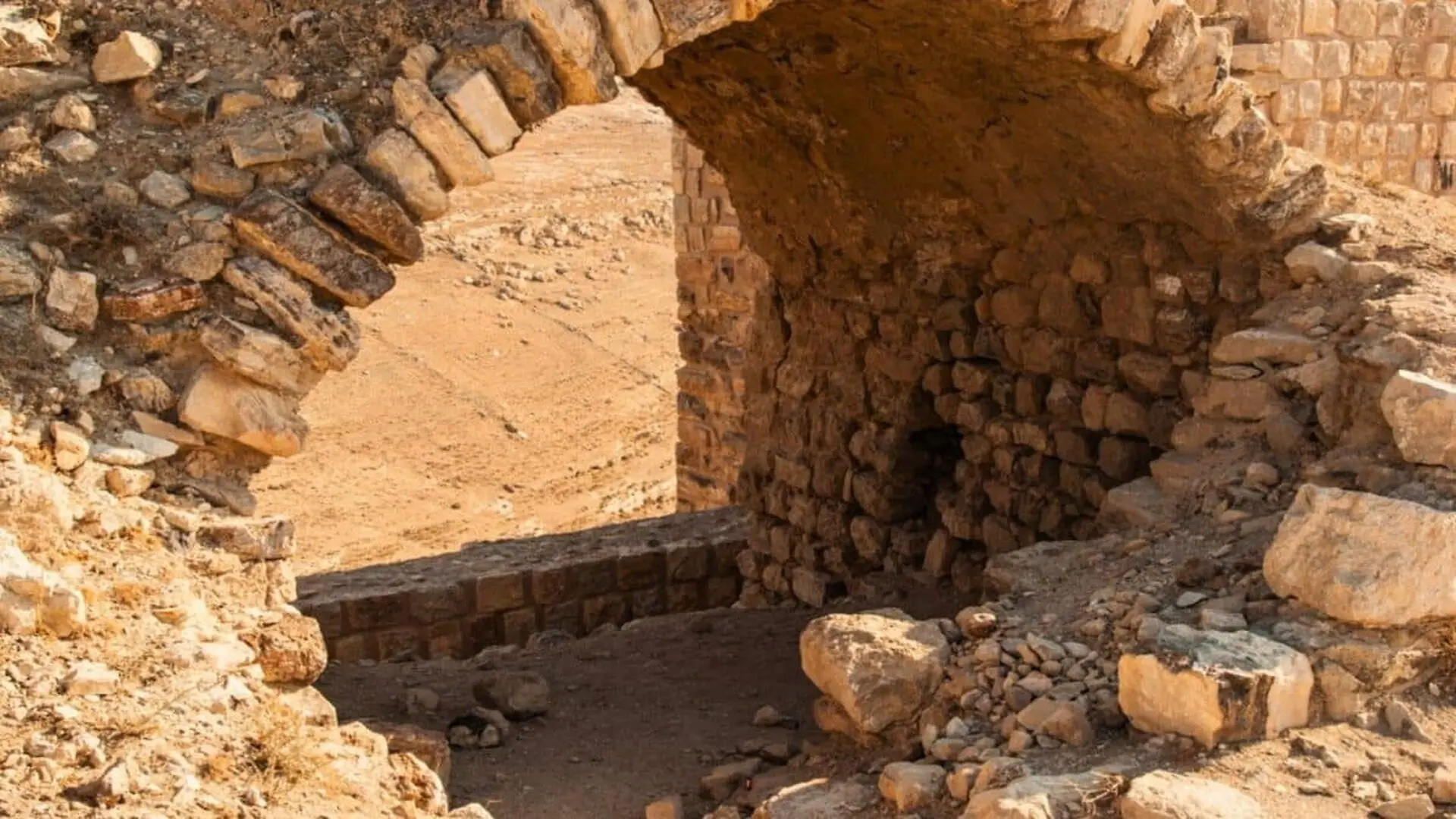
For many years explorers chased the myth of a lost Arabian metropolis dubbed “the Atlantis of the Sands.” Modern satellite technology, combined with careful study of ancient texts, redirected that quest toward a site that, while different from the legend, offers a remarkable glimpse into desert trade networks.
The location lies on the fringe of the Rub’ al Khali, the immense sand sea that stretches across Saudi Arabia, Yemen, Oman, and the United Arab Emirates. Known internationally as the Empty Quarter, it ranks as the planet’s largest uninterrupted sand expanse, covering an area comparable to France and containing roughly half the Sahara’s sand volume, according to NASA’s Earth Observatory. In this harsh terrain many depressions fall below sea level, while dunes near the Yemeni border can climb to about 1,200 meters.
Satellite data uncovers ancient desert crossroads
A multidisciplinary team—including Ronald G. Blom, Robert Crippen, Charles Elachi, filmmaker Nicholas Clapp, and archaeologist Dr. Juris Zarins—leveraged Landsat Thematic Mapper images and space‑borne radar to map a web of caravan routes that converged on a single point deep in the Omani desert. Some of these pathways run beneath dunes that rise 100 meters, suggesting the routes predate the sand formations that now conceal them.
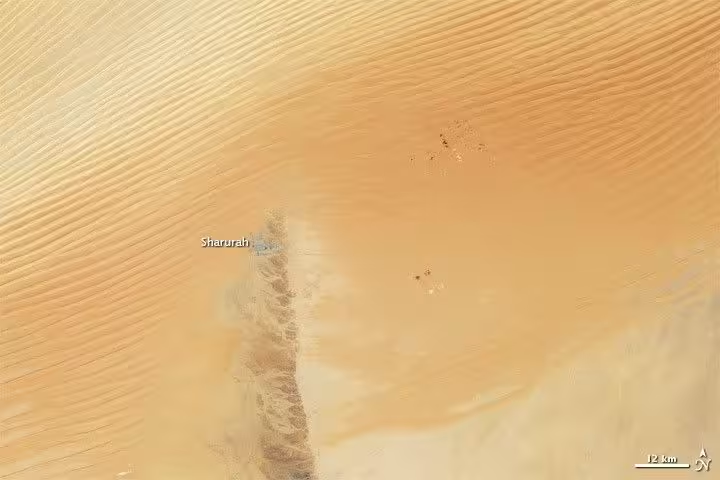
The convergence point identified by the remote‑sensing analysis is Ash Shisr, also called Shisur, a settlement perched at the edge of the Empty Quarter in present‑day Oman. The authors’ chapter in Remote Sensing in Archaeology (Springer, 2006) reports that no comparable undiscovered sites appear elsewhere in the region, confirming that Shisur functioned as a genuine hub for ancient desert commerce.
Ash Shisr: Fortress at the heart of the Empty Quarter
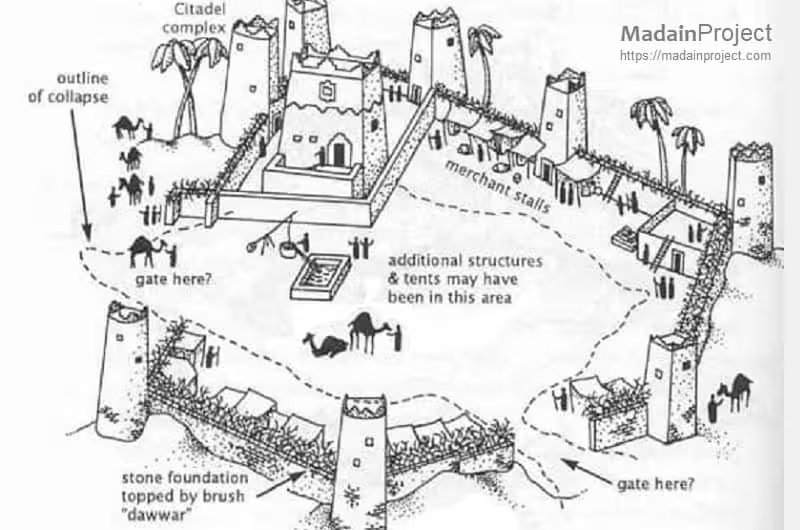
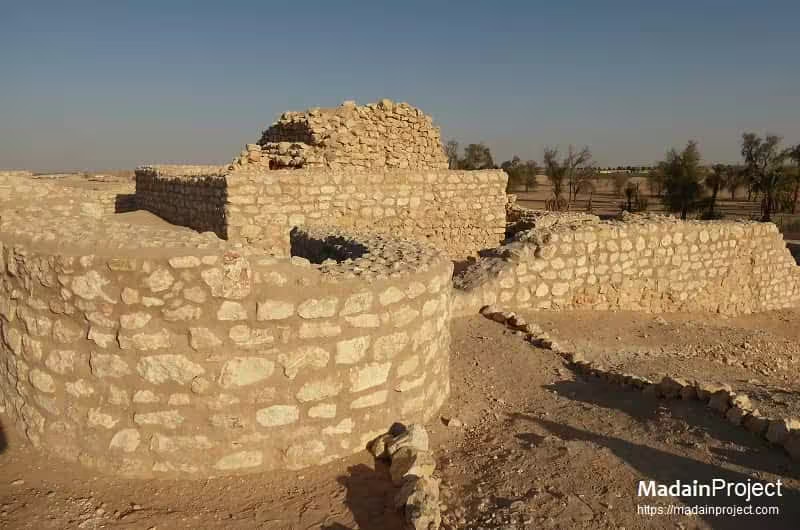
Excavations at the Shisur complex revealed a fortified enclosure built around a well, surrounded by thick walls and towers. Material recovered from the site includes artifacts traced to Persia, Rome and Greece, indicating that the settlement participated in long‑distance trade despite its isolation.
Among the most striking discoveries were Parthian‑styled ceramics, a find that surprised researchers who had anticipated primarily western, Roman‑era imports. In a 1996 interview with NOVA/PBS, Dr. Zarins explained that the evidence points to a community that mediated between eastern Parthian markets and western Roman demand for incense, rather than serving a single empire.
The dig also produced tiny fragments of frankincense, grinding stones for barley and dates, animal bones—including cattle, sheep, goats and even fish from the Indian Ocean—and traces of an irrigation system. Separate storage vats for frankincense were identified at a nearby eastern location, while smaller encampments within roughly six miles of Shisur appear to have functioned as caravan waystations.
Zarins emphasized that the fort’s primary purpose was to safeguard water, a critical asset in a landscape where any permanent source attracts raiders.
Reinterpreting the legend of Ubar
Whether the expedition “found Ubar” hinges on the original meaning of the name. Dr. Zarins clarified to NOVA that classical and Arab sources use “Ubar” to denote a region and its people, the Iobaritae, rather than a single city. Ptolemy’s second‑century map labels the area “Iobaritae,” treating it as a tribal territory. It was not until medieval retellings of One Thousand and One Nights that the name morphed into a solitary, sunken metropolis.
The actual collapse of Shisur’s fortress appears to have resulted from a sinkhole around the well, likely caused by groundwater extraction for irrigation, rather than a mythic sandstorm.
According to the Springer chapter, the broader decline of the desert trade network likely stemmed from three interrelated factors: the reduced demand for frankincense after the Roman Empire’s conversion to Christianity, the gradual depletion of groundwater that dried out oases, and the emergence of reliable sea routes that rendered overland incense caravans obsolete.
Even with these complexities, Zarins affirmed that the investigation uncovered a lost urban center, noting that Shisur represents the most significant of several regional hubs associated with the Iobaritae.
Space‑borne sensing reshapes Arabian archaeology
The Ubar project set a precedent for integrating satellite imagery with conventional field methods. Only from orbit could the faint traces of ancient caravan tracks—buried beneath meters of sand—be detected and mapped relative to the terrain.
Zarins attributed the project’s success to a collaborative approach that combined ancient manuscripts, geological analysis, climate studies, and botanical and zoological data alongside the remote‑sensing results. Although Shisur had been noted as an Ottoman‑era outpost, pre‑Islamic pottery shards prompted a reassessment of its importance.
By the time of the 1996 NOVA interview, Zarins had completed an additional two and a half years of excavation at Shisur and was preparing surveys of potential Iobaritae sites in Yemen, searching for similar fortress‑well configurations along historic trade corridors.
This article has been fact checked for accuracy, with information verified against reputable sources. Learn more about us and our editorial process.
Last reviewed on .
Article history
- Latest version
Reference(s)
- Migrate, NASA. “Empty Quarter, Arabian Peninsula - NASA Science.”, April 22, 2012 NASA <https://science.nasa.gov/earth/earth-observatory/empty-quarter-arabian-peninsula-77714/>.
- Blom, Ronald G.., et al. “Southern Arabian Desert Trade Routes, Frankincense, Myrrh, and the Ubar Legend.” Interdisciplinary Contributions To Archaeology, pp. 71-87. Springer New York, doi: 10.1007/0-387-44455-6_3. <https://link.springer.com/chapter/10.1007/0-387-44455-6_3>.
- “NOVA Online/Lost City of Arabia/Zarins Interview.” <https://www.pbs.org/wgbh/nova/ubar/zarins/>.
- “Ubar - Madain Project (en).” <https://madainproject.com/ubar>.
Cite this page:
- Posted by Hassan Raza