1,600-Year-Old Discovery Reveals Ancient Burial of Baby Born With Rare Cyclopia Condition
Scientists have uncovered a rare genetic secret within a 1,600-year-old skull, transforming what once appeared to be an ordinary ancient grave.
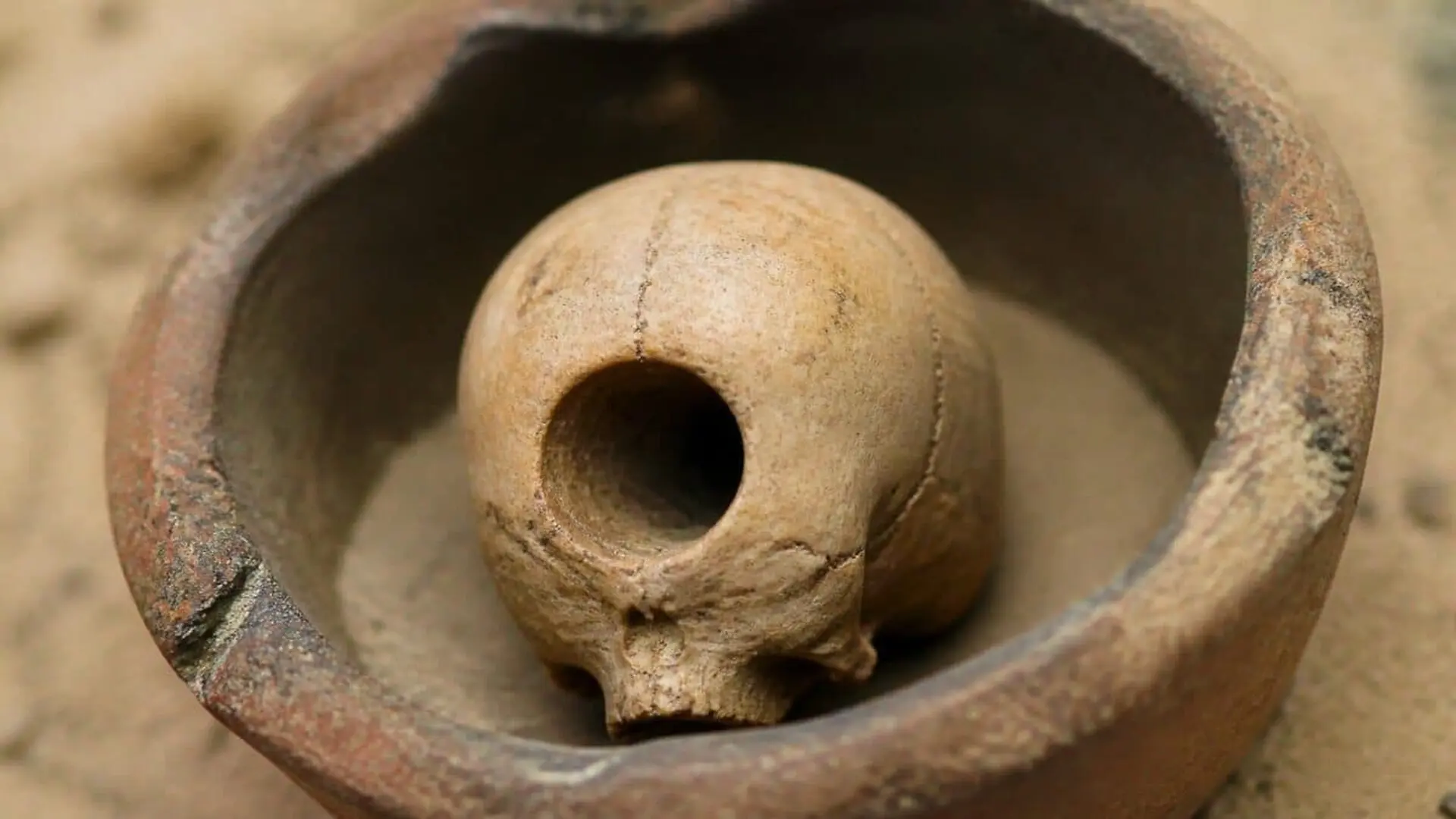
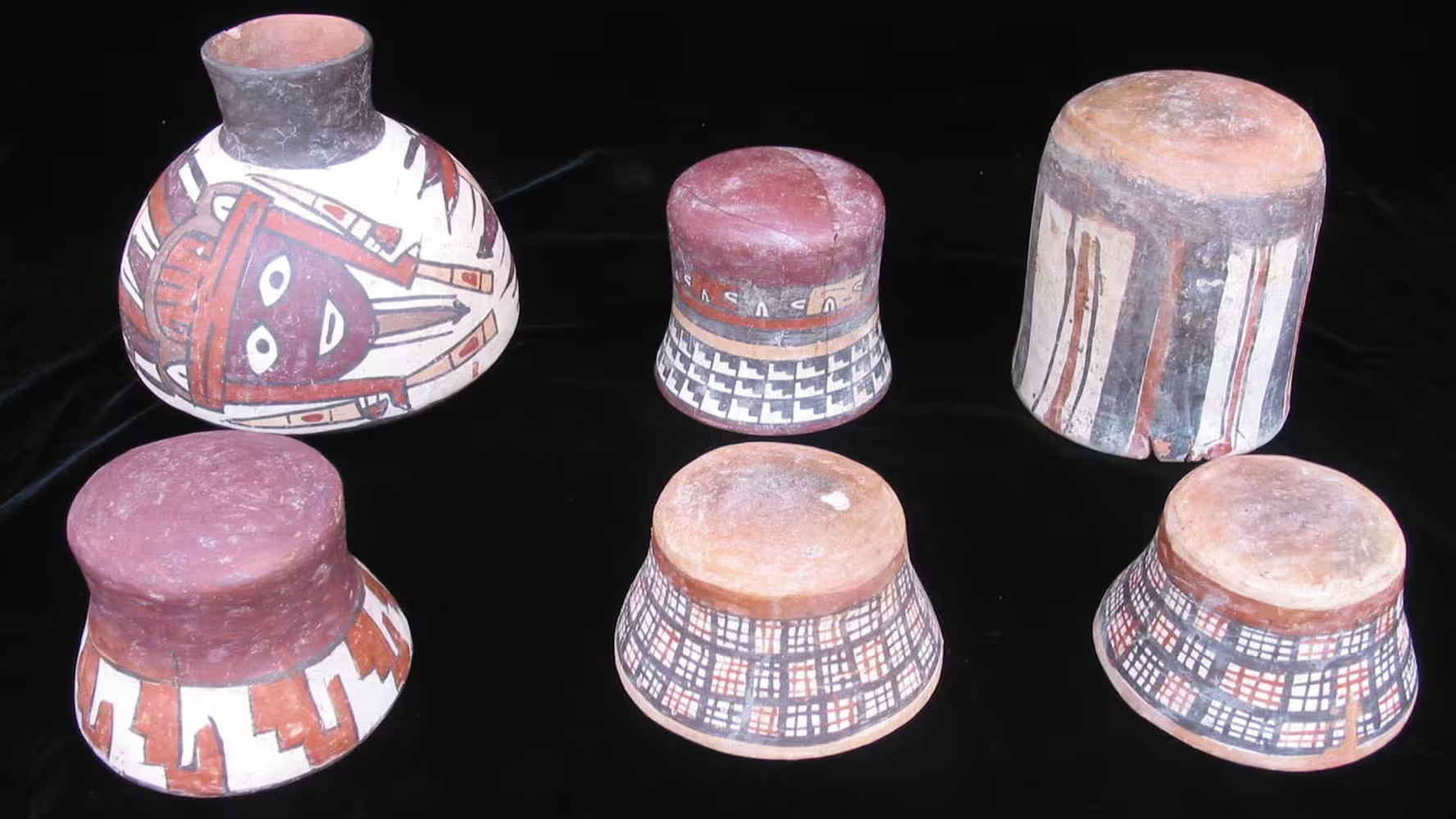
In the arid landscape of southern Peru’s Palpa Valley, where the enigmatic Nazca Lines span the desert floor, archaeologists have uncovered a rare window into the lives of ancient children. While the Nazca culture typically interred their young in ceramic vessels within standard cemeteries, one particular burial site at Jauranga—dating between 325 and 440 AD—held a discovery that defied both historical precedent and clinical expectation.
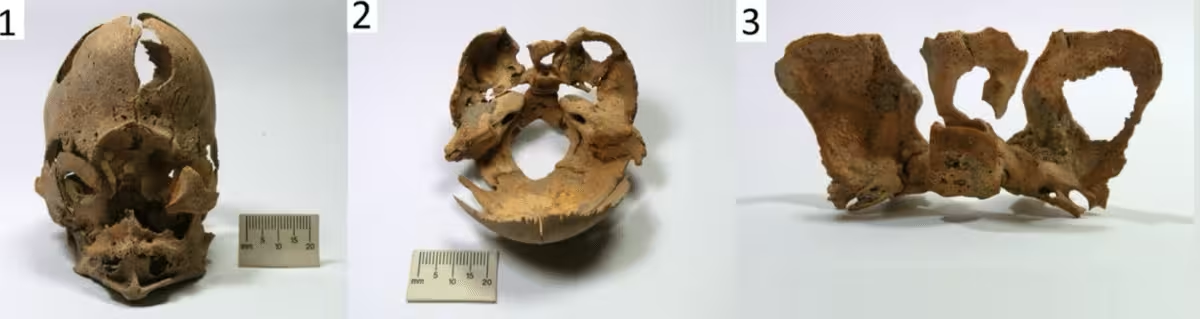
Inside a single ceramic jar, researchers found the remains of two infant girls. The lower burial contained an infant with a severely malformed skull, featuring a single, central eye socket. This discovery, detailed in the journal PNAS, marks the first time such a developmental abnormality has been identified in an archaeological context.
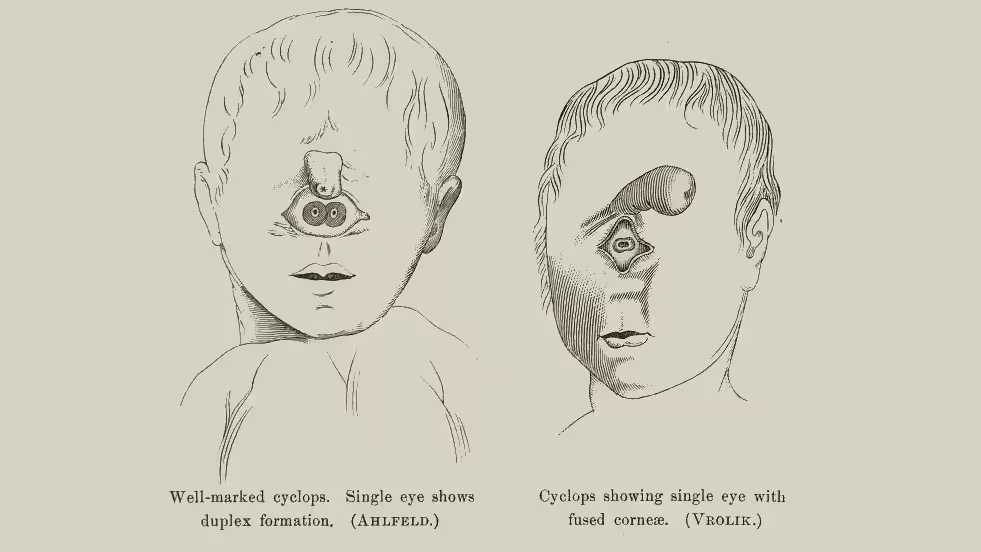
The condition, known as cyclopia, occurs when the embryonic brain fails to properly divide into two hemispheres during the first trimester. It is a profoundly rare and often fatal defect, occurring in roughly one out of every 100,000 births. Lead study author Elsa Tomasto-Cagigao of the Pontifical Catholic University of Peru, working alongside an international team of researchers, sought to confirm the biological origins of the skull’s unique shape.
Through genomic sequencing, the team determined the infant suffered from trisomy 13, also known as Patau syndrome—a chromosomal disorder that serves as a primary genetic driver for cyclopia. The analysis ruled out artificial cranial deformation or post-mortem distortion, confirming the condition was congenital.
An Ordinary Burial for a Unique Life
The discovery yielded another unexpected detail: the two infants in the jar were not related. Genomic data confirmed they had different mothers, yet they were interred together in a single event. Despite the infant’s visibly severe physical differences, the burial showed no signs of ceremonial exclusion or disparate treatment. She was laid to rest with the same care and in the same context as other children in the community.
Anthropologist Lars Fehren-Schmitz of the University of California, Santa Cruz, noted that the absence of special handling suggests the community did not stigmatize the child’s condition. While it remains unclear if this reflects broader Nazca societal attitudes toward disability, it underscores a moment of community acceptance at Jauranga.
The Potential for Care
While the infant’s exact lifespan is unknown, the biological evidence confirms she survived birth. Siân Halcrow, a bioarchaeologist at the University of Otago who was not involved in the study, suggests that the remains do not rule out the possibility that the infant lived for several weeks or even months. If she survived beyond the initial days of birth, it would have required significant, consistent care from her caregivers, including feeding and protection from environmental stressors.
This possibility transforms the interpretation of the burial from a simple record of mortality into a potential testament to human compassion. While the silence of the archaeological record means the identities of those who cared for her are lost, the existence of the burial itself invites a reconsideration of how ancient societies supported members with profound physical needs.
This article has been fact checked for accuracy, with information verified against reputable sources. Learn more about us and our editorial process.
Last reviewed on .
Article history
- Latest version
Reference(s)
- Tomasto-Cagigao, Elsa., et al. “A Nasca-period perinatal burial reveals cyclopia associated with trisomy 13 in southern Peru.” Proceedings of the National Academy of Sciences, vol. 123, no. 46, November 9, 2026 National Academy of Sciences, doi: 10.1073/pnas.2625042123. <https://www.pnas.org/cgi/doi/10.1073/pnas.2625042123>.
Cite this page:
- Posted by Elizabeth Taylor