Archaeologists Discover Massive Ancient Cathedral Hidden Under The Sudan Desert
Archaeologists in Sudan have uncovered a massive medieval cathedral buried in the desert, revealing unexpected secrets about a lost civilization’s history.
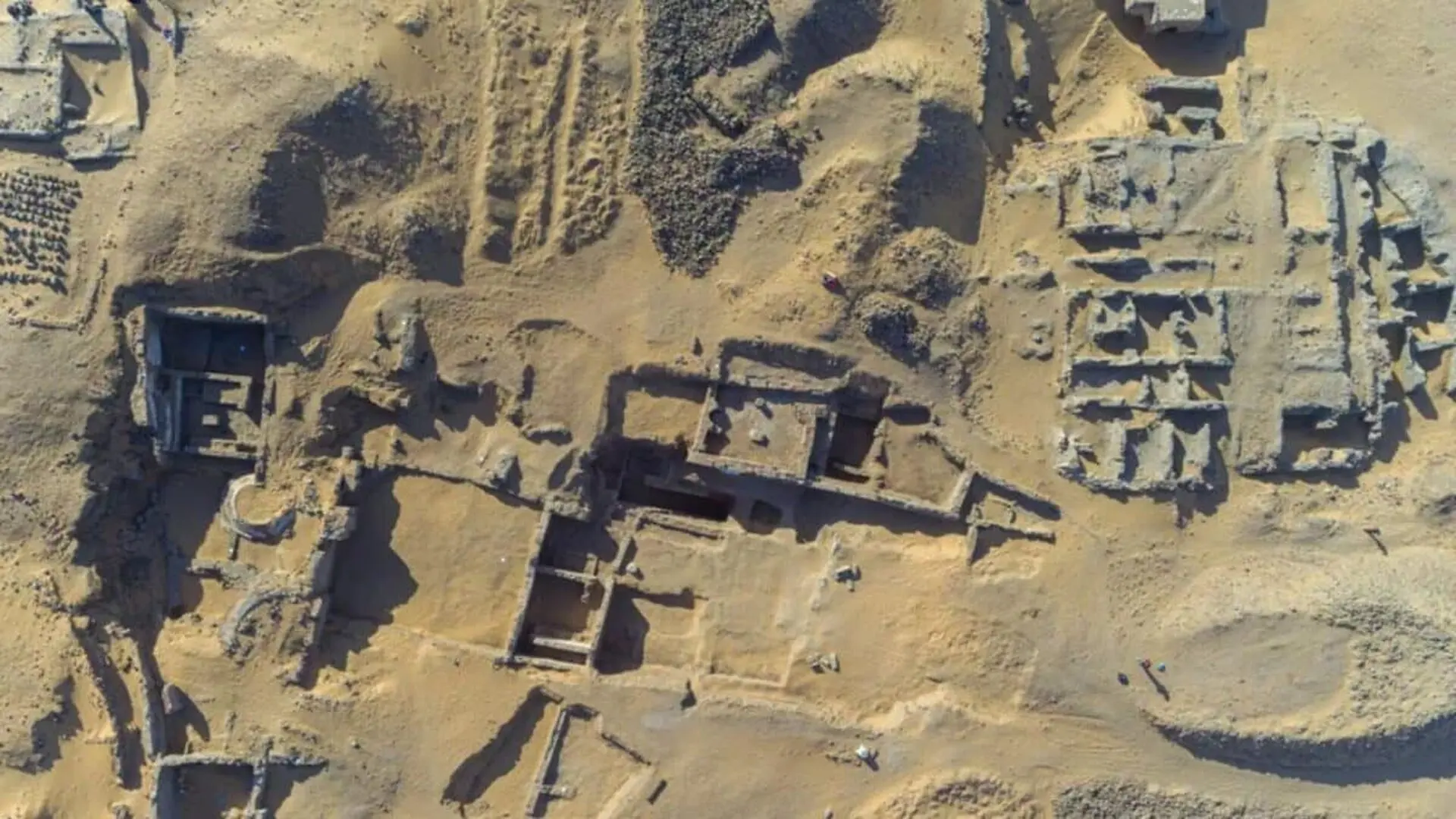
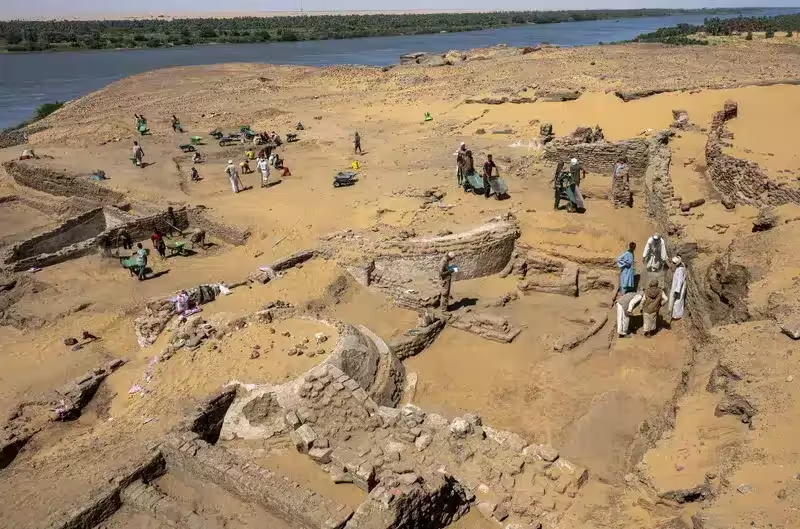
Archaeologists working at the remote site of Old Dongola in northern Sudan have uncovered the foundational floor of the Great Church of Jesus, a monumental cathedral that once served as the spiritual heart of the medieval Makuria kingdom. The excavation, conducted by a joint team from the University of Warsaw and Sudan’s National Corporation for Antiquities and Museums, reveals a structure of immense architectural ambition, spanning approximately 47 meters in width and 57 meters in length.
Situated on the east bank of the Nile, Old Dongola thrived as a major urban center between the sixth and 14th centuries CE, following the region’s conversion to Christianity. Current investigations at the site are shedding light on the scale of this medieval power, with researchers suggesting the cathedral could have reached heights of up to 21 meters.
An Architectural Landmark Emerges
Recent fieldwork has unearthed a massive staircase, marking a significant milestone in understanding the cathedral’s original design. Some of the surrounding walls remain standing at heights of 11 meters, providing clear evidence of the building’s structural footprint. Professor Artur Obłuski, the expedition director from the Polish Centre of Mediterranean Archaeology, emphasizes that the building’s sheer size surpasses that of the White House in Washington, DC. He suggests that the Great Church of Jesus likely served as a regional architectural trendsetter, occupying a position of influence comparable to the Hagia Sophia in Constantinople.
Hidden Layers of History
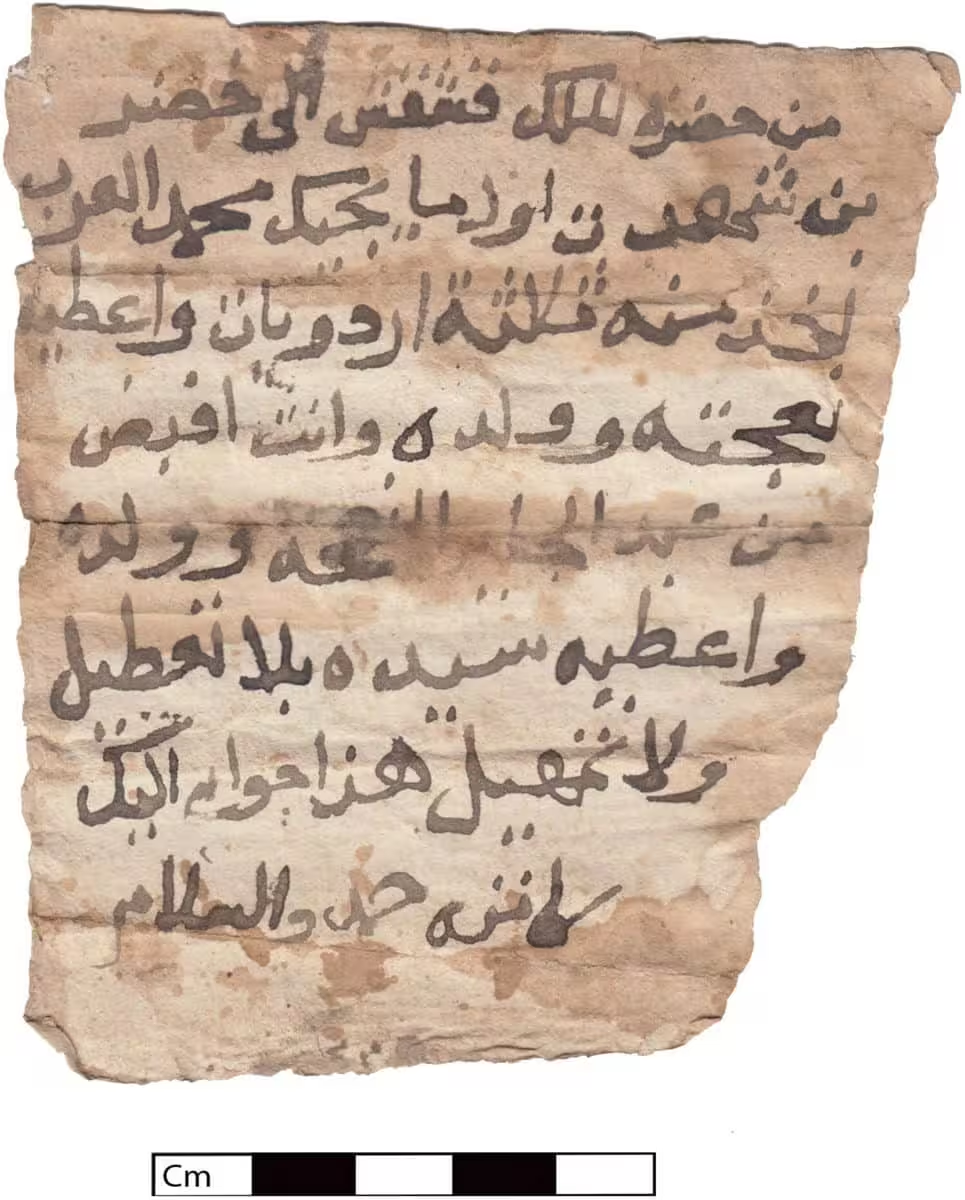
Beyond the primary structure, the team made an unexpected discovery on the cathedral’s upper level: a smaller, secondary church. While much of this space has eroded, researchers have recovered critical evidence of its interior, including remnants of painted plaster and fragments of Greek inscriptions. Dr. Agata Deptuła has identified one text as a passage from the Prayer of Hannah, characterized by its precise, miniature calligraphy.
The team has collected several shelving units’ worth of painted plaster fragments, which indicate that the upper church was once elaborately decorated. This secondary space adds a complex layer to the history of the site, which also includes a nearby 13th-century church associated with King David, unearthed by the team in 2023.
Archaeology Amidst Ongoing Instability
The University of Warsaw’s presence in Old Dongola dates back to the 1960s, though consistent progress remains challenging due to the volatility of the region. The ongoing civil war in Sudan has put an immense strain on the country’s cultural heritage. UNESCO reports that more than 100 historic sites have suffered damage or looting since April 2023. While the cathedral at Old Dongola has remained protected from the current conflict, its survival highlights the critical importance of documenting such sites before they are lost to the surrounding instability.
This article has been fact checked for accuracy, with information verified against reputable sources. Learn more about us and our editorial process.
Last reviewed on .
Article history
- Latest version
Cite this page:
- Posted by Vikram Desai