Ancient Human Skeleton Discovered Deep Inside Flooded Mexican Cave System
A diver exploring a flooded cave in Mexico has discovered a mysterious artifact in the sediment, sparking questions about its origin and purpose.
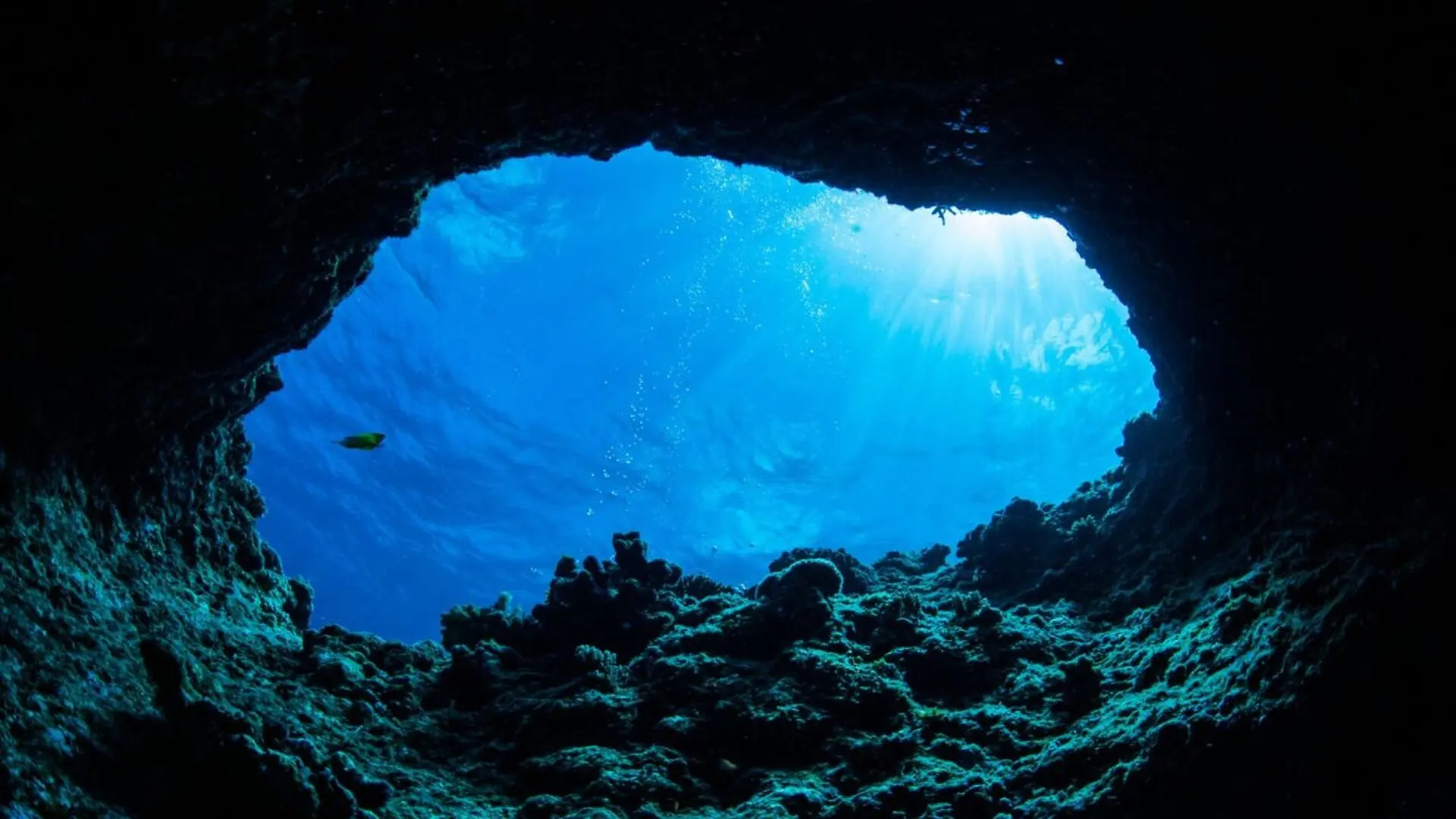
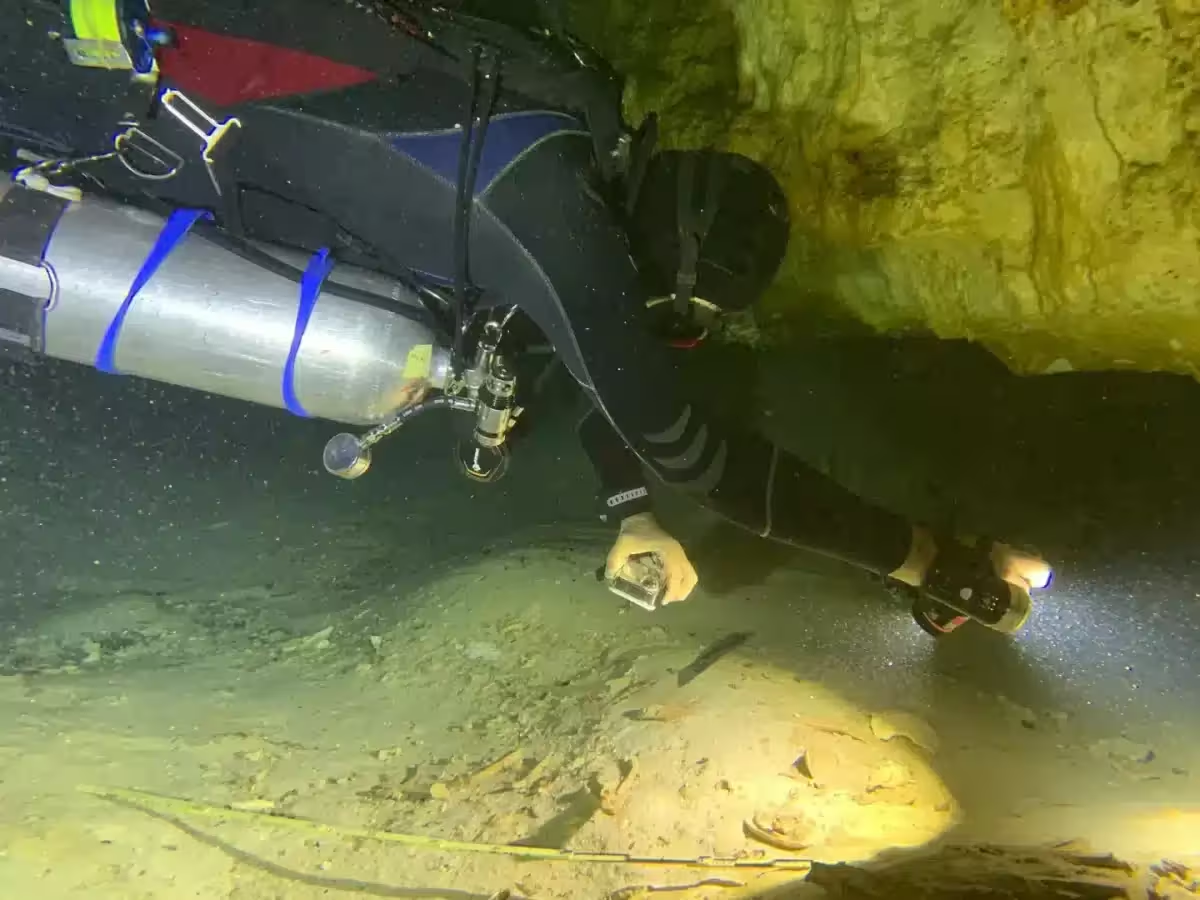
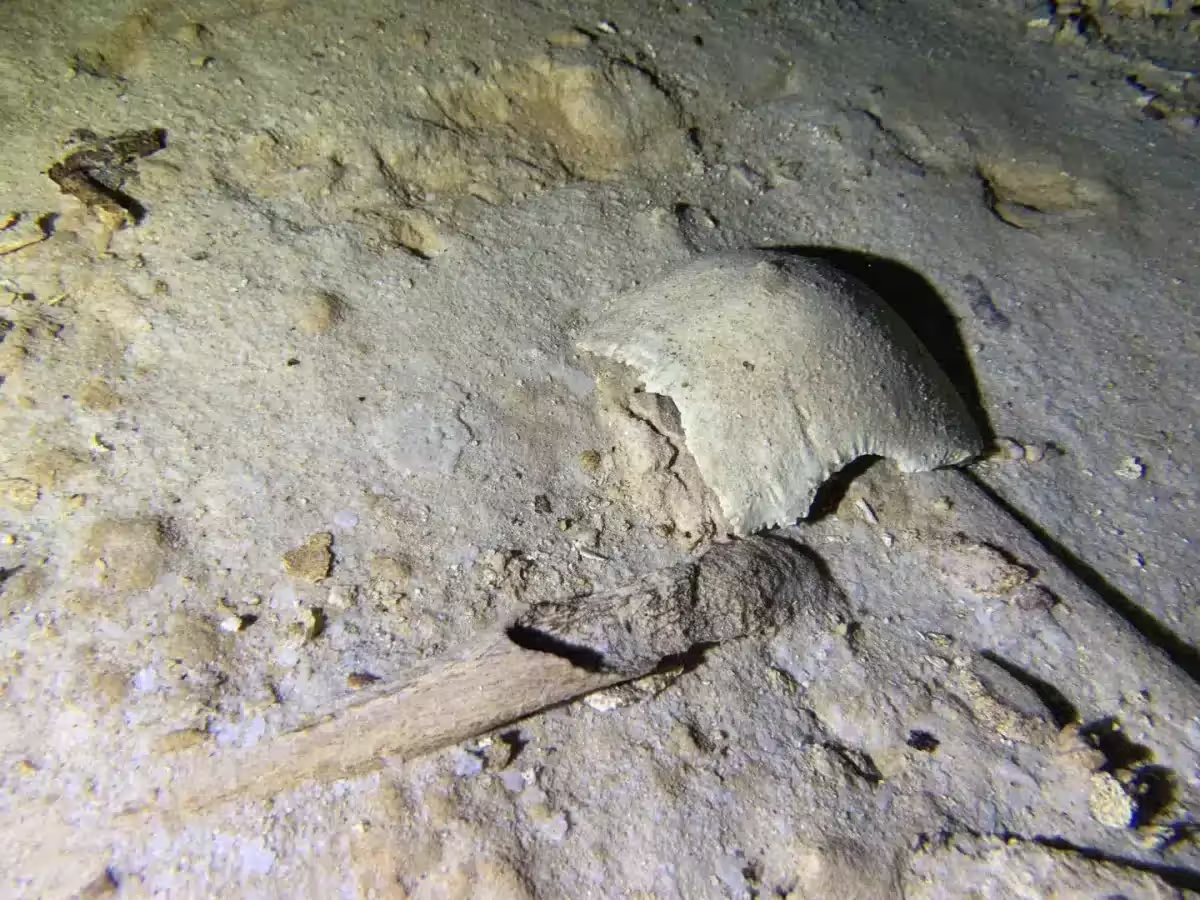
Deep within the flooded subterranean passages of Mexico’s Yucatán Peninsula, a team of researchers has uncovered a set of human remains that offer a rare window into the ancient history of the region. The discovery, made by professional cave diver Peter Broger, consists of a shattered skull and various skeletal fragments resting in a sediment-covered chamber roughly 26 feet (8 meters) below the water’s surface.
The site, located after navigating 656 feet (200 meters) of perilous, submerged passageways, was documented in collaboration with archaeologist Octavio del Río. While initial estimates place the remains at at least 8,000 years old, experts believe the true age could be significantly greater.
Chronology of a Submerged Landscape
The dating of these remains is rooted in the geological history of the Yucatán. These sinkhole caves, or cenotes, were once dry environments during the final stages of the last Ice Age. As global temperatures rose and glacial ice sheets melted, sea levels surged, causing the caves to flood and, in many instances, leading to the collapse of their ceilings. Because these chambers became inaccessible to humans once submerged, the 8,000-year threshold serves as a conservative minimum for the burial.
Researchers posit that these ancient individuals sought the caves for shelter. At the time, the peninsula was a largely arid, unforgiving savannah devoid of surface rivers. The fresh water found within these natural limestone cavities provided a vital sanctuary from the sun, and the placement of the remains suggests potential ritualistic funerary practices, though further analysis is required to confirm whether the location served as a deliberate burial site or the final resting place of someone who perished there.
Preserving a Fragile Heritage
This discovery marks the eleventh set of skeletal remains identified by del Río during his three-decade career exploring the cenotes. These findings contribute to a growing body of evidence regarding early human activity in the Americas, including the well-known discovery of “Eva de Naharon,” a fossil dated to approximately 13,721 years ago.
However, the future of these archaeological treasures is increasingly uncertain. Rapid infrastructure expansion, most notably the development of the Maya Train project designed to link tourist hubs with remote inland areas, poses a significant risk to the integrity of the cenote systems.
“We don’t know if the body was deposited there or if that was where this person died,” del Río told the Associated Press. “There is a lot more study that has to be done in order to interpret [the burial] [including] dating, some photographic studies and some collection.”
Geologists such as Emiliano Monroy-Ríos of Northwestern University have highlighted the precarious nature of this landscape, noting that construction projects are encroaching upon a honeycombed subsurface riddled with cavities of varying depths. Beyond the immediate physical threat to the cave structures, concerns regarding water pollution and the destabilization of stalactites have prompted calls for urgent, systematic documentation of these sites before they are permanently altered or rendered unreachable by environmental degradation.
This article has been fact checked for accuracy, with information verified against reputable sources. Learn more about us and our editorial process.
Last reviewed on .
Article history
- Latest version
Reference(s)
- “Contact Peter Broger – Scubatron.” <https://scubatron.com/contact-peter-broger/>.
- “Explorer Home.” <https://explorers.nationalgeographic.org/directory/octavio-del-rio>.
- <https://apnews.com/article/floods-science-mexico-caribbean-ca311afd8f066c7fbabf79f6bf72f9a0>.
- “Emiliano Monroy-Ríos.” <https://scholar.google.com/citations?user=X33QVsEAAAAJ&hl=en>.
Cite this page:
- Posted by Vikram Desai