Hidden Tomb Reveals 10 Ancient Mummified Crocodiles Including A Rare Lost Species
Archaeologists have unearthed an extraordinary ancient crocodile burial hidden beneath centuries of debris, revealing unique practices never seen before.
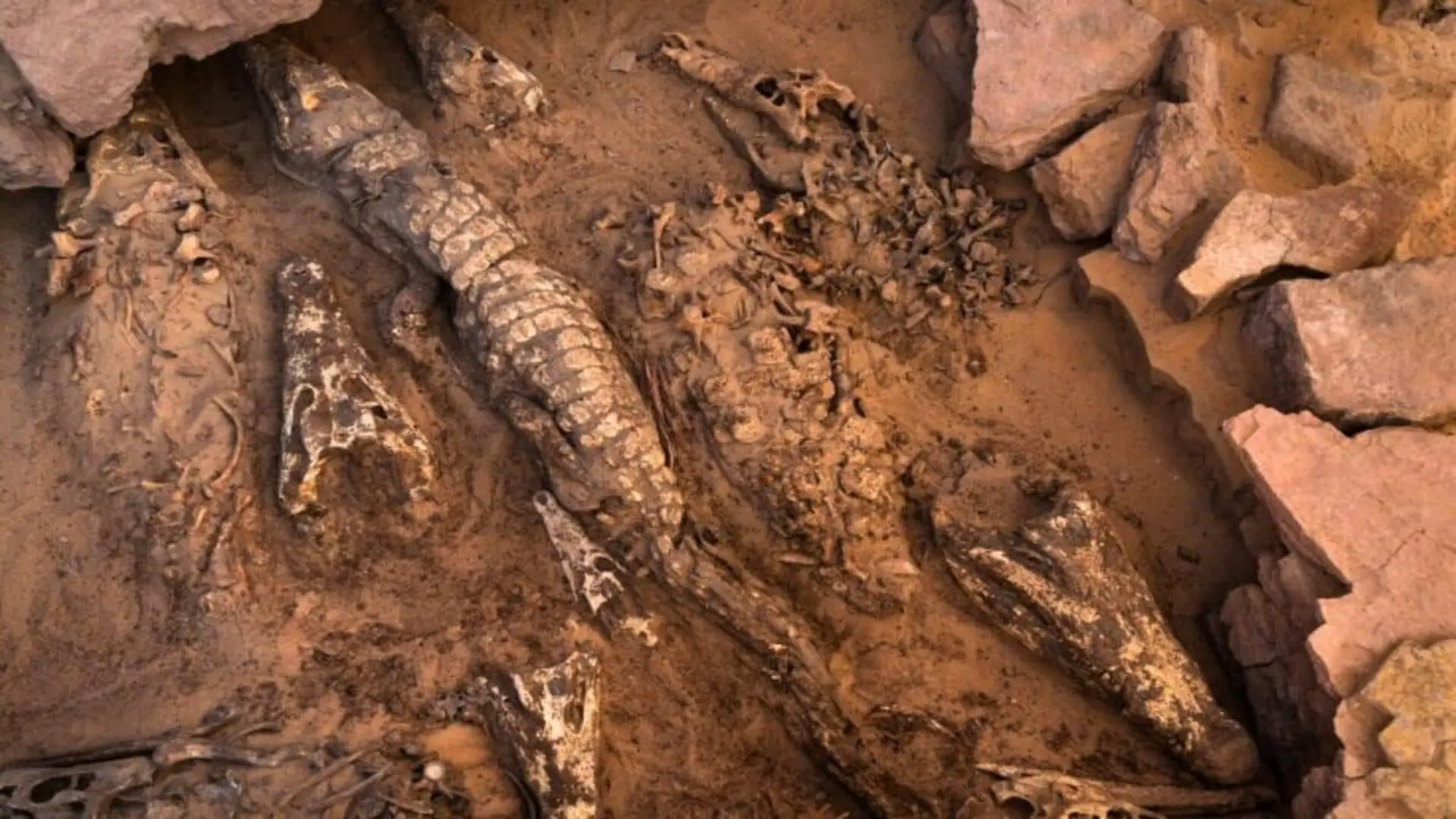
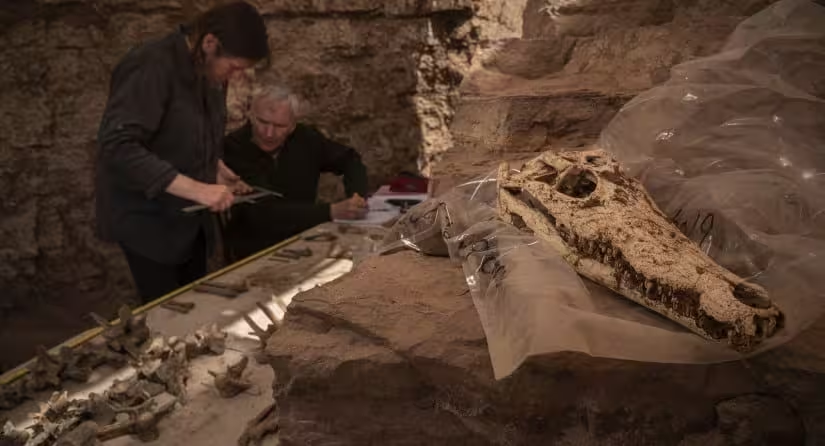
Archaeologists working at the Qubbat al-Hawa site in southern Egypt have unearthed a remarkable cache of ten mummified crocodiles, some nearly intact and others consisting of severed heads. The discovery, made in 2019 within a tomb on the west bank of the Nile opposite Aswan, offers a rare, undisturbed look at ancient religious practices and reveals the unexpected presence of a species that no longer inhabits Egyptian waters.
An Overlooked Discovery Beneath Centuries of Debris
The hillside at Qubbat al-Hawa has served as a burial ground for Egyptian nobility and priesthood for over four millennia. While researchers have identified approximately 100 tombs in the region, this specific crocodile burial remained hidden beneath a thick layer of Byzantine-era trash. A team led by Alejandro Jiménez Serrano, an Egyptologist from the University of Jaén, began excavating these garbage deposits in 2018. Beneath the waste, they located seven intact tombs, one of which contained the crocodiles interred alongside human remains from a much earlier era.
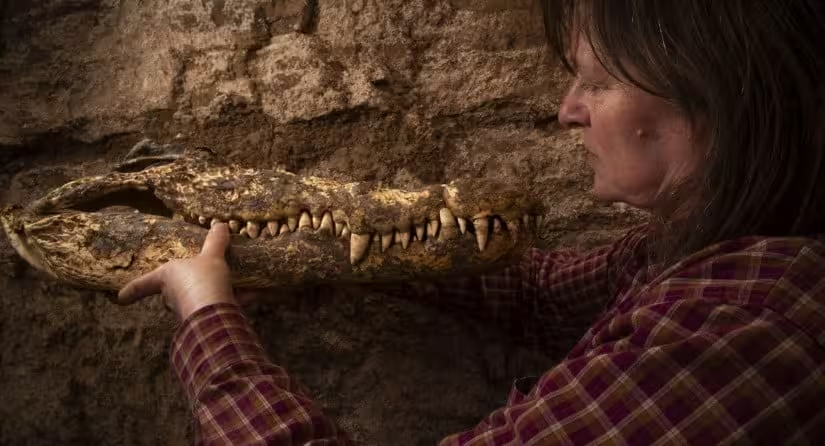
Bea De Cupere, an archaeozoologist at the Royal Belgian Institute of Natural Sciences, was brought in to analyze the find. Unlike many animal mummies that are heavily coated in resin and linen—necessitating X-rays for investigation—these specimens were largely unencumbered. Insects had consumed much of the original wrappings, leaving the biological remains exposed for direct study. The internal organs were remarkably intact; one specimen even contained gastroliths, the stones swallowed by crocodiles for buoyancy, confirming that the animals had not been eviscerated during the preservation process.
A Unique Preservation Technique
The research team suggests a straightforward, natural method of preparation: the crocodiles were likely buried in sand elsewhere to desiccate in the arid climate before being moved to the tomb. The total absence of resin, a material that became ubiquitous in Egyptian mummification after the Ptolemaic period began in 332 BC, leads researchers to date these burials to roughly the 5th century BC.
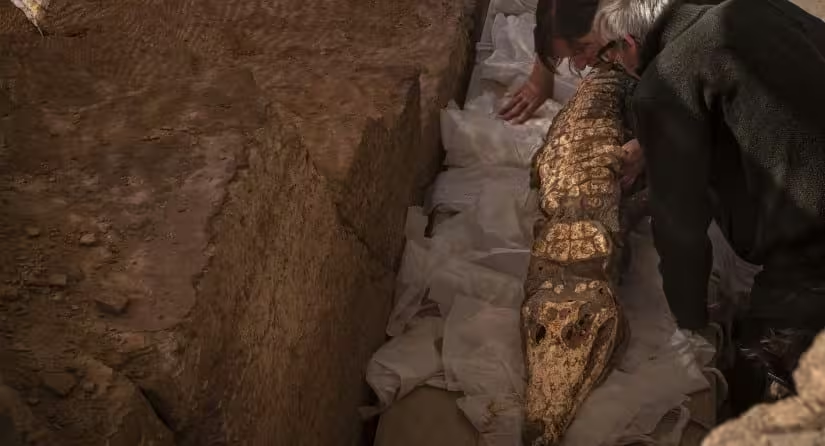
The collection consists of large adults, measuring between 1.8 and 3.5 meters. This stands in contrast to the typical mummified crocodiles found in museum collections, roughly 80 percent of which are juveniles or hatchlings. These animals were likely presented as votive offerings to Sobek, the crocodile-headed deity of the Nile, who was venerated at temples such as the one in Kom Ombo.
Clues to an Extinct Population
Morphological analysis of the skulls revealed that the tomb contained two distinct species: the Nile crocodile (Crocodylus niloticus) and the West African crocodile (Crocodylus suchus). The identification of the latter is particularly significant, as it indicates the species once inhabited Egyptian waterways but has since disappeared from the region. Salima Ikram, an Egyptologist at the American University in Cairo, suggests that the behavioral differences between the two—with the West African crocodile being notably more docile—might have made them a preferred choice for priests who maintained sacred pools in temple complexes.
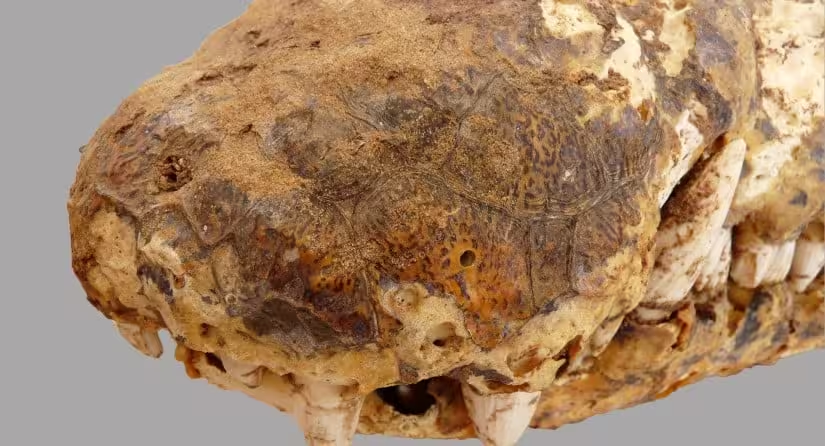
The research, which could eventually be bolstered by DNA testing, provides a unique biological snapshot of the Nile’s historic ecosystem. These mummies remain a testament to the complex relationship between ancient Egyptians and the predators that shared their landscape.
This article has been fact checked for accuracy, with information verified against reputable sources. Learn more about us and our editorial process.
Last reviewed on .
Article history
- Latest version
Reference(s)
- “Egyptian tomb with ten crocodile mummies discovered | Institute of Natural Sciences.” <https://www.naturalsciences.be/en/science/archives/2023/egyptian-tomb-with-ten-crocodile-mummies-discovered>.
- Cupere, Bea. “Newly discovered crocodile mummies of variable quality from an undisturbed tomb at Qubbat al-Hawā (Aswan, Egypt).”, vol. 18, no. 1, pp. e0279137, doi: 10.1371/journal.pone.0279137. <https://journals.plos.org/plosone/article?id=10.1371/journal.pone.0279137>.
Cite this page:
- Posted by Vikram Desai