Digital Twin Tech Achieves Under 3 Percent Error in Drone Seeding Sims
A multi-stage calibration strategy for coated rice seed models matches physical repose angles and UAV spreading rates with high precision.
Calibrating digital models for coated rice seeds makes it possible to simulate drone-based agricultural sowing with high fidelity, achieving error rates under 3 percent in real-world testing. Unmanned aerial vehicles have transformed modern farming by offering flexible crop management across complex terrain where traditional heavy machinery cannot travel. However, achieving uniform seed distribution remains a major challenge due to the irregular shapes of agricultural grains and the protective chemical layers applied to pelletized seeds.
How Researchers Built a Precise Digital Twin for Coated Rice
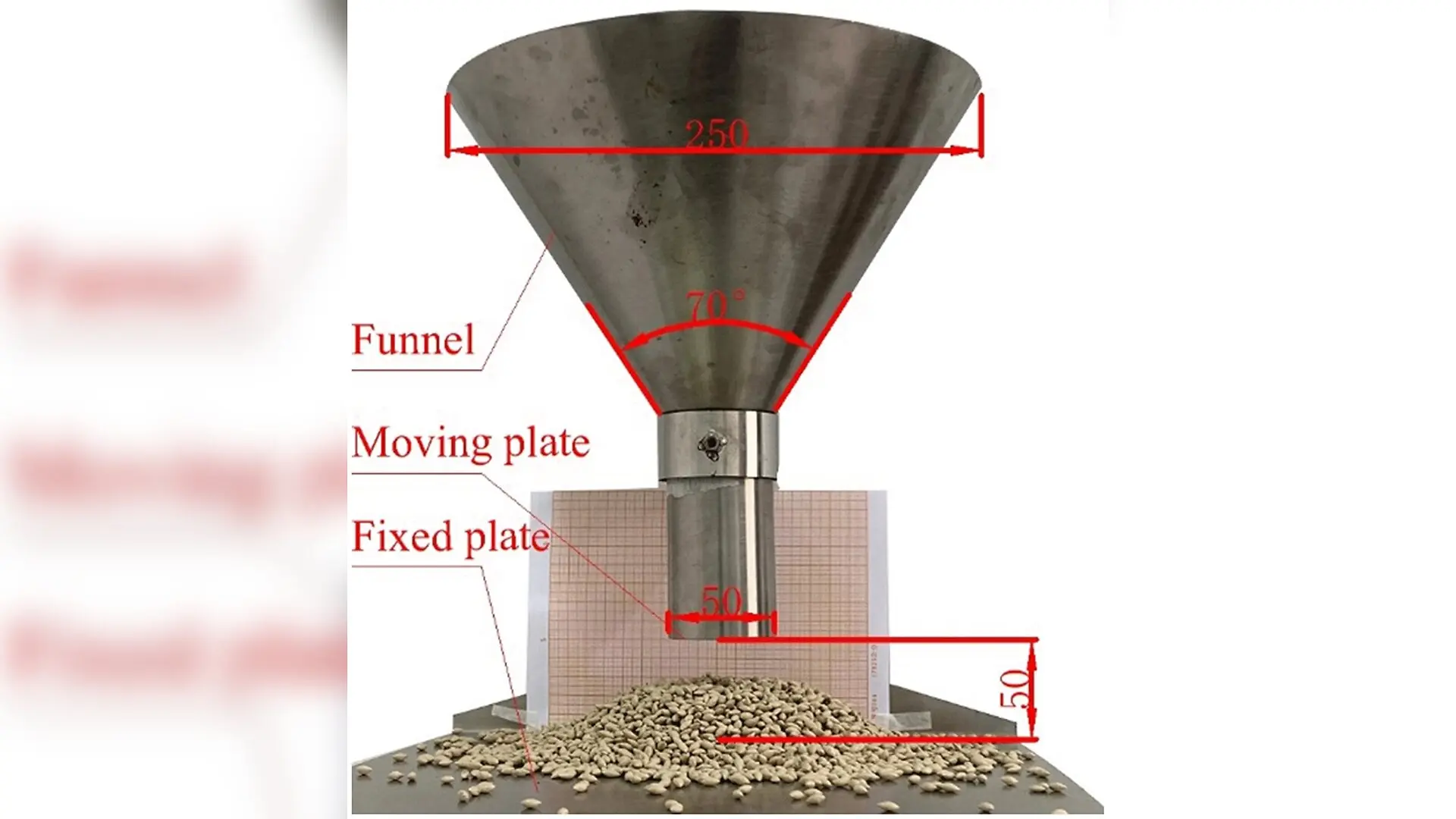
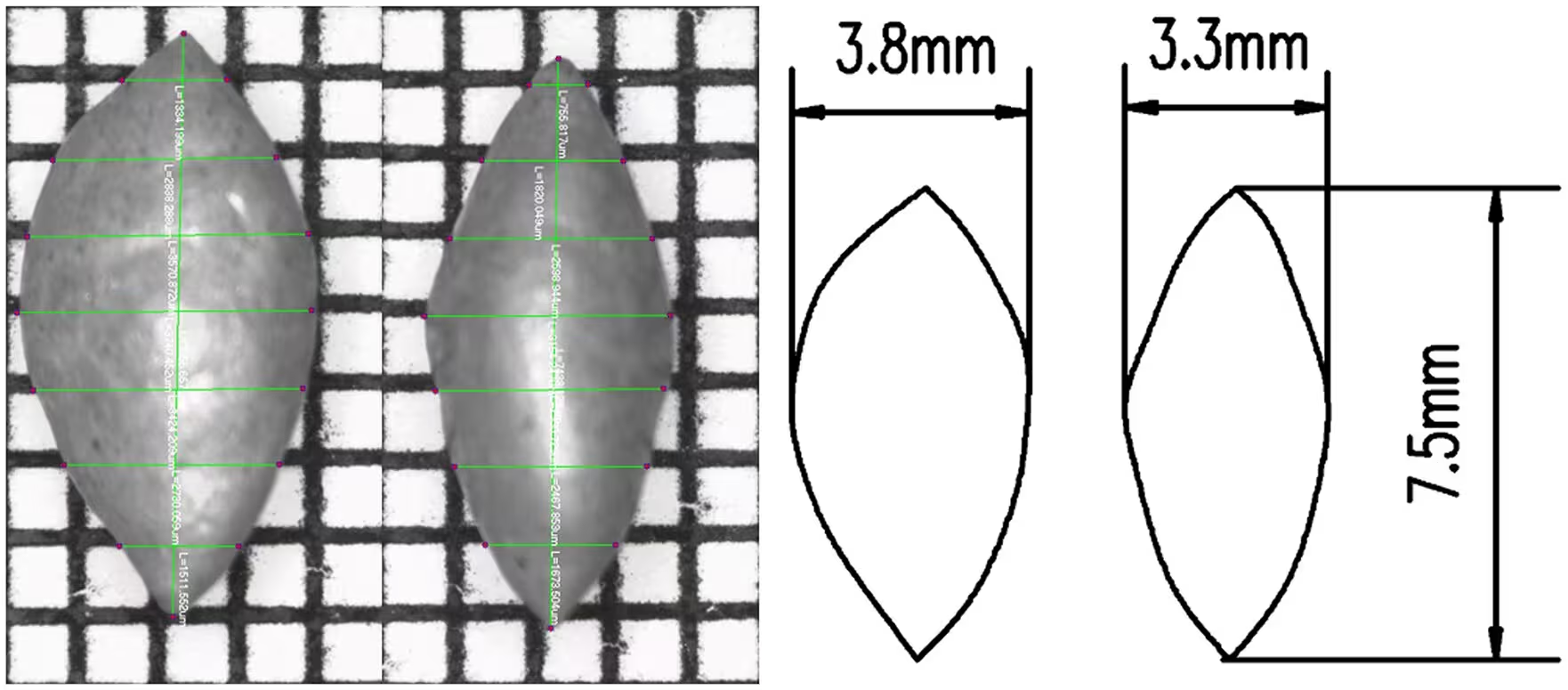
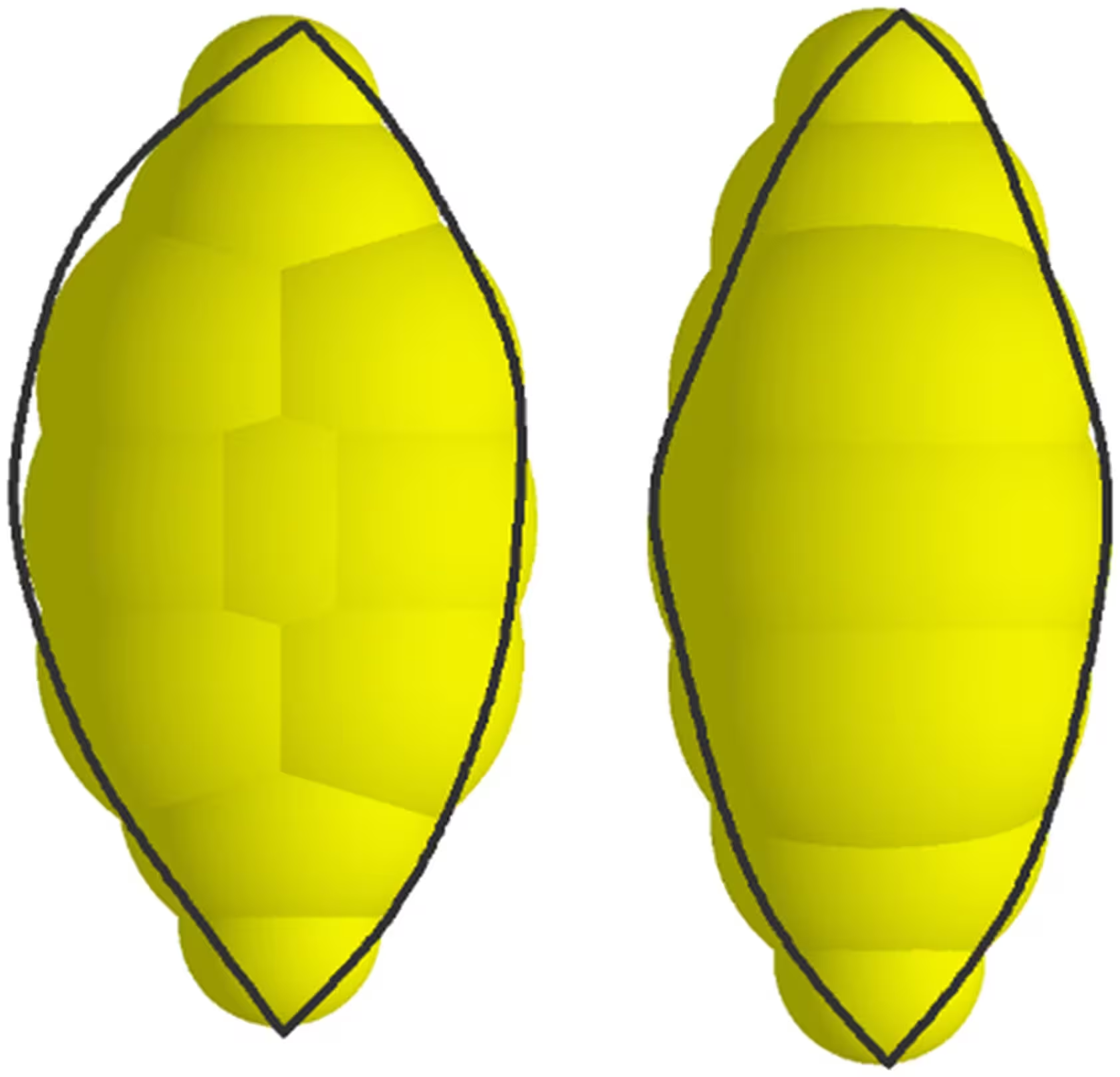
To overcome simulation bottlenecks, a team of researchers developed an advanced discrete element model of coated rice seeds (CRS) featuring an 11-sphere aggregated structure. The physical seed samples of variety Zhongzao 39 had an average length of 7.5 millimeters, a width of 3.8 millimeters, and a thickness of 3.3 millimeters, with a moisture content of 6.4 percent and a thousand-grain weight of 41.12 grams. Using digital microscopy and physical funnel tests, the team measured an actual repose angle of 18.84 degrees for the seed piles.
The study, published in PLOS One on November 6, 2026, details a three-stage progressive optimization strategy. The authors screened eight real parameters and three virtual parameters using a Plackett-Burman test, followed by a steepest ascent test and a quadratic rotation orthogonal combination test to establish accurate mathematical regression models.
What the Multi-Stage Parameter Calibration Revealed
Statistical analysis demonstrated that inter-particle friction and contact characteristics significantly dictate how coated seeds flow and accumulate. Specifically, the coated rice seed coefficient of static friction, coefficient of rolling friction, and the friction coefficient against stainless steel surfaces exerted highly significant effects on both the simulated repose angle and error rates.
Following comprehensive mathematical optimization, the authors established the optimal parameter combination: a seed-to-seed restitution coefficient of 0.35, a seed-to-seed static friction coefficient of 0.22, a rolling friction coefficient of 0.09, and a seed-to-stainless steel static friction coefficient of 0.51. Under these calibrated settings, the simulated repose angle reached 18.64 degrees, yielding a tiny relative error of just 1.07 percent compared to physical experiments.
Validating Simulation Accuracy Against Real Drone Sowing
To confirm that the digital model translates effectively to actual machinery, the team performed static cylinder lifting tests, dynamic cylinder rotation tests across speeds ranging from 4 to 20 revolutions per minute, and operational trials with a T40 agricultural unmanned aerial vehicle centrifugal spreading system. Static validation showed a relative error of 0.93 percent between simulated and measured repose angles, while dynamic tests maintained average relative errors below 5 percent.
In total seeding rate verification experiments conducted with bin gate openings set to 100 percent and 50 percent under windless conditions, the simulated output closely matched actual outdoor collections. The relative error between simulated and measured total seeding rates remained under 3 percent across tested operational conditions, proving the robust reliability of the calibrated discrete element model for future agricultural engineering simulations.
The research was published in PLOS One on November 6, 2026.
This article has been fact checked for accuracy, with information verified against reputable sources. Learn more about us and our editorial process.
Last reviewed on .
Article history
- Latest version
Reference(s)
- Qingxu, Yu., et al. “Parameter calibration of the simulation model for coated rice seeds in UAV seeding based on discrete element methodology.” PLOS One, vol. 21, no. 11, November 6, 2026, pp. e0361229 Public Library of Science (PLoS), doi: 10.1371/journal.pone.0361229. <https://doi.org/10.1371/journal.pone.0361229>.
Cite this page:
- Posted by James Whitmore