Home Fetal Monitoring Shows High Success Rates in High-Risk Pregnancies
A new UK study reveals that portable heart rate monitoring devices achieved strong compliance and lowered anxiety for expectant mothers.
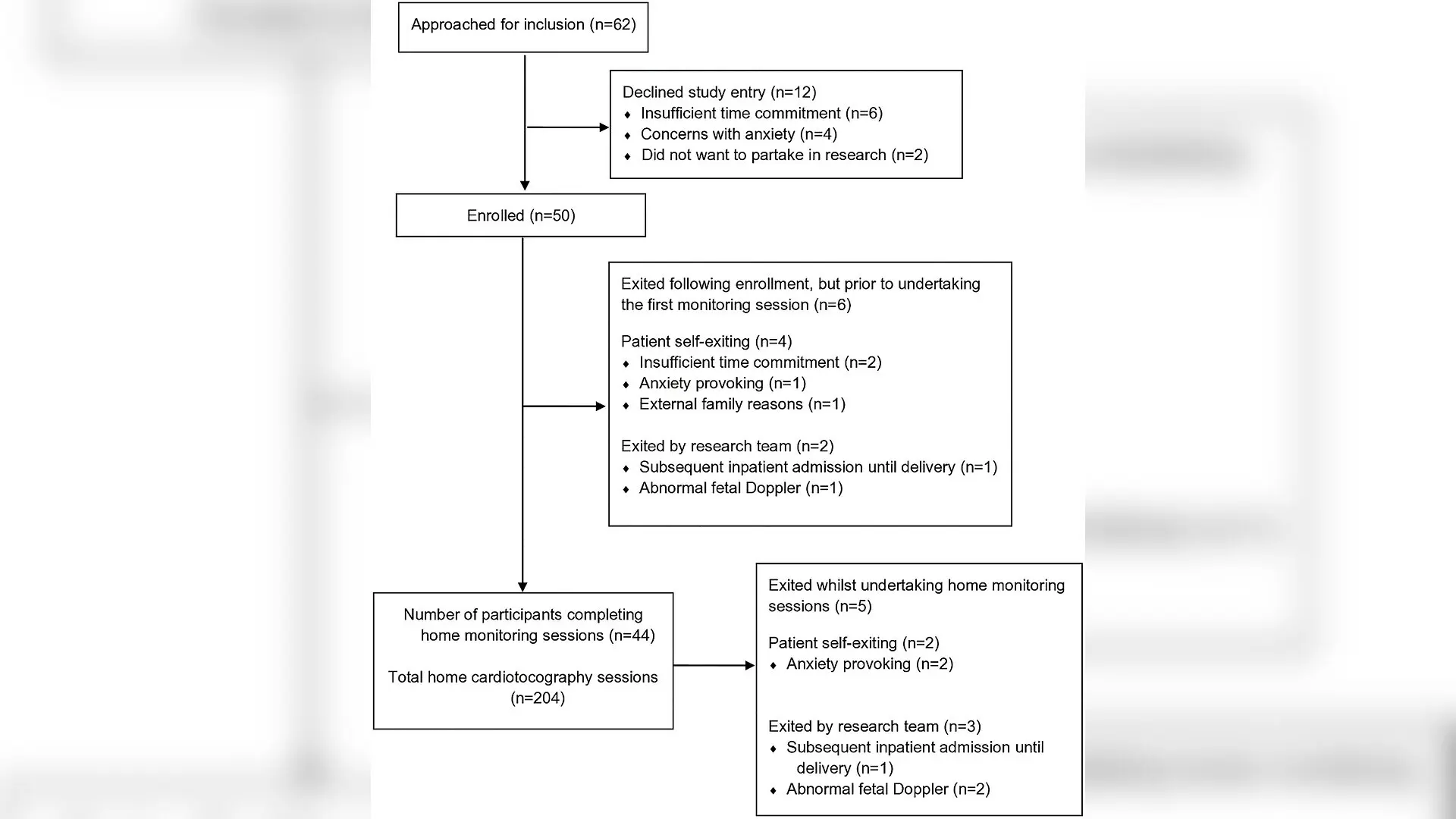
Pregnant women with high-risk conditions successfully completed home fetal monitoring in over 80 percent of remote sessions, suggesting that portable diagnostic tools could soon transform antenatal care outside of hospital walls. The prospective study evaluated the feasibility of patient-operated cardiotocography in a United Kingdom cohort, revealing high levels of patient adherence, strong device usability, and a notable drop in maternal anxiety over the course of monitoring.
How Portable Fetal Monitoring Works in the Living Room
Cardiotocography is a standard clinical method used by obstetric teams to assess fetal wellbeing by measuring the fetal heart rate alongside uterine contractions. Traditionally, receiving this monitoring required frequent outpatient visits, placing logistical, financial, and emotional burdens on expectant parents while increasing carbon emissions from hospital travel. To explore whether these assessments could be safely moved into the community, researchers provided 50 high-risk pregnant women with a lightweight, battery-operated device known as the PregnaBit Pro.
Weighing 500 grams with a 5-inch touch display, the portable unit uses low-intensity pulsed ultrasound technology and an attached finger pulse oximeter to capture maternal and fetal vital signs. Before starting, participants received a comprehensive face-to-face demonstration and access to an instructional video. Each monitoring episode required a unique PIN code sent via email to prevent unscheduled device usage. Data from the device were transmitted synchronously via a cellular network to an online clinical dashboard, where a researcher and consultant obstetricians reviewed the computerized traces in real time.
Key Findings and High Patient Compliance
The research, published in PLOS Digital Health, tracked participants from June 2025 to February 2026 at Birmingham Women’s Hospital. Out of 62 eligible women approached, 50 were enrolled, and 44 completed a total of 204 home monitoring sessions. The primary outcome was defined as achieving at least 20 minutes of continuous, interpretable cardiotocography data during a session.
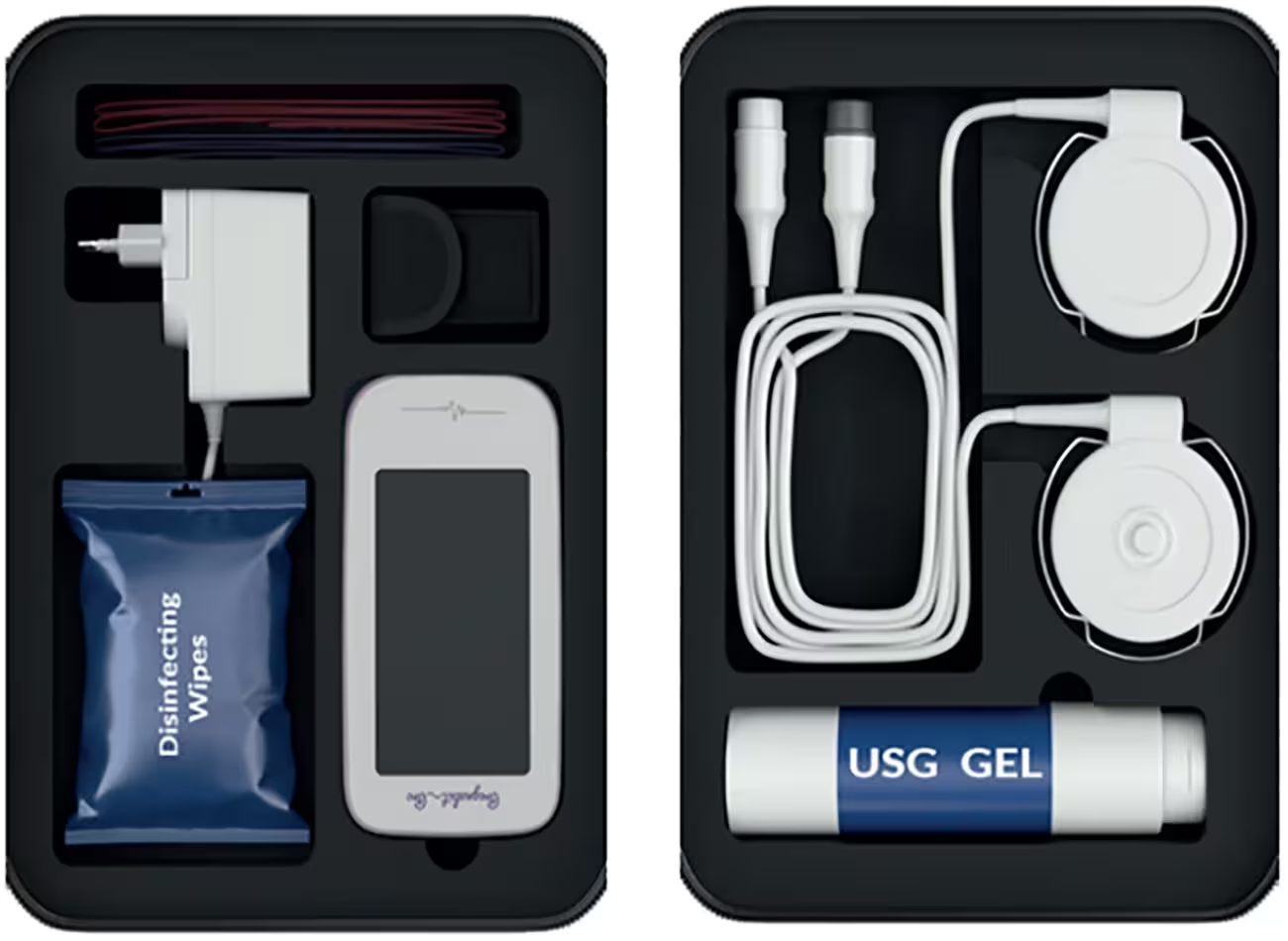
Participants met this primary competency benchmark in 82.4 percent of all completed sessions. Adherence to the monitoring schedule was high, with sessions beginning an average of 8.2 minutes from the pre-arranged start time. Furthermore, standardized questionnaire evaluations demonstrated a statistically significant reduction in maternal anxiety scores from 37.5 before the study to 31.6 afterward. Participants also rated the system’s usability with a mean score of 77.6 out of 100, indicating very good overall user experience.
Safety Protocols and Triage Referrals
Ensuring patient safety was a primary focus of the pilot study. A strict clinical pathway dictated that if participants experienced symptoms such as lower abdominal pain or reduced fetal movements, they were instructed not to use the home monitor and instead contact maternity triage directly. During remote monitoring sessions, if traces showed concerning parameters, such as abnormal short-term variation values or prolonged heart rate baselines, researchers instructed participants to attend the hospital for a physical check.
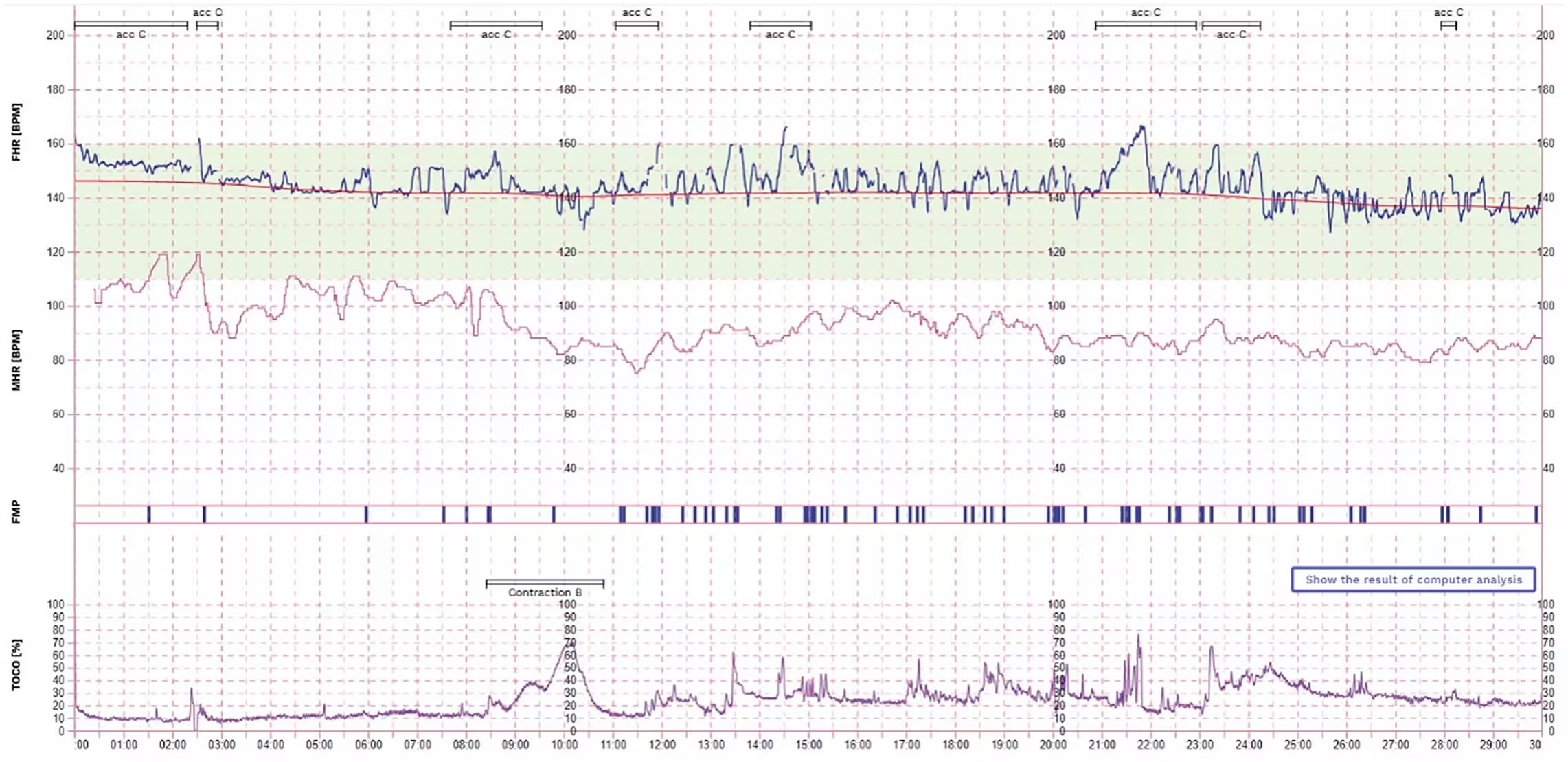
Out of 204 remote sessions, 13 episodes involving 10 participants prompted a referral to maternity triage for further assessment. The most frequent trigger was a short-term variation value below 5 milliseconds. Upon hospital review, ten of those cases involved normal repeat observations, leading to prompt discharge home. Two participants were admitted for unrelated conditions, including uncontrolled high blood pressure and vaginal bleeding, and no adverse maternal or neonatal events were tied directly to device usage.
Limitations and Next Steps for Home Care
The authors noted several important limitations to consider when interpreting the results. The investigation was a single-arm feasibility study with a modest sample size of 50 participants and lacked a concurrent control group receiving standard outpatient care. Additionally, the study cohort excluded women with a body mass index above 35 kilograms per square meter due to manufacturer regulatory limits, as well as non-English speakers and those with complex fetal abnormalities.
While the findings indicate that home fetal monitoring is technically feasible and well-received by patients, the authors emphasize that larger randomized controlled trials are necessary. Future research must evaluate comparative clinical effectiveness, economic impacts, and integration with existing electronic health records before home cardiotocography can be widely deployed across routine national health services.
The research was published in PLOS Digital Health on November 6, 2026.
This article has been fact checked for accuracy, with information verified against reputable sources. Learn more about us and our editorial process.
Last reviewed on .
Article history
- Latest version
Reference(s)
- Le Vance, Jack., et al. “Home cardiotocography for high-risk obstetric care: A prospective observational feasibility study.” PLOS Digital Health, vol. 5, no. 11, November 6, 2026, pp. e0001823 Public Library of Science (PLoS), doi: 10.1371/journal.pdig.0001823. <https://doi.org/10.1371/journal.pdig.0001823>.
Cite this page:
- Posted by James Whitmore