Purple Corn Yields Stable Natural Food Dyes That Could Ditch Artificial Colorants
Researchers convert a unique corn variety into a natural dye, offering a safe, eco‑friendly alternative to artificial food colors.
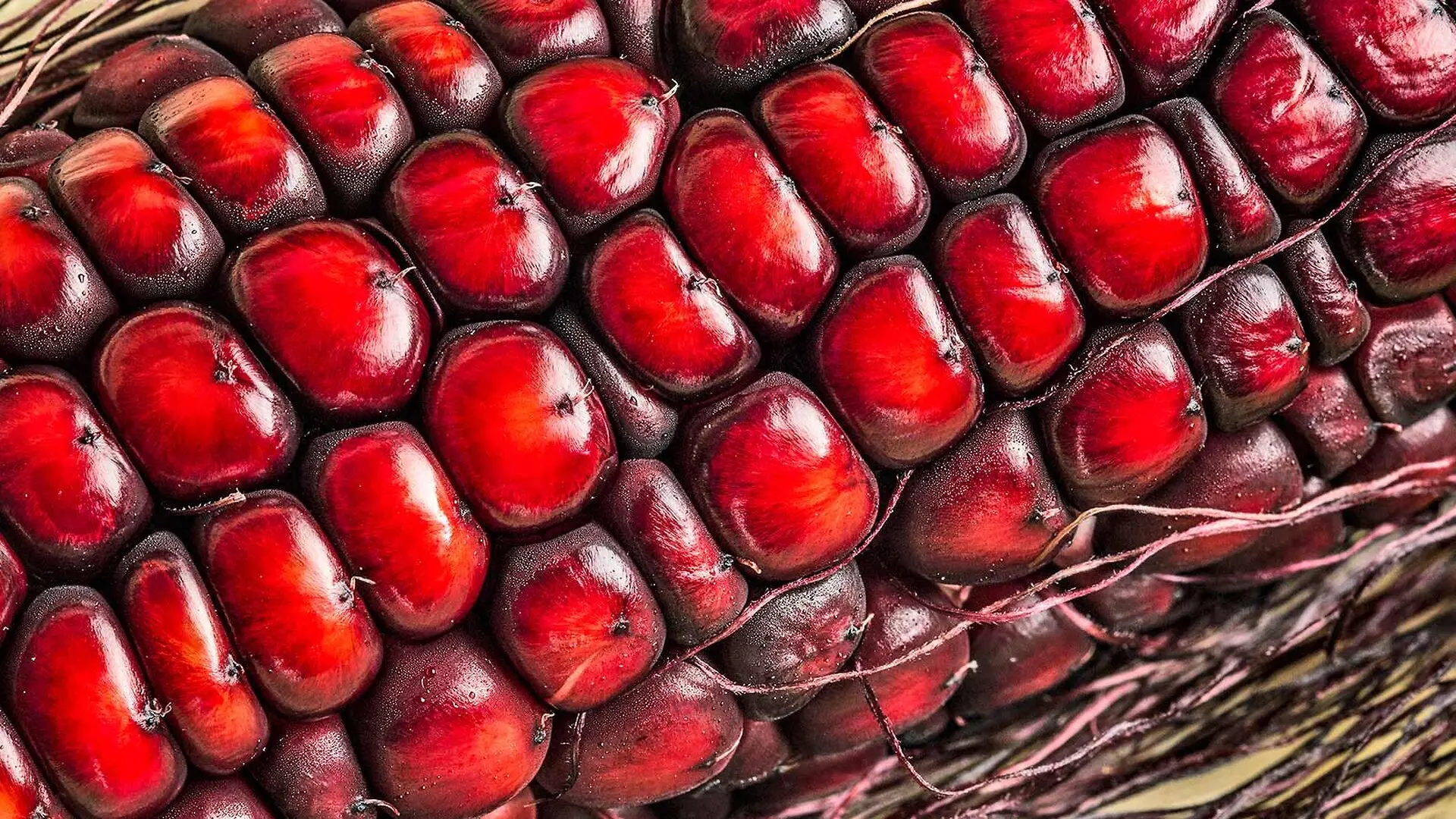
Purple corn offers a natural solution to synthetic food dyes
Scientists at the University of Missouri’s College of Agriculture, Food, and Natural Resources are investigating a South‑American variety of purple corn that could replace petroleum‑derived colorants in processed foods.
Anthocyanin pigments bring both color and health benefits
The deep violet hues of this corn stem from anthocyanins, the same antioxidant compounds that tint blueberries, red cabbage and grapes. Unlike artificial dyes, which serve only aesthetic purposes, anthocyanins have been linked to reduced inflammation and improved cardiovascular health.
In the kernel, these pigments are concentrated in the pericarp—the outermost layer that often clings to teeth after chewing. “That outer layer holds our most valuable molecules,” explains Pavel Somavat, a researcher with joint appointments in the college of agriculture and the college of engineering.
Overcoming stability challenges for food manufacturers
Replacing conventional dyes such as Red No. 40 and Red No. 3 has been difficult because many natural pigments degrade when exposed to heat, light or oxygen. Food processors typically work at temperatures up to 250 °F, and products must retain their color for weeks or months on store shelves.
Somavat’s team subjected purple‑corn extracts to prolonged heating and found that roughly three‑quarters of the key color molecules survived a one‑hour exposure. When the extracts were encapsulated in food‑grade protective coatings, retention climbed to nearly 97 % for certain compounds, enabling the production of shelf‑stable powders that are easier to transport and store.
Performance in acidic beverages
To test durability in a harsh environment, researchers incorporated the pigments into a model beverage—a setting that challenges natural dyes with acidity, light exposure, and extended storage. “The purple‑corn colorants remained stable in both acidic and alkaline conditions,” Somavat noted, adding that after seven weeks of refrigeration the color loss was minimal. These results suggest suitability for fruit juices, flavored waters and sports drinks.
Scaling up production in the U.S. Corn Belt
Missouri, a major producer of yellow corn, is now looking to diversify by cultivating purple corn suited to regional growing conditions. Over the past five years, the university team, in partnership with USDA Agricultural Research Service geneticist Sherry Flint‑Garcia, has been breeding hybrids that combine vivid coloration with agronomic vigor.
This article has been fact checked for accuracy, with information verified against reputable sources. Learn more about us and our editorial process.
Last reviewed on .
Article history
- Latest version
Cite this page:
- Posted by Asif Iqbal