AI Unearths Seven Rare Quasar Gravitational Lenses In 800,000 DESI Objects
AI sifts through 100k+ distant objects to spot rare quasar lens candidates
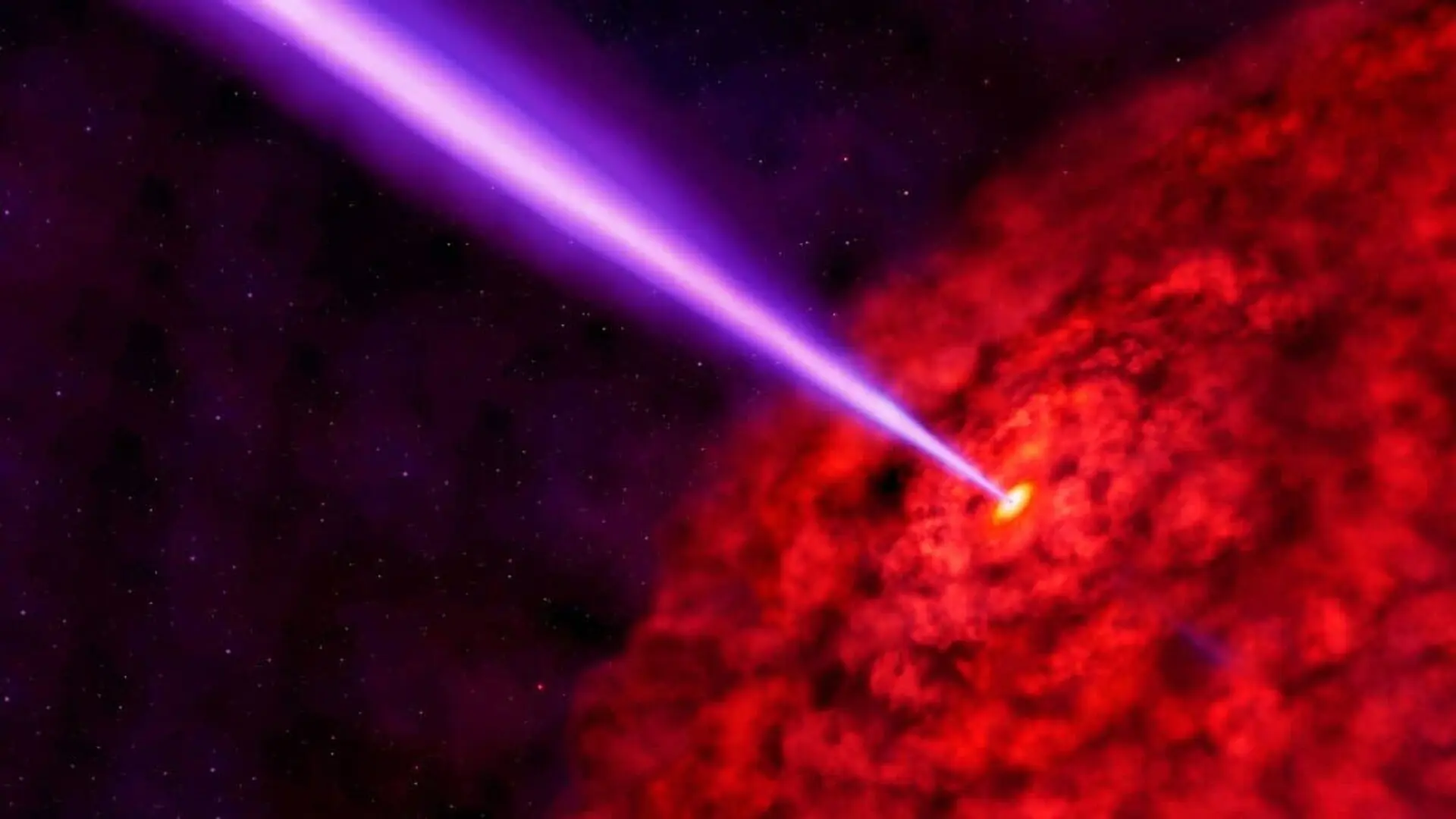
A machine‑learning pipeline has sifted through the Dark Energy Spectroscopic Instrument (DESI) catalog and identified seven new quasars that may also serve as strong gravitational lenses. If follow‑up observations confirm their status, the discovery could roughly double the inventory of such rare systems compiled by earlier surveys.
Why Lensed Quasars Matter
Quasars shine as some of the brightest beacons in the cosmos, powered by supermassive black holes devouring surrounding gas. When a massive foreground galaxy bends the light from a more distant quasar, the resulting gravitational lens can magnify and split the image, revealing otherwise inaccessible details about both the lensing galaxy and the black hole’s environment.
AI‑Driven Hunt Through 800,000 Spectra
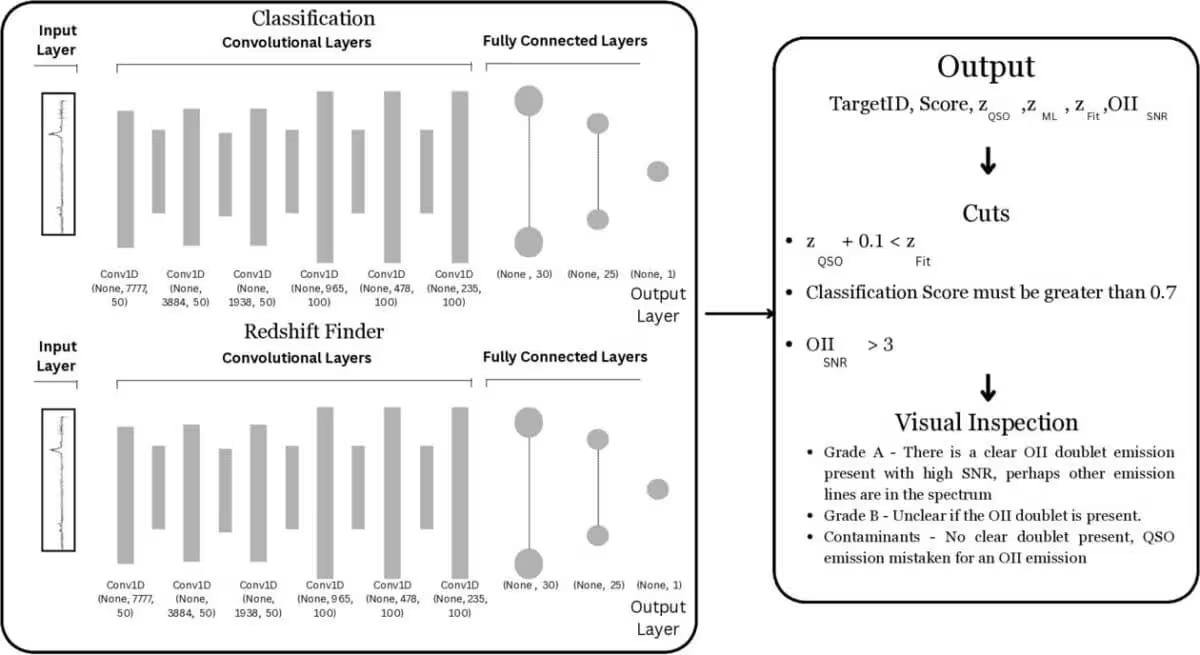
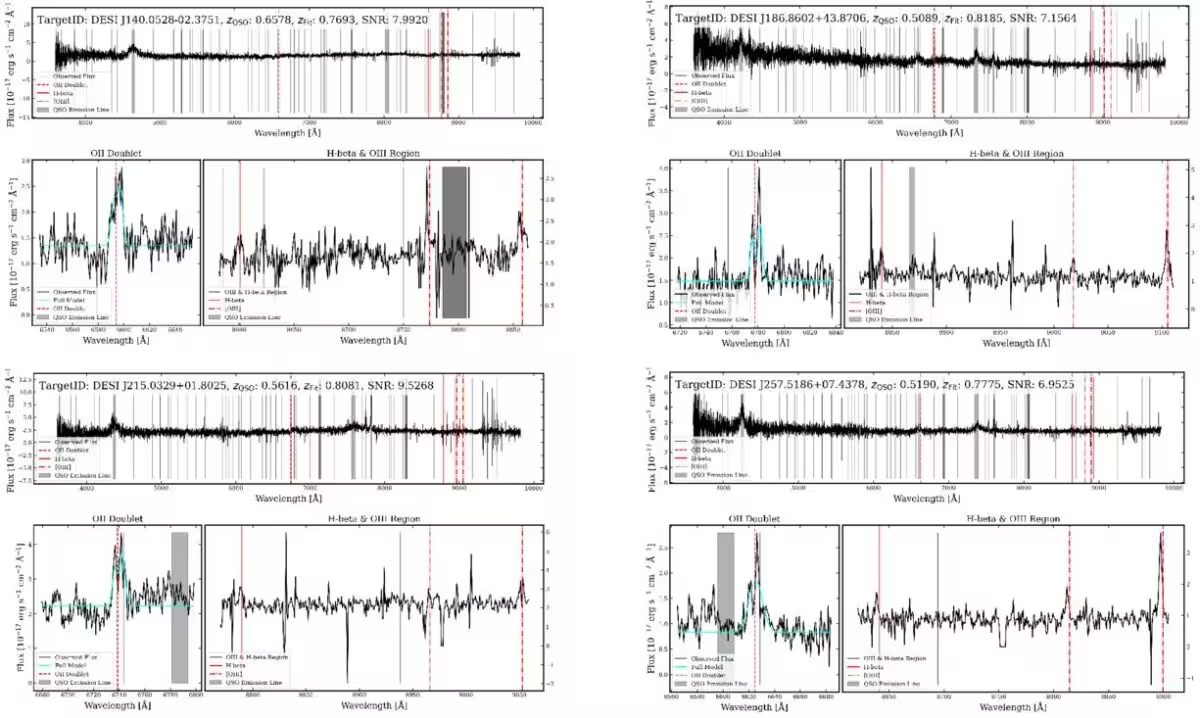
The research team began with a DESI data set containing roughly 800,000 quasar spectra. An artificial‑intelligence model first filtered this massive list down to about 200 objects that displayed spectral signatures consistent with lensing. Human reviewers then examined the reduced sample and singled out seven candidates that most closely matched the expected profile of a lensed quasar.
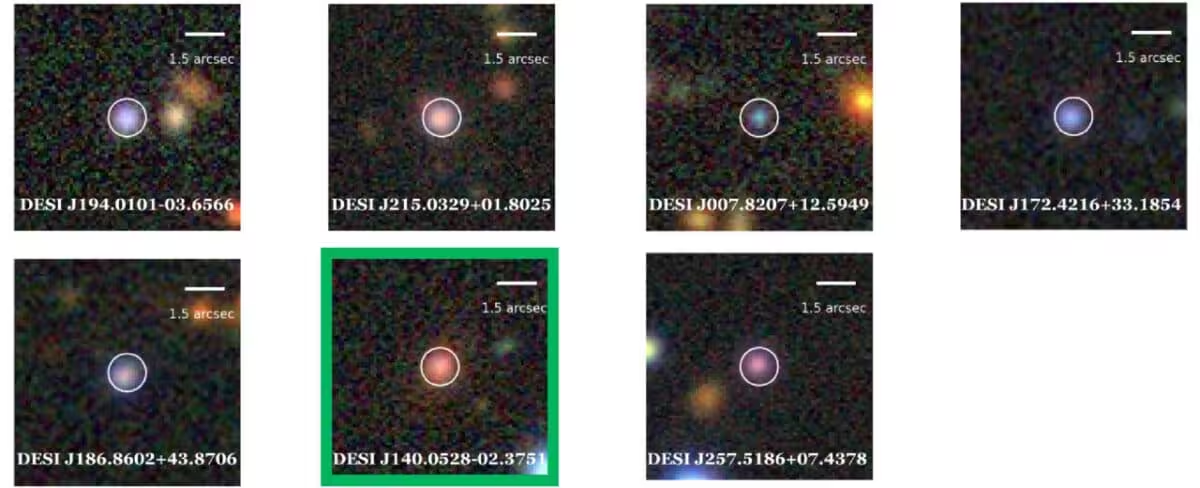
According to The Astrophysical Journal, each of the seven systems lies at a distance of 5–6 billion light‑years from Earth. Confirmation would raise the known count of quasar‑lens systems to a level comparable with the most extensive prior surveys.
Training the Network with Synthetic Lenses
Because confirmed quasar lenses are scarce, the team generated realistic mock spectra by merging actual quasar observations with those of background galaxies. These synthetic composites taught the neural network to recognize the emission‑line patterns that betray a quasar acting as a lens, while also distinguishing ordinary quasars from the rarer, lensing cases.
Lead author Everett McArthur, a graduate student at The Ohio State University, highlighted the significance of the find:
“Quasars are like the baby pictures of a supermassive black hole. So exploring how we get from quasars to those black holes is really important.”
McArthur also noted that the AI system proved capable of parsing a wide variety of quasar spectra and extracting subtle lensing signatures.
“What this proves is our architecture was able to parse through a diverse array of quasar spectra in a really significant way,” he said.
Next Steps: Confirming the Lenses
The seven candidates remain provisional until they are observed with higher‑resolution facilities such as the Hubble Space Telescope. Confirmed lenses would provide additional laboratories for probing the interplay between host galaxies and their central black holes, a relationship that may shed light on the episodic activity of the Milky Way’s own central black hole.
McArthur emphasized the broader potential of the method:
“You can very well expand this type of study to find many rare anomalies in a spectrum.”
If applied to other large astronomical surveys, the same AI‑driven strategy could uncover additional exotic objects that have so far escaped detection.
This article has been fact checked for accuracy, with information verified against reputable sources. Learn more about us and our editorial process.
Last reviewed on .
Article history
- Latest version
Reference(s)
- McArthur, E.., et al. “Quasars Acting as Strong Lenses Found in DESI DR1.” The Astrophysical Journal, vol. 1006, no. 2, July 22, 2026, pp. 147 American Astronomical Society, doi: 10.3847/1538-4357/ae8014. <https://dx.doi.org/10.3847/1538-4357/ae8014>.
Cite this page:
- Posted by Asif Iqbal