A Giant Exoplanet Just Vanished From View And Astronomers Think They Know Why
A hot Jupiter is mysteriously vanishing from view, and astronomers believe a hidden giant planet may be pulling it out of its orbital alignment.
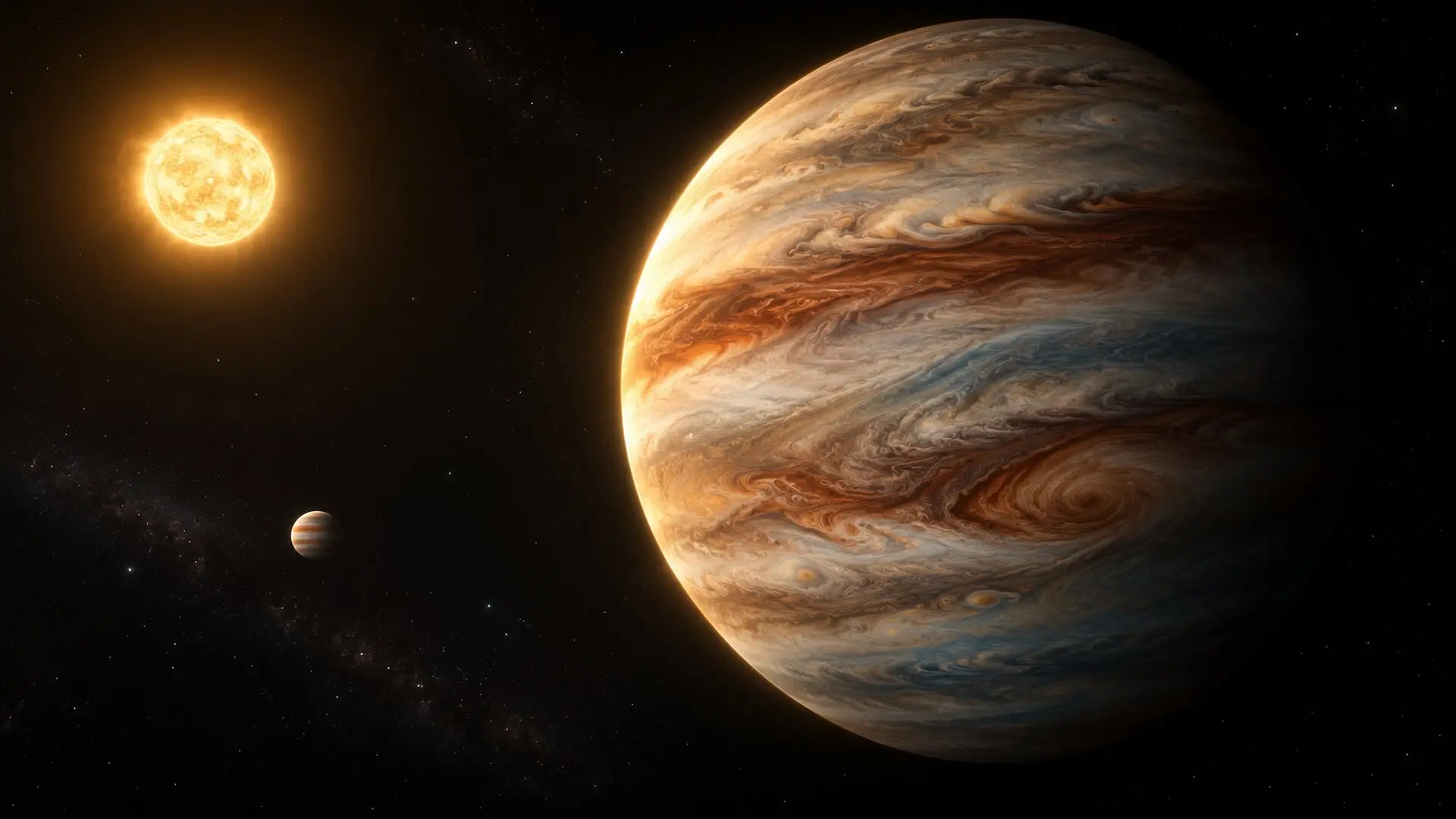
A massive exoplanet located 1,000 light-years from Earth has vanished from the view of space-based telescopes, not because it has ceased to exist, but because it has slipped out of alignment with our line of sight. Astronomers observing the system, known as TOI-2535, tracked the planet’s transit activity for seven years before the telltale dips in stellar brightness finally ceased in 2026.
The study, led by researchers at UCLA and published in The Astrophysical Journal Letters, reveals a complex gravitational dance. While the Jupiter-sized planet, TOI-2535 b, continues its 8.236-day orbit around its host star, its path is being warped by an unseen companion, causing the planet’s orbit to tilt and shift over time.
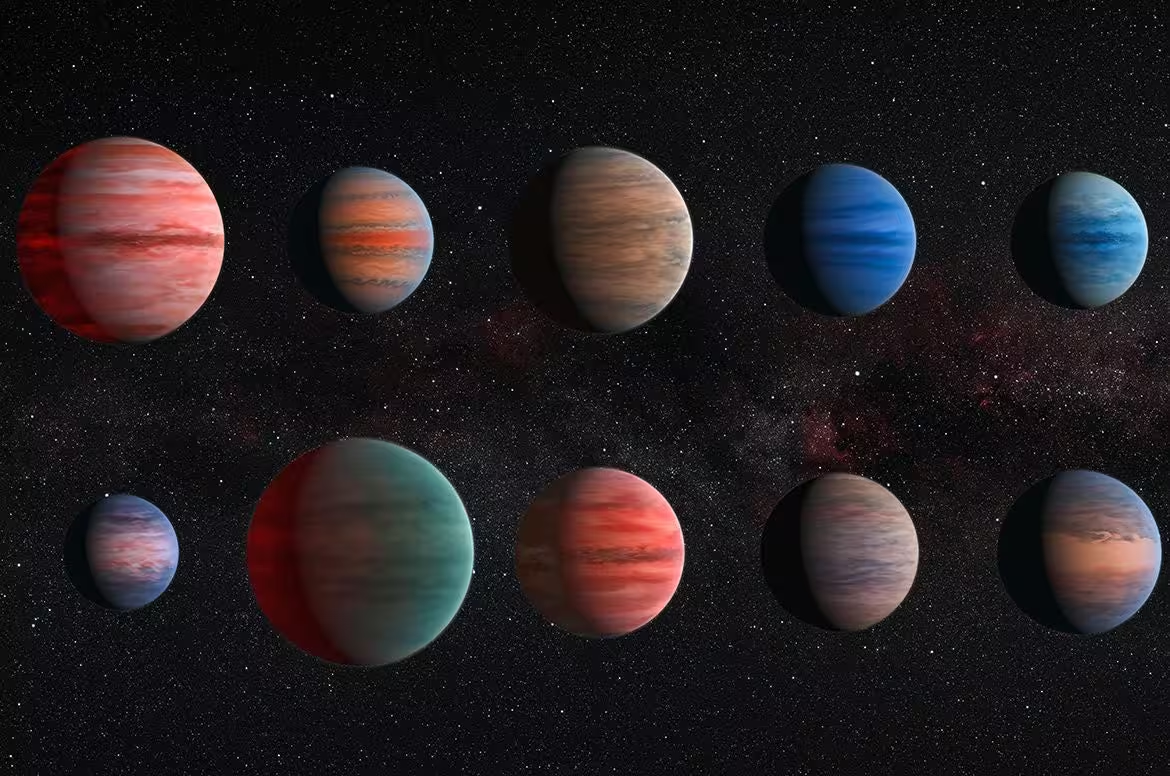
The Physics of a Disappearing World
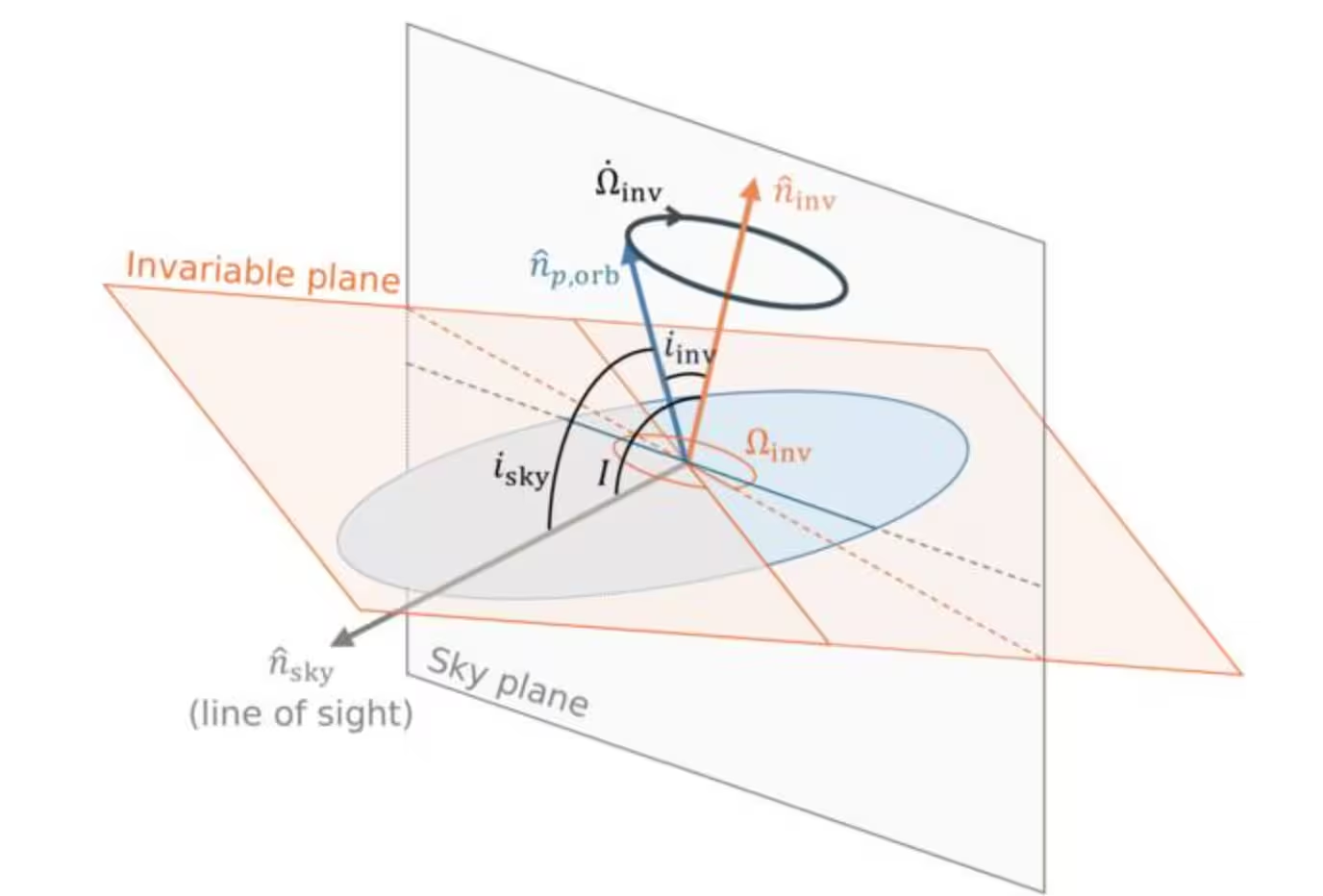
NASA’s Transiting Exoplanet Survey Satellite (TESS) identified the system by monitoring periodic drops in light as the planet crossed the face of its star. However, this method is highly dependent on precise geometry. If an orbiting body’s plane shifts, the planet may eventually miss the star from our perspective entirely, even if the orbit remains otherwise stable.
Before the transits disappeared, researchers documented a dramatic evolution in the signal. The transits became increasingly shallow and short, accompanied by significant timing discrepancies—with some crossings arriving up to six hours earlier or later than anticipated. According to lead researcher Samuel Yee, this is the most pronounced instance of orbital interaction documented to date. The rapid nodal precession—a phenomenon where the orbit wobbles like a spinning top—caused the planet to tilt out of the detectable plane while scientists were actively monitoring it.
Gravitational Clues to Migration
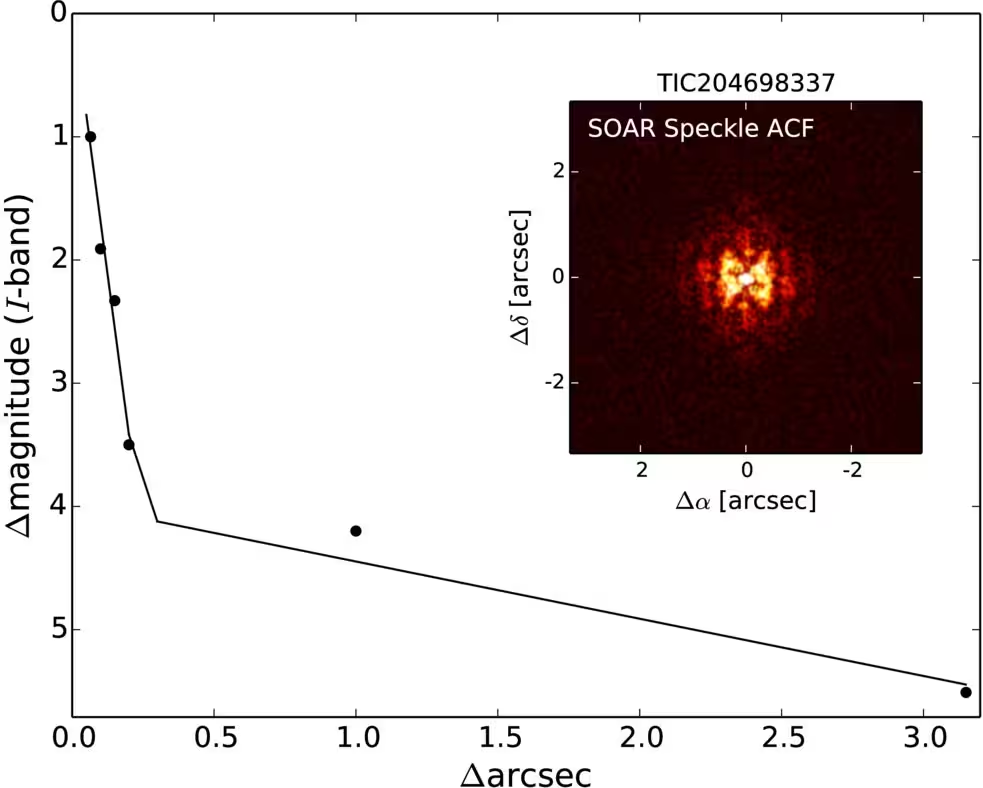
The existence of a second, unseen planet is the primary suspect behind this orbital instability. By utilizing the NEID spectrograph on the WIYN 3.5-meter telescope, the team measured the star’s radial velocity—the subtle “wobble” caused by the gravitational pull of orbiting bodies. These measurements confirmed that the perturbations were not caused by stellar phenomena or binary stars, but by a gravitational influence likely coming from a massive companion.
While the exact nature of this companion remains to be confirmed, simulations suggest it likely resides in a resonant orbit, such as a 2:1 or 3:2 ratio with TOI-2535 b. This interaction offers a rare glimpse into the formation history of “hot Jupiters”—gas giants that reside much closer to their host stars than their size suggests. The presence of a nearby companion suggests that TOI-2535 b may have reached its current position through gradual, inward spiraling rather than a more violent gravitational scattering event.
Future Observations
The team estimates the precession cycle of the planet to be roughly 30 to 50 years, meaning the transits could potentially return in the future. In the meantime, the loss of transit data serves as a catalyst for new investigative techniques. Rather than relying on photometry, future efforts will prioritize long-term radial-velocity tracking to better characterize the companion and refine models of the system’s architecture.
This case study underscores the importance of long-baseline observational programs. A four-year window would have been insufficient to capture the full scope of the orbital transition; however, the seven-year dataset provided a clear view of a dynamic, evolving planetary system. As astronomers continue to probe the mysteries of distant solar systems, the case of TOI-2535 b serves as a reminder that what we see—or fail to see—is only one small part of a larger gravitational story.
This article has been fact checked for accuracy, with information verified against reputable sources. Learn more about us and our editorial process.
Last reviewed on .
Article history
- Latest version
Reference(s)
- “UCLA.” <https://www.ucla.edu/>.
- Yee, Samuel W.., et al. “A TESS Disappearing Act: The Vanishing Transits of TOI-2535 b.” The Astrophysical Journal Letters, vol. 1011, no. 2, November 9, 2026, pp. L60 American Astronomical Society, doi: 10.3847/2041-8213/aeb4a4. <https://iopscience.iop.org/article/10.3847/2041-8213/aeb4a4>.
Cite this page:
- Posted by Aisha Ahmed