AI Matches Human Face Recognition Skills Yet Racial Bias and Human Limits Persist
Using AI as the standard for facial recognition reveals most people are surprisingly poor at recognizing faces.
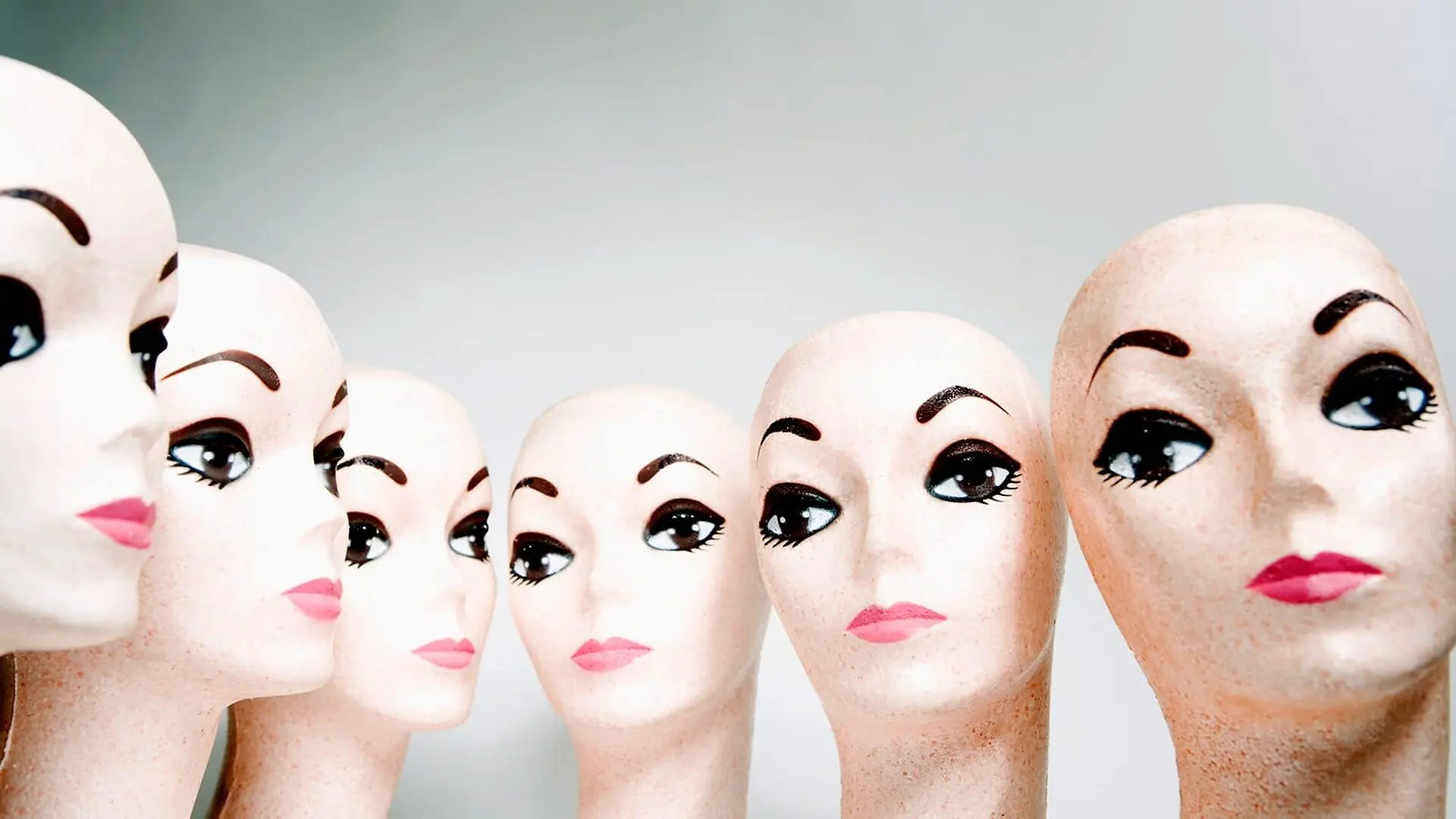
AI and humans show comparable skill in matching faces, study finds
Facial recognition technology underpins many everyday functions, from securing borders to unlocking phones, yet its expansion raises concerns about privacy, fairness and civil liberties.
A recent investigation by scholars at the University of Notre Dame evaluated how well commercial and open‑source artificial intelligence systems perform against a large sample of 4,000 volunteers.
The researchers discovered that, while AI and human judges often converge on which faces look alike, three key variables shape accuracy: the ethnicity of the observer, the ethnicity of the face being evaluated, and the individual’s innate ability to recognize faces, according to Professor Ahmed Abbasi of Notre Dame’s Mendoza College of Business.
Abbasi’s findings appear in the Journal of Applied Research in Memory and Cognition. He notes that “state‑of‑the‑art AI now matches the performance of top human experts.”
He adds that “if AI defines a high standard for facial matching, a sizable portion of the public falls short of that benchmark.” This insight matters because law‑enforcement agencies often rely on a “human‑in‑the‑loop” model, where an algorithm suggests potential matches and an officer makes the final determination.
According to Abbasi, participants with naturally strong facial memory aligned with AI judgments up to 15 % more frequently than average participants, depending on the algorithm used.
The study also highlighted systemic challenges. Different AI models frequently disagreed with each other, and their accuracy dropped when assessing faces from racial groups that were underrepresented in the training datasets. To probe this, the team presented 329 standardized cross‑race photographs in controlled experiments.
Abbasi points out that “these entrenched issues stem from decades of computer‑vision research, making them difficult to resolve quickly.” He argues that while scrutiny of algorithmic bias is essential, the limitations of human perception are often overlooked.
He cautions that “human identification errors, especially in high‑stakes contexts such as eyewitness testimony, deserve greater attention,” noting that several states have prohibited automated facial‑recognition tools, yet human mistakes remain largely unregulated.
The research underscores legal complications of opaque AI systems. It references the New Jersey case State v. Arteaga, where a court compelled a police department to reveal the inner workings of its facial‑recognition software so a defendant could contest its evidentiary value.
Overall, the authors suggest that as AI becomes more embedded in societal processes, both machine performance and human decision‑making must be rigorously evaluated.
Co‑authors hail from the University of Colorado‑Boulder, the University of Central Florida, New Mexico State University and the University of Virginia.
This article has been fact checked for accuracy, with information verified against reputable sources. Learn more about us and our editorial process.
Last reviewed on .
Article history
- Latest version
Reference(s)
- Dobolyi, David G.., et al. “The influence of face recognition ability and race on the relationship between psychological and algorithmic similarity..” Journal of Applied Research in Memory and Cognition, vol. 15, no. 2, June 1, 2026, pp. 225-237. American Psychological Association (APA), doi: 10.1037/mac0000264. <https://doi.org/10.1037/mac0000264>.
Cite this page:
- Posted by Asif Iqbal