After Decades of Failed Research, Artificial Intelligence Just Discovered 303 Hidden Geoglyphs in Peru in Just Six Months
An AI-powered study of a remote Peruvian desert has brought to light previously unknown mysteries, disclosing concealed geoglyphs and remnants of a long-lost civilization that had remained unnoticed for generations.
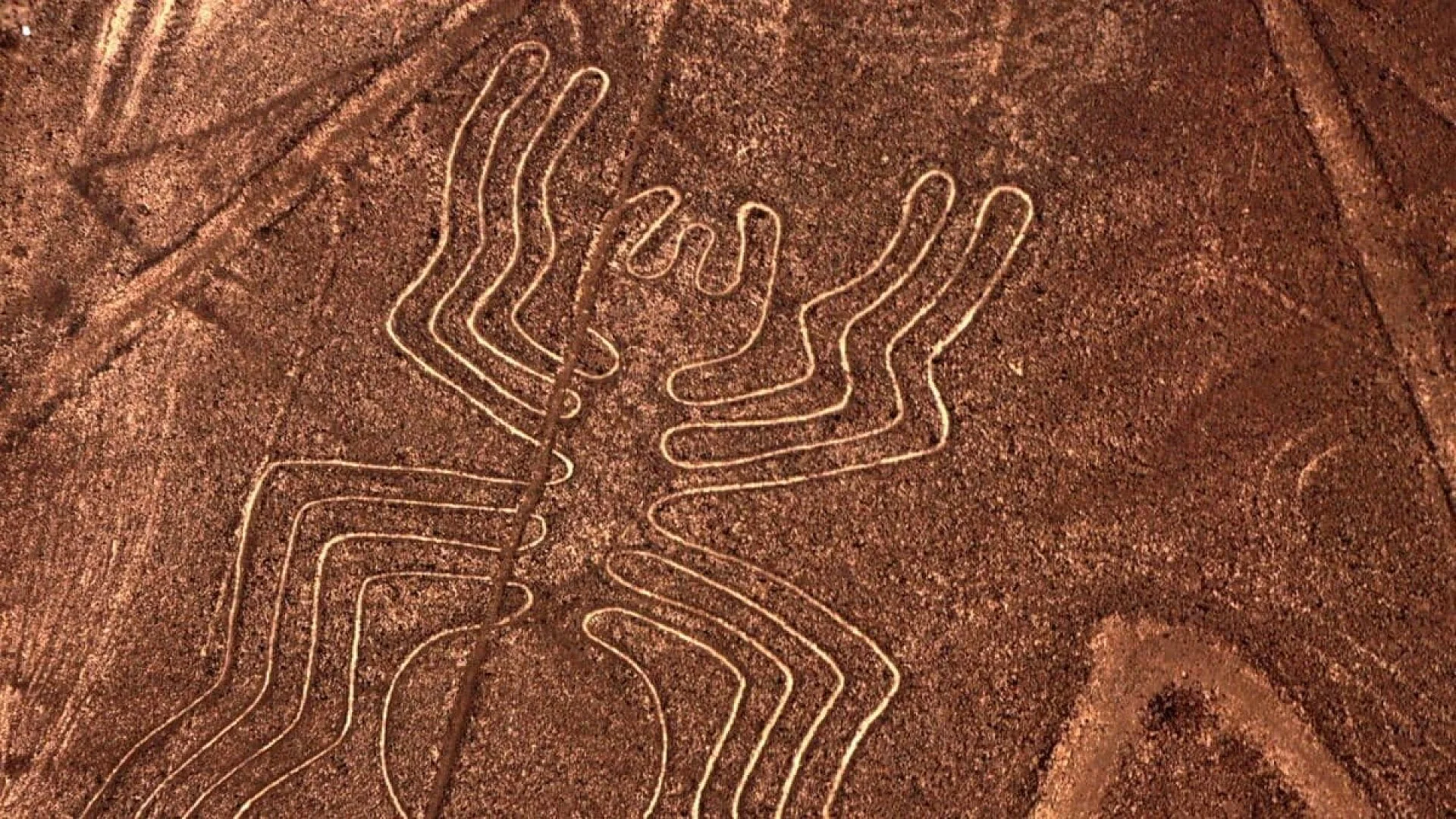
Groundbreaking research has revealed a staggering 303 previously unknown Nazca geoglyphs in southern Peru, nearly doubling the number of known relief-style figures scattered across the desert and providing fresh insights into the ancient Nazca people’s relationship with their surroundings.
The discovery was made possible through a collaborative effort between Yamagata University and IBM Research, which employed artificial intelligence to analyze high-resolution aerial images of the Nazca Pampa. According to the study published in Proceedings of the National Academy of Sciences, the AI system detected hundreds of potential geoglyphs within six months.
The Nazca Lines have long fascinated scientists and travelers alike, with their massive birds, monkeys, geometric patterns, and human-like figures carved into the soil nearly 2,000 years ago. While researchers have spent years searching for hidden figures using planes, satellite images, and on-foot surveys, many faint shapes remained undetected. The AI-assisted project has dramatically accelerated the pace of discovery.
AI Unveils Hidden Patterns
The research team, led by archaeologist Masato Sakai, trained the AI system using known geoglyphs before allowing it to analyze aerial photographs covering the entire plateau. The model didn’t simply search for complete drawings; instead, it analyzed high-resolution images by dividing the landscape into thousands of small tiles and checked each one for patterns linked to possible geoglyphs.
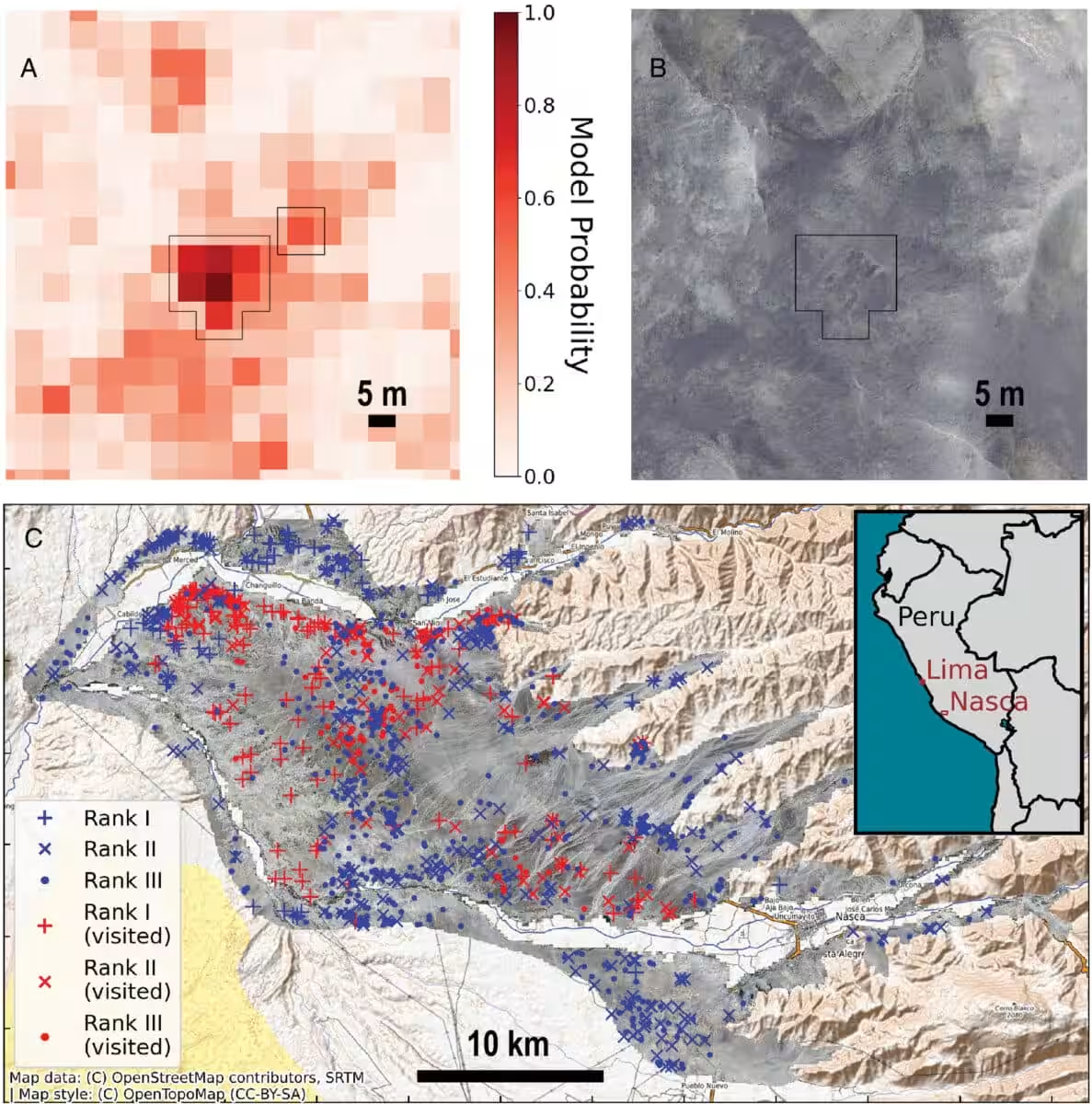
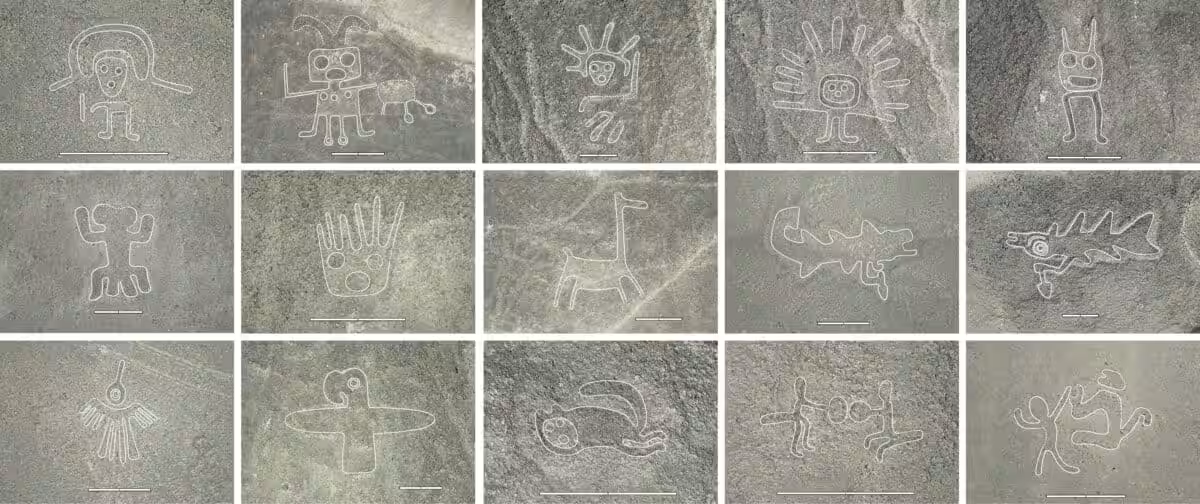
The team also expanded the training dataset by breaking known figures into smaller sections, enhancing the algorithm’s ability to detect faint or incomplete shapes. The results were remarkable, with the AI identifying 303 new surface-type geoglyphs between September 2022 and February 2023. The confirmed total now stands at 430 figures, including 318 recorded by the university since 2004.
Many of the newly found images are relatively small, around 20 yards long on average. Some depict human heads with exaggerated eyes or mouths, while others show animals such as camelids and felines, creatures closely tied to everyday life in ancient Peru.
The Desert Pathways May Hold The Real Clue
One striking detail caught researchers’ attention: many of the newly discovered geoglyphs sit very close to ancient walking paths. As noted in the paper, several were located within about 141 feet of old routes crossing the plateau.
That positioning may explain part of their purpose. Researchers believe travelers moving through the desert could have used the figures during rituals or as visual reminders tied to beliefs, myths, or social roles.
“The human heads depict human sacrifices to the gods,” Sakai also noted that Nazca society had no written language. “People learned about the roles of humans and animals by looking at pictures and used them as places for rituals.”
The smaller relief-style figures appear distinct from the giant line-type geoglyphs famous worldwide. Those larger designs are often connected to broader ceremonial routes where groups may have gathered for collective rituals or processions.
AI Revolutionizes Archaeology
The Nazca Pampa spans more than 190 square miles, and searching it manually takes enormous amounts of time. AI enables teams to narrow down likely locations in days instead of years, making fieldwork far more efficient. Archaeologists can then focus on confirming discoveries and protecting vulnerable areas. Modern roads, mining activity, and tourism continue to threaten parts of the fragile desert surface where the geoglyphs survive.
The new digital maps created during the project could aid authorities in identifying areas requiring stronger preservation measures. For archaeologists, the discoveries offer a clearer glimpse into a civilization that left no written records but covered an entire desert with images still visible thousands of years later.
“By accelerating the research process,” the authors wrote, “our method contributes to archeology by establishing a new paradigm that combines field surveys and AI, leading to more efficient and effective investigations.”
This article has been fact checked for accuracy, with information verified against reputable sources. Learn more about us and our editorial process.
Last reviewed on .
Article history
- Latest version
Cite this page:
- Posted by Asif Iqbal