Inside the Mysterious Crypt of Civilization Sealed Until the Year 8113
A mysterious door welded shut during World War II holds a secret message intended for future generations living millennia from now.
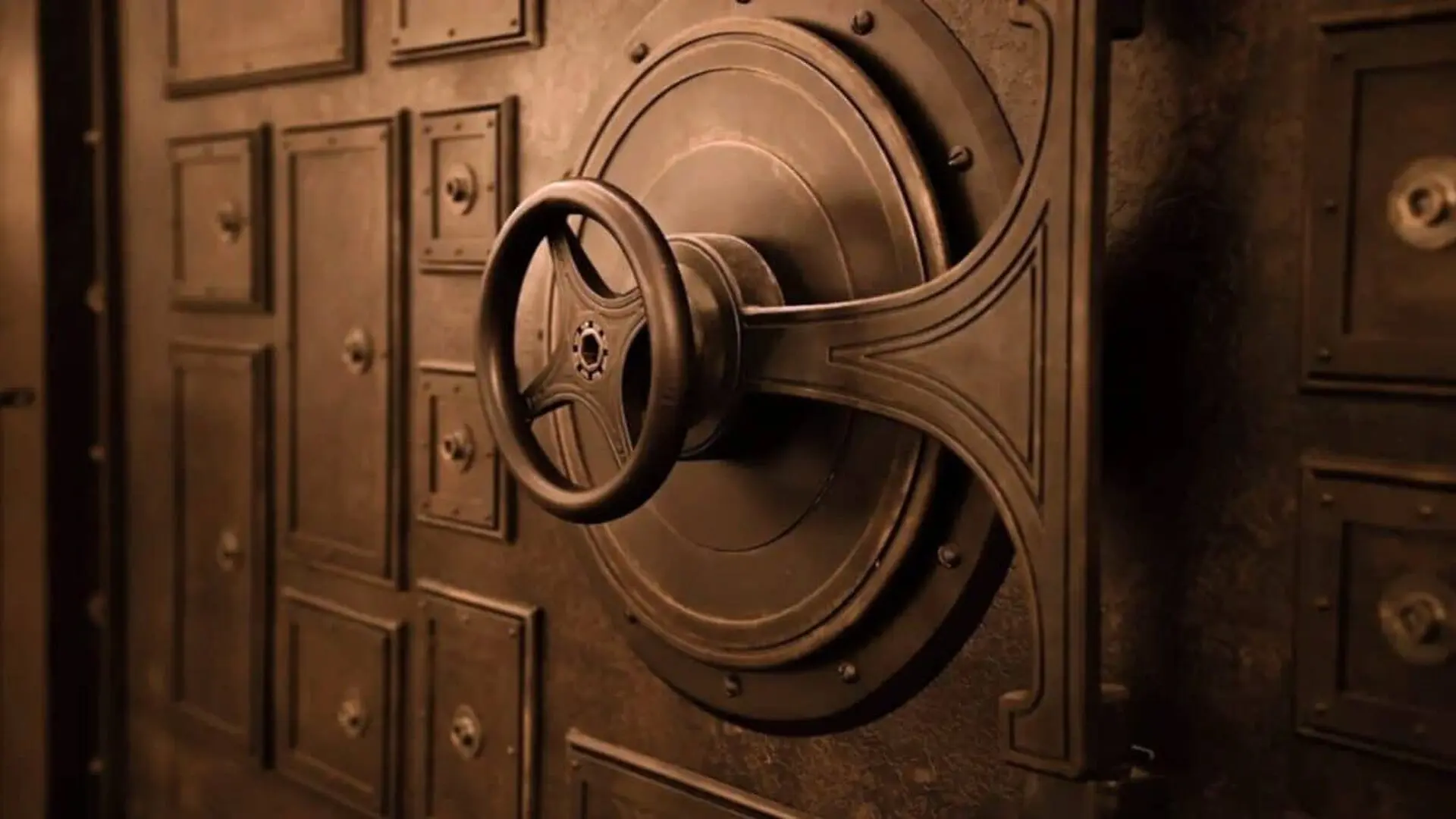
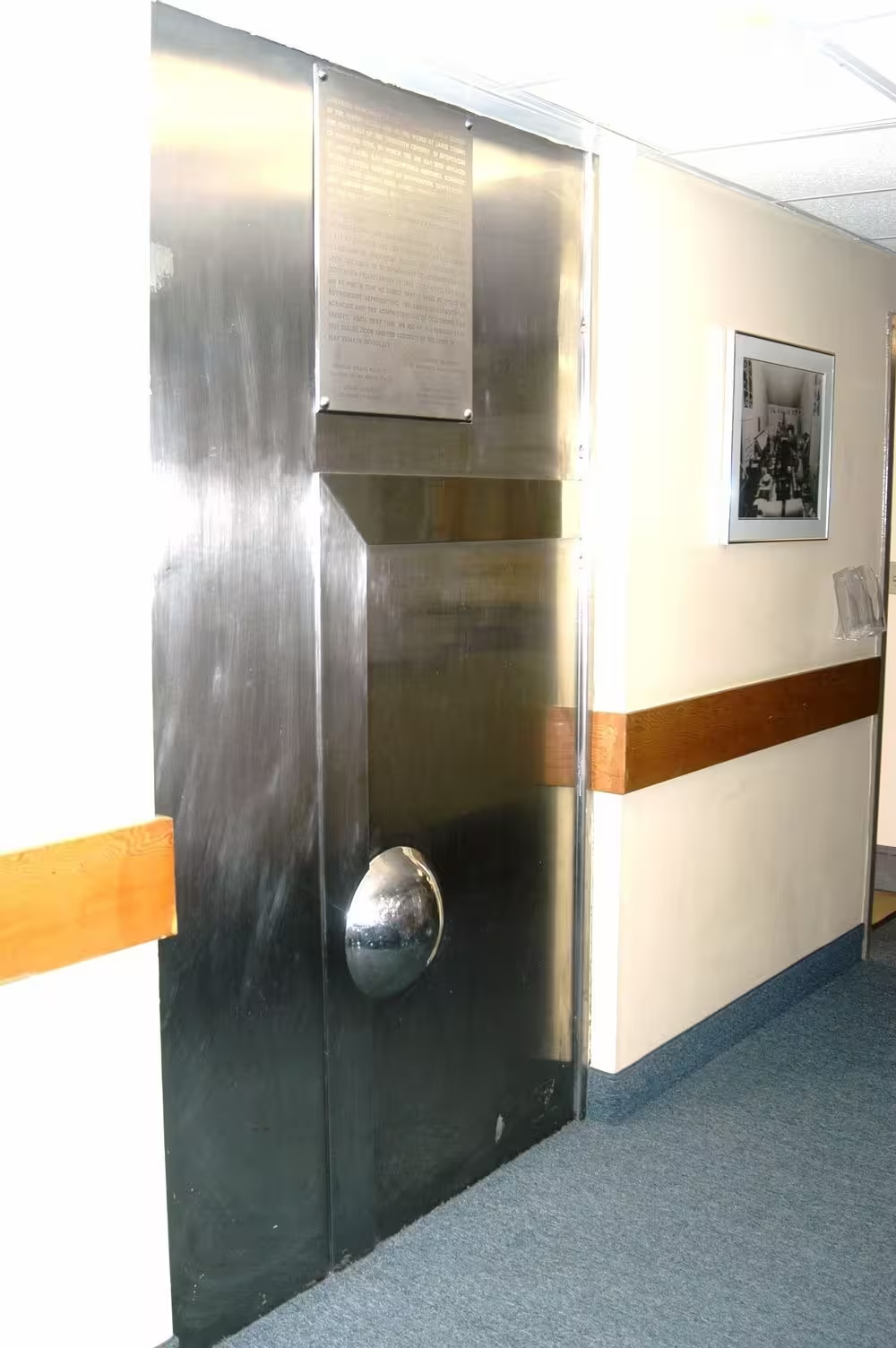
Deep beneath a granite structure on the campus of Oglethorpe University in Atlanta, a sealed stainless steel door guards a collection of items frozen in time since 1940. Tucked inside this subterranean chamber, a bottle of Budweiser sits beside a diverse assortment of artifacts, ranging from Lincoln Logs and a Donald Duck toy to the original script of Gone With the Wind. Known as the Crypt of Civilization, the repository is not scheduled to be reopened until May 28, 8113—a date more than 6,000 years in the future, spanning a duration longer than all of human history preceding its creation.
A Vision for Future Archaeologists
The ambitious project was the brainchild of Thornwell Jacobs, an educator and author who revived Oglethorpe University in 1915. During the 1930s, while researching the ancient world, Jacobs became frustrated by the gaps in the historical record. He noted that while scholars could map the lives of monarchs and the movements of armies, the mundane details of daily life in past societies remained largely lost to time. Inspired by the accidental preservation of Ancient Egyptian artifacts, Jacobs sought to create a deliberate scientific record for future generations, viewing it as an archaeological duty.
In a 1936 Scientific American article, Jacobs proposed his timeline. He anchored the start of his calculations to 4241 BC, the era often cited by historians as the origin of the Egyptian calendar. By marking the interval between that date and the year 1936, he determined that a balanced future date would be 8113. The public was captivated, flooding the university with suggestions that included everything from standard household tools to a martini, complete with an olive.
Engineering a Multi-Millennial Archive
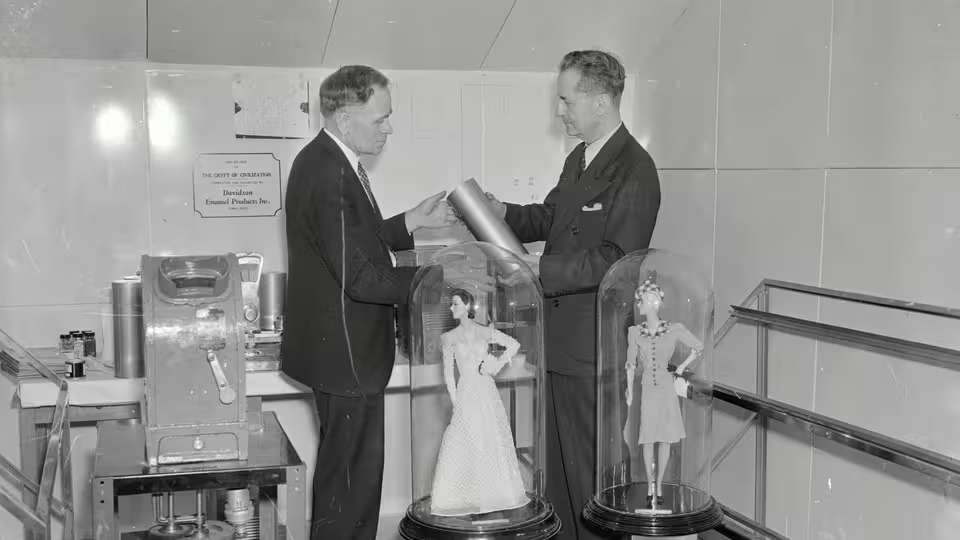
To house the archive, Jacobs selected a defunct swimming pool located under Phoebe Hearst Hall, a structure built directly onto the Appalachian bedrock. Between 1937 and 1940, the space was transformed into a 20-by-10-by-10-foot vault. The team lined the granite walls with porcelain enamel plates and used nitrogen-filled, glass-lined stainless steel containers to prevent degradation.
Jacobs recruited Thomas Kimmwood Peters, a veteran photographer and inventor who had documented the 1906 San Francisco earthquake and worked at archaeological sites in Egypt, to lead the preservation effort. Peters utilized his own microfilm technology to capture over 800 literary works, including the Bible and the Iliad, resulting in a repository of more than 640,000 pages of microfilm. As a safety measure against potential technological obsolescence, the collection also featured metal-etched copies of the texts.
An Eclectic Snapshot of the 20th Century
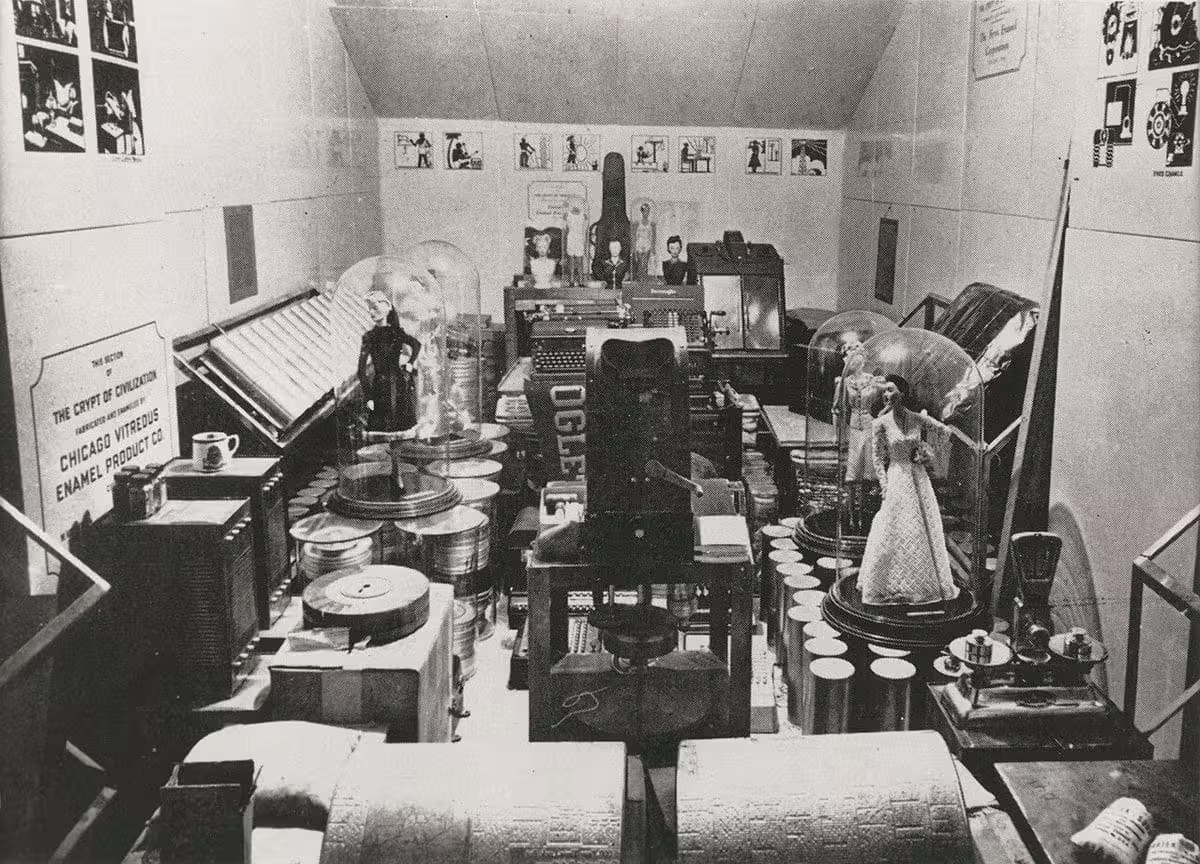
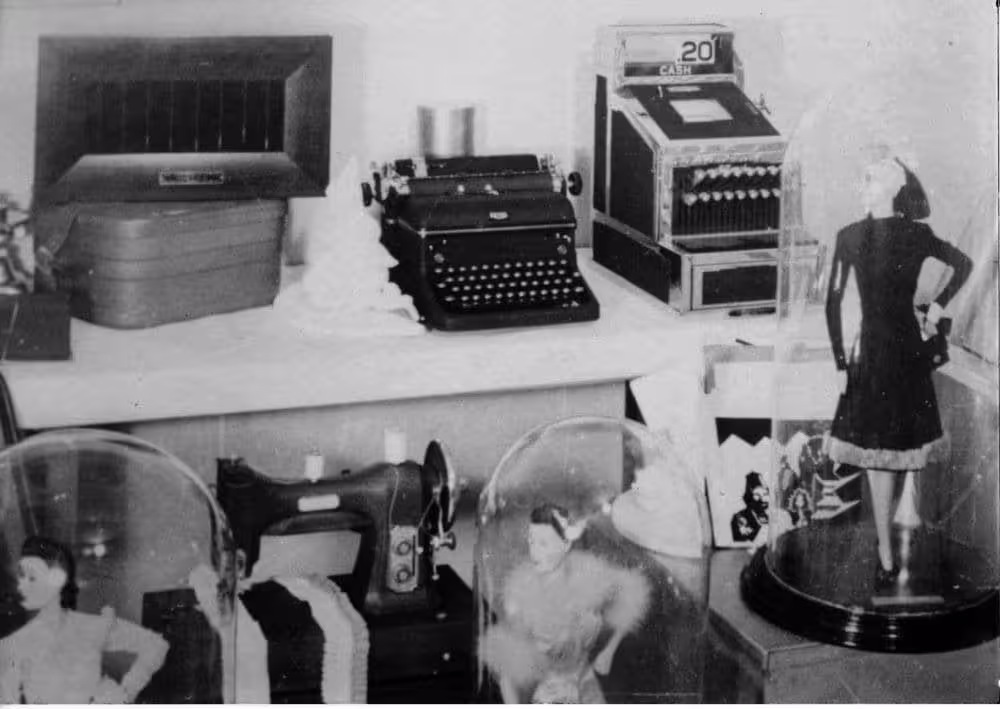
The archive aimed to capture the essence of a civilization beyond mere literature. It includes an assortment of mundane and eccentric items: a typewriter, a radio, television components, Artie Shaw records, and even the contents of a woman’s purse. The audio collection is equally diverse, featuring speeches from world leaders like Franklin Roosevelt and Adolf Hitler, alongside the voices of pop-culture figures like Popeye the Sailor and a champion hog caller.
To ensure the future inhabitants could access this information, the team included projectors, microfilm readers, and a magnifying glass. If modern power grids were unavailable in 8113, a windmill-powered generator was provided as a backup. Notably, no precious metals or jewelry were included to discourage premature looting, and the entire project relied on donations from organizations like Eastman Kodak and various world leaders.
A Final Sealing Amidst Global Upheaval
The sealing ceremony in the spring of 1940 occurred under the shadow of global war. During the event, a grim reality was acknowledged as the final additions—including newspapers detailing the ongoing conflicts—were placed inside. Jacobs famously addressed his future audience: “The world is engaged in burying our civilization forever, and here in this crypt we leave it to you.”
Though the crypt drifted from public consciousness for decades, it was rediscovered in 1970 by Oglethorpe student Paul Hudson, eventually earning a spot in the Guinness Book of World Records as the first intentional time capsule of its kind. While visitors can still stand before the welded stainless steel door, the chamber remains firmly closed. When asked about the potential for disaster—specifically air raids—during the original construction, Peters remained unfazed. He noted that the weight of the stone above would likely only push the vault deeper into the earth, ensuring it would be “better preserved” for the distant future.
This article has been fact checked for accuracy, with information verified against reputable sources. Learn more about us and our editorial process.
Last reviewed on .
Article history
- Latest version
Reference(s)
- Karmelek, Mary. “A Peek Inside the Crypt of Civilization.”, December 2, 2011 Scientific American <https://www.scientificamerican.com/blog/anecdotes-from-the-archive/a-peek-inside-the-crypt-of-civilization/>.
Cite this page:
- Posted by Vikram Desai