This Massive Lunar Mountain Could Be The Key To A Permanent Human Presence On The Moon
A towering lunar mountain near the Moon’s south pole could provide astronauts with vital sunlight and water ice, marking a prime site for future missions.
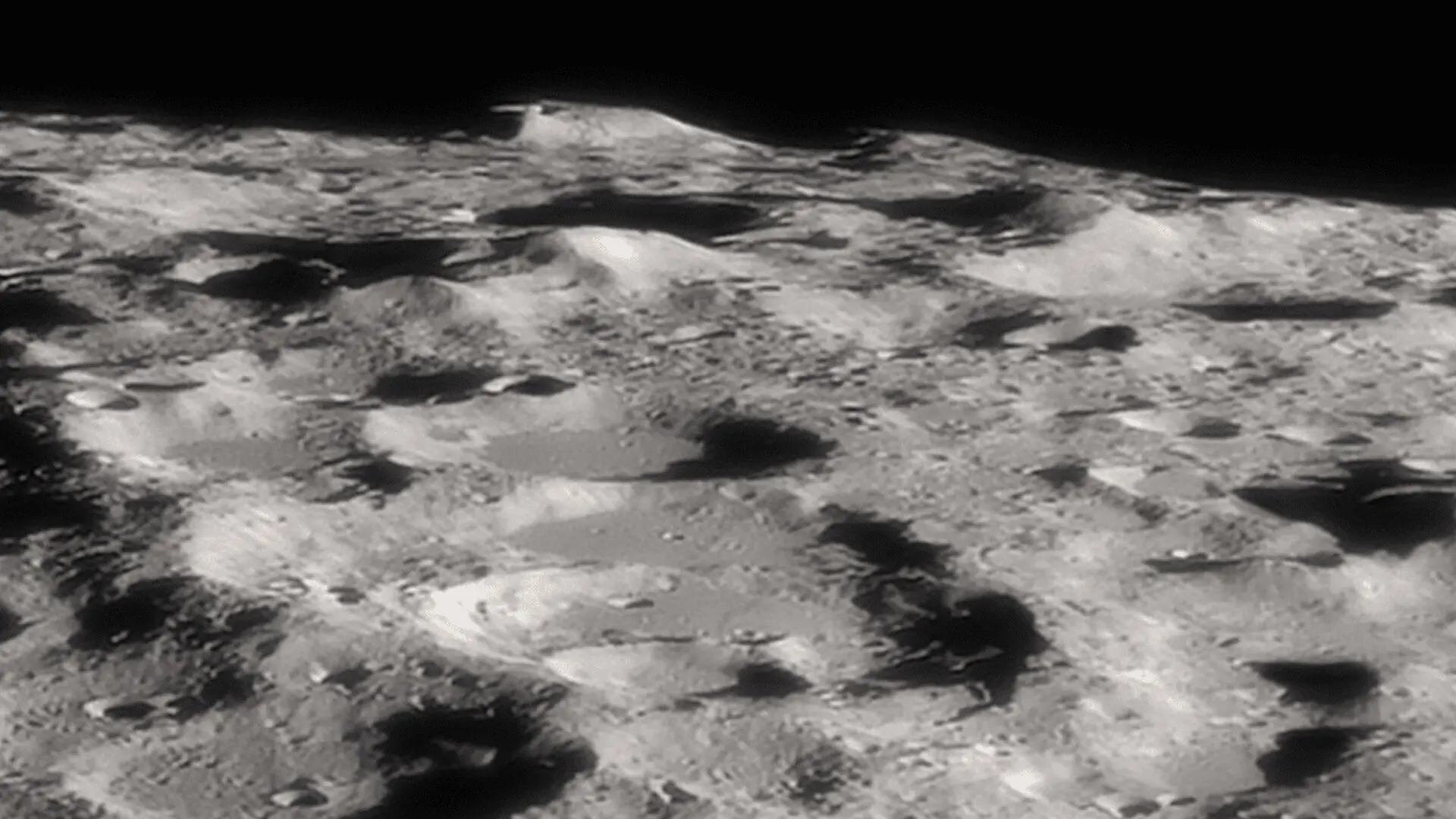
Rising approximately 2.5 miles (4 kilometers) above the lunar landscape, the De Gerlache-Kocher massif is emerging as a critical site for the future of space exploration. Located near the Moon’s south pole, this towering geological formation serves as a unique nexus for the two most vital requirements of a long-term lunar base: reliable solar power and the potential for accessible water ice.
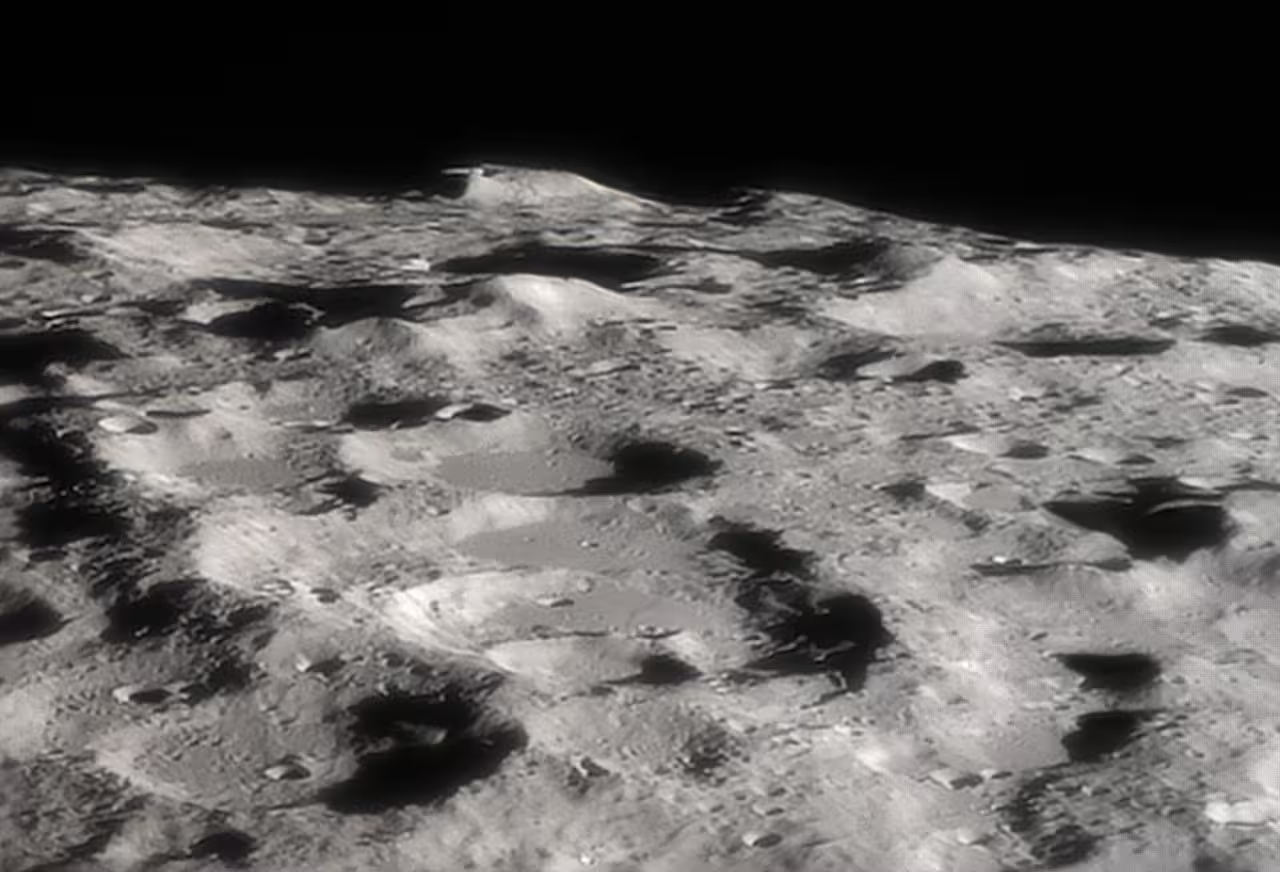
A recent, rare photograph captured on October 31 showcases the massif as it emerges along the lunar limb, the thin sliver of the Moon visible from Earth. Capturing this perspective is notoriously difficult, as the south pole sits at the very edge of our line of sight. However, a specific instance of lunar libration—the natural, subtle wobbling of the Moon in its orbit—tilted the satellite just enough to pull the mountain into view against the horizon.
Strategic Advantages for Artemis Missions
The interest surrounding the De Gerlache-Kocher massif is rooted in its proximity to extreme environments. According to NASA’s Astronomy Picture of the Day documentation and ongoing data from the Lunar Reconnaissance Orbiter, the region functions as a bridge between light and shadow. At the lunar poles, the Sun hangs low, but elevated peaks like this massif benefit from extended periods of sunlight. This steady illumination is a game-changer for solar-powered operations, potentially removing the need for massive, cumbersome battery banks to survive long lunar nights.
Conversely, the massif sits adjacent to craters that have remained in permanent darkness for eons. These regions are among the coldest spots in the solar system and are widely believed to harbor significant deposits of water ice. For future missions, this ice represents a critical “in-situ” resource; if harvested, it could be transformed into breathable oxygen, potable water, and even liquid hydrogen and oxygen for rocket fuel, drastically reducing the logistical burden of launching supplies from Earth.
Evaluating a Future Landing Site
The Artemis program has identified the south polar region as the primary theater for its upcoming crewed missions. By shifting focus from the equatorial landing sites of the Apollo era to the rugged, volatile terrain of the poles, NASA intends to build a sustainable footprint on the lunar surface. The De Gerlache-Kocher massif is currently under consideration as a candidate landing zone, with mission planners weighing factors such as surface stability, slope navigation, and the precision required for touchdown.
While the mountain is a prime candidate, it remains one of several potential locations under review. Before any mission is greenlit, engineers must conduct exhaustive surveys to map hazards and ensure that surface conditions can support the infrastructure required for human habitation.
Sustainability on the Lunar Frontier
The allure of the De Gerlache-Kocher massif lies in its efficiency. A base situated on this elevation could provide a stable platform for communication, scientific research, and robotic exploration, all while remaining within reach of the dark, ice-rich crater floors. As researchers examine the lunar south pole more closely, the challenge remains to verify the exact quantity and accessibility of the ice locked in the shadows.
For now, the latest telescopic imagery serves as a reminder of how close humanity is to shifting from brief lunar visits to permanent operations. The same physical traits that make this mountain a daunting environment for explorers are precisely what could make it the gateway for humanity to establish a lasting home on the Moon.
This article has been fact checked for accuracy, with information verified against reputable sources. Learn more about us and our editorial process.
Last reviewed on .
Article history
- Latest version
Reference(s)
- Bonnell, Jerry. “APOD: 2026 November 7 – De Gerlache-Kocher Massif - NASA Science.”, November 7, 2026 NASA <https://science.nasa.gov/image-article/apod-2026-november-7-de-gerlache-kocher-massif/>.
Cite this page:
- Posted by Vikram Desai