Engineers Propose Giant Sunshade and Jupiter Fusion to Keep Earth Habitable After Sun’s Death
Scientists propose a bold plan to protect Earth from the Sun’s deadly expansion billions of years in the future.
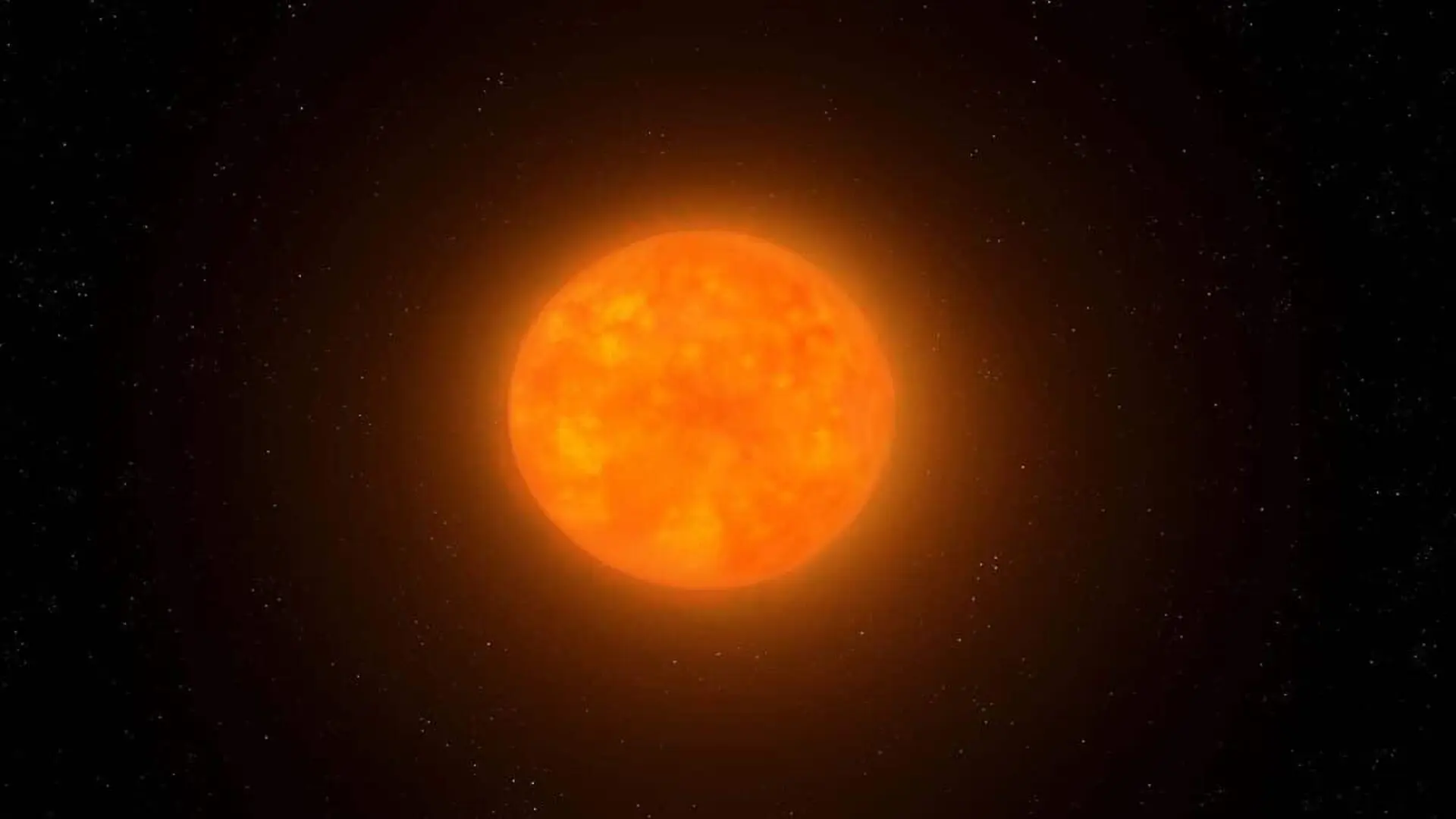
In roughly a billion years the Sun will exhaust its nuclear fuel and swell into a red giant, a transformation that could strip Earth of its oceans, atmosphere and possibly swallow the planet altogether. A recent study by Gabriel Harry, soon to appear in the Journal of the British Interplanetary Society, outlines a suite of colossal engineering strategies that could keep Earth viable by exploiting resources already present in the solar system.
Megastructural Sunshade to Temper a Growing Star
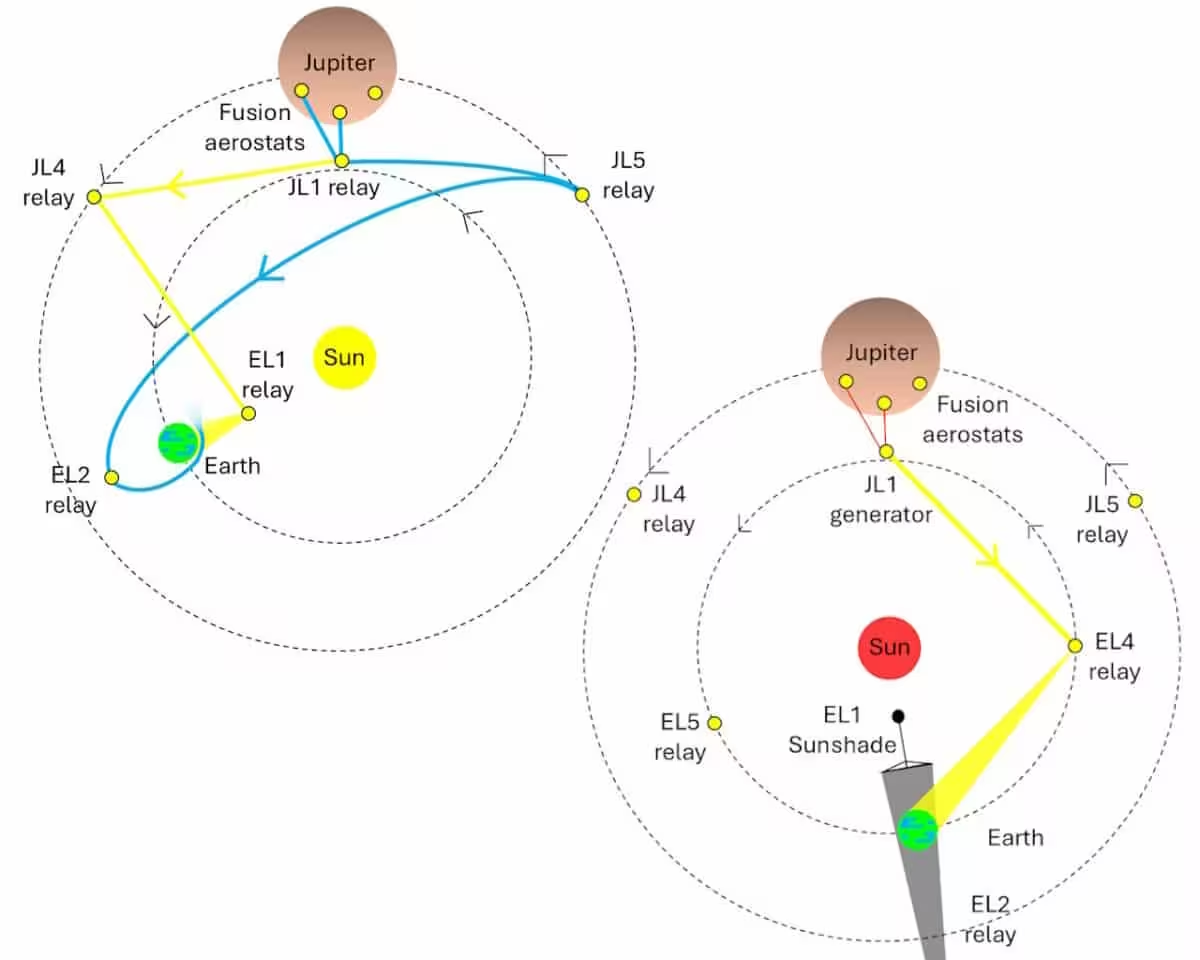
To counter the intensifying heat of a red‑giant Sun, the authors propose a gigantic sunshade positioned at Lagrange point 1 (L1), where Earth’s and the Sun’s gravitational pulls balance. By attaching the shade to a counterweight via an ultra‑long cable, the structure could be drawn closer to Earth—just beyond the Moon’s orbit—while still casting a protective shadow.
Materials for the shade would be sourced from nearby bodies. Mining roughly 40 % of the dwarf planet Ceres could yield enough carbon to fabricate a tether spanning two million kilometres, while extracting a mere 0.01 % of lunar rock would supply the aluminum needed for a shade with a radius of about 350 000 kilometres. These estimates are detailed in the study.
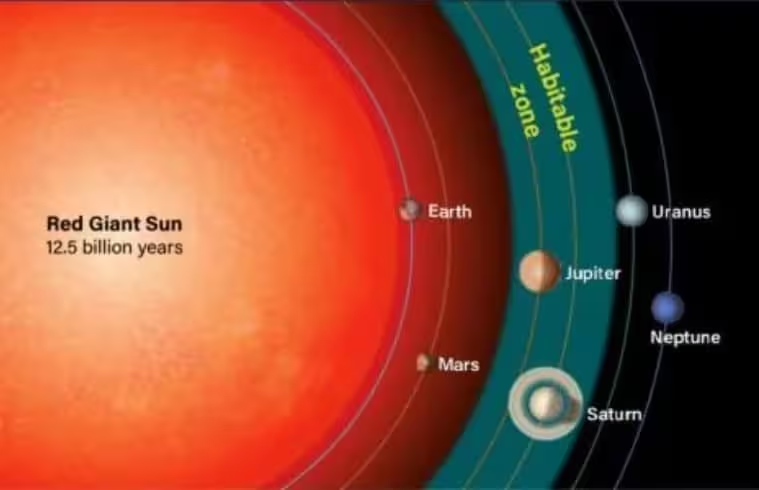
While the shade would block the most damaging radiation, it would also cut off the natural sunlight that sustains life. The study therefore turns to the gas giants for an alternative power source.
Jupiter‑Powered Fusion to Simulate Sunlight
Gas giants such as Jupiter contain vast reservoirs of hydrogen and helium that could feed long‑term fusion reactors. According to Harry’s calculations, placing reactors roughly 6 500 kilometres beneath Jupiter’s atmosphere would allow the planet’s immense pressure to aid in containing the fusion reaction.
The energy harvested from these reactors could be beamed to Earth via a network of space‑based relays and high‑energy lasers. One proposed laser, measuring about 15 kilometres in length, would serve as the conduit for transmitting artificial sunlight to the planet’s surface.
Modeling suggests that Jupiter’s fusion capacity could sustain this artificial illumination for approximately 9.1 quadrillion years, far exceeding the Sun’s remaining lifespan. The authors acknowledge that achieving such a system would require technologies far beyond current capabilities.
Repositioning Earth and Revitalising Its Core
Even with a protective shade and artificial sunlight, Earth’s orbit would gradually shrink under the red‑giant Sun’s influence. The paper explores the use of repeated gravitational slingshot maneuvers—sending massive objects near Earth to transfer orbital energy and slowly push the planet outward.
An additional proposal involves directing oxygen extracted from Jupiter past Earth as a particle beam. The beam’s mass would be comparable to half of the Amazon River’s annual discharge, and any accidental impact with Earth would simply disperse the oxygen without causing significant environmental disruption.
To preserve tectonic activity as the planet cools, the authors suggest delivering small quantities of antimatter—about two kilograms per day—into Earth’s mantle using molten iron carriers. This continual injection could keep the core’s heat engine running.
The research also contemplates the future collision between the Milky Way and Andromeda galaxies. By launching hydrogen beams near Jupiter, it may be possible to fine‑tune the solar system’s trajectory in response to the galactic merger.
This article has been fact checked for accuracy, with information verified against reputable sources. Learn more about us and our editorial process.
Last reviewed on .
Article history
- Latest version
Reference(s)
- “L1, the first Lagrangian Point.” <https://www.esa.int/Science_Exploration/Space_Science/L1_the_first_Lagrangian_Point>.
- Harry, Gabriel. “Retaining Earth's Habitability Beyond the Life of the Sun.” arXiv.org, doi: 10.59332/jbis-079-07-0230. <https://arxiv.org/abs/2607.13084>.
Cite this page:
- Posted by Vikram Desai