Rare Optical Illusion Causes Venus to Grow Glowing Horns in Stunning NASA Image
NASA’s latest image of Venus reveals glowing atmospheric horns extending beyond the planet’s crescent, showcasing a fascinating trick of sunlight.
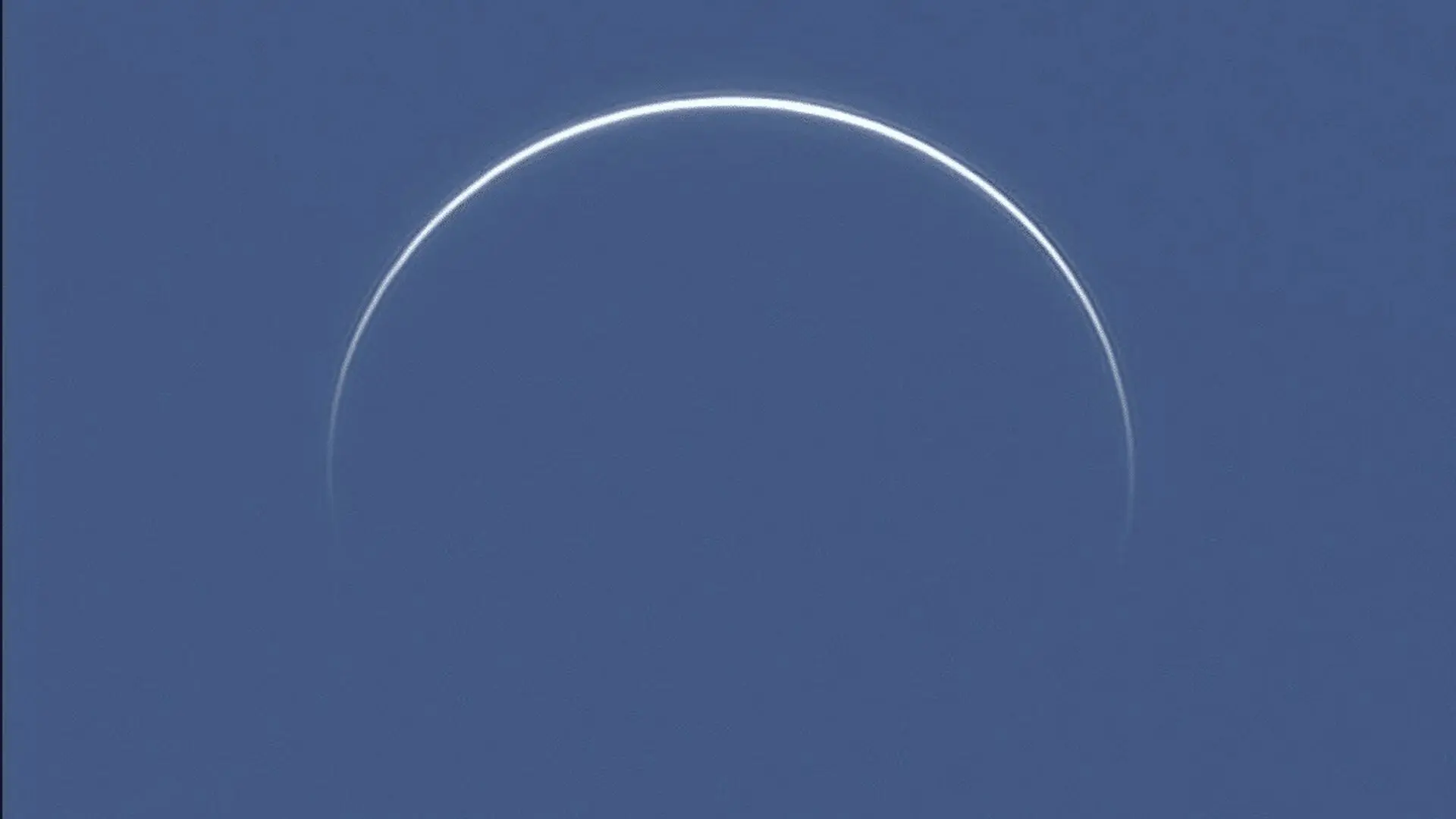
When looking at the heavens, it is easy to mistake the latest capture of Venus for a lunar crescent. A stunning photograph recently highlighted by NASA, however, reveals a unique optical quirk that separates our planetary neighbor from the Moon: the so-called horns of Venus.
The image, captured by astrophotographer Thierry Legault and featured in the Astronomy Picture of the Day series on October 29, 2026, showcases the planet as it approaches inferior conjunction. This is the point in its orbit where Venus swings between Earth and the Sun, typically occurring every 19 months. Because of its thick, CO2-heavy atmosphere, the planet does more than simply reflect light; it bends it.
The Physics Behind the Glowing Arc
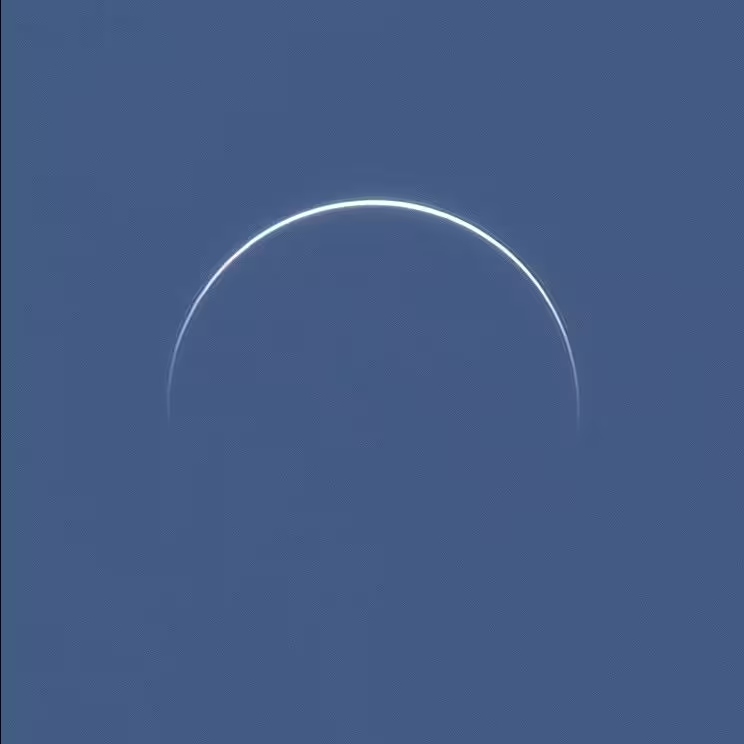
While the Moon’s lack of an atmosphere results in a standard crescent, the dense clouds shrouding Venus act like a lens. As sunlight grazes the planet, the atmosphere refracts and scatters the light, causing the illuminated portion to wrap around the disk. This creates a brilliant arc that extends well beyond the 180-degree boundary of a typical crescent, stretching the tips into elongated, glowing horns.
These features are not physical extensions of the planet itself, but rather a direct consequence of light interacting with the thick gaseous layers that define the Venusian environment.
A Celestial Puzzle Throughout History
The fluctuating brightness of Venus has fascinated human observers for millennia. Historical evidence suggests that ancient Babylonian astronomers were likely among the first to track these shifts, recognizing the correlation between the planet’s changing phases and its visual intensity. Similar interest in the planet’s movements is documented in the oldest surviving Maya texts, underscoring how central Venus has been to human sky-watching for thousands of years.
For modern enthusiasts, observing the basic crescent phase of Venus is possible with binoculars or a small telescope during twilight hours. However, catching the elusive, extended horns often requires advanced imaging equipment. Astronomers remind the public that any attempt to view objects near the Sun must be done with extreme caution, as looking through optical instruments without proper safety filters can result in permanent, irreversible vision damage.
Ultimately, this image serves as a reminder of the stark contrast between our satellite and our neighbor. While the Moon appears as a barren, airless world, the glowing, elongated crescent of Venus stands as a brilliant signature of the complex, crushing atmosphere that defines the planet’s existence.
This article has been fact checked for accuracy, with information verified against reputable sources. Learn more about us and our editorial process.
Last reviewed on .
Article history
- Latest version
Reference(s)
- Chirenti, Cecilia. “APOD: 29 October 2026 - The Horns of Venus - NASA Science.”, October 29, 2026 NASA <https://science.nasa.gov/image-article/apod-29-october-2026-the-horns-of-venus/>.
Cite this page:
- Posted by Karan Das