Scientists Discover New Class of Metals That Refuse to Break at Near Absolute Zero
Scientists discovered that two unusual metal alloys exhibit unexpected, record-breaking strength and ductility when cooled to extreme cryogenic temperatures.
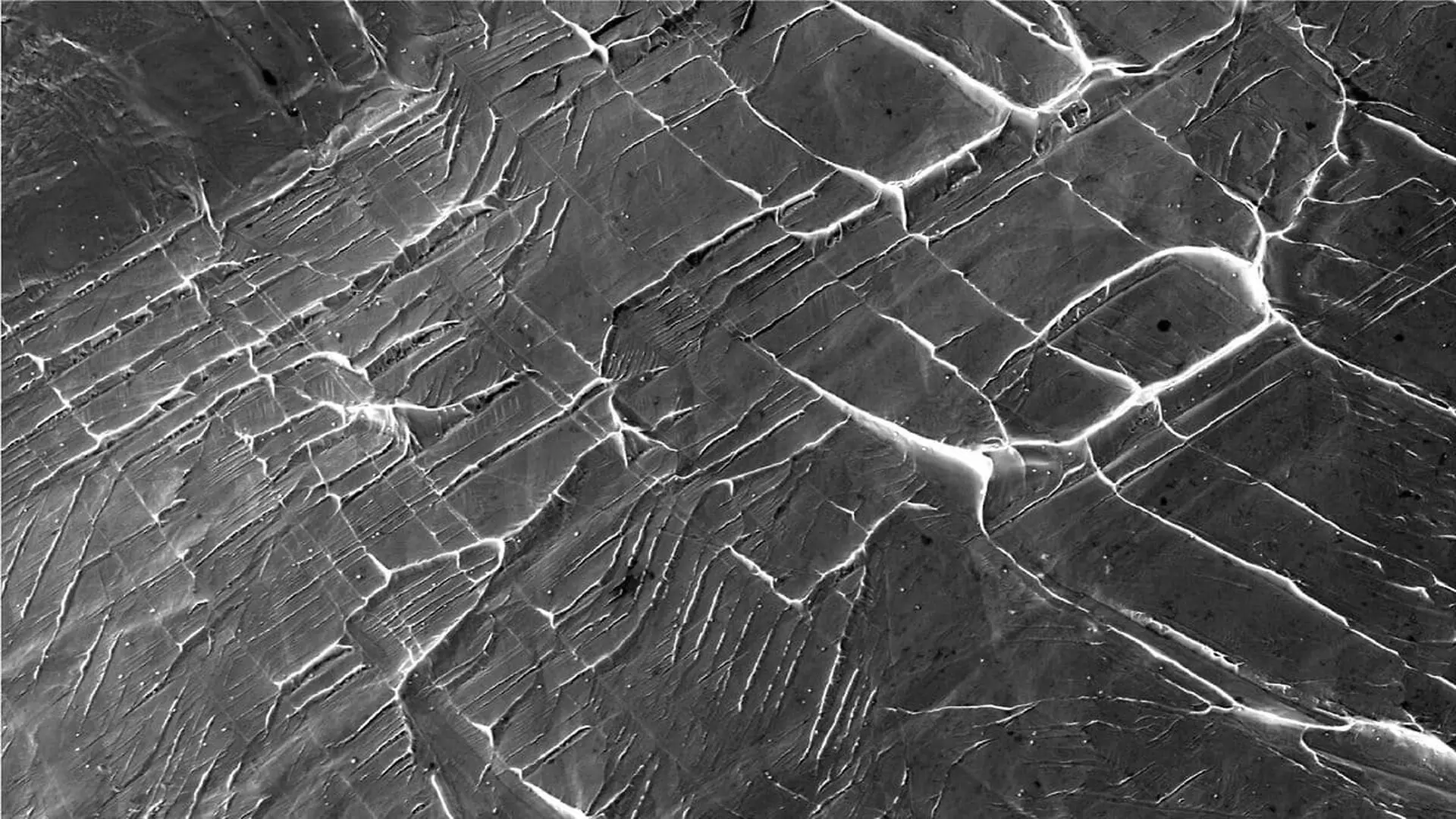
Engineers have long grappled with the tendency of metals to shatter like glass when exposed to extreme cold. However, a new study reveals that two experimental alloys possess a unique ability to resist such brittle failure, maintaining their structural integrity even at temperatures as low as -424°F (-253°C).
Typically, metals with a body-centered cubic (BCC) crystal structure—a group that includes iron, tungsten, and chromium—grow increasingly brittle as temperatures plummet. This transition occurs because the internal crystalline defects known as dislocations, which usually allow a metal to bend and absorb stress, become effectively frozen in place. Without the ability to deform, the material instead fractures under pressure.
Defying the Deep Freeze
In a study published in Nature, researchers from the University of California, Berkeley, Lawrence Berkeley National Laboratory, and the University of Oxford demonstrated that their new alloys avoid this fate entirely. When tested at 20 kelvin, the materials showed no measurable transition to brittleness, defying the conventional rules that govern metallic behavior in cryogenic environments.
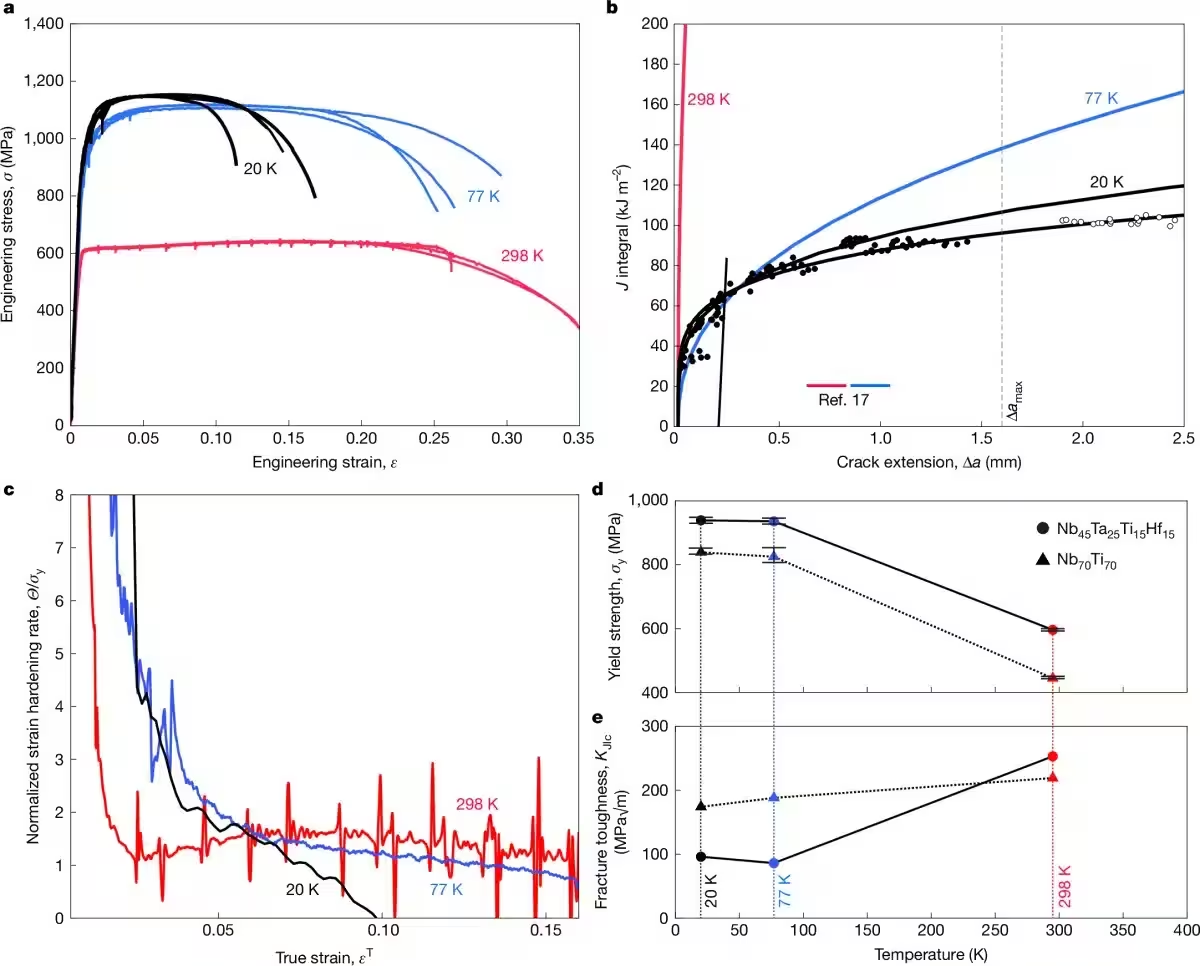
The secret lies in the material’s internal response to stress. While standard models focus on the mobility of existing dislocations, the research team discovered that these alloys are capable of generating entirely new dislocations at crystalline interfaces when external pressure is applied. According to lead author Dr. David Cook, this suggests that the ability to create new defects is a critical, previously overlooked factor in preventing low-temperature fractures.
Advanced Imaging Reveals Atomic Secrets
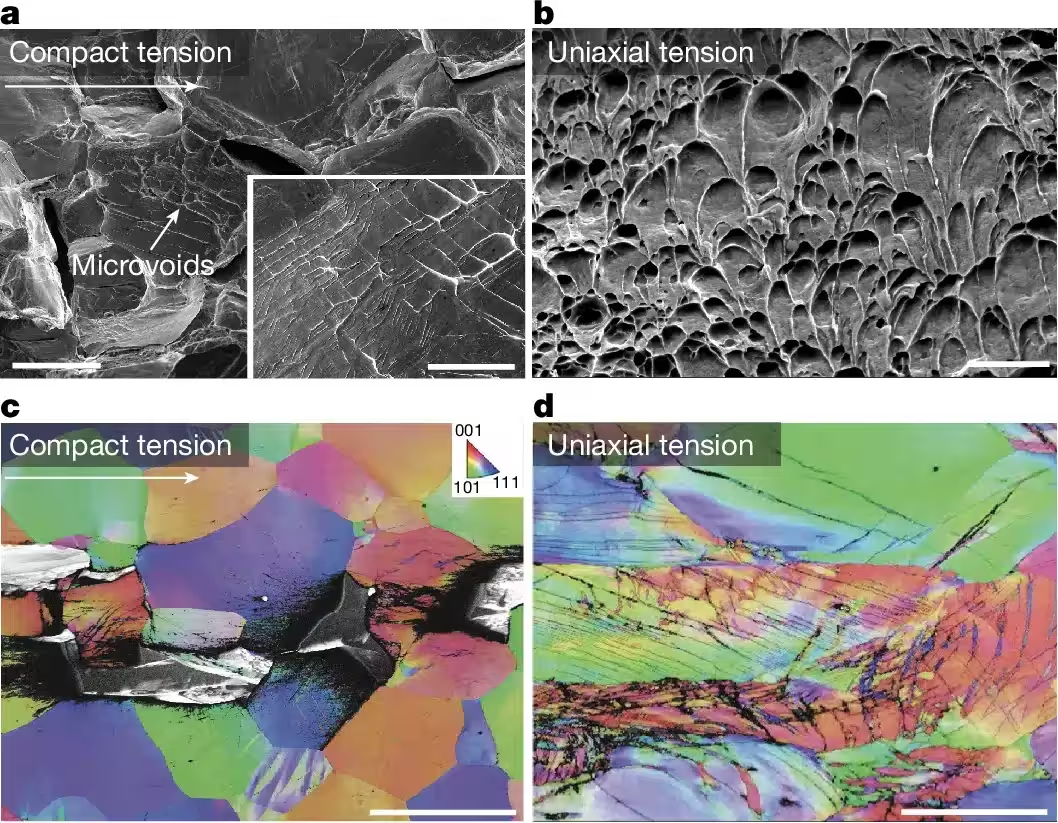
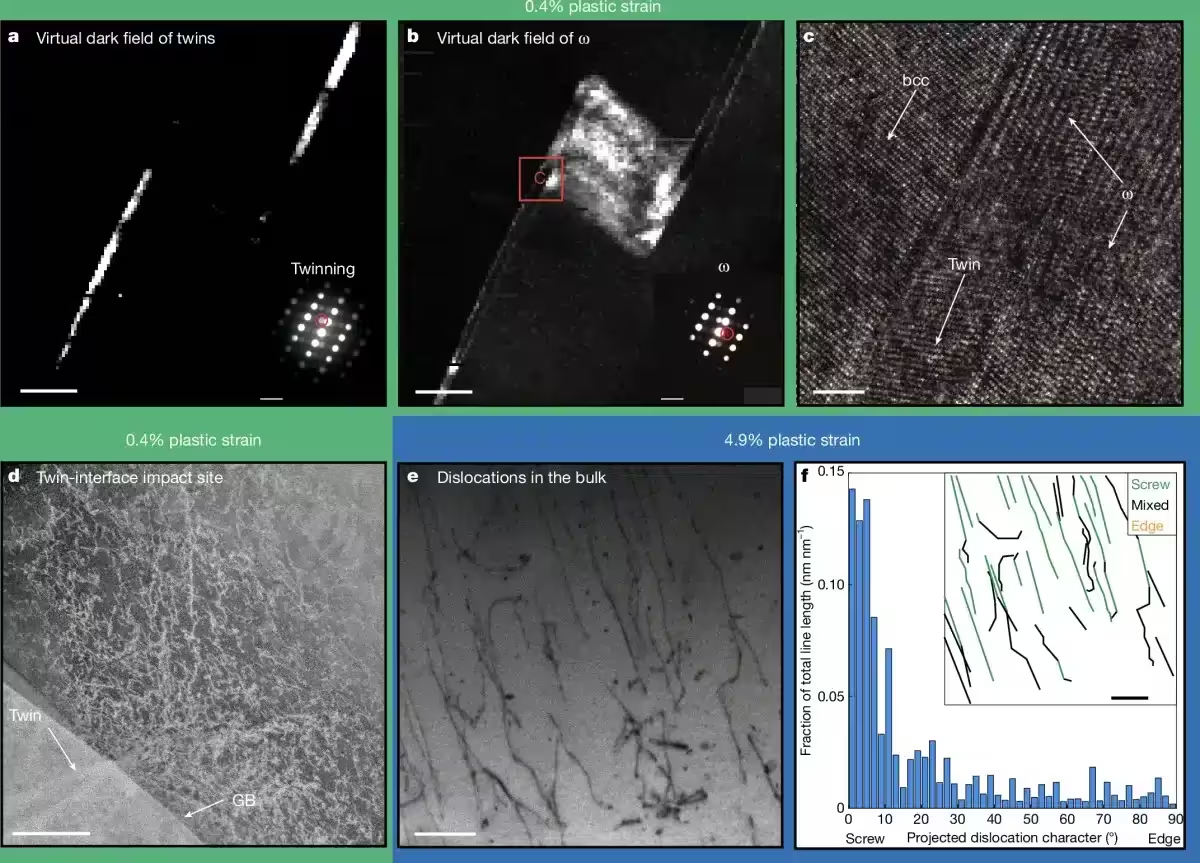
To pinpoint this mechanism, the team utilized the Engin-X instrument at the ISIS Neutron and Muon Source in Oxfordshire. By subjecting samples to mechanical tension while exposing them to a neutron beam at -253°C, the researchers were able to observe the material’s behavior in real-time. Complementary analysis using electron microscopy and computational modeling confirmed that two distinct processes were at work: nanoscale twinning and local structural transformation.
Twinning, a process where crystal segments rearrange into mirror-image patterns, proved vital. As these structures hit the boundaries of neighboring crystals, they concentrated stress in a way that triggered the creation of new dislocations, allowing the metal to continue deforming rather than snapping.
Future Applications in Extreme Environments
For Professor Dong Liu, a corresponding author from the University of Oxford, the results represent a fundamental shift in materials science. “What surprised us is that these alloys remain remarkably damage tolerant even at 20 kelvin,” Liu noted. He believes the findings offer a new design framework for structural components in the aerospace, energy, and transportation sectors.
These materials are particularly promising for applications where components must withstand extreme fluctuations between heat and cold. By providing a new pathway for designing resilient BCC metals, the research opens the door to more durable hardware capable of operating in the most demanding environments on Earth and beyond.
This article has been fact checked for accuracy, with information verified against reputable sources. Learn more about us and our editorial process.
Last reviewed on .
Article history
- Latest version
Reference(s)
- Cook, David. “Competing mechanisms toughen bcc binary and medium-entropy alloys at 20 K - Nature.”, vol. 658, no. 8137, pp. 923-929. Nature, doi: 10.1038/s41586-026-11065-7. <https://www.nature.com/articles/s41586-026-11065-7>.
- “Dr David Cook | Faculté de médecine.” Faculté de médecine <https://www.uottawa.ca/faculte-medecine/repertoire/dr-david-cook>.
- <https://www.researchgate.net/profile/Dong-Liu-90>.
Cite this page:
- Posted by Farah Siddiqui