How One Man Sold the Secret Behind the Most Audacious Spy Mission of the Cold War
Discover the gripping true story of a secret Cold War mission to tap Soviet undersea cables, and the betrayal that brought the daring operation to an end.
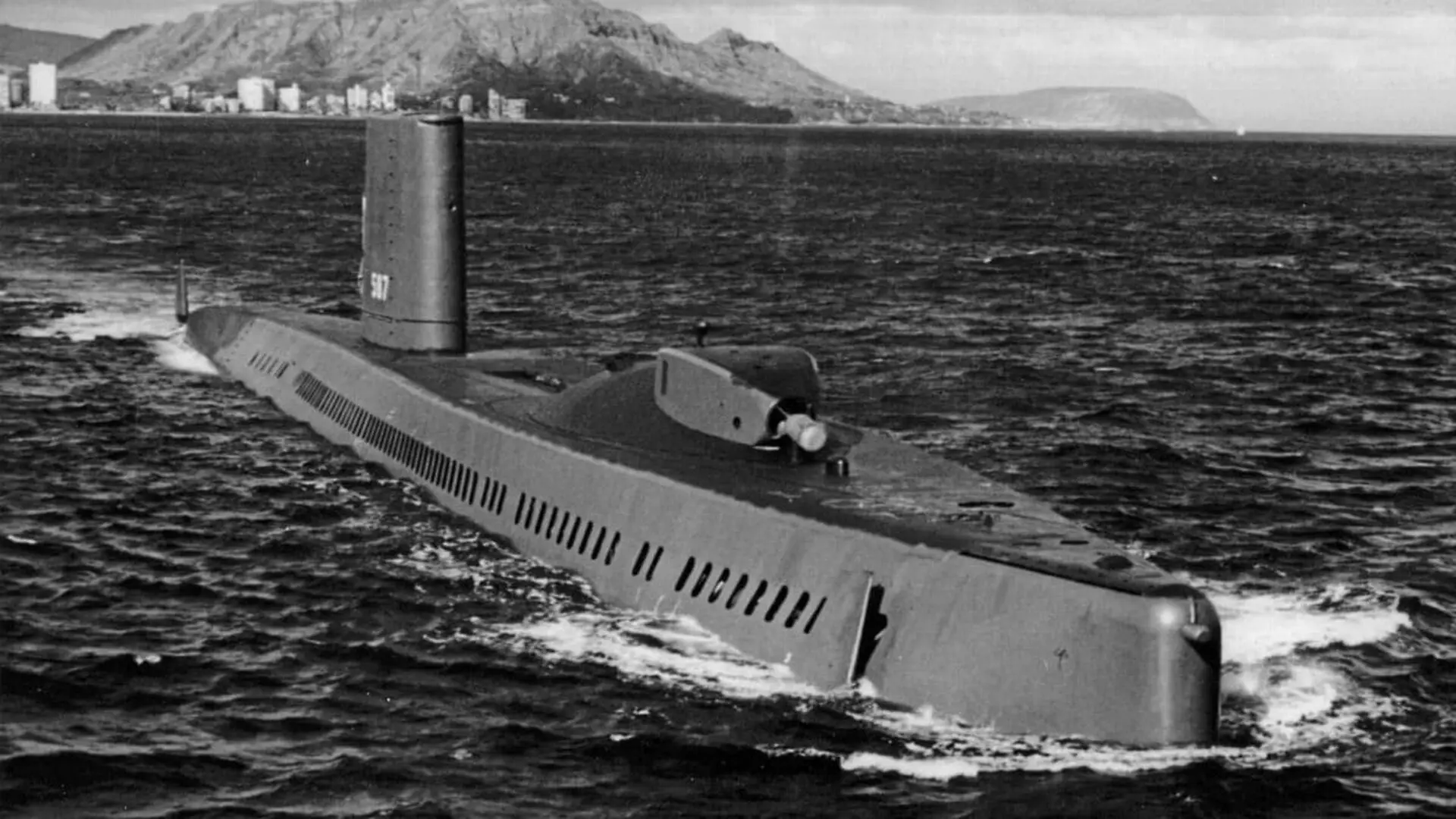
During the height of the Cold War, the United States executed one of the most audacious intelligence-gathering missions in history. Codenamed Operation Ivy Bells, the clandestine project involved American submarines threading their way into Soviet territorial waters to tap into a vital, unencrypted communication cable lying on the seabed of the Sea of Okhotsk.
The mission was born in 1971, when Captain James Bradley, then head of undersea warfare for the Office of Naval Intelligence, theorized that a telephone cable linked the Soviet Pacific Fleet’s headquarters in Vladivostok to its naval base in Petropavlovsk. If intercepted, this line could offer an unprecedented window into Soviet naval movements and strategic planning.
Engineering an Underwater Tap
In 1972, the USS Halibut, led by Commander Jack McNish, began searching for the cable. Using clues such as navigational markers that warned ships against dropping anchors, the crew pinpointed the line roughly 120 miles offshore, resting 400 feet below the surface. Navy divers, kept warm by heated suits and tethered to the submarine, successfully attached a listening device to the three-inch-thick cable without severing it, ensuring the Soviets remained unaware of the intrusion.
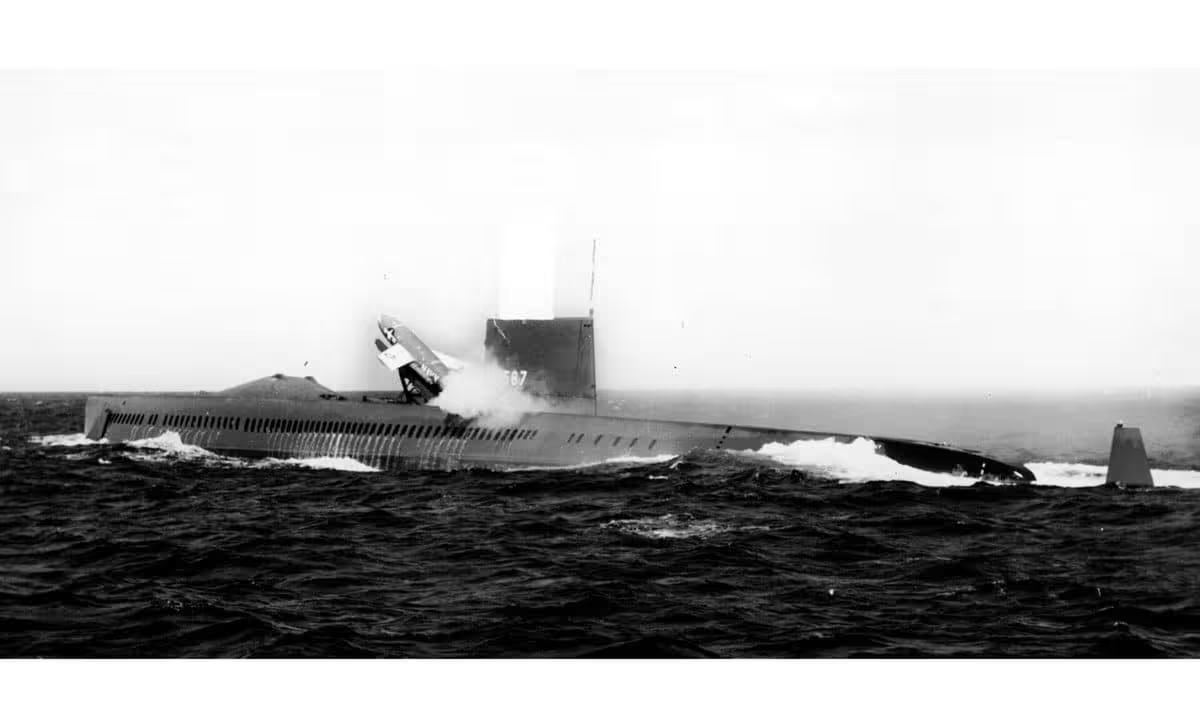
As reported by Popular Mechanics, the initial success prompted the development of a sophisticated, 20-foot-long interception system designed by Bell Laboratories. This device could record conversations locally, allowing submarines to retrieve the data periodically rather than remaining on station.
Strategic Intelligence and the SALT II Treaty
For nearly a decade, the operation provided a treasure trove of intelligence. Because the Soviet communications were sent over an unencrypted line, the National Security Agency (NSA) received a direct feed of high-level military discussions regarding nuclear capabilities, tactical maneuvers, and even personal conversations among Soviet personnel. This intelligence proved instrumental during the late 1970s, providing U.S. negotiators with vital insights that helped shape the SALT II strategic arms limitation treaty.
The mission’s luck ran out in 1981, when satellite imagery captured Soviet vessels conducting a targeted salvage operation directly over the site. Subsequent inspections by the USS Parche confirmed that the American hardware had been recovered by the Soviets.
The Inside Man Who Compromised the Mission
The security breach was not the result of a technical flaw, but a human one. In 1985, a KGB defector revealed that Ronald Pelton, a former NSA employee, had sold the secrets of Operation Ivy Bells to the Soviet Union. Pelton, struggling with mounting debt and personal financial ruin, had reached out to the Soviet embassy in 1980.
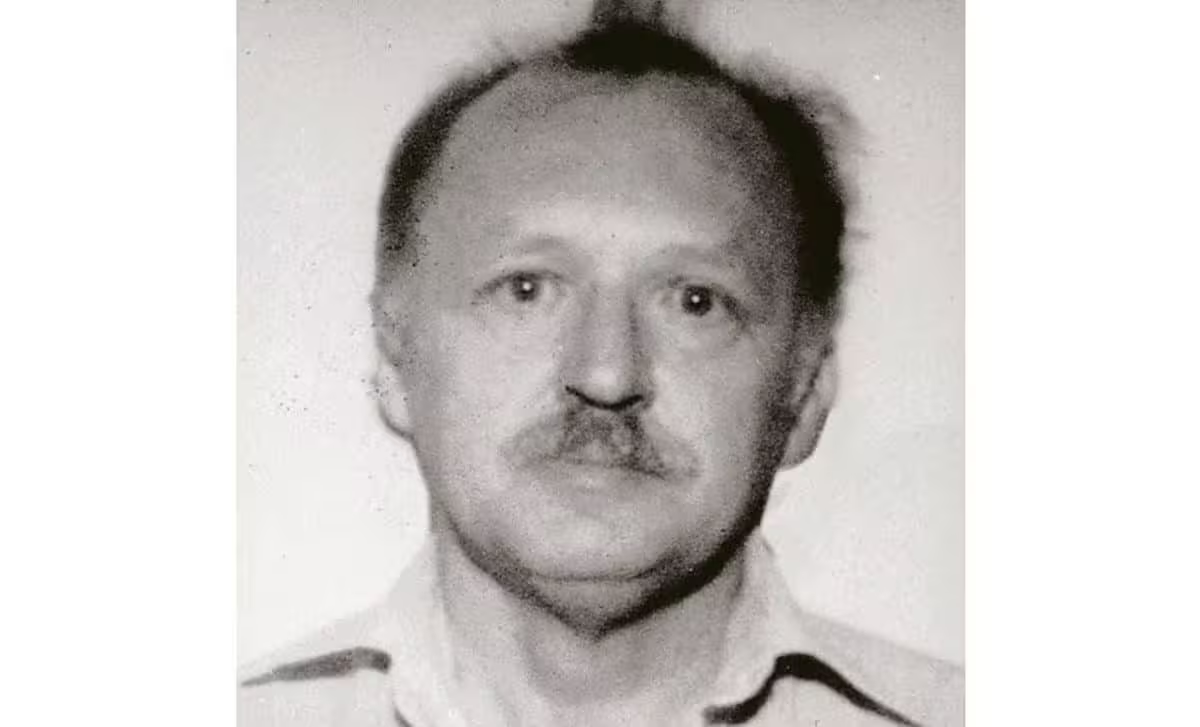
In exchange for approximately $35,000, Pelton handed over the details necessary for the Soviets to locate and neutralize the long-running surveillance operation. Following an intensive FBI investigation, Pelton confessed to his actions. He was sentenced to three life terms, ultimately serving nearly 30 years in prison. According to Guinness World Records, his sentence stands as the longest served for an espionage conviction in U.S. history. Pelton passed away in 2022.
Today, the legacy of the mission persists in a highly public, albeit ironic, way. The American listening device, once a closely guarded secret of the deep sea, now sits on display at the Moscow Armed Forces Museum, labeled simply as: Property of the United States Government.
This article has been fact checked for accuracy, with information verified against reputable sources. Learn more about us and our editorial process.
Last reviewed on .
Article history
- Latest version
Reference(s)
- Staff, MLT. “The Mission Behind Operation Ivy Bells and How It Was Discovered.”, February 7, 2017 Military.com <https://www.military.com/history/operation-ivy-bells.html>.
- “National History Day Winner 2021 Operation Ivy Bells — Naval Order.” Naval Order <https://www.navalorder.org/national-history-day-winner-2021-operation-ivy-bells>.
- Clemente, Rafael. “The submarine that tapped the Soviets’ phone.”, August 19, 2024 Ediciones EL PAÍS S.L. <https://english.elpais.com/international/2024-08-19/the-submarine-that-tapped-the-soviets-phone.html>.
- Newcomb, Tim. “The U.S. Secretly Tapped a Soviet Underwater Cable for Years. Then Someone Sold the Secret..”, October 28, 2026 Popular Mechanics <https://www.popularmechanics.com/military/a74232237/ivy-bells-wire-tapping-sellout/>.
- <https://2009-2017.state.gov/t/isn/5195.htm>.
- “Longest prison sentence served for espionage.” Guinness World Records <https://www.guinnessworldrecords.de/world-records/611352-longest-prison-sentence-served-for-espionage>.
Cite this page:
- Posted by Zara Tariq