Archaeologists Open Intact 1,800 Year Old Roman Sarcophagus to Find Child Buried With Toys
Archaeologists have discovered a remarkably preserved wooden coffin inside a sealed 2,000-year-old Roman tomb, revealing unexpected and rare artifacts.
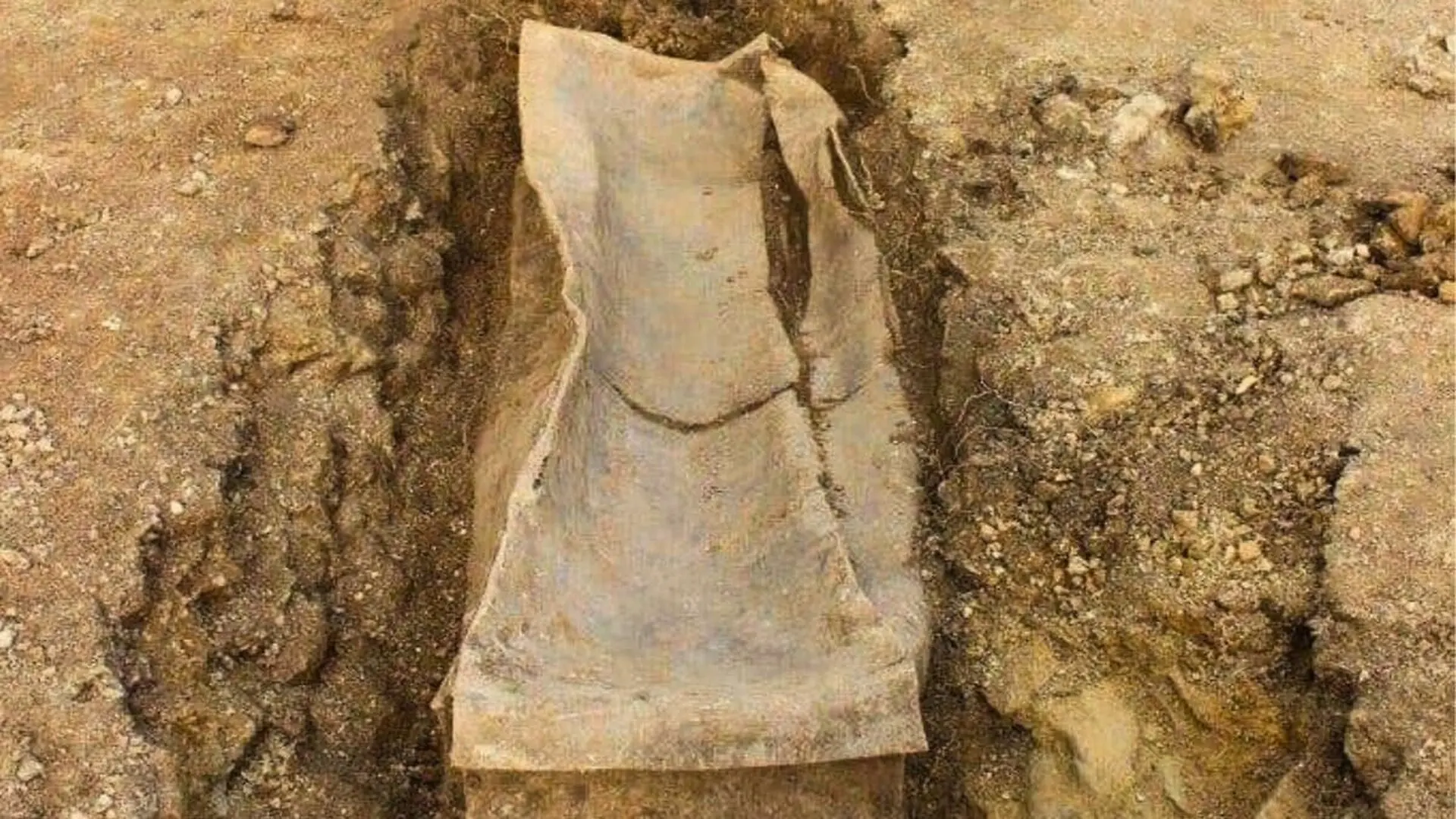
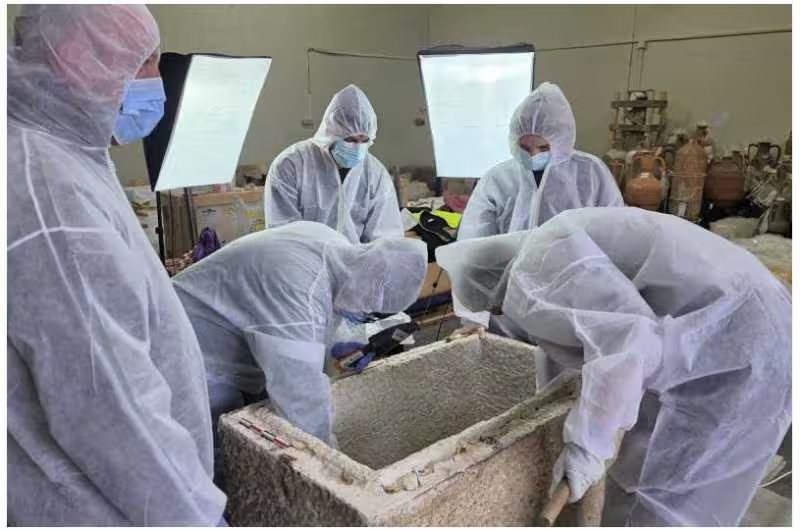
Archaeologists working in the Romanian city of Constanța have unveiled an exceptionally rare, intact burial dating back to the Roman era. On October 27, experts at the Museum of National History and Archaeology in Constanța carefully opened a stone sarcophagus that had remained sealed for approximately 1,800 years. Inside, they discovered the remains of a young child, accompanied by a collection of personal items that provide a poignant, undisturbed look at the daily lives of families in the ancient city of Tomis.
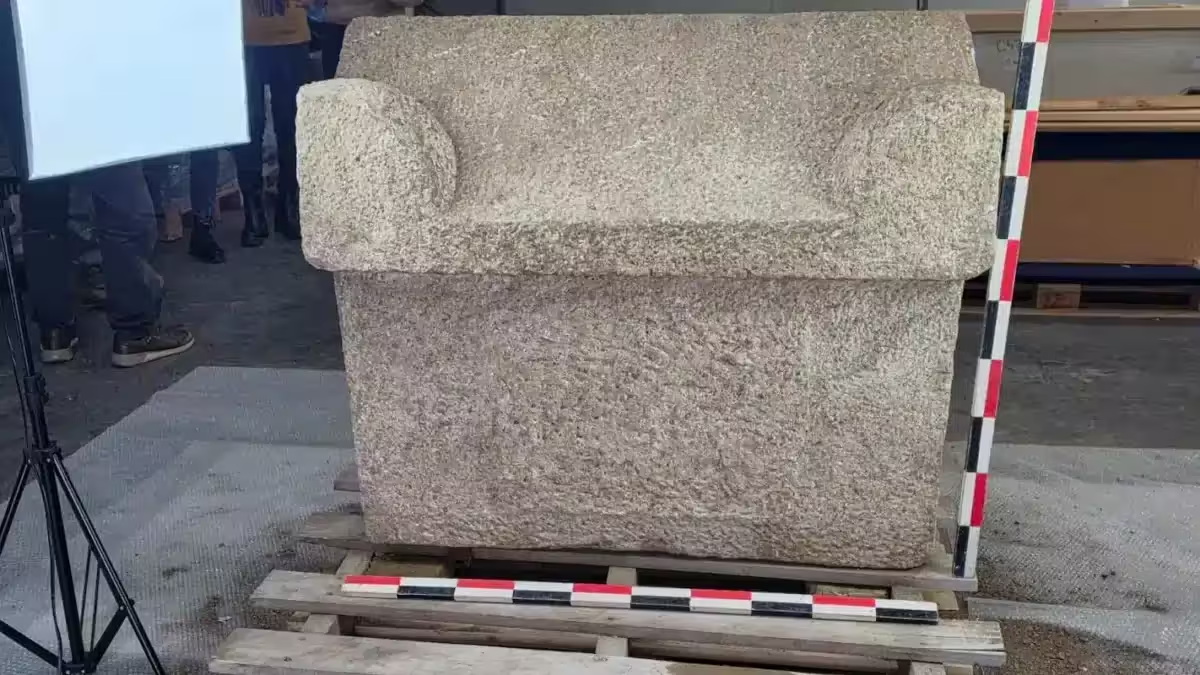
The discovery occurred in the Flămânda district on October 22 during a mandatory preventive excavation ahead of planned construction. Researchers identified the sarcophagus buried in what was once the necropolis of Tomis, a Roman settlement now buried beneath modern-day Constanța. Unlike many ancient graves that have been ravaged by time, tomb raiders, or urban development, this site remained untouched.
A Window Into Ancient Childhood
The grave goods found within the sarcophagus suggest the child was buried during the 2nd or 3rd century AD. Among the items were two clay toys—a rattle in the shape of a rooster and a small clay horse—which experts suggest were cherished playthings meant for the young child. These artifacts align with historical research identifying such rattles as common tools used to soothe infants in the classical world.
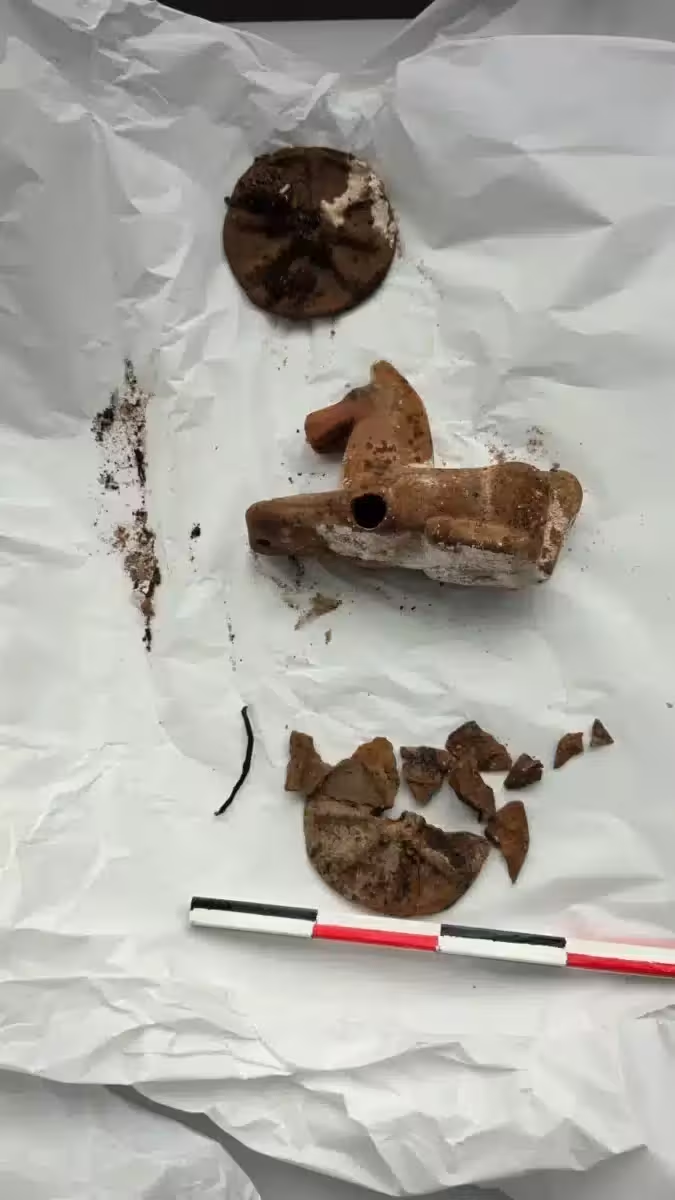
The child was also adorned with two protective bulla pendants, which served as amulets against misfortune and were often associated with status in Roman society. Alongside these were delicate floral garlands and bronze clothing fittings. Archaeologists noted that the wooden coffin inside the stone container was remarkably well-preserved, a rare occurrence that will allow scientists to analyze the woodworking techniques used by ancient craftsmen.
Unearthing the Legacy of Tomis
Archaeologist Constantin Băjenaru emphasized the rarity of the find, noting that the site provides a level of detail comparable to the famous preservation of Pompeii and Herculaneum. The location of the grave, situated about 1.5 kilometers from the center of ancient Tomis along a primary route toward the fortress of Histria, suggests the burial plot belonged to a prominent family.
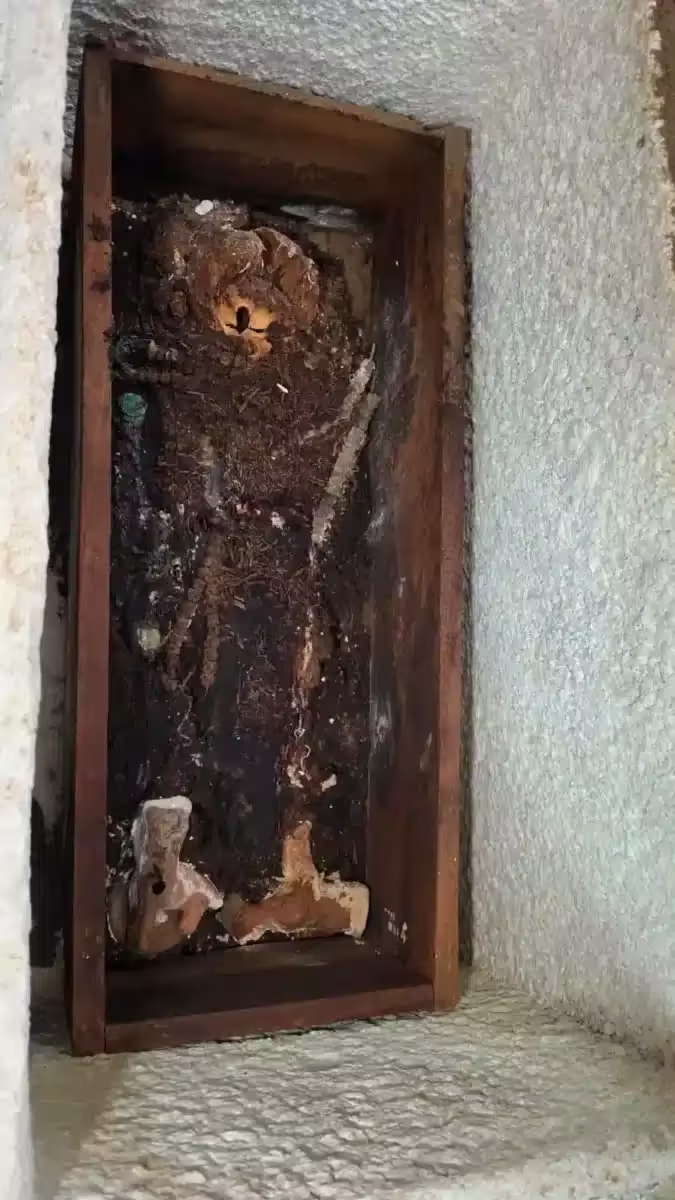
The discovery is part of an ongoing effort to map the Roman city beneath the streets of modern Constanța. As the team at the museum continues to examine the burial context and the physical remains, they plan to eventually present their findings to the public. The artifacts, which have survived for nearly two millennia within the protective confines of the stone sarcophagus, offer a poignant connection to the individuals who once walked the shores of the Black Sea.
This article has been fact checked for accuracy, with information verified against reputable sources. Learn more about us and our editorial process.
Last reviewed on .
Article history
- Latest version
Reference(s)
- “Rare intact Roman-era child's sarcophagus discovered in Romania's Constanta - AGERPRES.” <https://agerpres.ro/english/2026/10/28/rare-intact-roman-era-child-s-sarcophagus-discovered-in-romania-s-constanta--1607855>.
- <https://doaj.org/article/0cdef93e050942f1abc9798535167dda>.
Cite this page:
- Posted by Zara Tariq