Fire Destroys Hitler’s Infamous Eagle’s Nest After Decades As A Major Historical Landmark
A fire has destroyed the historic Eagle’s Nest, Hitler’s former southern German retreat that had remained largely intact since the end of World War II.
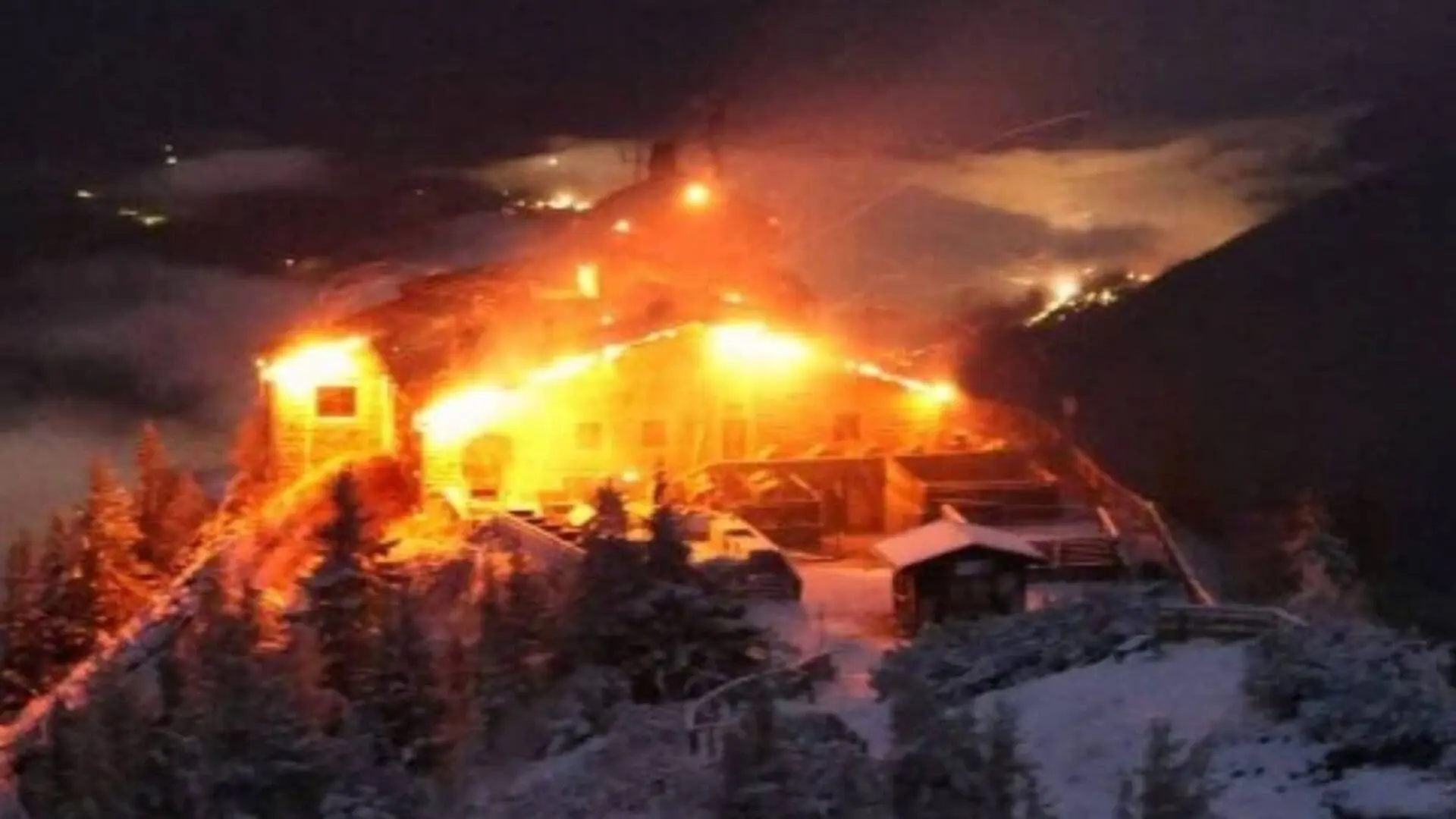
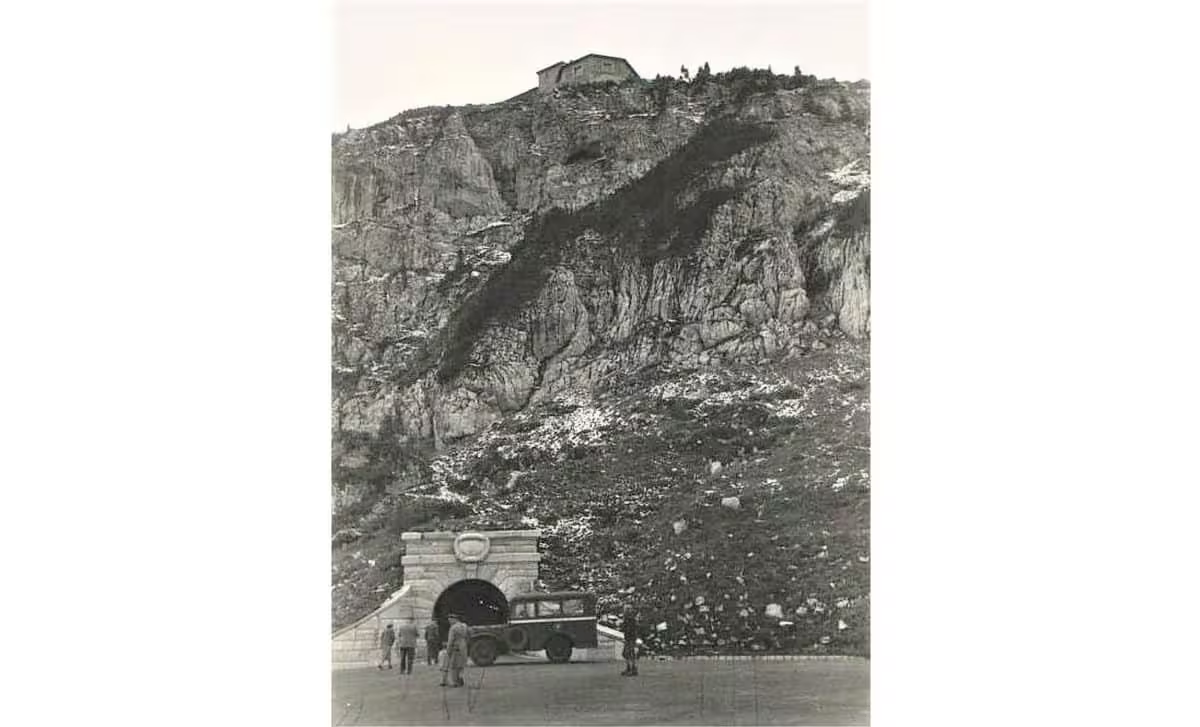
Perched high above the Obersalzberg in the Bavarian Alps, the Kehlsteinhaus—commonly known as the Eagle’s Nest—has long stood as a polarizing monument to the final years of the Third Reich. Commissioned in 1937 by Martin Bormann, Adolf Hitler’s private secretary, the structure was intended as a grand stage for diplomatic posturing. Though it remains one of the most recognizable remnants of the Nazi era, the building’s history is defined as much by its intended purpose as by the reluctance of the dictator it was built to serve.
The construction project was a logistical marvel and a financial drain. Completed in 1938 after 13 months of intensive labor, the facility cost 30 million Reichsmarks—a sum equivalent to approximately $2.81 billion in today’s currency. Despite this immense investment, Hitler rarely utilized the retreat. Records suggest he visited the site only 14 times, largely due to a deep-seated fear of heights, a profound distrust of the elaborate, brass-clad elevator required to ascend the final stretch to the peak, and a distaste for the exorbitant costs authorized by Bormann.

A Complex Wartime Legacy
While the nearby Berghof served as Hitler’s primary residence, the Eagle’s Nest gained international prominence during the final days of the European conflict. In May 1945, Allied forces reached the Obersalzberg, and the retreat was secured by American troops, including soldiers from the 101st Airborne Division. This occupation, which would later be immortalized in the HBO miniseries Band of Brothers, marked a shift in the site’s narrative. For decades, it became a pilgrimage site for American veterans who returned to the mountain to reflect on their service.
Evidence of the American presence remains etched into the structure itself. Among the most storied features is a red marble fireplace—a gift to Hitler from Italian dictator Benito Mussolini—where soldiers famously carved their names into the stone. These inscriptions transformed a symbol of Nazi ambition into a physical record of the troops who dismantled the regime’s power structure in the Bavarian mountains.
Future of the Mountain Landmark
Following the war, the property transitioned from a military post to a popular public attraction managed by the State of Bavaria. However, that long-standing status was thrown into turmoil on October 24, when a devastating fire tore through the historic structure. Authorities quickly detained a suspect, and investigators are currently evaluating whether the arson carried a political motive given the site’s historical baggage.
The incident has sparked renewed debate over the stewardship of sensitive sites. While some view the building primarily through its association with the Nazi leadership, for others, it remains a tangible link to the Allied victory. Despite the extensive damage, the Bavarian government has signaled its commitment to restoring the landmark, ensuring that the site will continue to exist as a physical repository of 20th-century history.
This article has been fact checked for accuracy, with information verified against reputable sources. Learn more about us and our editorial process.
Last reviewed on .
Article history
- Latest version
Cite this page:
- Posted by Zara Tariq