Police Thought They Found A Crime Scene In A Cave But Uncovered A 1,000-Year-Old Maya Skull Rack
Researchers are analyzing 165 skulls discovered in a Chiapas cave, where women narrowly outnumber men, to uncover the site’s mysterious ancient purpose.
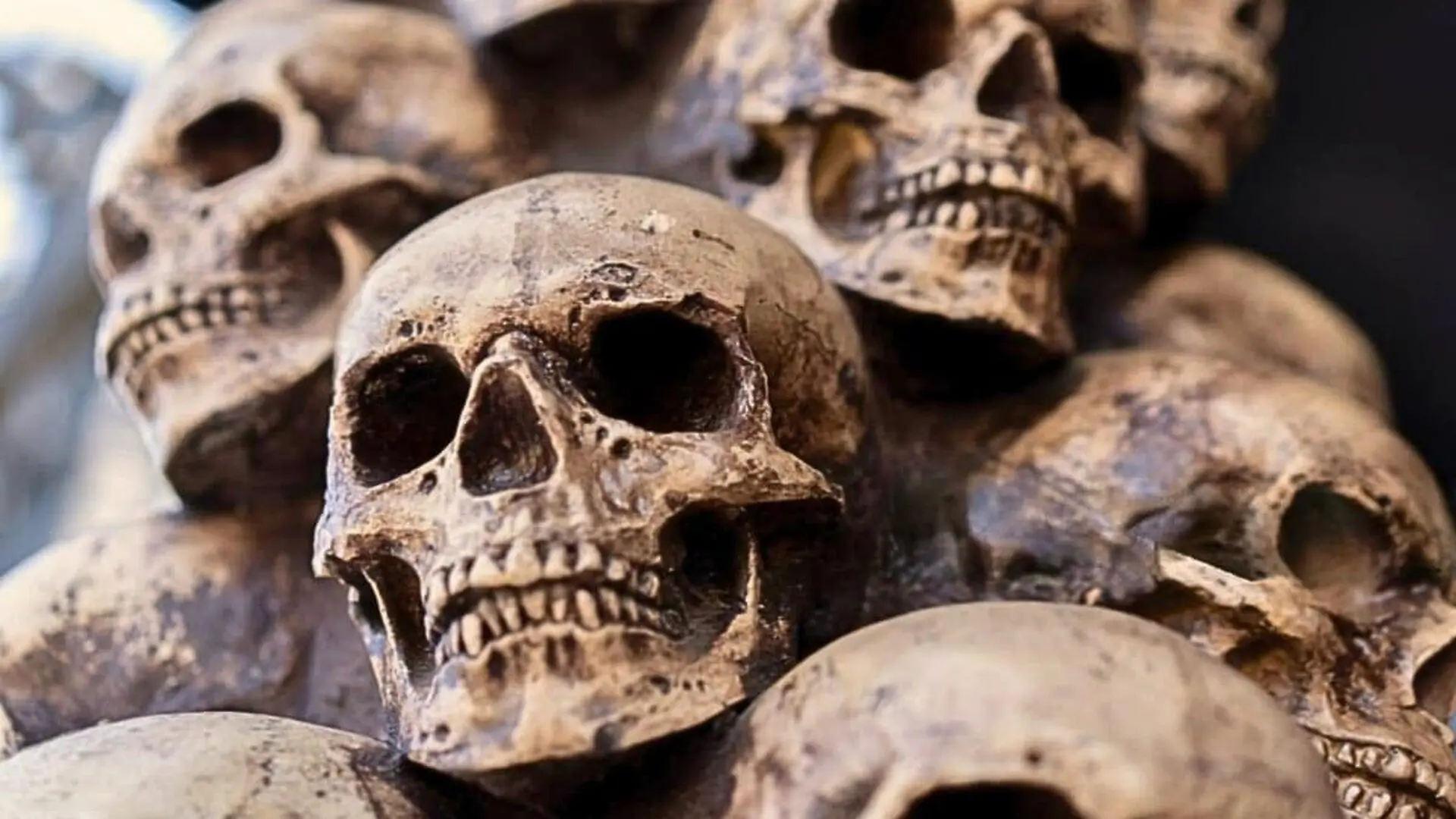
When police officers in the Mexican state of Chiapas, near the Guatemalan border, first entered a remote cave in 2012, they encountered a sight that immediately signaled a grim criminal investigation. They discovered a vast, disorganized pile of human skulls, leading authorities to secure the site and transport the remains to the state capital of Tuxtla Gutiérrez for forensic analysis. However, a decade of rigorous study has revealed that the scene was not a modern-day crime, but a sophisticated, centuries-old ritual site.
The collection of 165 skulls dates back to approximately AD 900 to 1200, identifying the site as a tzompantli, or a sacrificial rack, used by the ancient Maya. These structures, typically found in open plazas in Mesoamerican cities, served as public displays of offerings to the divine. The discovery in Frontera Comalapa stands out for its unique location—deep within the darkness of a cave—and the specific arrangement of the remains, which suggests they may have been rested atop poles rather than threaded through them as was common elsewhere.
Decoding the Ritual Assemblage
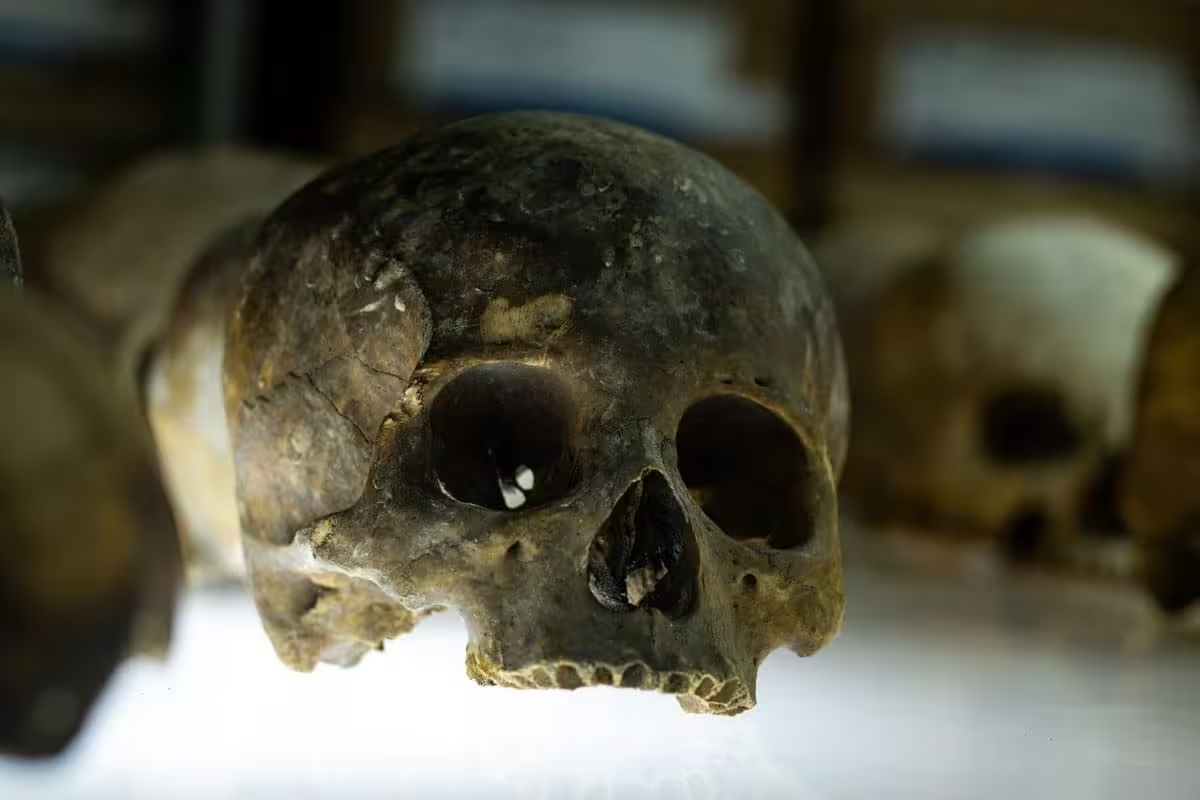
New data released by Mexico’s National Institute of Anthropology and History (INAH) provides a clearer picture of the individuals involved. Out of the total count, 83 skulls belonged to women, 79 to men, and 15 to children. Forensic anthropologists Cristell Delesma Pérez and Abigail Reyes López determined the sex of the individuals by analyzing cranial features, such as jaw angles and brow ridges, in the absence of pelvic bones.
The demographic breakdown indicates that most of the deceased were young adults between 25 and 35 years old. However, the presence of two individuals aged between 55 and 70 is notable, as this far exceeded the average Maya life expectancy of the era. Josuhé Lozada Toledo, an archaeologist with INAH, noted that this osteological profile forces a reassessment of the role women played in ancient ritual life.
Many of the skulls exhibit “tabular erect” cranial modification, a practice of intentional head-shaping performed during childhood by binding the head with boards. This widespread cultural marker confirms the site’s deep roots in pre-Hispanic traditions.
Clues Within the Subterranean Space
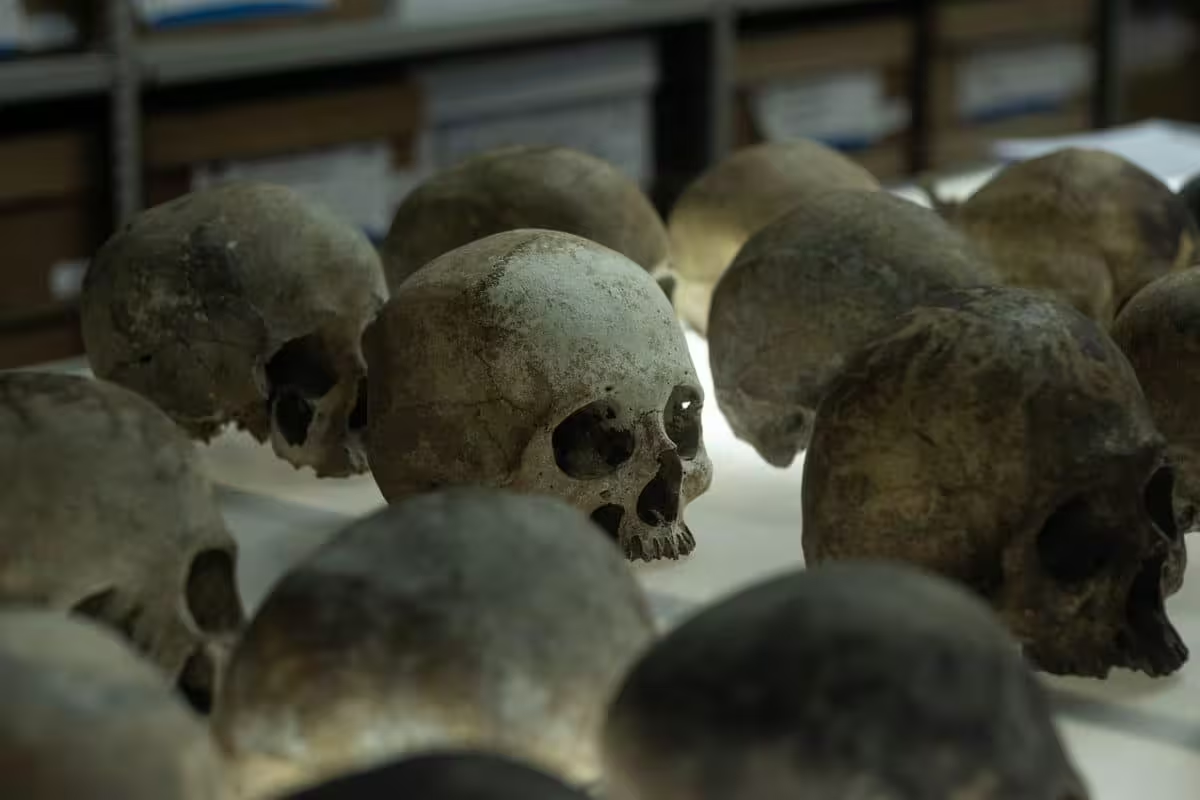
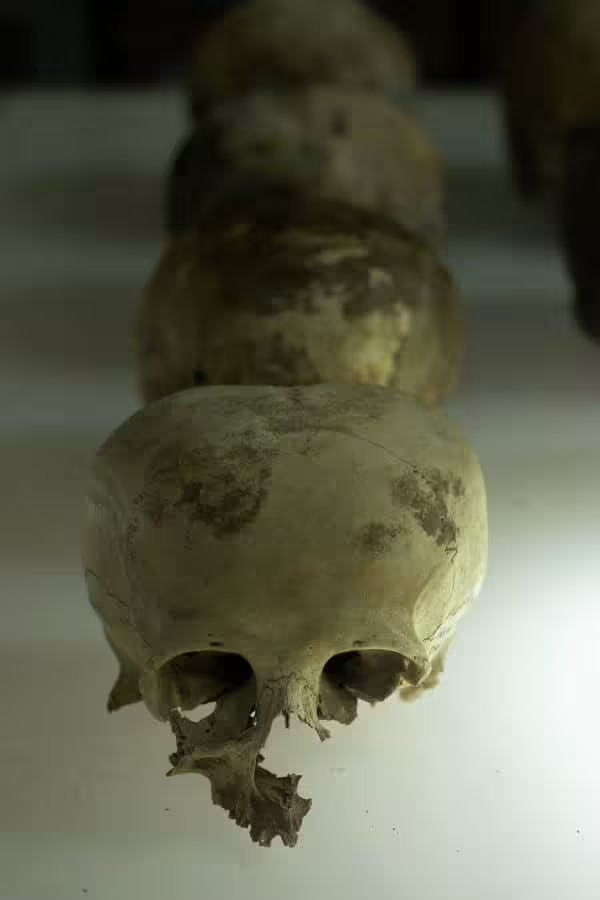
The physical condition of the remains offers further evidence of complex mortuary rites. Most skulls are missing their lower jaws, and the upper teeth were intentionally removed. Furthermore, the presence of soot on the cave ceiling suggests that ancient visitors frequently entered the space with torches, turning the cave into a site of recurring pilgrimage. Lozada Toledo interprets these findings as evidence of highly structured rituals, where bones were periodically re-accessed or removed for ceremonial purposes.
Mesoamerican belief systems viewed the head as the seat of the tonalli, a vital life force. By placing skulls in sacred, water-associated spaces like caves, the ancient Maya were likely performing offerings to ensure the favor of the gods, particularly regarding rain and fertility.
A Lesson for Future Discoveries
The initial misidentification of the site by law enforcement serves as a cautionary tale for modern investigators. INAH officials have emphasized the importance of contacting archaeological experts immediately upon finding historical human remains. Javier Montes de Paz, a physical anthropologist, has repeatedly urged that sites with ancient characteristics should remain untouched until professionals can arrive.
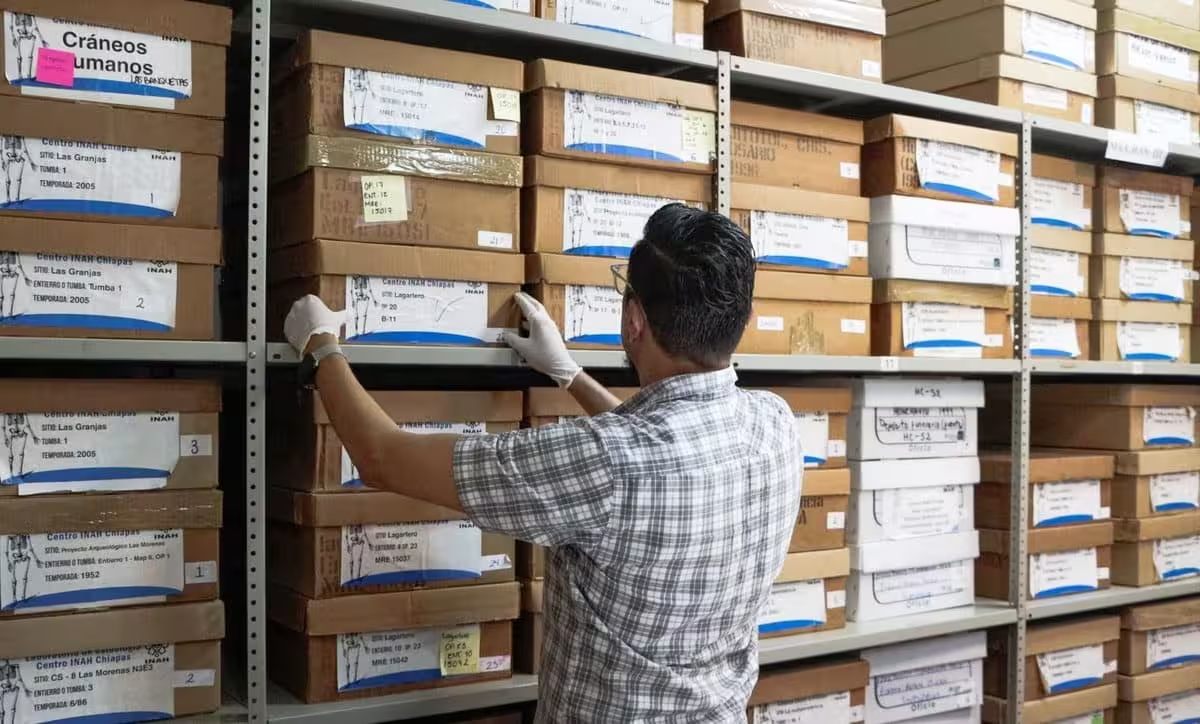
Today, the remains are housed within the physical anthropology laboratory at the INAH Chiapas Center, where they continue to be studied as a vital component of the region’s pre-Hispanic history. This discovery mirrors previous finds in the state, such as the Banquetas Cave, which yielded 124 skulls in the 1980s, all similarly processed without teeth, reinforcing the historical consistency of these sacrificial practices across the region.
This article has been fact checked for accuracy, with information verified against reputable sources. Learn more about us and our editorial process.
Last reviewed on .
Article history
- Latest version
Cite this page:
- Posted by Zara Tariq