Rain Turns Water Column Into Giant Piston, Reversing Airflow at Sanford Lab
Heavy rain triggers mysterious underground activity; engineers spent years uncovering the cause of the surprising events deep below the surface.
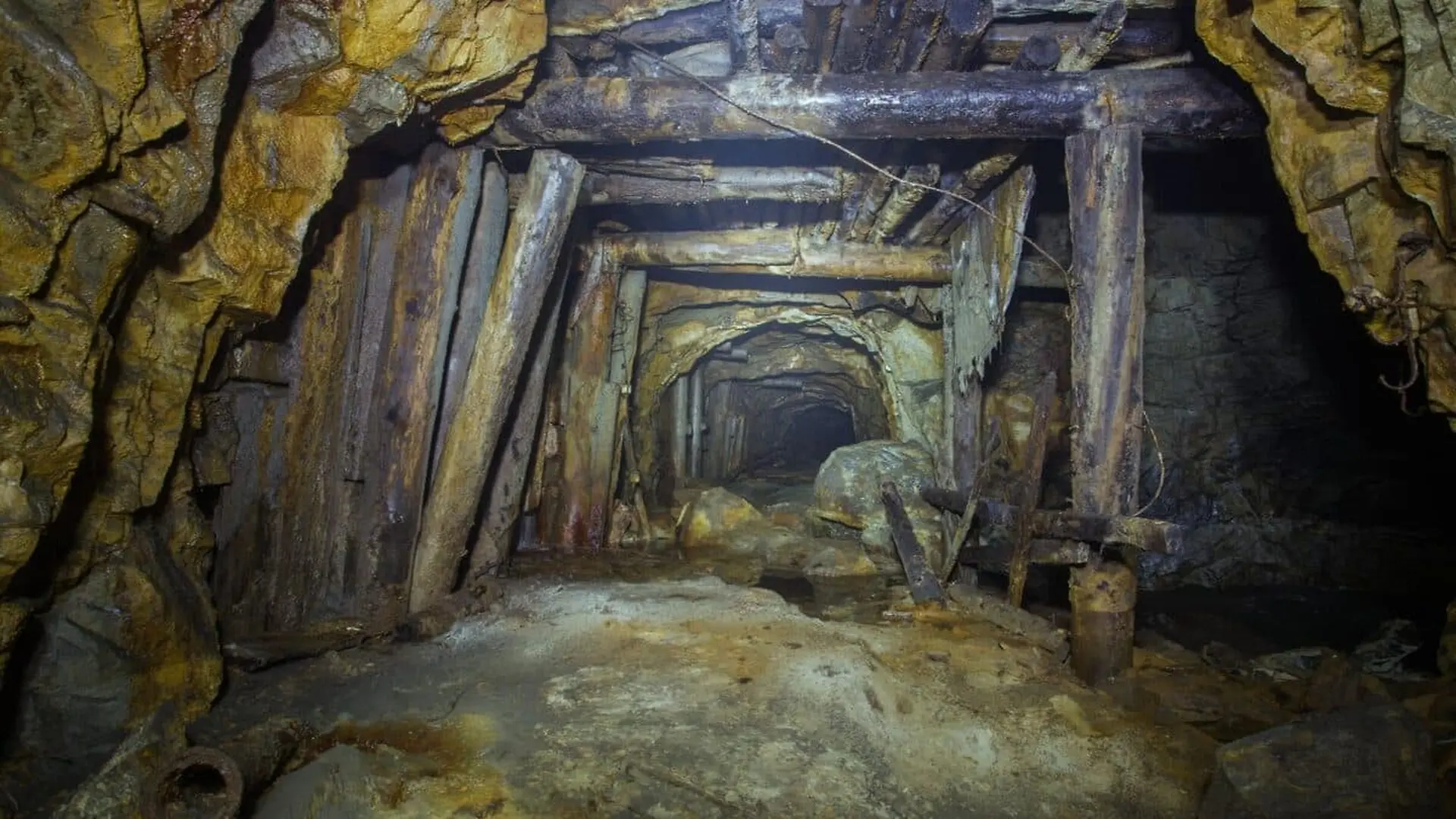
Heavy rainfall has been causing surprising shifts in the airflow deep within the Sanford Underground Research Facility, prompting engineers to seek explanations. By analysing fresh measurements and revisiting earlier studies, they found that water descending a mine shaft can temporarily force air through the underground ventilation network.
Operating a subterranean laboratory safely requires more than solid rock and robust tunnels. Continuous ventilation and the removal of infiltrating groundwater and rainwater are both critical, and at SURF in South Dakota the two systems proved to be intertwined in an unexpected way.
The puzzle emerged a few years ago when staff observed that sections of the ventilation system behaved oddly during intense rainstorms. The South Dakota Science and Technology Authority reported occasional slowdowns and brief reversals of airflow that defied the existing model.
Rain Alters Subterranean Air Currents
“We noticed our fan would go haywire at 5 Shaft. Some areas would show reduced or even reversed airflow during large rain events,” Connot said.
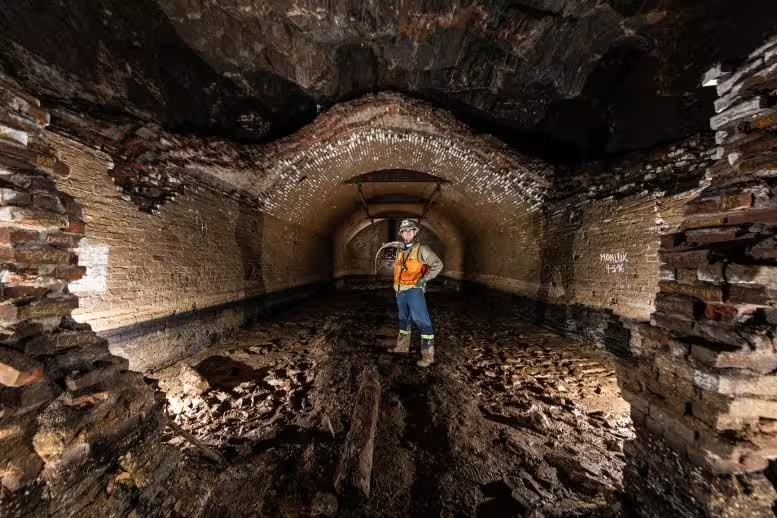
Under normal conditions, fresh air enters the facility through two intake shafts and exits via two exhaust shafts. One exhaust route, called 5 Shaft, also serves as a conduit for excess water during heavy rain. When the pumping system cannot keep up, surplus water is directed down this shaft into a deep underground pool before being lifted back to the surface.
The link between the water flow and the altered ventilation was not immediately apparent. Engineers could observe the effect, yet the underlying mechanism remained hidden.
Advanced Sensors Pinpoint the Cause
The breakthrough arrived after SURF installed Maestro airflow sensors on the 2000 Level, providing a high‑resolution view of air movement throughout the mine.
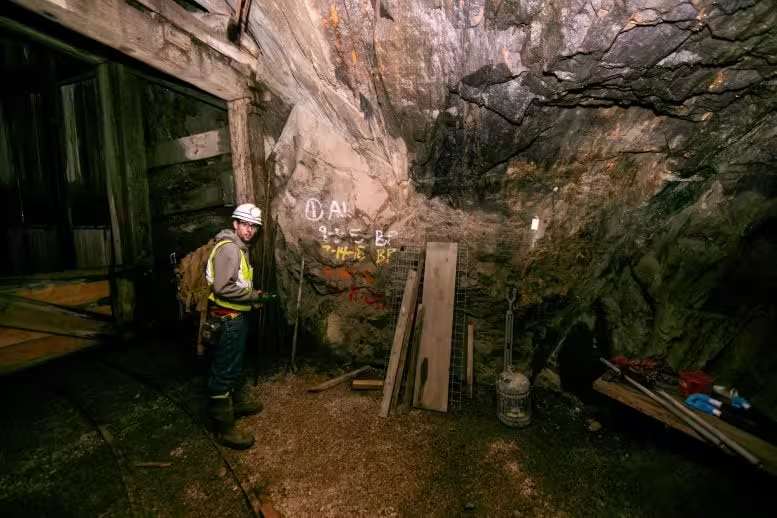
According to a press release on the Sanford Underground Research Facility website, a crucial clue came from Steve Gabriel, then a science teacher at Spearfish High School, and his students. They built and deployed airflow monitors that captured an unexpected surge in ventilation during a test of the shaft deluge system on the 4850 Level.
“We felt that airflow increase on the 4850 Level during that test. That’s what made the correlation and triggered everything,” Connot said.
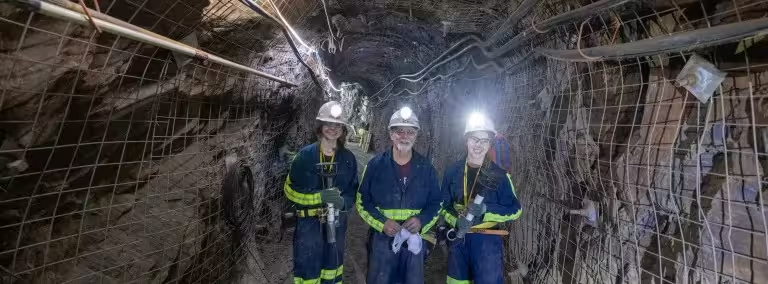
The team hypothesised that the falling column of water in 5 Shaft acted like a giant piston, displacing air as it descended.
A paper in Mining, Metallurgy & Exploration describes comparable piston‑like effects in large municipal sewer systems. Connot and colleagues from South Dakota Mines adapted those fluid‑dynamic models to SURF’s geometry, achieving a close match with the measured data.
“When we added our numbers and parameters to the model, everything came out spot on,” Connot said. “You would not think the weight of water droplets could move so much air.”
Implications for Underground Safety
The phenomenon is not limited to rain events. Engineers also employ large water volumes in emergency scenarios, such as underground fires.
“If there’s ever a fire, mining engineers will sometimes turn a valve on up top and just dump water down the shaft. Knowing this can change the air flow is critical information for everyone. We tested this, we’ve seen it occur,” Connot said.
The insights are already being used to improve predictions of how the ventilation system will react when substantial water volumes enter the shaft. Bryce Pietzyk, SURF’s director of underground operations, explained that the new model allows staff to tweak ventilation controls before airflow shifts become problematic.
This article has been fact checked for accuracy, with information verified against reputable sources. Learn more about us and our editorial process.
Last reviewed on .
Article history
- Latest version
Reference(s)
- “High school students provide valuable airflow data to America’s Underground Lab.”, May 19, 2025 Sanford Underground Research Facility <https://sanfordlab.org/news/high-school-students-provide-valuable-airflow-data-americas-underground-lab>.
- Connot, Jason., et al. “Effects of Water Inflows on a Mine Ventilation System: A Case Study.” Mining, Metallurgy & Exploration, May 29, 2026 Springer Science and Business Media LLC, doi: 10.1007/s42461-026-01586-0. <https://link.springer.com/article/10.1007/s42461-026-01586-0>.
Cite this page:
- Posted by Zara Tariq