CT Scans Reveal Neanderthal Fetus Grew Like Modern Humans, Teeth Show Early Stress
Forgotten museum bone fragments and children’s teeth uncover a new glimpse into Neanderthal life.
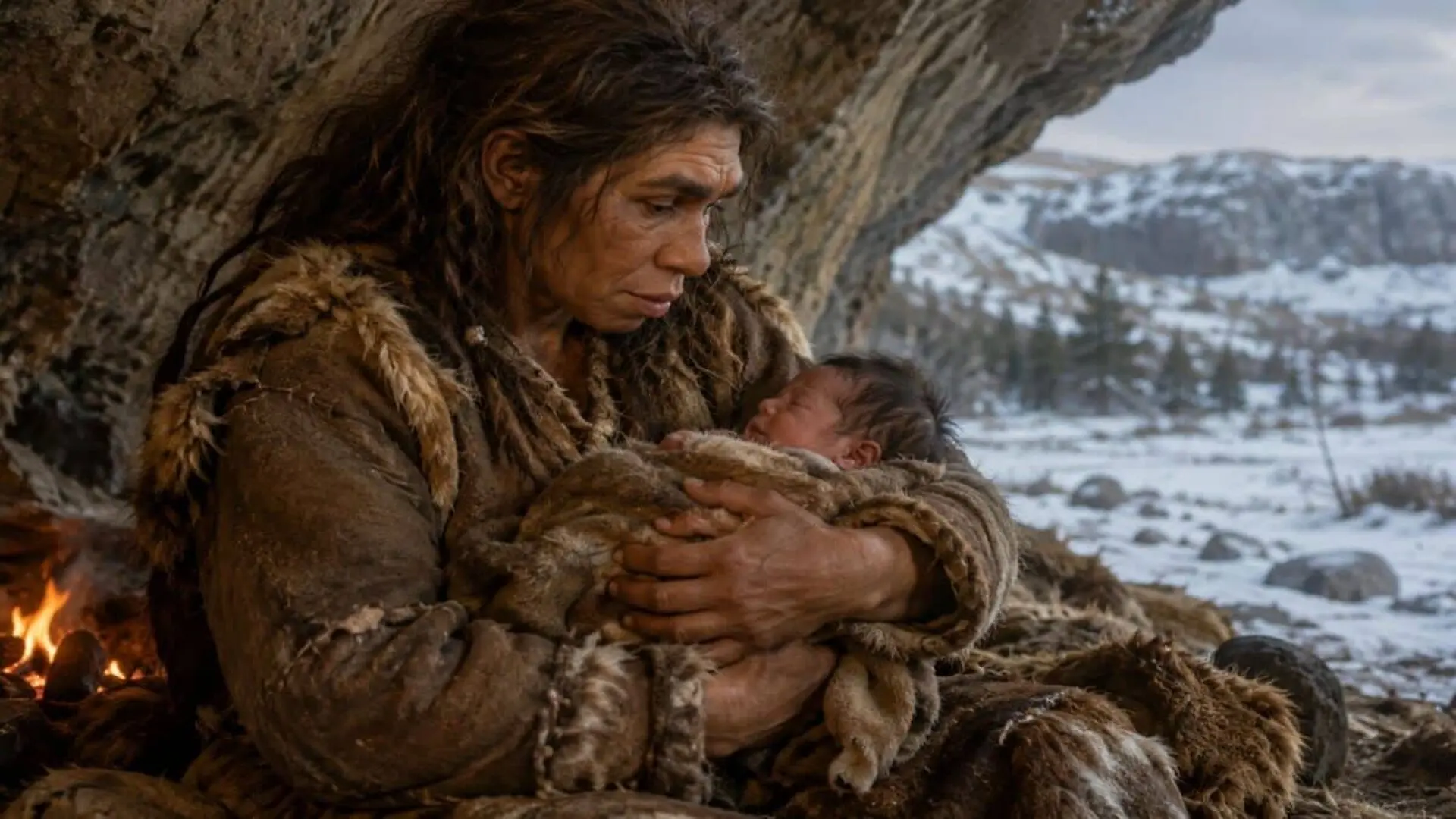
A few minute Neanderthal bone fragments and teeth have opened a window onto the earliest phases of growth in our extinct cousins. New research indicates that a Neanderthal fetus followed a developmental pattern almost identical to that of present‑day humans, while the dental remains of two youngsters show traces of possible metabolic distress.
The specimens were recovered during excavations of the Sesselfelsgrotte cave in Bavaria in the 1960s and 1970s. Because of their diminutive size they escaped classification as Neanderthal until the 1990s, after which they remained in a museum collection in Erlangen. Only recently have scientists re‑examined them with high‑resolution CT imaging.
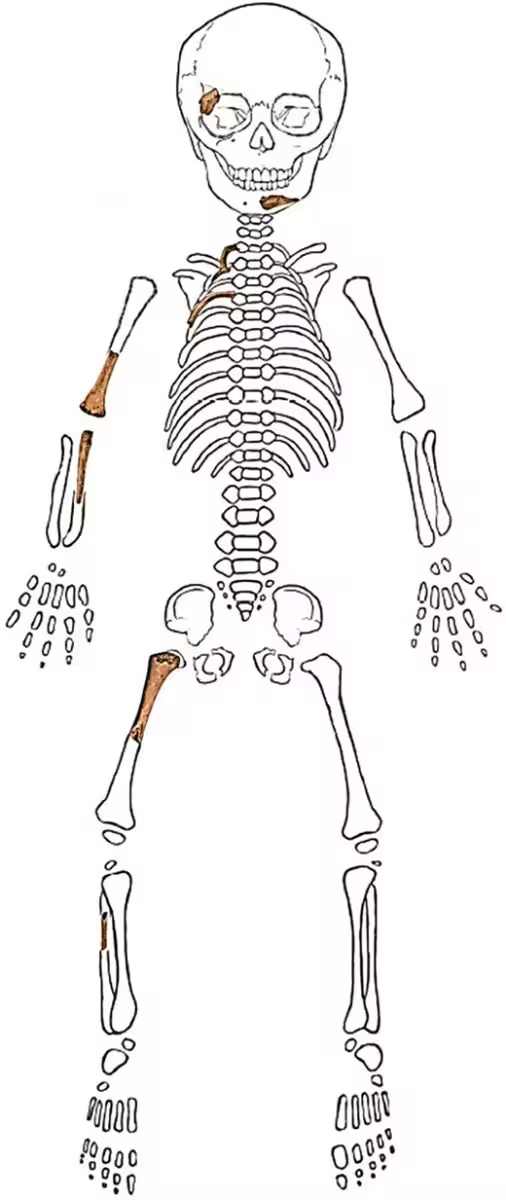
The study, published in Royal Society Open Science, focuses on an unborn Neanderthal individual and two juvenile molars dated to roughly 50,000‑75,000 years ago. With fewer than a dozen Neanderthal fetuses or infants known worldwide, these remains provide a scarce glimpse of growth before and shortly after birth.
Prenatal Development of Neanderthals Uncovered
Researchers scanned twelve separate bone pieces—including fragments of the femur, humerus, ribs, jaw and skull—believed to belong to a fetus in its eighth or ninth month of gestation, just weeks from delivery. The scans reveal a rich network of blood‑vessel‑laden tissue, a hallmark of rapid bone growth at this stage, and most growth patterns align closely with those documented in modern human embryos.
A modest deviation was noted: the femoral and humeral sections appear slightly more advanced than expected for a contemporary human fetus of comparable age. Nonetheless, the overall picture underscores a shared prenatal growth strategy between Neanderthals and Homo sapiens.
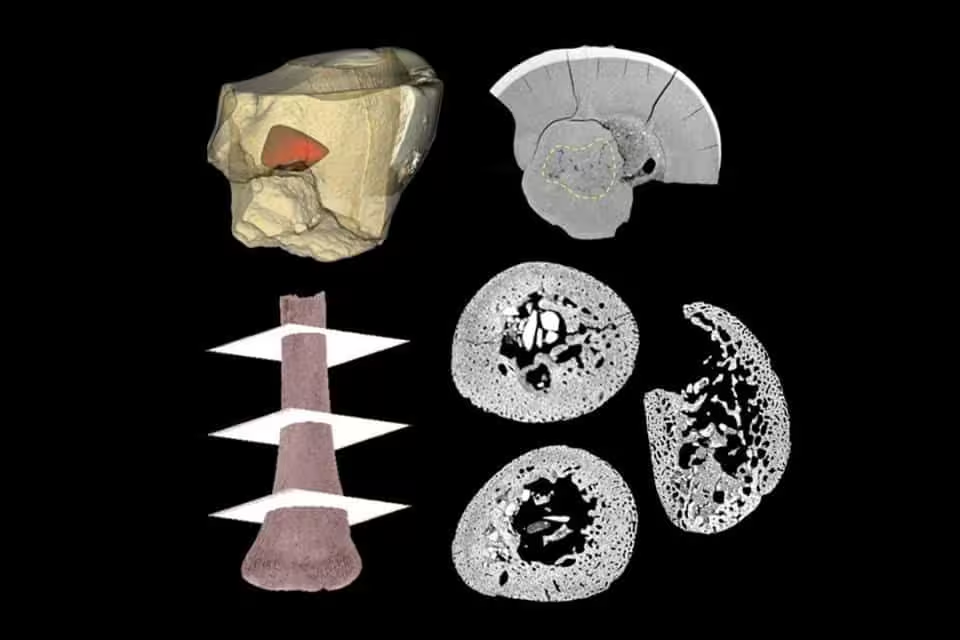
Lead author Justyna Miszkiewicz highlighted the find in a University of Queensland press release:
“These tiny remnants provide an incredible glimpse into our human evolutionary history,” she said. “It’s important to understand where we came from and the ways in which we’re similar.”
Dental Evidence Points to Early Physiological Strain
The team also examined two molars that likely belonged to separate Neanderthal children. CT analysis uncovered small zones where dentine failed to harden fully, a condition known as interglobular dentine. Such defects are often linked to disruptions in calcium metabolism, which can arise from vitamin D deficiency, insufficient calcium intake, or impaired absorption.
Because Neanderthal deciduous teeth begin forming in the third trimester and continue to develop for up to two years after birth, the observed imperfections likely record a period of physiological challenge during early childhood, though the precise timing remains uncertain.
Implications of Rare Early‑Life Fossils
Neanderthal fetal and infant remains rank among the scarcest human fossils ever found, with fewer than ten documented worldwide. Their provenance from the Sesselfelsgrotte site makes them especially valuable for understanding the species’ late‑stage development.
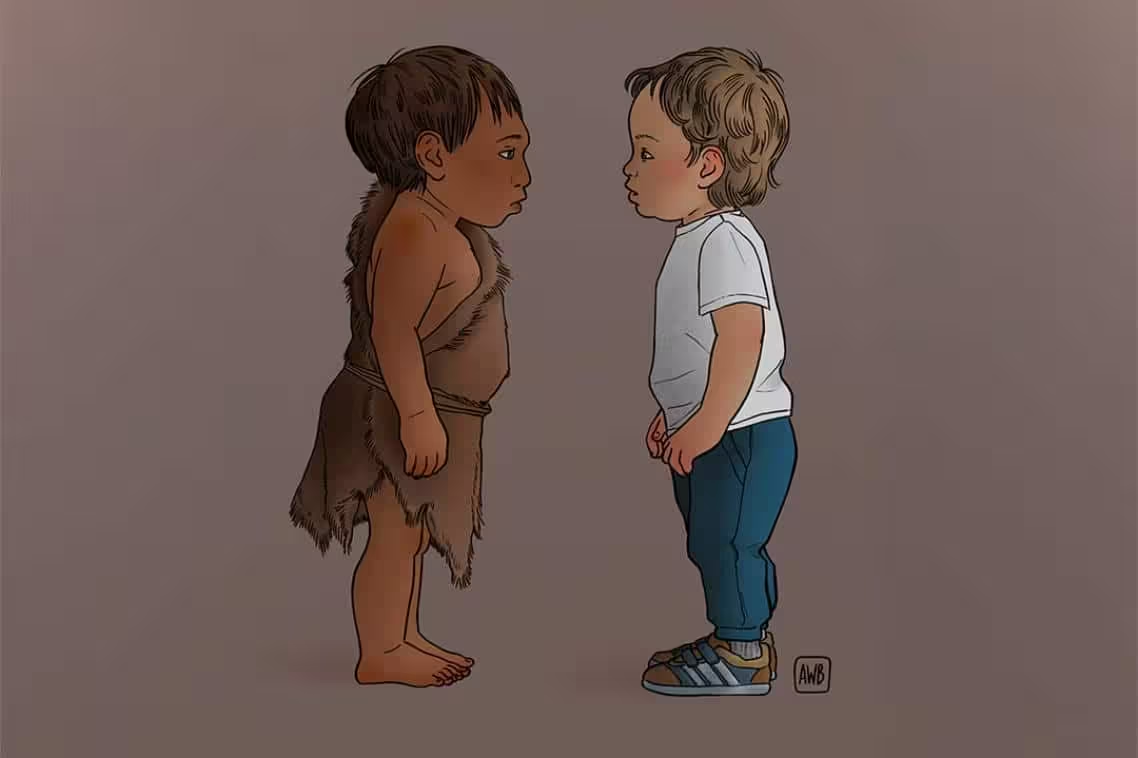
These individuals represent some of the youngest Neanderthals known, dating to a period when the species coexisted with modern humans for roughly 5,000 years before disappearing from the archaeological record.
“These tiny remnants provide an incredible glimpse into our human evolutionary history,” said Dr. Miszkiewicz. “It’s important to understand where we came from, and the ways in which we’re similar.”
This article has been fact checked for accuracy, with information verified against reputable sources. Learn more about us and our editorial process.
Last reviewed on .
Article history
- Latest version
Reference(s)
- “Justyna Miszkiewicz.” <https://scholar.google.com/citations?user=hdRYIsQAAAAJ&hl=en>.
- “Baby fossils reveal link between human and Neanderthal development.”, June 16, 2026 The University of Queensland <https://news.uq.edu.au/2026-06-baby-fossils-reveal-link-between-human-and-neanderthal-development>.
Cite this page:
- Posted by Zara Tariq