Himalayan Happy‑Face Spider Redefines a Century‑Old Evolutionary Mystery
Scientists unveil a Himalayan spider with a smile-like pattern, challenging existing ideas about the iconic tarantula.
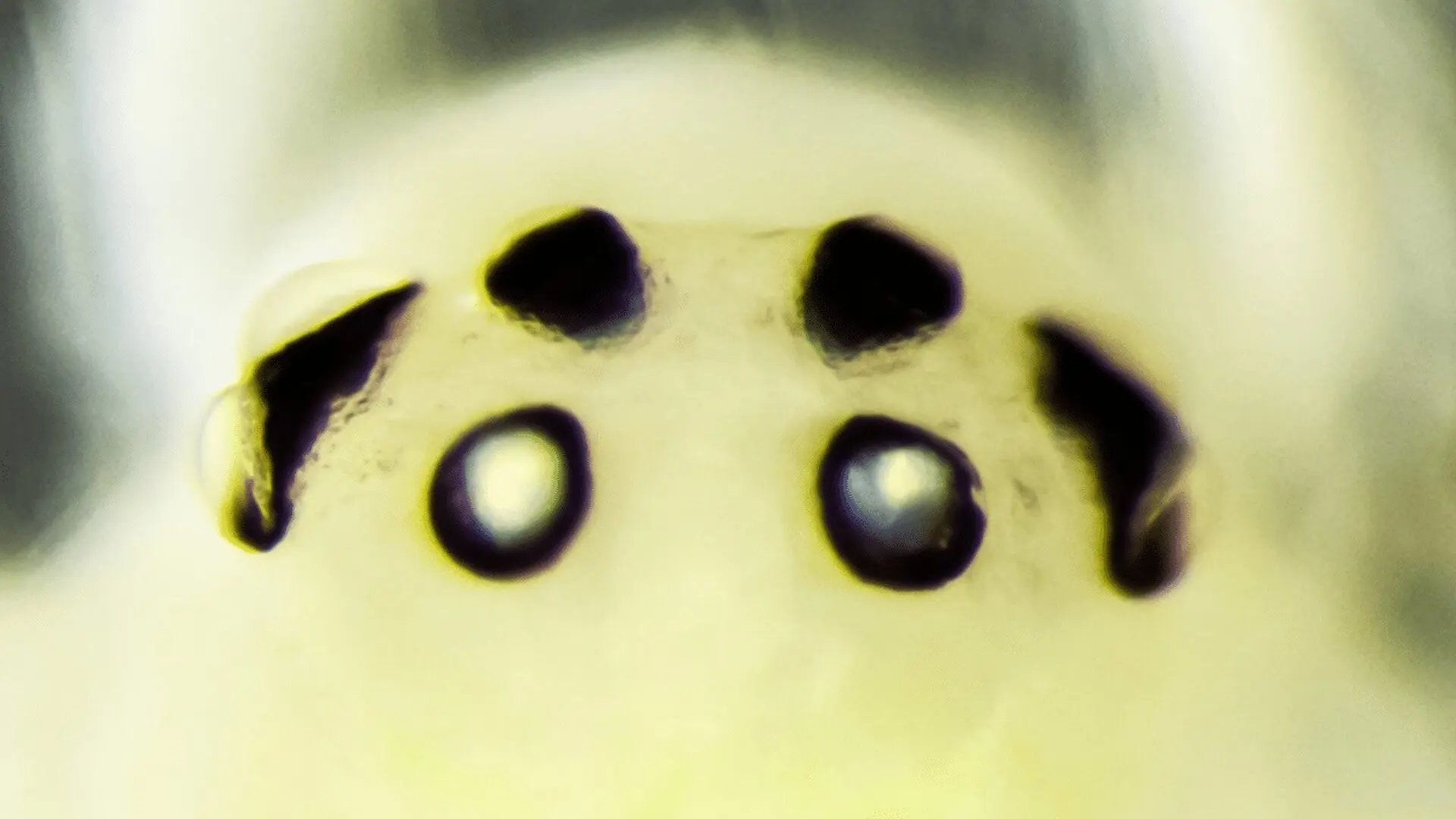
A diminutive spider bearing a grin‑like pattern has been documented far from the sole region where its celebrated counterpart was thought to live. Described as a new species in the journal Evolutionary Systematics, the find from India’s western Himalayas challenges a century‑old view of the distribution and evolution of the famed “happy‑face” spider and raises fresh questions about hidden diversity in one of the planet’s most biologically rich mountain ranges.
How an Ant Survey Led to an Unforeseen Arachnid Discovery
Researchers conducting ant‑focused fieldwork in Uttarakhand’s forested slopes stumbled upon a striking photograph that redirected their attention. The picture captured a minute spider perched beneath a Daphniphyllum leaf, its vivid red marking instantly recalling the Hawaiian happy‑face spider. The uncanny similarity prompted a dedicated search for additional specimens.
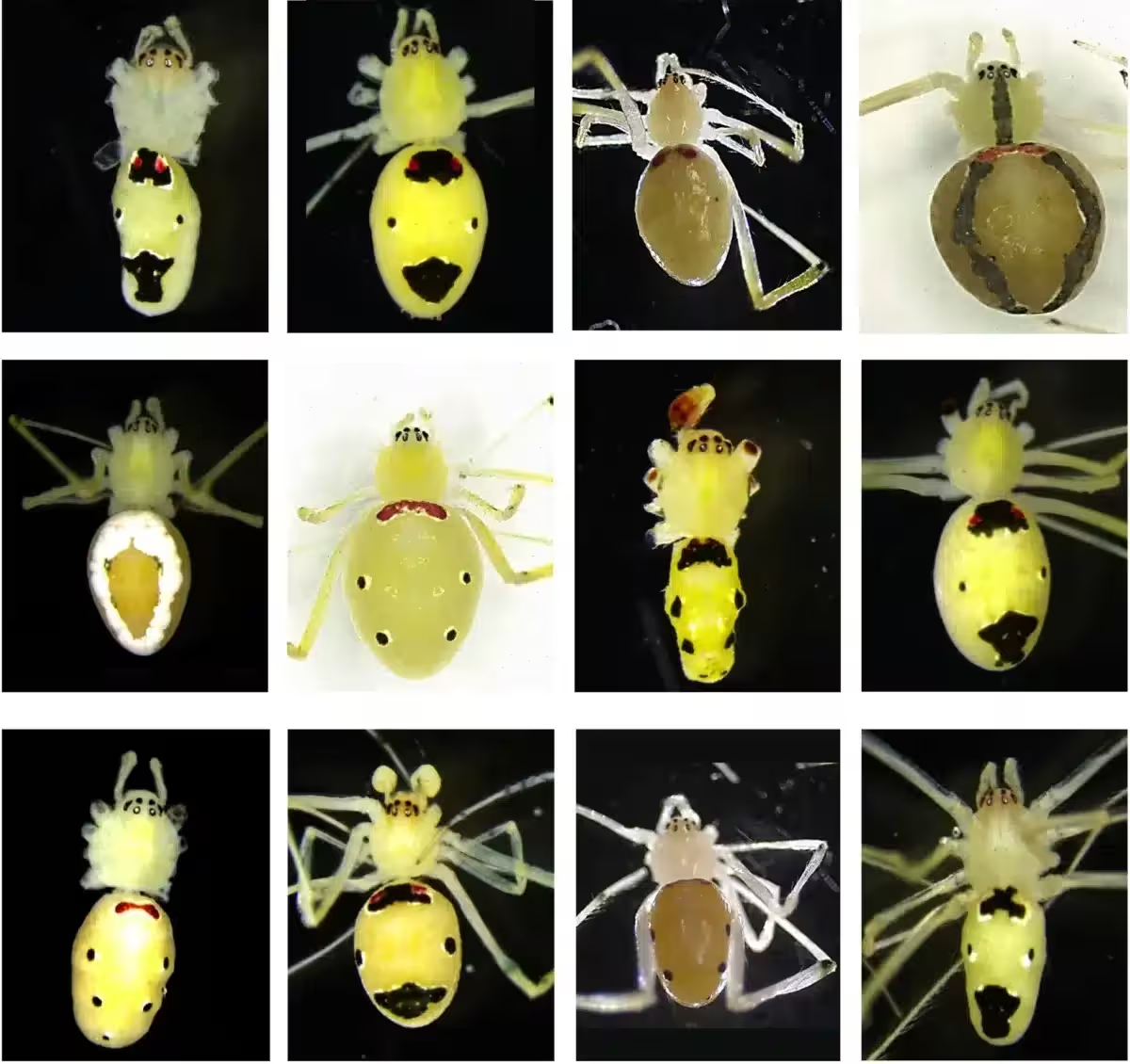
Subsequent collections across several high‑altitude sites yielded dozens of individuals displaying a wide palette of colors. Detailed morphological and molecular analyses confirmed that these arachnids belong to the genus Theridion but represent a distinct species, now named Theridion himalayana.
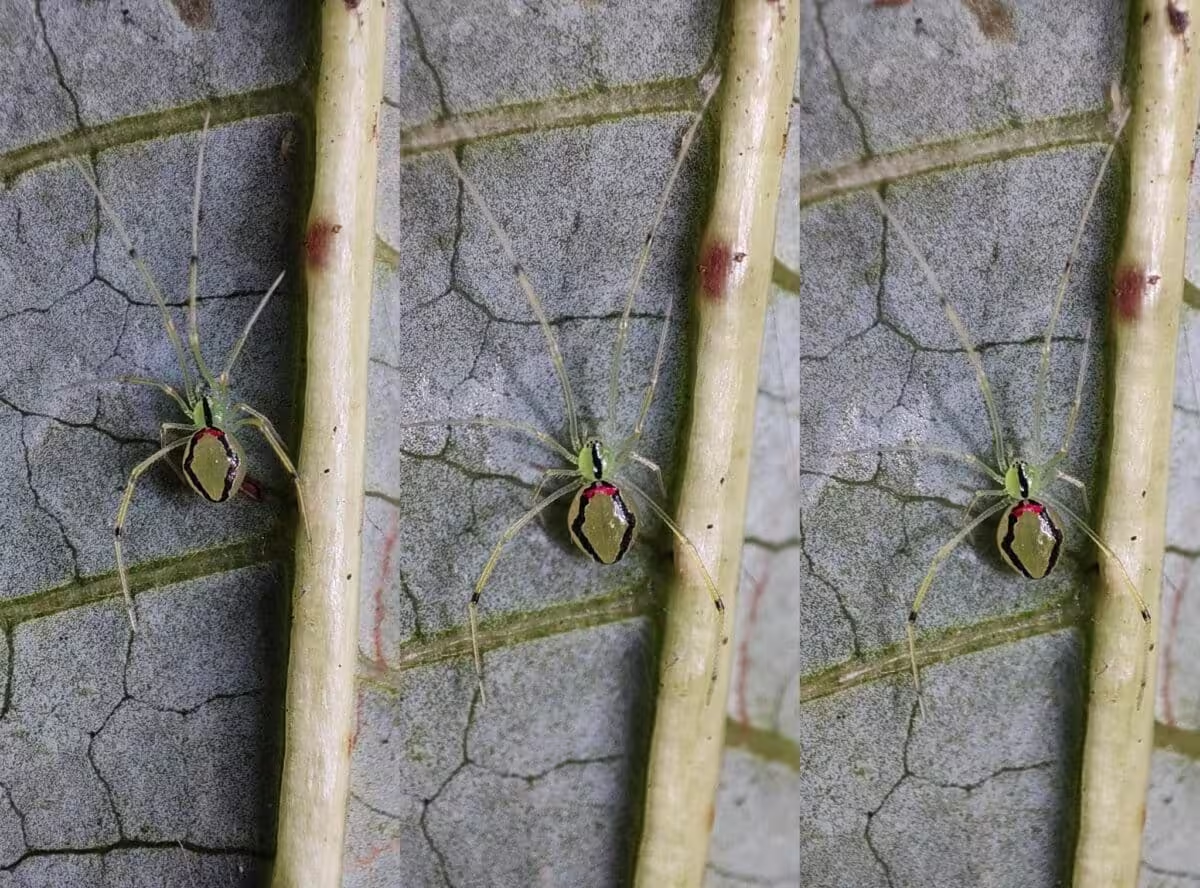
The discovery pushes the range of these charismatic spiders far beyond Hawaii and illustrates that comparable evolutionary traits can arise in isolated regions. It also underscores how many organisms may still be concealed within remote Himalayan habitats despite extensive prior surveying.
“The discovery was accidental because our survey was [originally] on ants,” said Devi Priyadarshini, a scientist at the Regional Museum of Natural History who coauthored the study.
“But my co‑author [Ashirwad Tripathy] kept sending me spiders from high‑altitude regions for identification. So, one fine day, when he shared this image from the underside of a Daphniphyllum leaf, I froze in shock because I had seen the Hawaiian spider during my master’s program itself, and I knew instantly we had a jackpot because of its striking resemblance. I asked him to send all morphs that he found, and that led to the discovery in the next few months, from October 2023 onwards.”
Genetic Analyses Confirm a Separate Himalayan Lineage
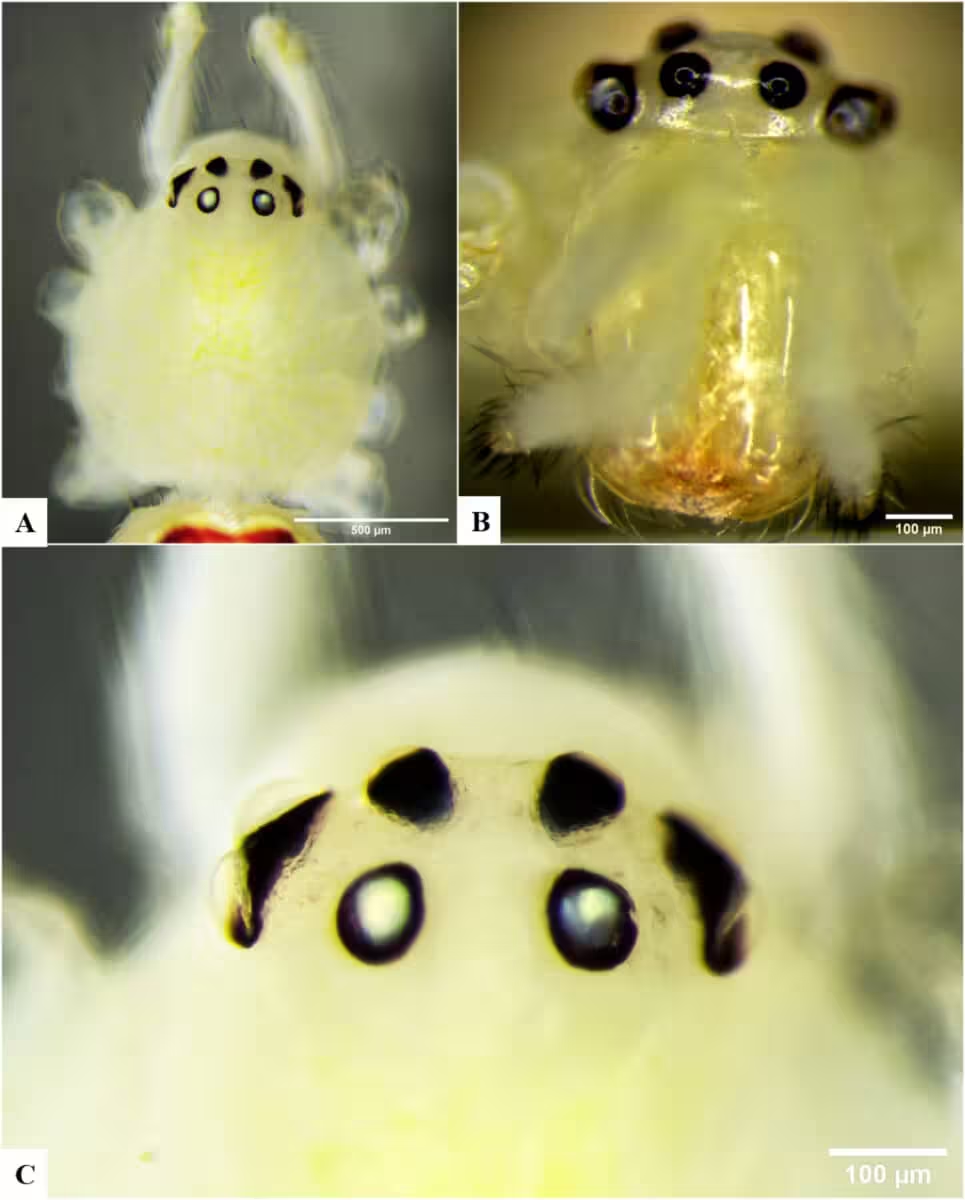
The paper in Evolutionary Systematics went beyond visual comparison. Specimens from three Himalayan sites—Makku, Tala and Mandal—were examined at elevations above 2,000 m. Researchers documented 32 distinct color morphs, indicating remarkable polymorphism within a single species. Molecular work revealed about an 8.5 % genetic gap between the new spider and Theridion grallator, the Hawaiian happy‑face spider, confirming that the Himalayan population constitutes its own evolutionary branch.
These findings highlight convergent evolution within the Theridiidae family and illustrate how mountainous ecosystems continue to harbor undiscovered taxa, even among groups like spiders that have been studied for decades. Each new species adds a piece to the broader picture of Asian biodiversity and helps clarify how isolated habitats drive evolutionary change over geological timescales.
The Enigmatic Smiling Markings Remain Unexplained
The vivid grin‑like designs that make the spider instantly recognizable are also among its most puzzling traits. Scientists suspect the variable patterns may confer survival benefits—perhaps by confusing predators or enhancing camouflage—but no definitive function has been established. The extensive diversity of abdominal markings across the Himalayan population suggests multiple genetic pathways could be at play.
Deciphering how these patterns develop and why they persist could shed light on natural selection, camouflage strategies, and broader evolutionary mechanisms. Rather than resolving existing mysteries, the discovery opens a suite of new questions, positioning Theridion himalayana as a promising model for future evolutionary research.
“The reason behind the expression of polymorphism is also very complex and unique,” Priyadarshini explained. “These patterns definitely help them survive better in the wild, which is understood prima facie, but why do they resort to such patterns on their back, and what functional role in their life cycle does it exactly serve is yet to be deciphered. This is definitely indicative of a deeper genetic mystery.”
A Possible Connection to Ginger Plants Adds an Evolutionary Twist
Field observations repeatedly placed Theridion himalayana on ginger species of the genus Hedychium. This association mirrors that of the Hawaiian happy‑face spider, which also frequents ginger despite the plant not being native to Hawaii. The parallel raises the prospect that similar ecological preferences may have evolved independently, or that a more intricate evolutionary link exists between the two lineages.
Untangling this relationship could reshape current ideas about spider dispersal and adaptation across distant continents. Ongoing research will explore whether shared plant use reflects convergent ecological strategies or hints at a deeper phylogenetic connection. As surveys of the Himalayas progress, scientists anticipate uncovering additional diversity within these colorful spiders and clarifying the origins of their distinctive biology.
“How did the spiders choose an invasive species and ginger exactly?” Priyadarshini noted. “If T. himalayana is an elder cousin of T. grallator, although discovered 125 years later! Although this sounds like a tall claim now, it will be our further scope of work to establish any missing links, if at all, through Hedychium sps.”
The identification of Theridion himalayana shows that even the most iconic arachnids can still surprise science. Nestled within the Himalayan forests, this tiny spider expands the known scope of an iconic evolutionary pattern and underscores how much of mountain biodiversity remains to be revealed.
This article has been fact checked for accuracy, with information verified against reputable sources. Learn more about us and our editorial process.
Last reviewed on .
Article history
- Latest version
Cite this page:
- Posted by Elizabeth Taylor