Glowing Blue Spider Found Among Dozens of Unknown Species in an Uncharted Region of the World
Scientists discover a hidden Angolan ecosystem, from a blue‑glowing spider to countless unnamed species, after an arduous expedition.
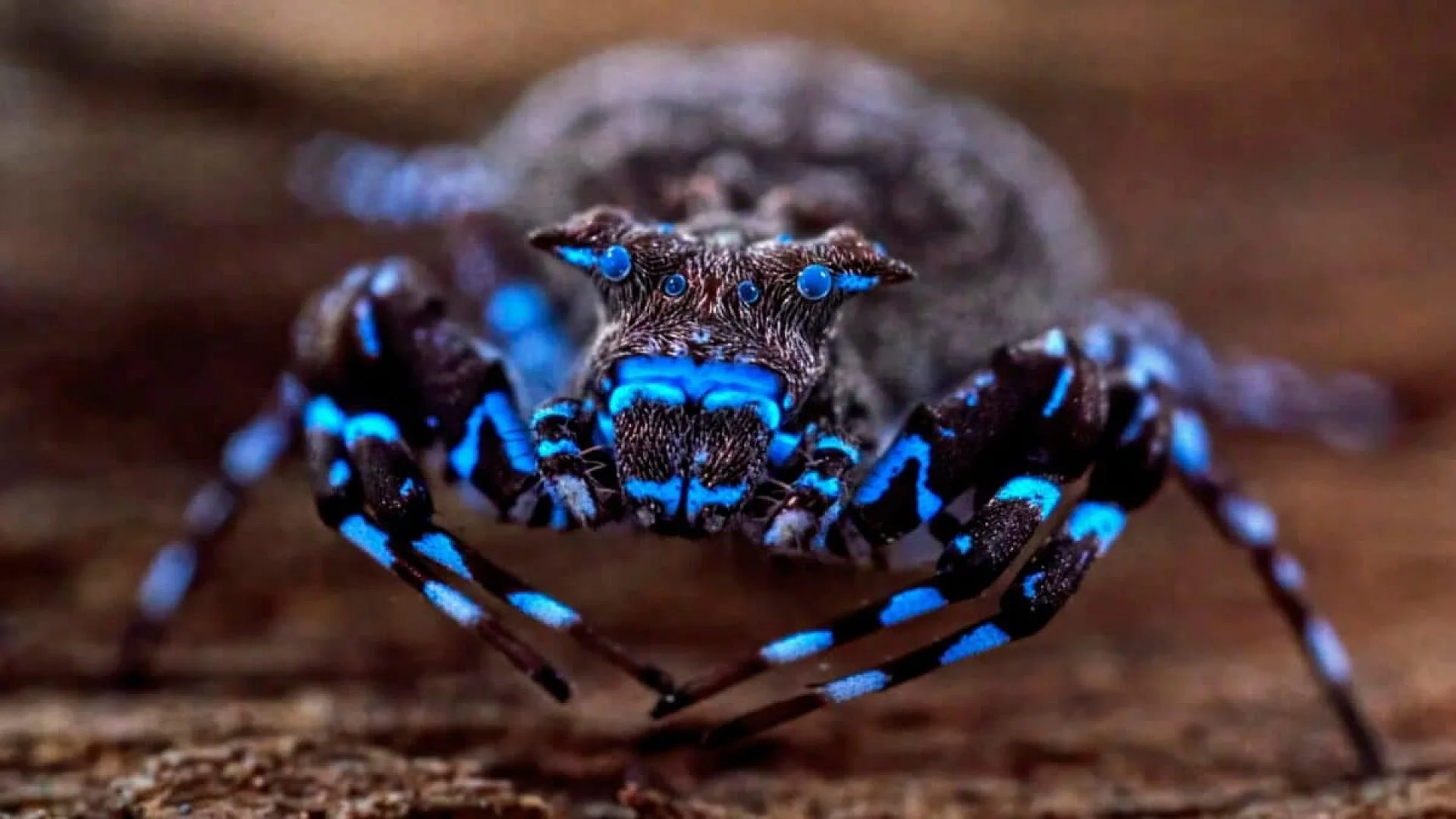
A February 2026 field mission to the isolated Lisima plateau in Angola uncovered a host of organisms that scientists believe may be new to science, ranging from a blue‑glowing crab spider to a cricket that can expel a defensive spray. The multi‑national team, assembled by The Wilderness Project, a venture launched by explorer Steve Boyes, spent several weeks mapping an area described as one of the continent’s remaining biodiversity blind spots.
New Arthropods and Undocumented Odonates
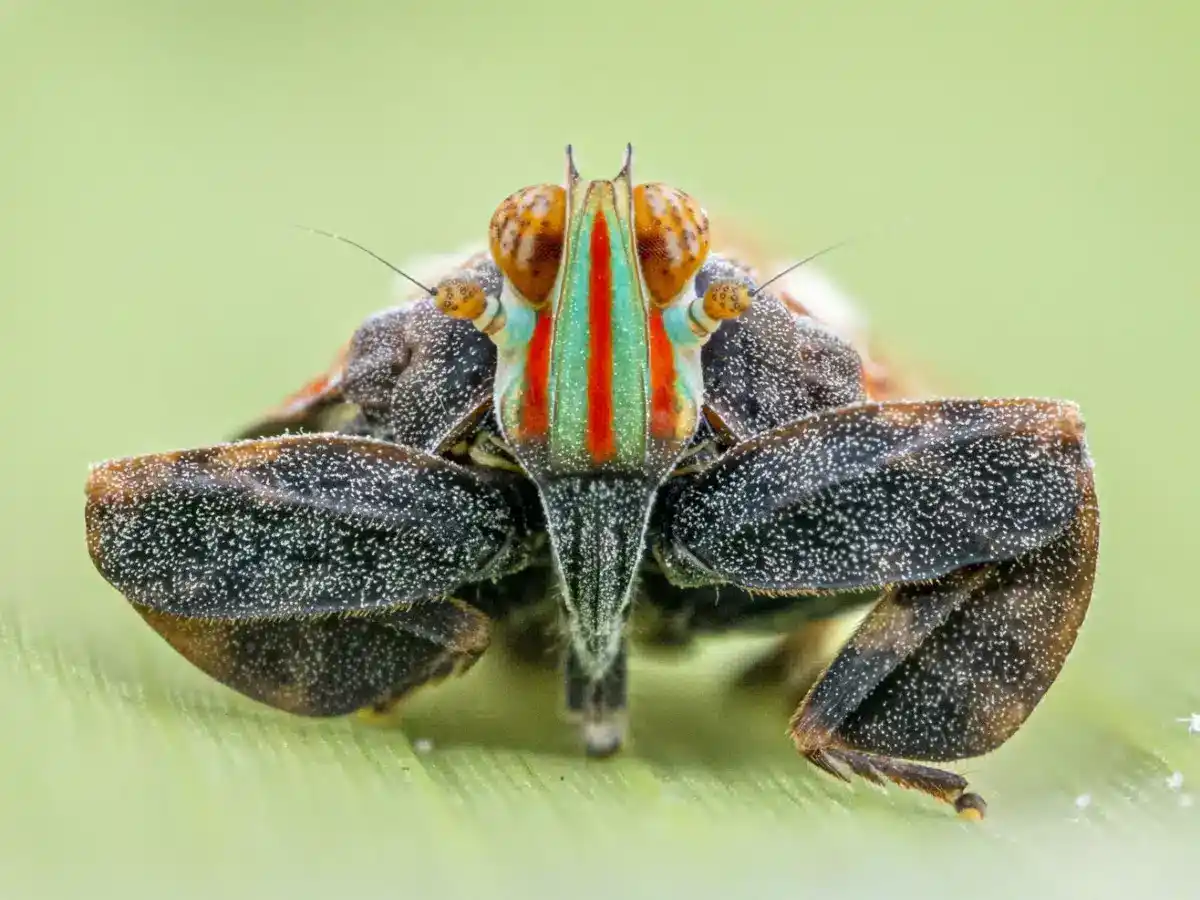
Researchers recorded more than one hundred species of dragonflies and damselflies, eight of which have no formal description. In addition, eight moths, three orthopterans (grasshopper, katydid and cricket) and several other invertebrates appear to be new to science, according to taxonomic experts still examining the material.
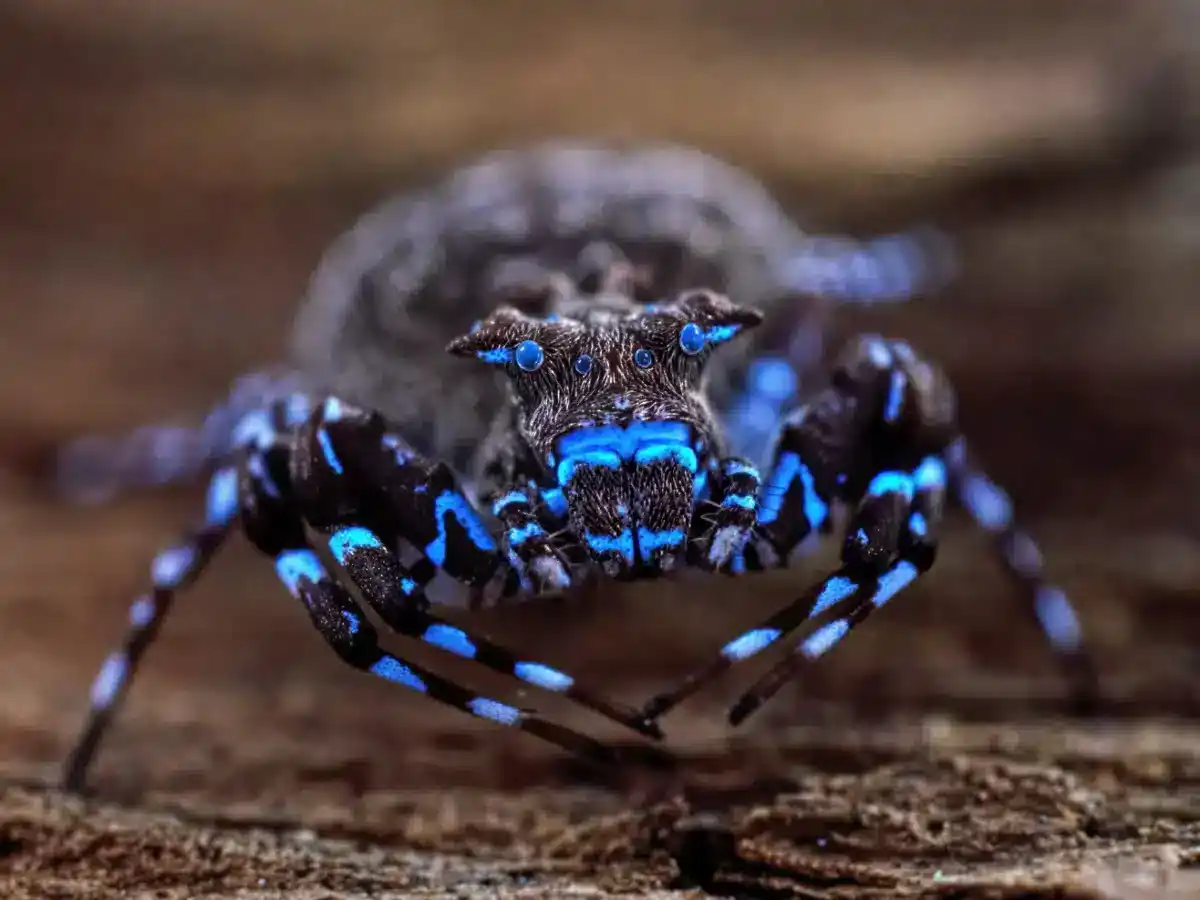
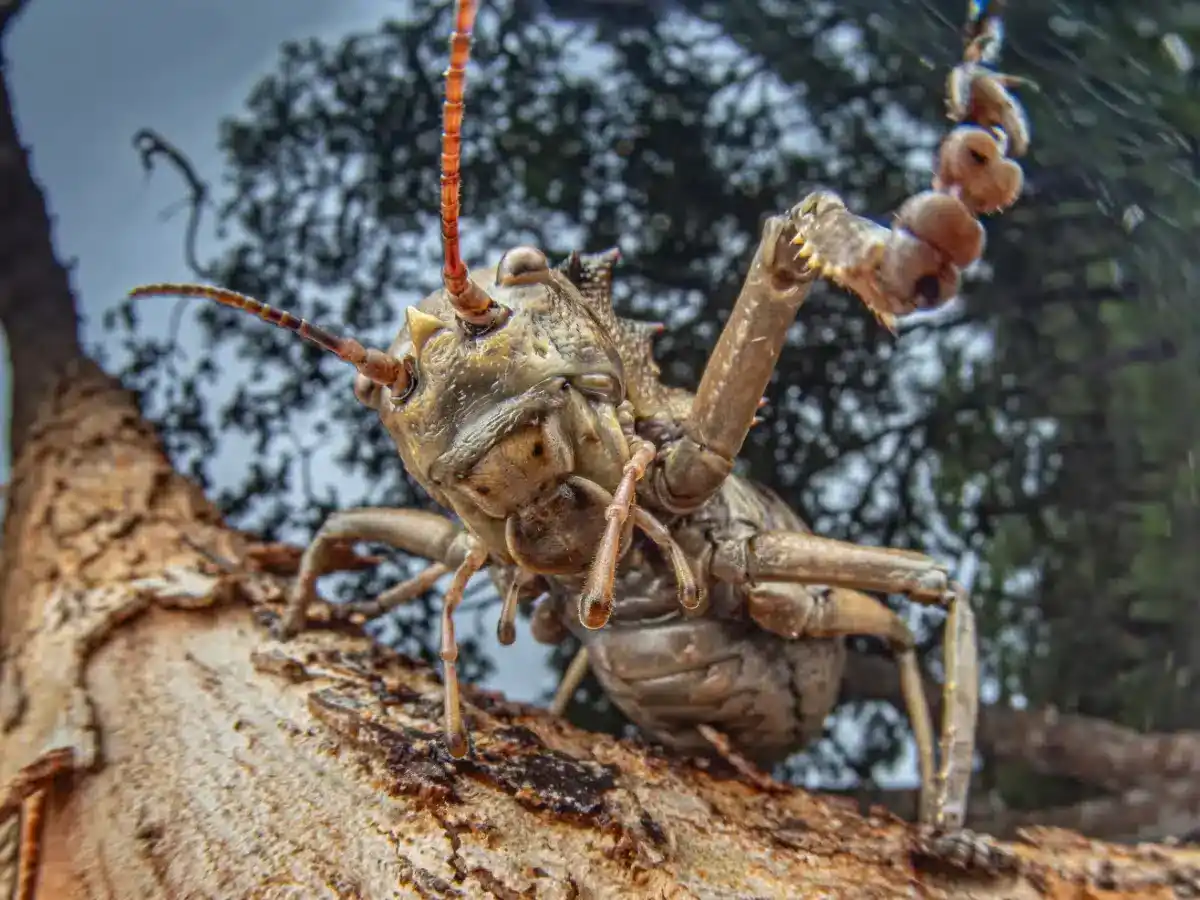
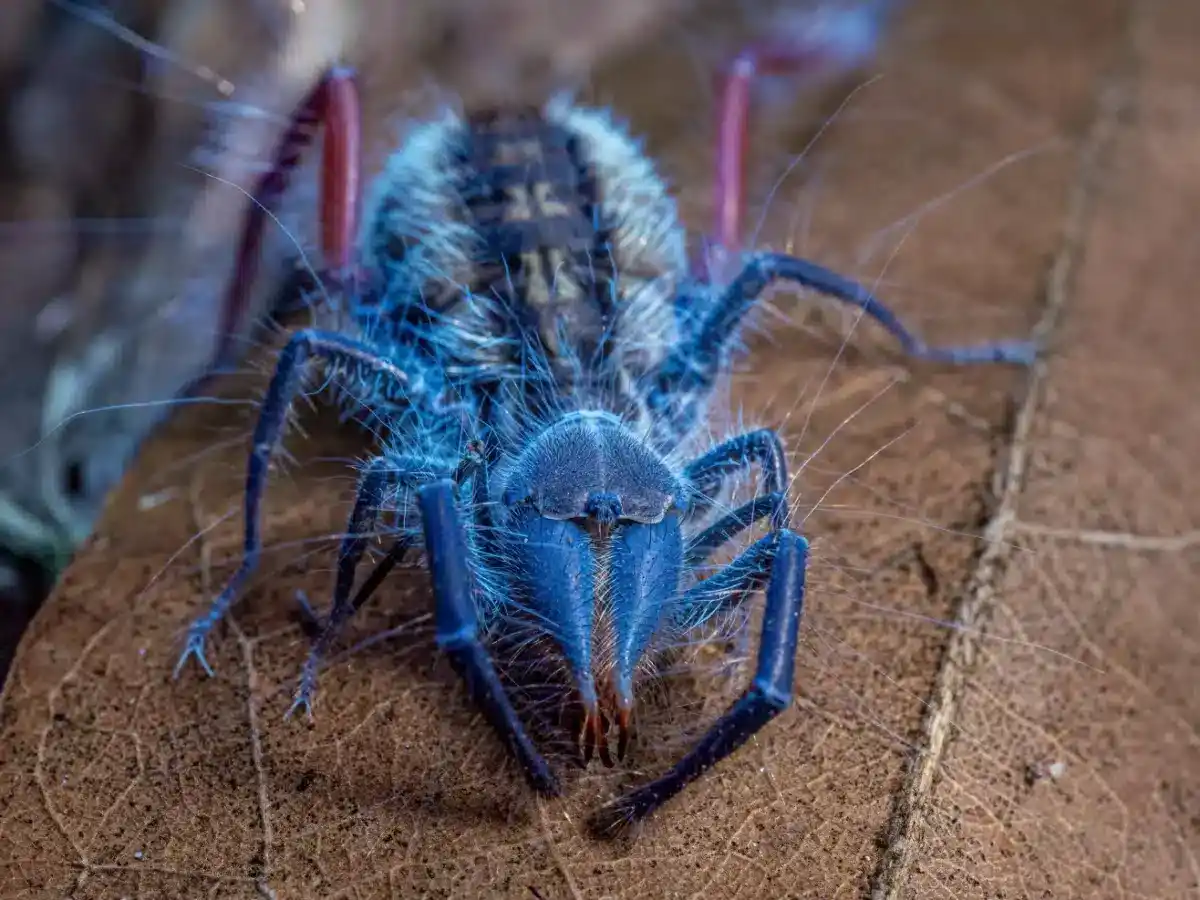
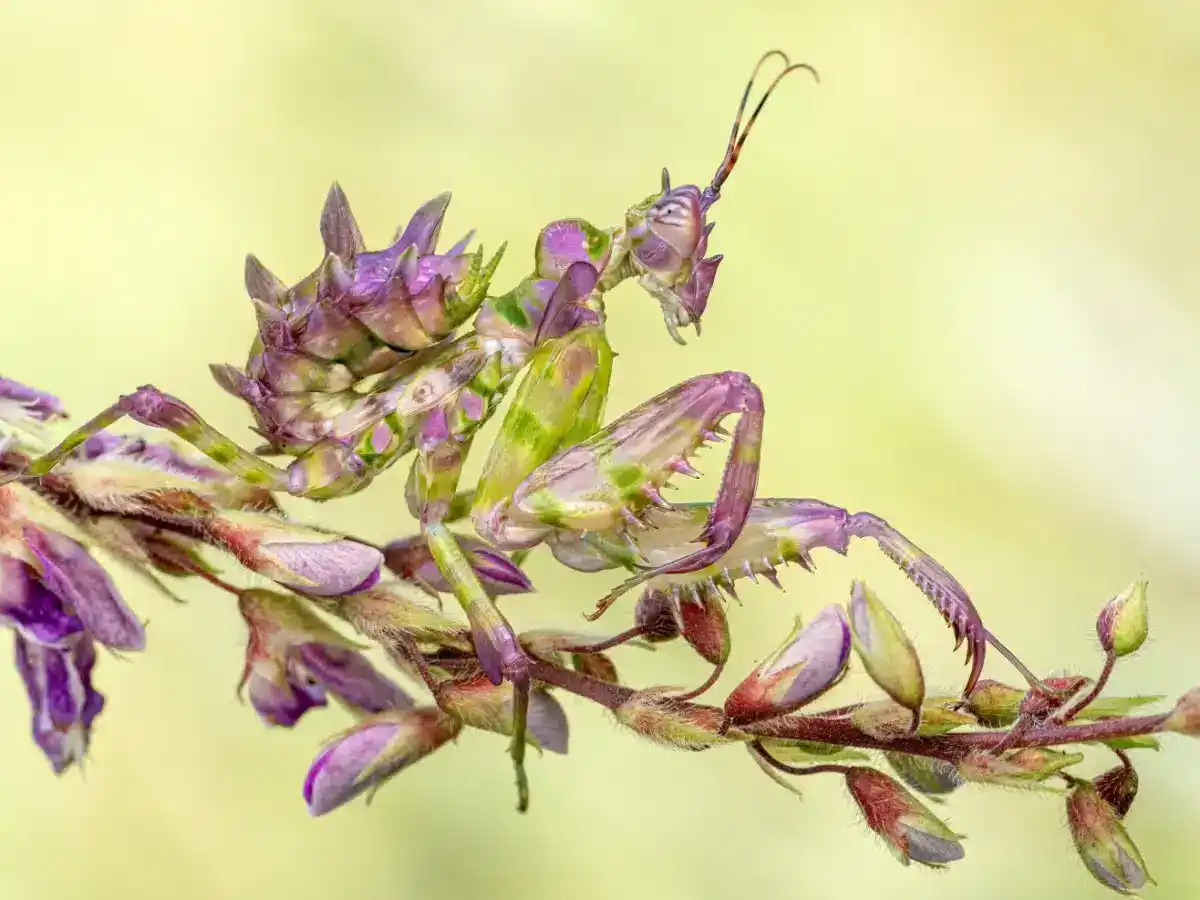
Among the most eye‑catching finds is a crowned crab spider that emits a vivid blue fluorescence when illuminated with ultraviolet light, a trait whose ecological purpose remains uncertain. A separate orb‑weaver spider mimics the coloration of a poisonous ladybird beetle, likely as a predator‑avoidance tactic. The expedition also documented an armored cricket that can eject a fluid at would‑be attackers, a copper‑colored caterpillar with an associated adult butterfly, and a spider sporting a striking blood‑orange hue.
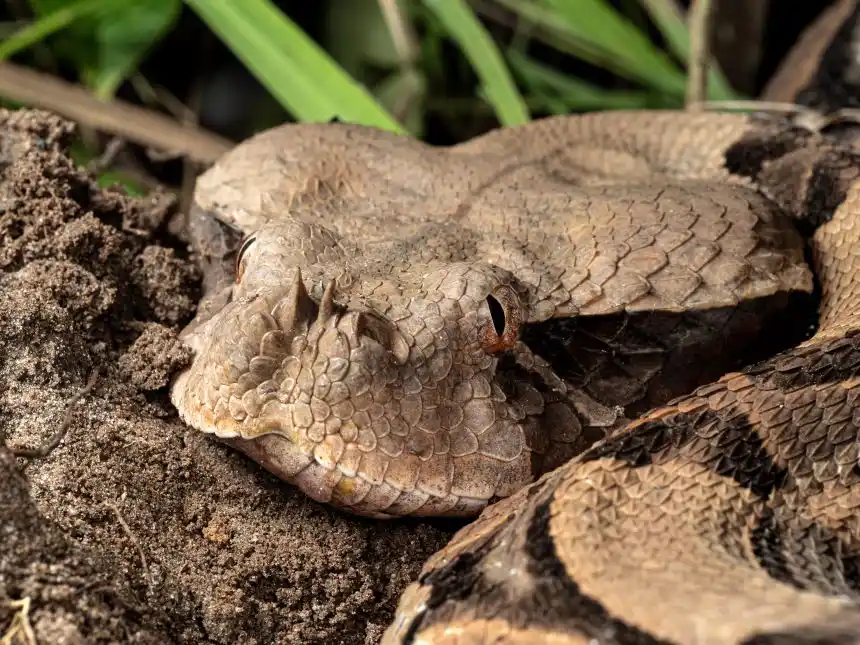
The team also encountered several well‑known species, such as the Gaboon adder – the venomous snake with the longest fangs on record – and the flightless bat fly, a blood‑feeding parasite that moves through bat fur as if swimming.
Logistical Hurdles in a Flooded Plateau
Conducted at the height of the rainy season, the survey faced severe mobility problems. Expedition leader Rob Taylor told CNN that the convoy became mired in mud for days on several occasions, while vehicle components such as starter motors, alternators and brake pads failed repeatedly. The team also contended with multiple cases of malaria.
When the trucks were immobilised, scientists turned the setback into an opportunity, exploring nearby seasonal wetlands, swamp forests and water‑logged grasslands for additional specimens.
Conservation Pressures on an Understudied Frontier
Taylor warned that the plateau’s ecosystems are under immediate threat from logging, small‑scale diamond extraction and slash‑and‑burn farming, all of which erode forest cover and deplete soil nutrients. Species with narrow geographic ranges or specialized habitat needs – such as many dragonflies that rely on pristine freshwater – are especially vulnerable. Likewise, certain butterflies depend on host plants that could be lost to fire or clearing.
The Wilderness Project is leveraging the new data to secure formal protection for the plateau. In 2025 the organization helped designate 5.4 million hectares of the region for conservation. The following October, Ramsar listed Lisima Lya Mwono – “the Source of Life” – as a wetland of international importance, noting its contribution to groundwater that sustains over 110,000 square kilometres of surrounding ecosystems.
A Landscape Shaped by Conflict and River Systems
Situated in Angola’s highland belt, the Lisima plateau encompasses swamps, wetlands, grasslands and woodlands that feed the headwaters of four major African rivers: the Congo, Okavango, Zambezi and Cuanza. Decades of civil war and rugged terrain have limited scientific access, inadvertently preserving much of the area’s natural integrity. Remnants of wartime mines still deter casual visitors.
A 2024 mission led by Boyes captured images of a “ghost elephant,” a genetically isolated group of African elephants that have adapted to the plateau’s unique conditions. “The aim is not merely to catalogue new African species, but to safeguard the habitats that support them,” Taylor emphasized.
This article has been fact checked for accuracy, with information verified against reputable sources. Learn more about us and our editorial process.
Last reviewed on .
Article history
- Latest version
Reference(s)
- Page, Tom. “Fluorescent spider and armored cricket among incredible discoveries in Angola.”, June 3, 2026 CNN <https://www.cnn.com/science/new-species-angola-the-wilderness-project-spc-c2e-intl>.
Cite this page:
- Posted by Elizabeth Taylor