What You Need to Know to Dodge the Cyclospora Outbreak in Your Salad and Stay Healthy
An expert details how cyclospora moves from farm to bathroom, revealing the outbreak’s causes and similar food‑borne risks.
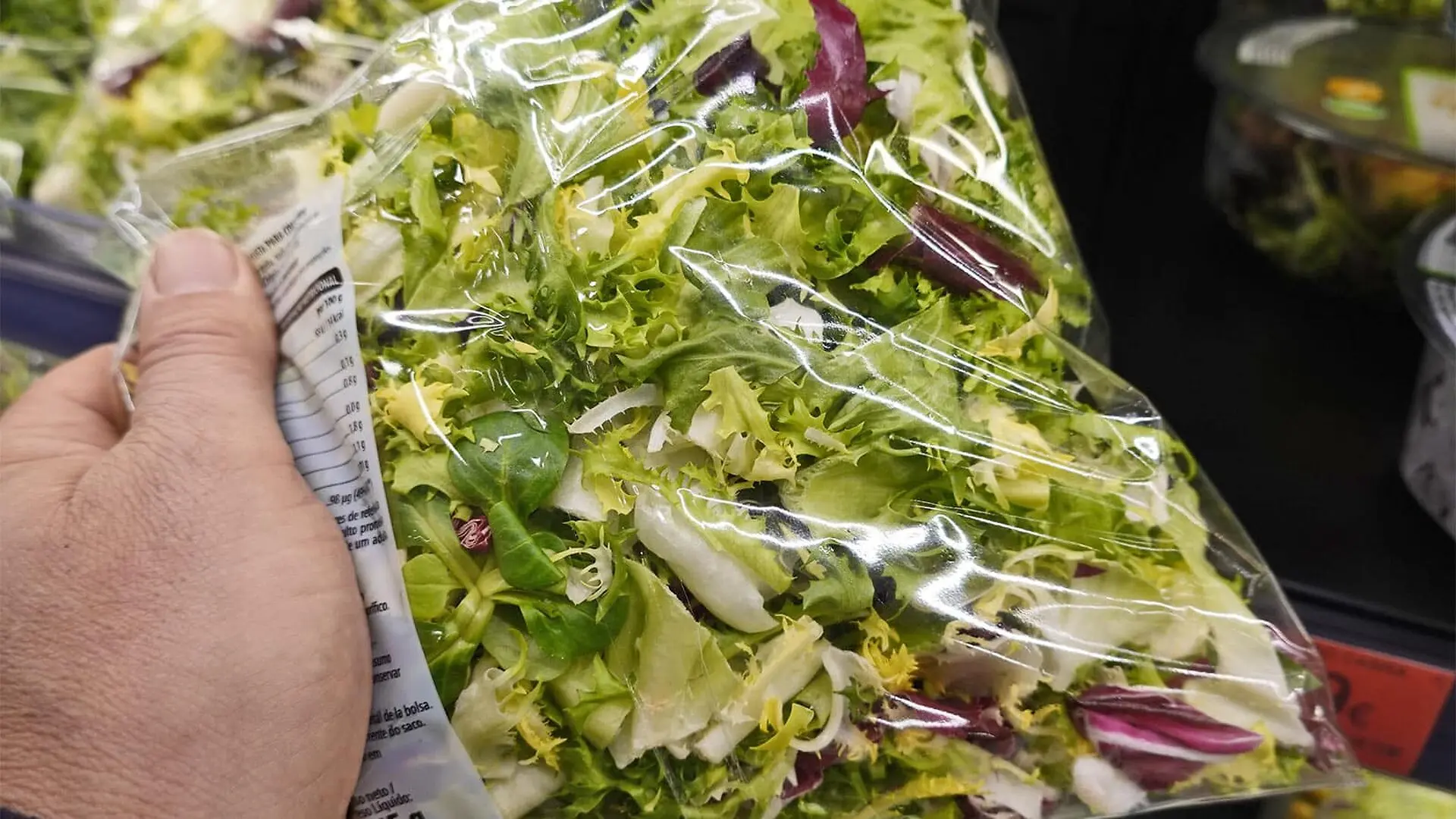
What You Need to Know About the Recent Cyclospora Outbreak
Early July headlines warned that fresh fruits and vegetables could be carriers of a parasitic infection, prompting many to wonder whether their favorite smoothies or salads were still safe.
Health officials identified the culprit as Cyclospora, a protozoan that contaminates food or water through fecal matter from infected individuals. The parasite can cause severe diarrhea, along with muscle pain, fatigue and nausea.
Within weeks the number of reported cases climbed into the thousands, with Michigan and New York recording some of the highest infection rates. Initial testing pointed to lettuce as the primary source after a sample tested positive for Cyclospora, but a later FDA statement retracted that finding, leaving consumers uncertain. In response, many restaurants, fast‑food chains and grocery stores have temporarily removed suspect ingredients from menus and shelves.
Food‑system specialist Carolyn Dimitri of NYU Steinhardt, who has written extensively on agricultural production and supply‑chain resilience, offers guidance on minimizing risk and preventing similar outbreaks in the future.
Key steps include thorough washing of produce, avoiding consumption of raw items from unreliable sources, and staying informed about public‑health advisories. For a deeper dive into practical measures, see the article “Tips to avoid the ‘explosive diarrhea’ parasite” on Futurity.
This article has been fact checked for accuracy, with information verified against reputable sources. Learn more about us and our editorial process.
Last reviewed on .
Article history
- Latest version
Reference(s)
- “Carolyn Dimitri | NYU Steinhardt.” NYU Steinhardt <https://steinhardt.nyu.edu/people/carolyn-dimitri>.
Cite this page:
- Posted by David Anderson