Hormone‑Loaded Birth Control Linked to Spike in Binge Eating, Researchers Report
Study finds emotional eating rises in women using hormone‑containing birth control pills versus hormone‑free alternatives.
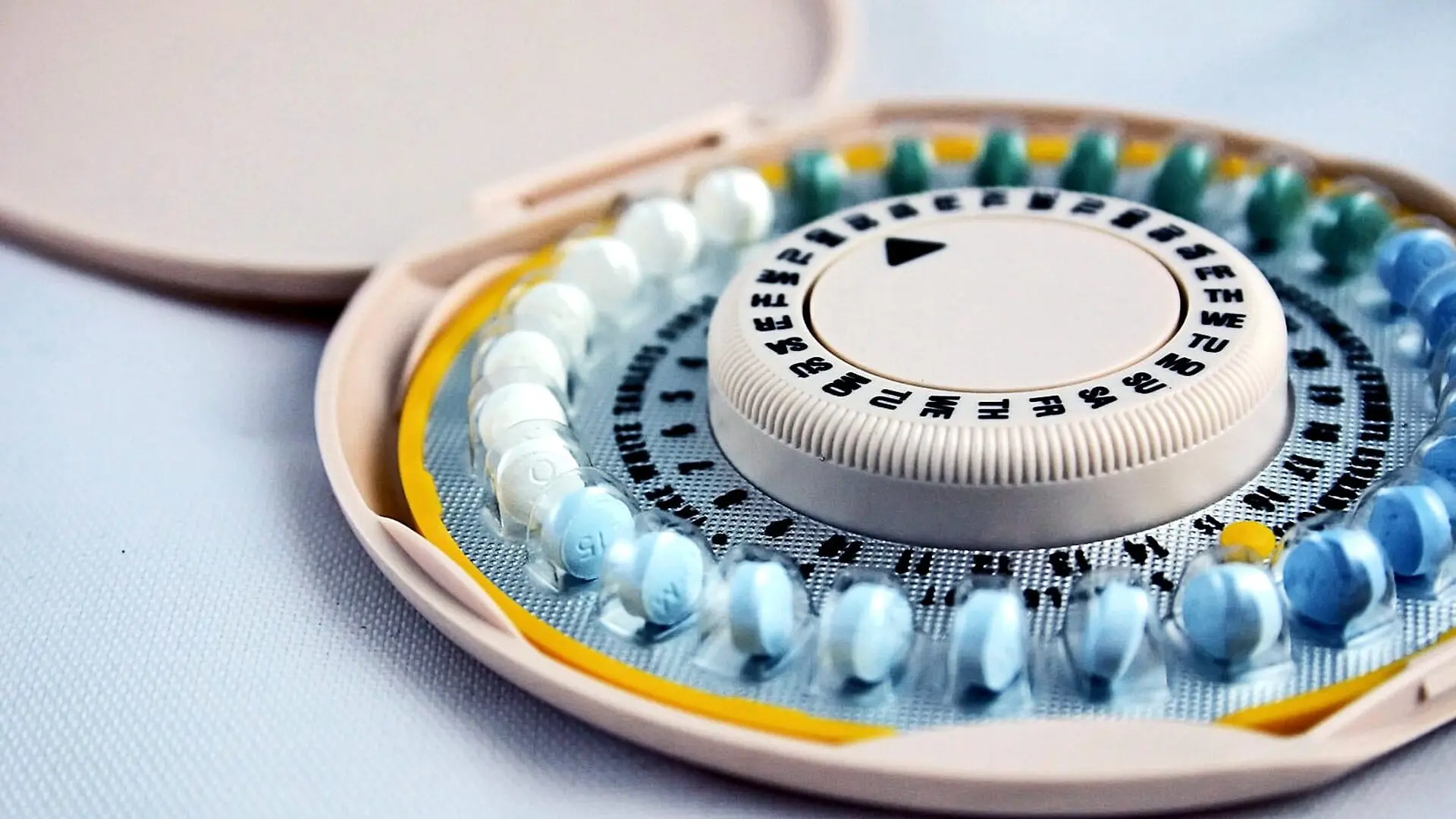
Hormone‑filled contraceptives associated with heightened emotional eating
A 49‑day daily monitoring study of 422 women on combined oral contraceptives revealed that episodes of overeating in response to negative feelings were more frequent during the weeks when hormonal pills were ingested.
Participants followed a typical regimen: three weeks of “active” pills containing estrogen and progestin, followed by a hormone‑free week of “inactive” pills. By comparing each woman to herself across active and inactive days, the investigators could isolate the impact of hormone exposure on eating behavior.
Results showed a consistent increase in emotional eating on active‑pill days, a pattern that persisted across two full pill cycles and was observable both in the overall cohort and in the subgroup diagnosed with binge‑eating disorder.
The association remained significant after statistical adjustments for mood fluctuations, suggesting that the hormones themselves—not merely mood changes—contribute to the observed rise in binge‑related intake.
“These findings point to a direct link between synthetic hormones and eating patterns, rather than an indirect effect mediated by emotional distress,” said Shaunna Clark, associate professor of psychiatry and behavioral sciences at Texas A&M University.
While the average trend was clear, individual responses varied. The sample spanned late adolescence to early adulthood, and all participants used the same monophasic formulation, which delivers a steady hormone dose during active days.
Importantly, the study did not detect shifts in weight preoccupation or consistent mood alterations tied to pill type, indicating that the effect may be specific to binge‑related eating rather than broader psychological or body‑image changes.
Earlier work has documented a rise in binge‑eating behaviors after ovulation, when natural estrogen and progesterone peak. This new research extends that observation to synthetic hormones, offering one of the most direct demonstrations that hormone exposure within a contraceptive cycle can influence eating habits.
“Understanding how hormonal environments affect eating can eventually guide clinicians and patients toward more personalized treatment choices,” Clark added.
This article has been fact checked for accuracy, with information verified against reputable sources. Learn more about us and our editorial process.
Last reviewed on .
Article history
- Latest version
Cite this page:
- Posted by David Anderson