Robot Submersible Confirms 60 Million Icefish Nests Under Antarctic Ice Shelf
A robot dives under Antarctic ice, uncovering a thriving underwater city and a pivotal clue that may determine its future.
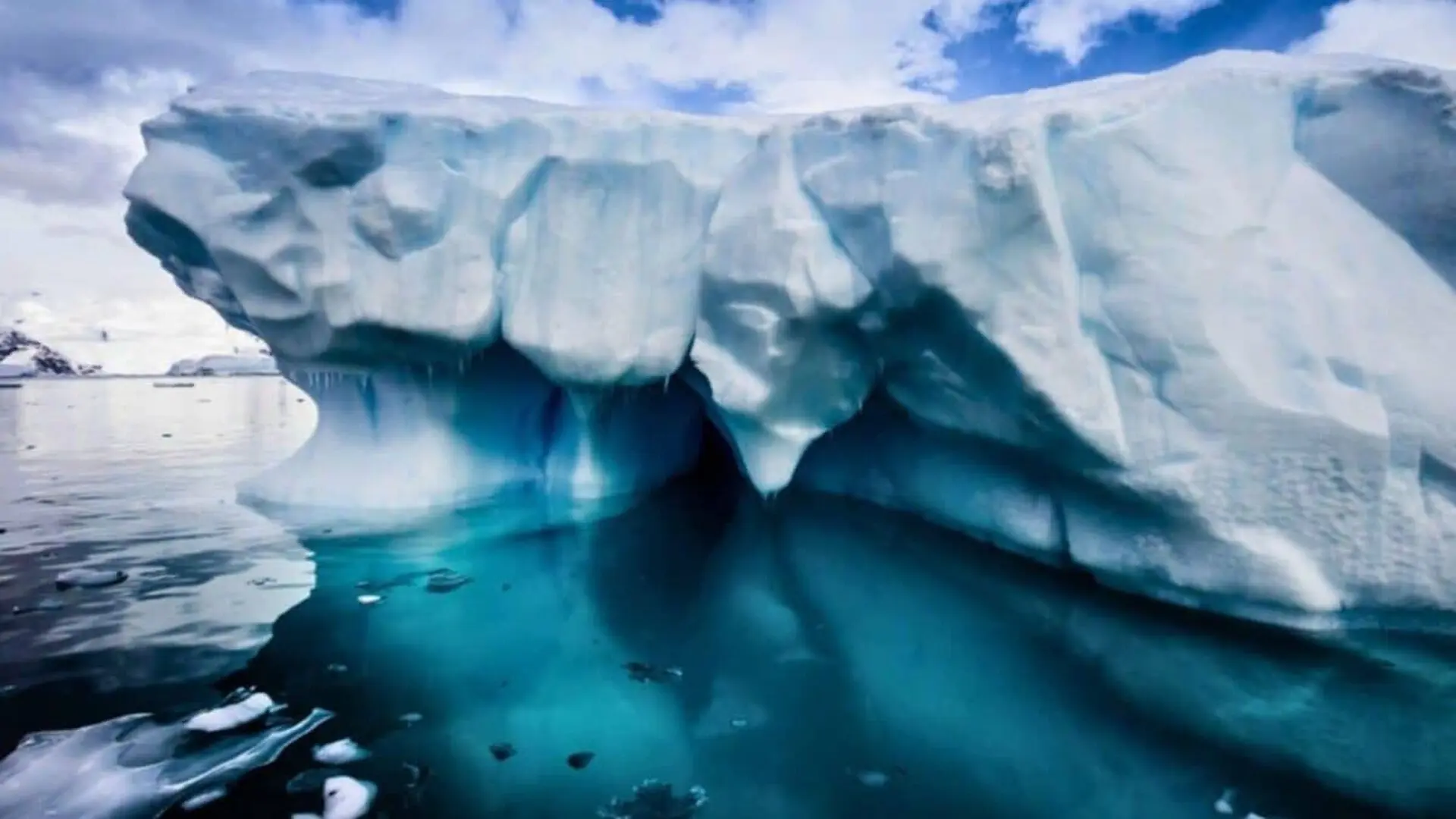
A new autonomous underwater vehicle, dubbed LASSIE (Low‑Altitude Survey System for Icefish), spent two full days gliding over the seabed beneath Antarctica’s Filchner Ice Shelf. The mission verified that an estimated 60 million active nests persist in the Weddell Sea, confirming the continuity of one of the planet’s largest fish breeding colonies.
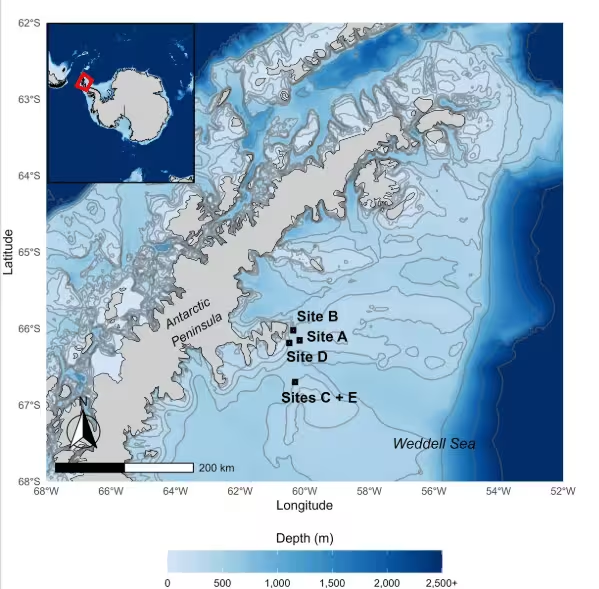
The Alfred Wegener Institute (AWI) first mapped the site in 2022, documenting nests across roughly 240 km² of ocean floor. Measurements taken during the recent Antarctic spring show that nest density has remained stable, averaging about one nest per four square metres along the surveyed tracks. After completing a 48‑hour continuous observation, the team released its findings.
Stability matters because it indicates the colony has neither thinned nor migrated since its first documentation. Temperature readings also revealed seabed water that is 2 °C warmer than surrounding deep water— a modest absolute difference that is significant in Antarctic conditions. This warm anomaly, driven by upwelling of deep water, sustains the narrow thermal band required for successful egg development.
Massive Breeding Habitat Confirmed
Equipped with a high‑resolution camera capturing 20 frames per second, LASSIE overcame earlier visual‑coverage limitations. The footage captured nests roughly 75 cm in diameter, each holding about 1,700 eggs. In the Filchner Trough region, male icefish were observed defending close to 85 % of the nests, underscoring strong parental investment against predation.
Maintaining a constant altitude of 1.5 m above the uneven terrain, LASSIE employed a buoyancy‑control system, side‑scan sonar, and a laser‑line scanner to produce three‑dimensional maps of the breeding grounds. Analysis of these maps showed an average inter‑nest spacing of just 22 cm— an unusually tight arrangement over such an extensive area. Biomass estimates based on the initial deployment suggest the colony contains roughly 60,000 tonnes of living material.
Thermal Window Critical for Egg Development
The site benefits from an influx of Modified Upper Circumpolar Deep Water (mUCDW) that flows onto the continental shelf, shaping conditions that permit the colony to thrive. A Frontiers in Marine Science study explained how this relatively warm water prevents the seabed from reaching the seawater freezing point, creating a viable environment for the eggs.
The icefish species involved, Neopagetopsis ionah (Jonah’s icefish), preferentially constructs nests where temperatures linger between 0 °C and 0.5 °C. This narrow thermal range appears essential for proper embryonic development. Icefish are notable for lacking hemoglobin and red blood cells, a rare vertebrate trait that reduces blood viscosity and enables survival in sub‑zero waters, yet makes them heavily reliant on oxygen‑rich currents.
Measurements indicate that the Filchner Trough current delivers a steady flow of oxygenated water across the nesting zone, supporting tens of millions of embryos throughout incubation.
Nest Architecture and Emerging Micro‑Ecosystem
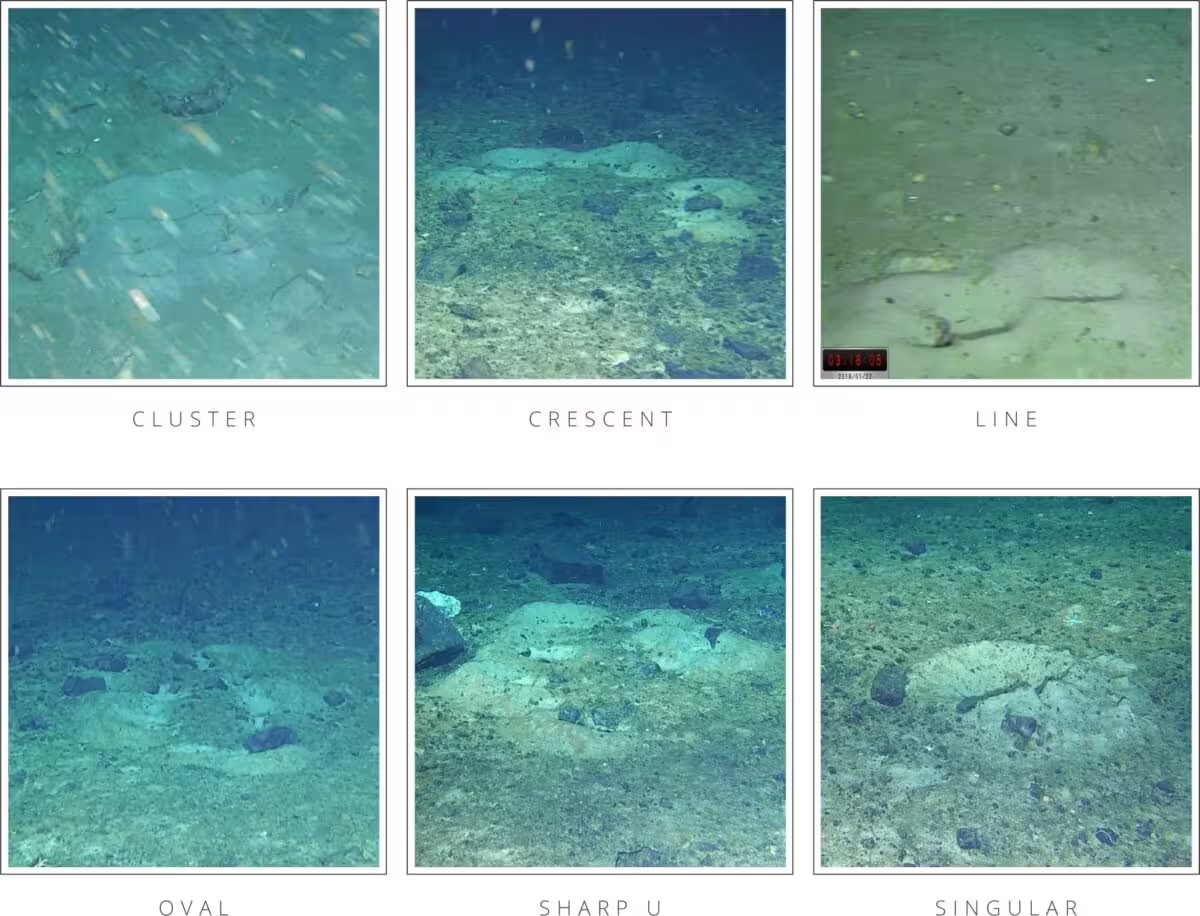
Video from LASSIE shows that most nests share a common design: circular depressions cleared of fine sediment, exposing a gravel‑and‑stone base. This configuration stabilizes the eggs and protects them from displacement by passing currents. Sensor data recorded silt concentrations inside nests at roughly 40 % lower than adjacent undisturbed seabed, implying ongoing maintenance by the fish.
Scattered carcasses and abandoned nests were also observed along the colony’s perimeter. These remnants attract scavengers such as sea stars, brittle stars, and various crustaceans, fostering a localized community that is richer in biodiversity than the surrounding deep‑sea plains, where organic material is scarce.
Seal Predation and a Call for Protection
Weddell seals dominate as predators of the colony. By matching LASSIE’s visual data with acoustic recordings from moored hydrophones, researchers identified a clear link between peak spawning periods and heightened seal vocal activity. Satellite telemetry shows that about 90 % of seal dives in this sector of the Weddell Sea occur directly above the colony, with more than 2,000 dives reaching depths of 400–500 m recorded in November alone.
Given the colony’s size and its ecological importance, the AWI team has submitted a proposal to the Commission for the Conservation of Antarctic Marine Living Resources (CCAMLR) to designate the area as a Marine Protected Area (MPA). The request highlights threats from bottom‑trawling gear and potential climate‑driven shifts in deep‑water circulation that could jeopardize the breeding grounds over time.
This article has been fact checked for accuracy, with information verified against reputable sources. Learn more about us and our editorial process.
Last reviewed on .
Article history
- Latest version
Reference(s)
- Connelly, Russell. “A finding of maintained cryonotothenioid nesting sites in the Western Weddell Sea.” Frontiers in Marine Science, vol. 12, October 29, 2025, pp. 1648168 Frontiers, doi: 10.3389/fmars.2025.1648168/full. <https://www.frontiersin.org/journals/marine-science/articles/10.3389/fmars.2025.1648168/full>.
Cite this page:
- Posted by David Anderson