Japan’s Greatest Masamune Sword Disappeared After WWII: The Mystery Remains
A historic sword once owned by powerful rulers vanished after WWII surrender to Allied forces, its fate still a mystery.
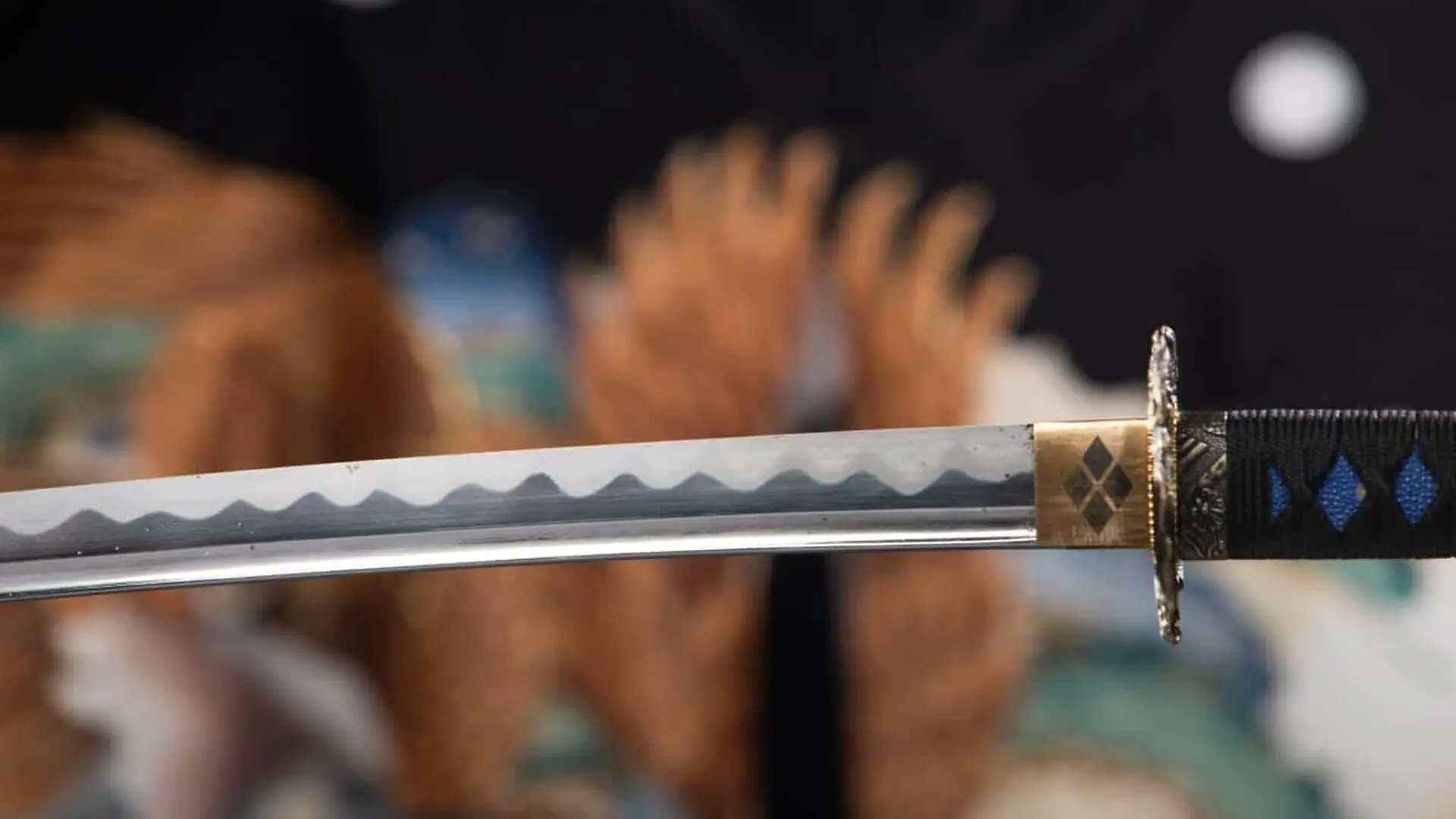
A sword forged by the famed 13th‑century Japanese smith Gorō Nyūdō Masamune has vanished from the historical record, leaving scholars and collectors to wonder where the celebrated Hōnjo Masamune might be hidden.
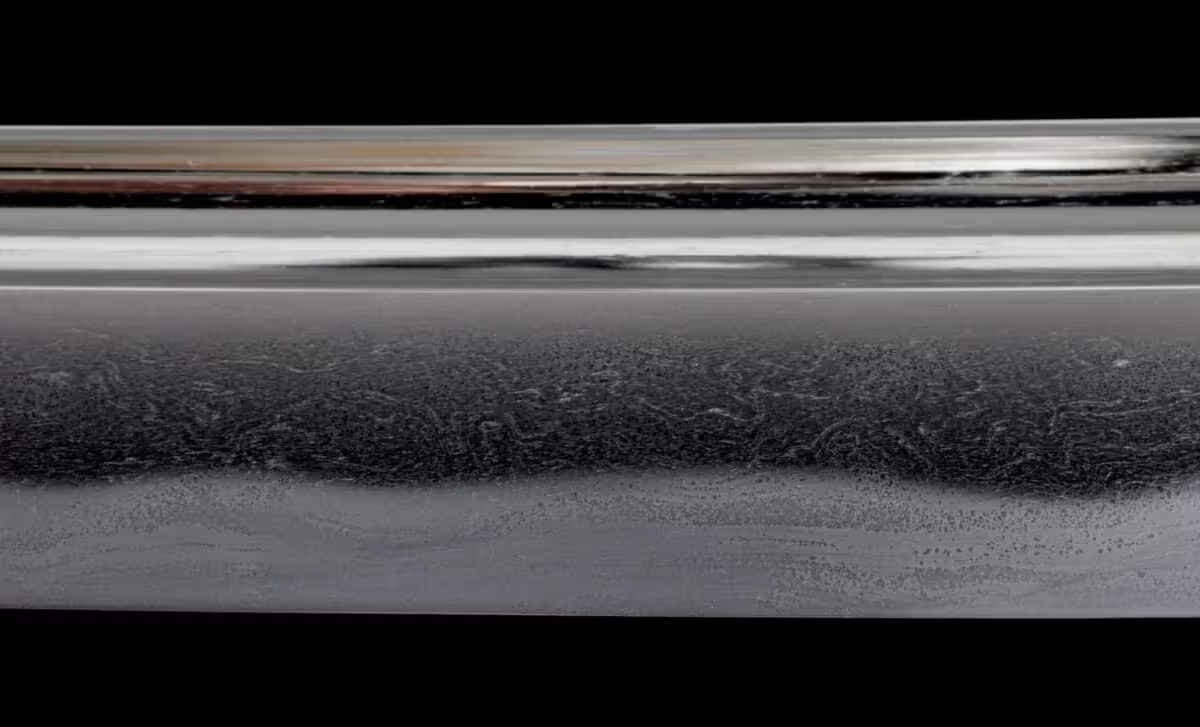
Masamune, who lived from 1264 to 1343, is celebrated for his command of nie—large martensite crystals that give a blade its distinctive grain when the spine is coated in clay and quenched more slowly than the edge. This technique produces a hard cutting edge paired with a flexible back, a hallmark of Japanese sword‑making.
From Battlefield to Shogunate Relic
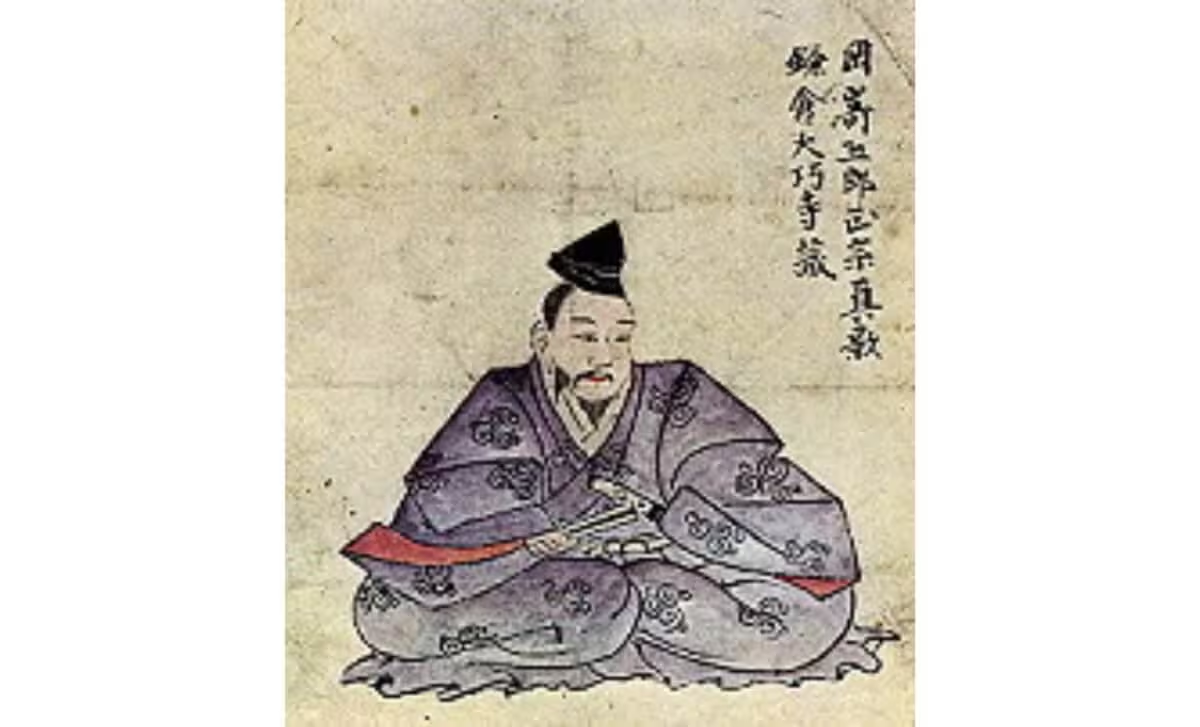
The weapon later called the Hōnjo Masamune was created around the turn of the 14th century, but its name derives from a later owner, General Hōnjo Shigenaga of the Uesugi clan. According to Popular Mechanics, Shigenaga claimed the blade after the fourth Battle of Kawanakajima, when the sword allegedly split his helmet in two yet left him unharmed.
Shigenaga kept the blade for decades before selling it to the Toyotomi clan in 1595. When the Toyotomi fell in 1615 and Tokugawa Ieyasu consolidated power, the sword entered the Tokugawa lineage, becoming a hereditary emblem of the shogunate’s authority.
National Treasure Status and Wartime Surrender
In 1939 the Hōnjo Masamune received official recognition as a national treasure. Following Japan’s unconditional surrender on 15 August 1945, Allied directives required the handover of all weapons, including historic swords. Tokugawa Iemasa, a descendant of Ieyasu, delivered the blade to the Mejiro police station in Tokyo that December, intending to demonstrate cooperation with the occupying forces.
The Unexplained Vanishing
After the handover, the sword disappeared from official records. On 18 January the Mejiro police announced that a man identified as “Sgt. Coldy Bimore” had retrieved the surrendered swords for the Foreign Liquidations Commission, yet no such individual appears in Allied personnel rosters.
Initial Allied actions reportedly involved melting down some swords or discarding them at sea, but General Douglas MacArthur later halted the practice once it became clear that many of the blades were treasured family heirlooms.
The whereabouts of the Hōnjo Masamune remain a matter of speculation, with no conclusive evidence supporting any of the circulating theories. By contrast, another Masamune creation—the Shimazu Masamune—reappeared in 2013 when a private collector presented it to the Kyoto National Museum, where experts authenticated the piece. The Hōnjo Masamune, however, has yet to surface, keeping its mystery alive for historians and sword enthusiasts alike.
This article has been fact checked for accuracy, with information verified against reputable sources. Learn more about us and our editorial process.
Last reviewed on .
Article history
- Latest version
Reference(s)
- Mansion, Mandarin. “Nie (沸).”, August 26, 2022 Mandarin Mansion <https://www.mandarinmansion.com/glossary/nie>.
- Orf, Darren. “The Greatest Sword Ever Made Was Passed Down for Centuries—then Vanished Into Thin Air.”, July 10, 2026 Popular Mechanics <https://www.popularmechanics.com/science/archaeology/a71773714/honjo-masamune/>.
- Reyes, Sarah. “Le Honjo Masamune : L'épée légendaire du Japon, mystère et maîtrise.”, January 27, 2025 Tokyo Nihonto <https://tokyo-nihonto.com/fr/blogs/nihonto-blog/honjo-masamune-epee?srsltid=AfmBOoqRuV-fWfCOg1pobRxavfjvUHQ1FAcWDiVDlxWNJgP7uzuy5EOO>.
Cite this page:
- Posted by Vikram Desai