Japan’s H3 Test Marks a Step Toward Reusable Rockets and Lower Launch Costs
Japan completes major rocket reusability test, advancing lower launch costs and boosting its global space industry standing.
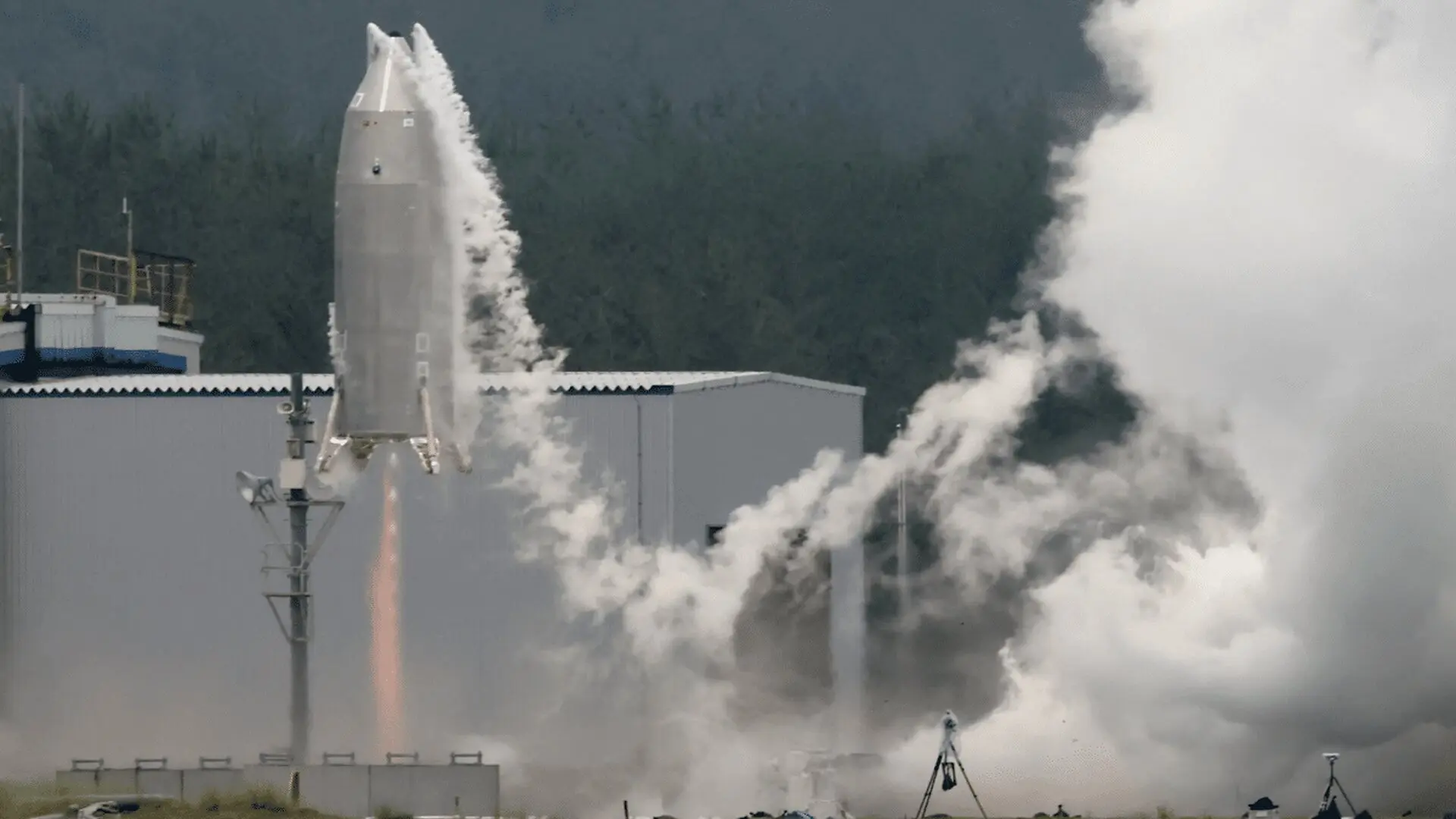
Japan’s latest rocket trial demonstrated key steps toward reusable launch hardware, marking another advance in the nation’s strategy to lower launch costs and boost mission cadence. The experiment targeted components that could eventually be recovered after flight, a capability that has reshaped commercial space access over the past decade. While fully reusable rockets remain years away, the data gathered underscores Japan’s commitment to a more economical and competitive space sector.
Global Race Drives Japan’s Push for Reusability
Around the world, governments and private firms are accelerating development of next‑generation launchers. The United States retains a strong lead through companies such as SpaceX, China is expanding both state‑run and commercial launch services, and Europe is pursuing reusable concepts through coordinated research programs. In this intensifying market, lower launch prices are becoming essential for satellite operators seeking to deploy communications, Earth‑observation, navigation, and scientific payloads.
H3 Rocket Gains Momentum After Early Setback
Japan’s flagship launch vehicle, the H3, entered service after a rocky debut in 2023 but has since completed a series of successful missions. Developed jointly by the Japan Aerospace Exploration Agency (JAXA) and Mitsubishi Heavy Industries, the H3 replaces the older H‑IIA and promises greater flexibility and reduced operating expenses. This renewed confidence in the H3 platform provides a foundation for exploring more ambitious technologies.
Experiment Focuses on Future Reusable Systems
The recent flight was not intended to showcase a complete reusable rocket; rather, it aimed to collect performance data on guidance, propulsion, structural integrity, thermal protection, and recovery procedures. According to Associated Press News, the test evaluated individual technologies that could later be integrated into a fully reusable launch system. Each subsystem requires extensive validation before the combined capability can be fielded.
Reusability Redefines Space Economics
Recovering major rocket components after launch has dramatically cut the cost of accessing orbit. Companies such as SpaceX have proven that boosters can be flown multiple times, shortening preparation cycles and reducing manufacturing expenses. Japan’s incremental approach mirrors this trend, seeking to build a knowledge base that will lower technical risk as larger, more complex reusable designs are pursued.
Steady Progress Shapes Japan’s Space Future
By prioritizing real‑flight data and methodical validation, Japanese engineers aim to close the gap with established reusable launch providers. Though a fully reusable Japanese launcher may still be several years out, each successful demonstration brings the technology closer to operational reality and reinforces the country’s role in the evolving global space economy.
This article has been fact checked for accuracy, with information verified against reputable sources. Learn more about us and our editorial process.
Last reviewed on .
Article history
- Latest version
Reference(s)
- Yamaguchi, Mari. “Japan's experimental reusable rocket safely returns in first test flight.”, July 11, 2026 AP News <https://apnews.com/article/japan-reusable-rocket-h3-test-space-china-eb83b8385641a094b4cd69c3ee48090a>.
Cite this page:
- Posted by Karan Das