SpaceX Launches First Commercial Tritium-Powered CubeSat Into Orbit
NASA tests a compact tritium-powered unit that could supply steady low‑power electricity for future spacecraft in low‑sunlight environments.
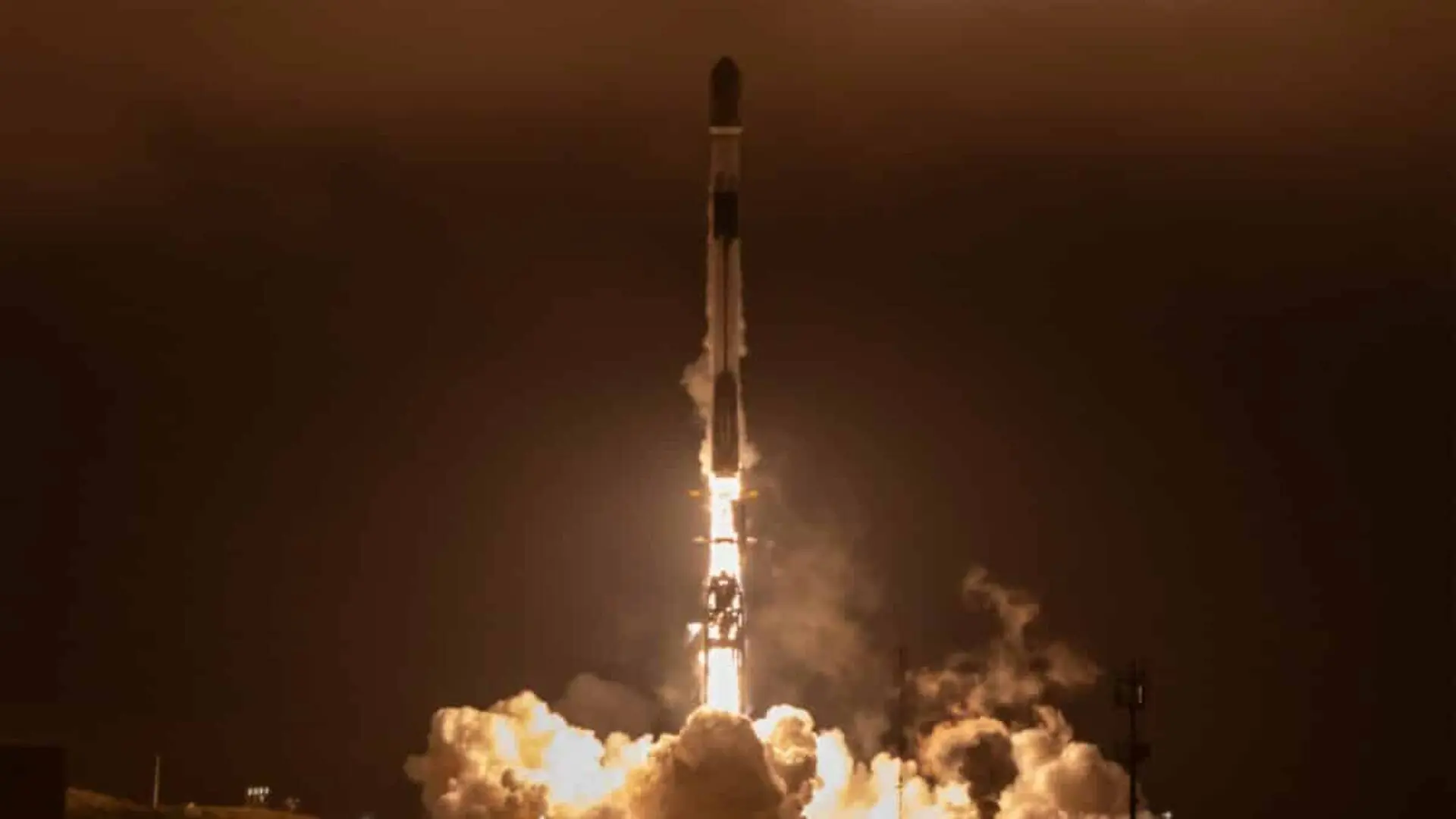
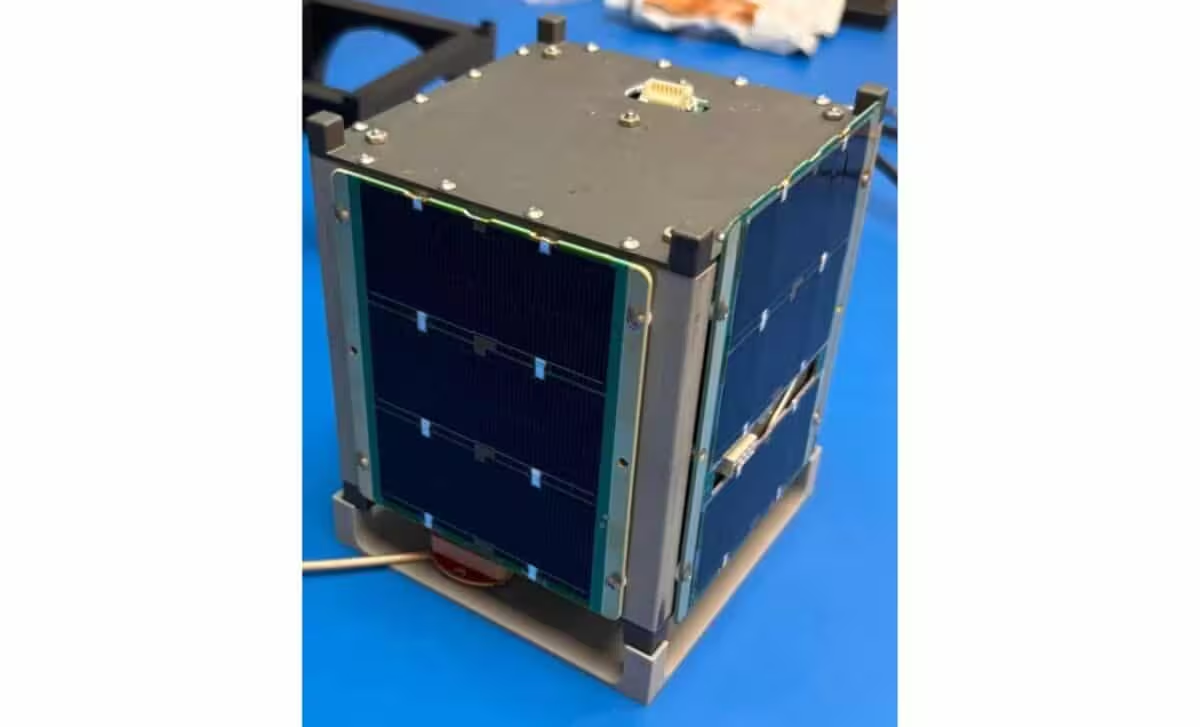
BOHR, a CubeSat‑class satellite, rode aboard SpaceX’s Transporter‑17 rideshare launch from Vandenberg Space Force Base in California. The mission carried a total of 81 payloads, ranging from CubeSats and microsatellites to orbital transfer vehicles.
The spacecraft does not contain a traditional nuclear reactor or a plutonium‑based generator. Instead, its payload is intended to verify whether a privately engineered nuclear micropower source can survive launch stresses, operate in orbit, and clear the regulatory hurdles required for commercial use.
Miniature Tritium Betavoltaic Unit Demonstrates Commercial Potential
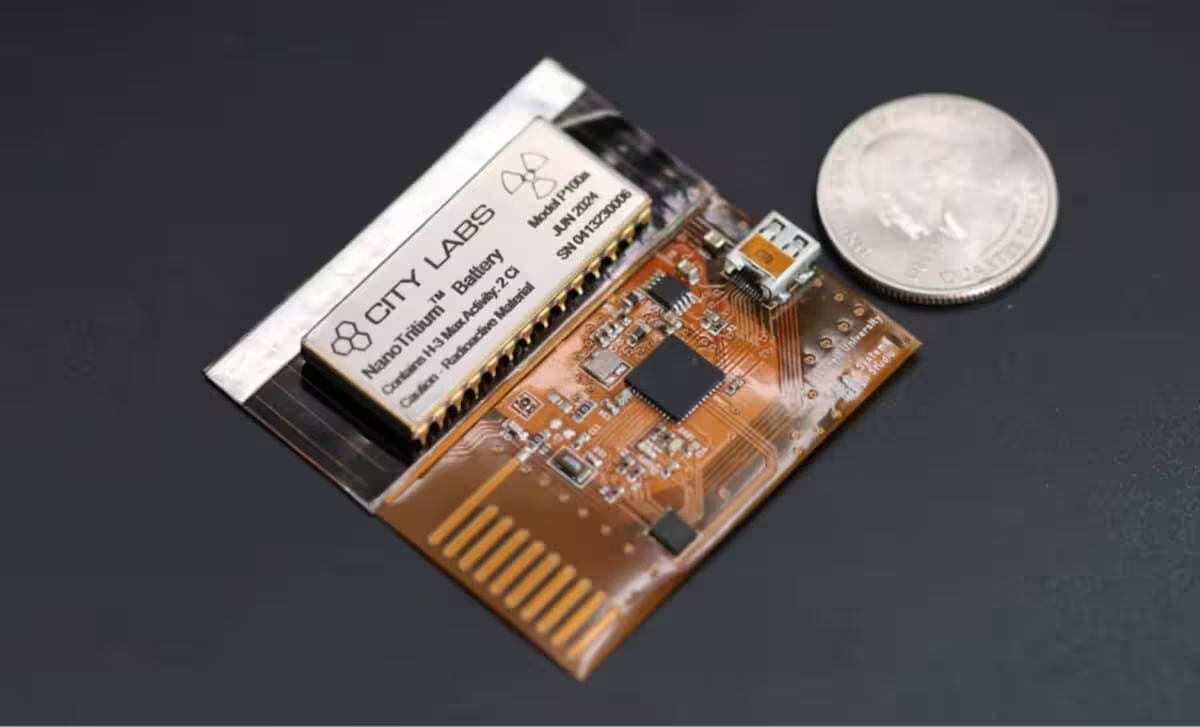
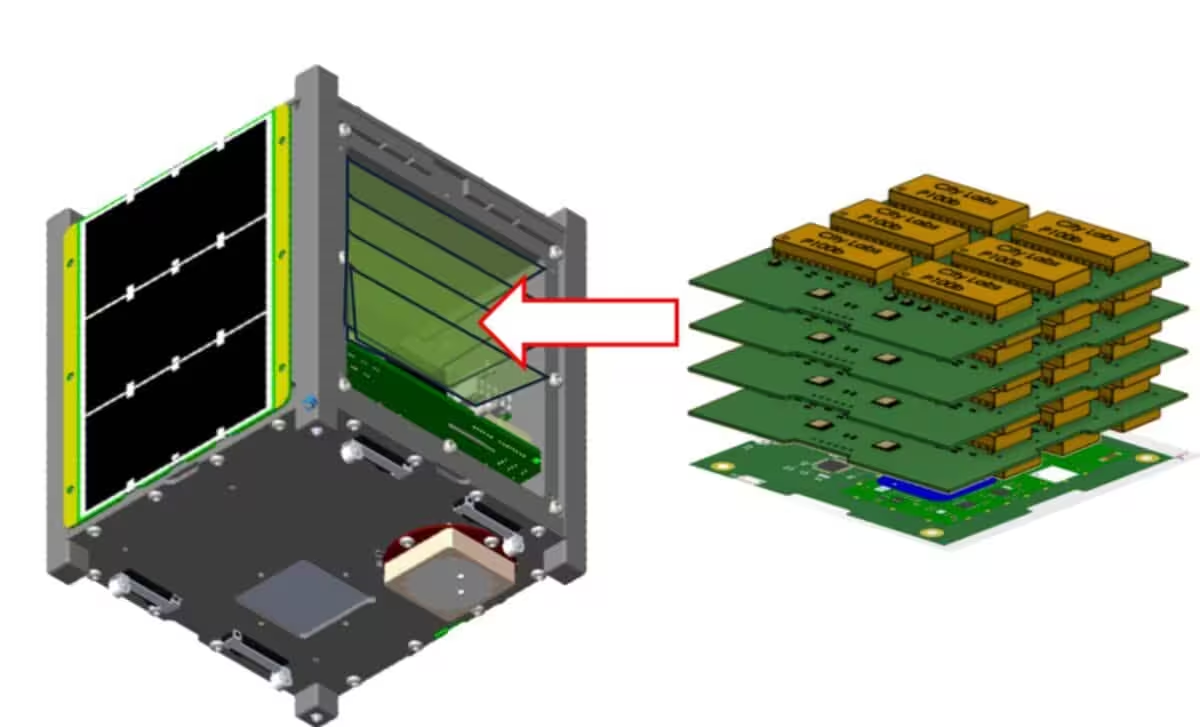
BOHR, short for Betavoltaic Orbital High‑Reliability satellite, houses City Labs’ NanoTritium technology. The system relies on tritium, a radioactive hydrogen isotope that decays by emitting beta particles. A semiconductor layer captures a portion of that energy and converts it directly into electrical power.
City Labs explains that the tritium source serves as a supplemental power supply while the CubeSat continues to depend on solar panels for primary operations. The company describes the output as “very low power,” and CEO Peter Cabauy told Florida Today that test results are expected within weeks or months, even though the device could remain functional for roughly a decade in orbit.
“This is a historic step for commercial nuclear power in space,” Cabauy said in a statement. He added before launch, “We’re the first. This is going to be the world’s first commercial nuclear launch.”
Contrast With NASA’s Long‑Standing Radioisotope Generators
NASA’s radioisotope thermoelectric generators (RTGs) generate electricity from the heat released by plutonium‑238 decay, powering deep‑space probes such as Voyager and the Mars rovers Curiosity and Perseverance, according to ZME Science. In comparison, City Labs’ betavoltaic unit is far smaller and delivers a modest power output, emitting low‑level radiation that can be managed under commercial conditions.
NASA has identified tritium betavoltaic technology as a candidate for powering centimeter‑scale sensors in permanently shadowed lunar regions, where extreme cold and lack of sunlight render conventional batteries ineffective. Cabauy highlighted the distinct handling requirements, noting:
“Normally, nuclear materials, specific devices, you can only ship it between one company to another, and they have to have approved radiation facilities to handle material. But not with Tritium power sources.”
Regulatory Clearance Marks First Commercial Nuclear Launch
Payload Space reports that Cabauy emphasized the mission’s regulatory significance as well as its technical achievements. “The innovation here is not just in the technology. It’s in the regulatory part,” he said, adding that while governments have employed nuclear power in space for decades, commercial use represents the next evolutionary step.
The Federal Aviation Administration granted BOHR launch authorization under the U.S. framework created by National Security Presidential Memorandum‑20 in 2019, which governs spacecraft carrying nuclear systems.
The launch coincides with NASA and the Department of Energy’s ongoing development of a lunar surface reactor designed for multi‑year operation without refueling, with a target deployment by 2030. While that effort focuses on nuclear fission for large‑scale power generation, City Labs positions its tritium devices for niche applications such as sensors, heaters and low‑power electronics.
Cabauy also noted that City Labs is developing independent heat sources for NASA’s Commercial Lunar Payload Services program, aiming to help future missions survive the two‑week lunar night or operate in permanently shadowed craters. He suggested that such devices could deliver “10s of watts of heat” for upcoming lunar surface projects.
Now that BOHR is in orbit, engineers will monitor its performance, evaluate scalability, and assess safety, cost and practicality for future missions. City Labs asserts that “BOHR demonstrates that safe, compact, and regulatory‑approved nuclear power systems are ready for routine commercial deployment.”
This article has been fact checked for accuracy, with information verified against reputable sources. Learn more about us and our editorial process.
Last reviewed on .
Article history
- Latest version
Reference(s)
- Today, ,. “Florida company to launch first commercial nuclear spacecraft on SpaceX mission.”, July 6, 2026 Florida Today <https://www.floridatoday.com/story/tech/science/space/2026/07/06/miami-based-florida-company-to-launch-first-commercial-nuclear-spacecraft-on-spacex-mission/90778942007/>.
- Puiu, Tibi. “SpaceX Launches the First Commercial Nuclear-Powered Satellite.”, July 7, 2026 ZME Science <https://www.zmescience.com/science/news-science/spacex-launches-the-first-commercial-nuclear-powered-satellite/>.
Cite this page:
- Posted by Karan Das